RFK Jr. and Dana Bash Clash for 20 Minutes in Fiery CNN Debate Over Vaccines and Public Health
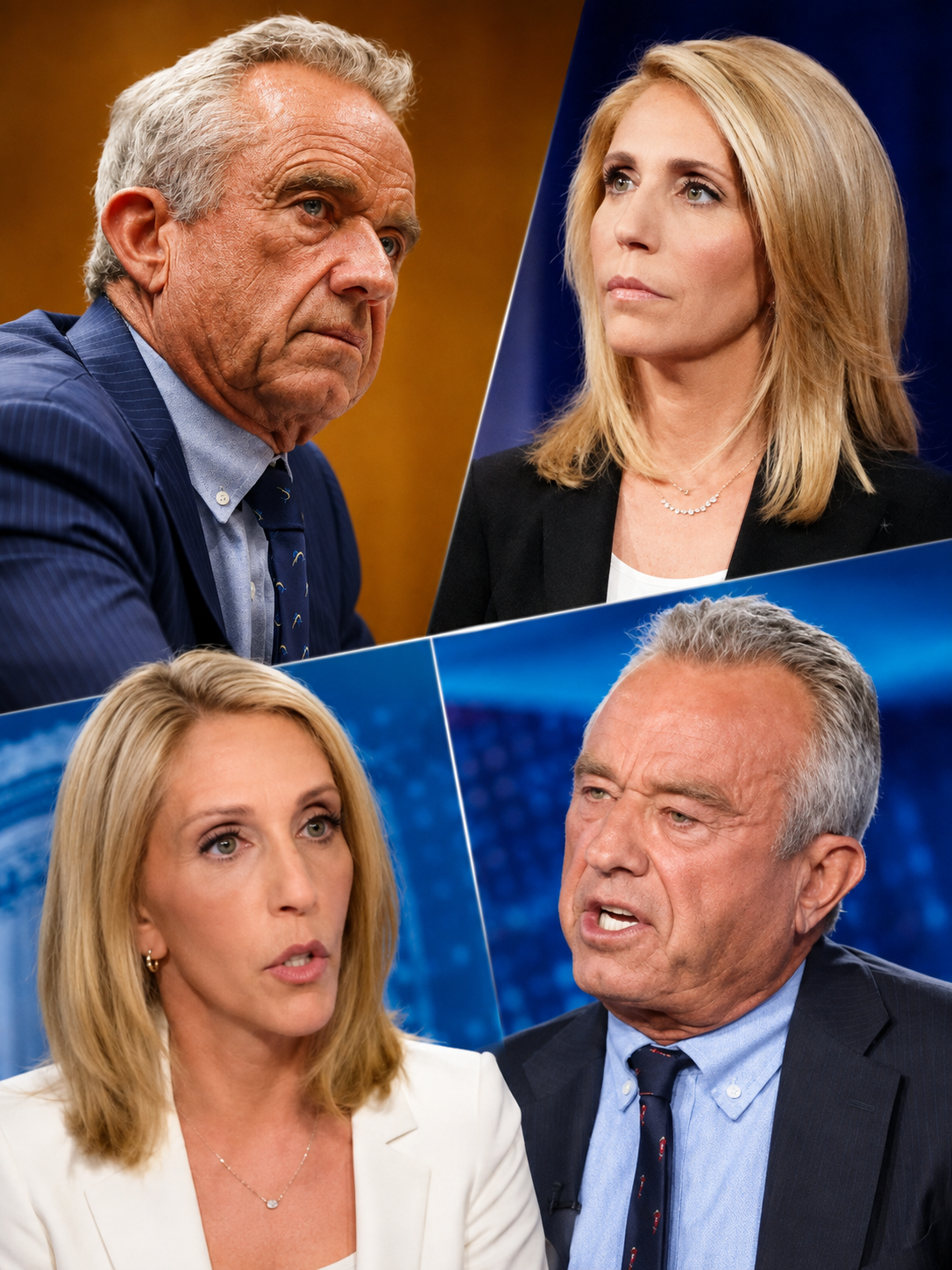
What began as a television interview about preventing future pandemics quickly turned into a personal and increasingly combative confrontation.
During the Aug. 2 episode of CNN’s State of the Union, Health and Human Services Secretary Robert F. Kennedy Jr. and host Dana Bash spent approximately 20 tense minutes arguing over the government’s response to COVID-19, vaccine skepticism, measles cases and disputed claims about autism.
The exchange repeatedly broke down as the two spoke over each other, challenged one another’s statements and accused the other of misrepresenting the facts.
At one point, Kennedy blamed the media for failures during the pandemic and told Bash that she had been “part of the problem.” Bash rejected the accusation and demanded to know whether he wanted to discuss public health or continue attacking her.
By the end, she acknowledged that the interview had become unusually contentious.
A Question About COVID-19 Opens the Conflict
The interview’s first major disagreement centered on responsibility for the United States’ handling of the COVID-19 pandemic.
Bash, 55, questioned Kennedy about his criticism of Dr. Anthony Fauci, the former director of the National Institute of Allergy and Infectious Diseases. She noted that Fauci worked under President Donald Trump during the early pandemic response and asked whether Trump should carry some of the blame Kennedy had placed on public health officials.
Kennedy, 72, defended the president.
Rather than accepting Bash’s framing, he broadened the discussion into an argument about the pandemic and the institutions that shaped the national response.
The tone grew sharper when Bash attempted to ask how the country should prepare for another pandemic. She raised Kennedy’s opposition to gain-of-function research, work intended to help scientists better understand viruses and their interactions with hosts.
Kennedy resisted the premise of her question.
When Bash emphasized that preparing for future public health emergencies was now part of his responsibility as HHS secretary, the disagreement intensified rather than moving toward a policy answer.
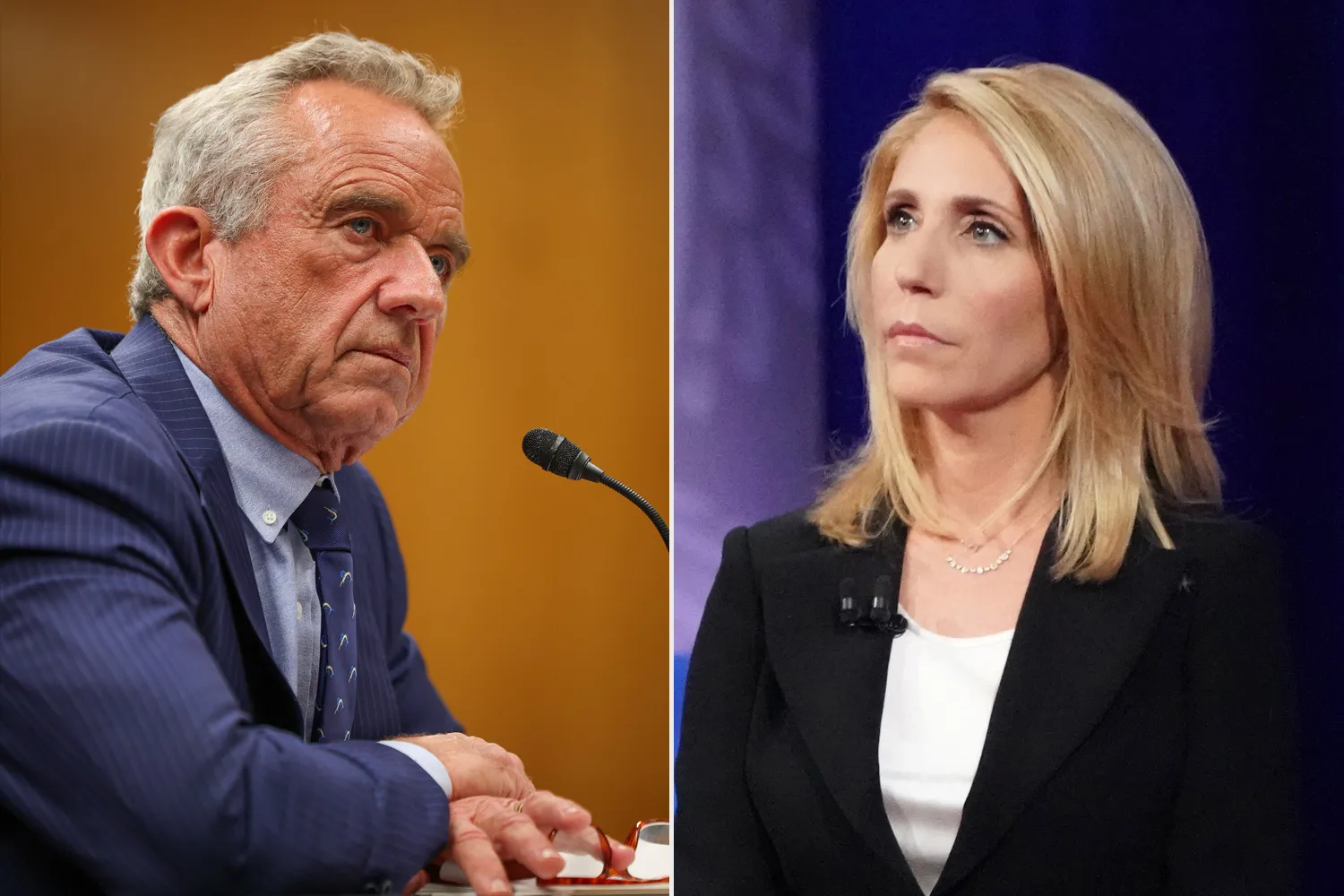
“You Were Part of the Problem”
As the conversation became increasingly difficult to control, Bash said she wanted to move to another subject.
Kennedy immediately challenged her.
He suggested she wanted to end that portion of the conversation because she had been part of the problem during the COVID-19 era.
Bash firmly denied the accusation.
Kennedy then alleged that the press had committed serious malpractice during the pandemic. The remark shifted the interview from a debate over government policy into a direct confrontation over CNN’s reporting and Bash’s role as a journalist.
Bash asked whether Kennedy intended to keep attacking her or engage in a discussion about public health.
Kennedy replied that she was the one attacking him.
She pushed back, saying she was asking questions about preventing another pandemic and did not want the interview to become a platform for statements she believed were not completely accurate.
From there, the exchange became more chaotic.
Both raised their voices and frequently interrupted one another. Instead of addressing one subject and moving on, they repeatedly returned to arguments about credibility, responsibility and the information presented during the pandemic.
Kennedy Accuses CNN of Frightening the Public
Kennedy accused Bash of making claims she could not support and then portraying his responses as argumentative.
Bash attempted to calm the discussion by describing the COVID-19 pandemic as a frightening period for the country.
Kennedy seized on the word.
He told her that she and CNN had frightened people.
When Bash questioned the accusation, Kennedy said creating fear had been the network’s role.
That prompted one of her strongest responses of the interview.
Bash told him to stop and defended CNN’s coverage, explaining that journalists had been listening to national leaders—including President Trump—who held regular briefings about the developing emergency.
The disagreement reflected the larger divide running through the entire conversation.
Kennedy portrayed major public health institutions and news organizations as having misled Americans. Bash treated his accusations and health claims as matters requiring aggressive challenge, particularly because he now leads the federal department responsible for public health.
Neither accepted the other’s interpretation.
Measles Debate Brings Vaccines to the Center
After the prolonged fight over COVID-19, Bash shifted to measles.
Citing medical data, she discussed historically high case numbers among unvaccinated people. She then confronted Kennedy over his long record of questioning vaccines, describing him as perhaps the world’s most famous vaccine skeptic.
Bash asked whether he accepted any responsibility for the measles outbreak.
Kennedy answered, “Absolutely not.”
He argued that measles cases were not limited to the United States and again brought Fauci into the discussion.
The subject carried particular significance because Kennedy’s current position places him in charge of an agency that oversees major components of the nation’s disease-prevention and vaccination programs.
Bash’s frustration appeared to grow as she challenged him over the possible effect of his public comments on vaccine confidence.
She argued that statements encouraging vaccine hesitancy could create consequences for real people.
Kennedy rejected her interpretation and accused her of simply repeating information supplied by others.
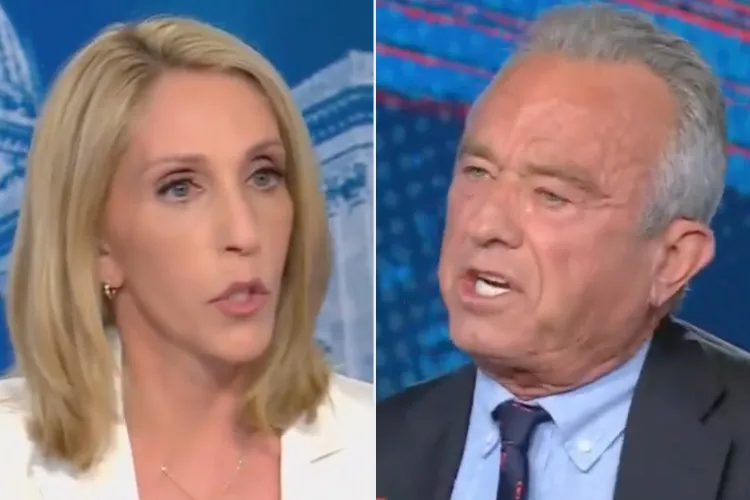
Autism and Tylenol Claims Add More Tension
The interview also moved into Kennedy’s claims about autism.
He repeated his position linking Tylenol use with autism, a subject that has drawn extensive debate and research. The discussion added another layer to an interview already burdened by disagreements over vaccines and scientific authority.
Near the end of the exchange, Kennedy told Bash that she appeared flustered.
She corrected him.
Bash said she was not flustered but frustrated.
She explained that her frustration came from interviewing the secretary of health and human services while hearing statements she believed could increase vaccine hesitancy and harm the public.
Kennedy responded by comparing her to a parrot.
He accused her of repeating what she had been told and relying on instructions to trust experts rather than independently examining the issues.
The remark again turned a policy discussion into a personal criticism of Bash’s journalism.
An Interview Without Common Ground
The two never found a shared foundation from which to continue the debate.
Bash approached the discussion by referring to medical data, expert conclusions and Kennedy’s responsibilities as a federal official.
Kennedy repeatedly challenged the authorities behind those conclusions, questioned the media’s conduct and argued that Bash was presenting unsupported assertions.
Their disagreement was therefore larger than any single question.
They were arguing over who had the right to define reliable information.
For Bash, Kennedy’s position made it essential to challenge claims that she believed had been disproven or could undermine public health.
For Kennedy, those challenges appeared to represent the same institutional thinking he has spent years opposing.
That fundamental conflict prevented the conversation from settling into a traditional question-and-answer format.
CNN Defends Bash’s Interview
As the segment approached its end, Bash acknowledged that the discussion had become highly contentious.
She said her job was to put the best available information before viewers and expressed concern when Kennedy presented claims she considered disproven.
She then thanked him for appearing on the program.
CNN later issued a statement supporting Bash.
A network spokesperson described her as an experienced journalist who conducted a substantive and newsworthy interview with a powerful government official. CNN also highlighted that Kennedy addressed measles vaccination and the administration’s interest in further research involving autism and vaccines.
The network said asking difficult questions of people in power was a central responsibility of journalism and declared its support for Bash, her reporting and CNN’s coverage of the COVID-19 pandemic.
Kennedy’s representative did not immediately provide a response.
Twenty Minutes That Exposed a Larger Divide
The interview ended without resolving the disputes that had driven it.
Kennedy did not accept responsibility for increasing vaccine skepticism or for the measles outbreak. Bash did not accept his attacks on the press or allow disputed health claims to pass without challenge.
Instead, the two spent much of the segment questioning each other’s credibility.
The result was more than a heated television moment.
It revealed the profound distrust surrounding public health in the United States—distrust involving federal agencies, scientists, vaccines, political leaders and the news organizations responsible for questioning them.
Kennedy entered the interview as the nation’s health secretary, but also as a longtime critic of many institutions he now oversees.
Bash entered as a journalist seeking direct answers, but soon found herself defending her own work and that of her network.
For 20 minutes, public policy and personal accusation became nearly impossible to separate.
By the time Bash ended the interview, neither side had persuaded the other.
What remained was a vivid demonstration of how difficult any national conversation about health has become when the people involved cannot even agree on whom the public should trust.