The 10 Best Johnny Depp Movies, Ranked — From Edward Scissorhands to the Pirate Who Changed His Career Forever
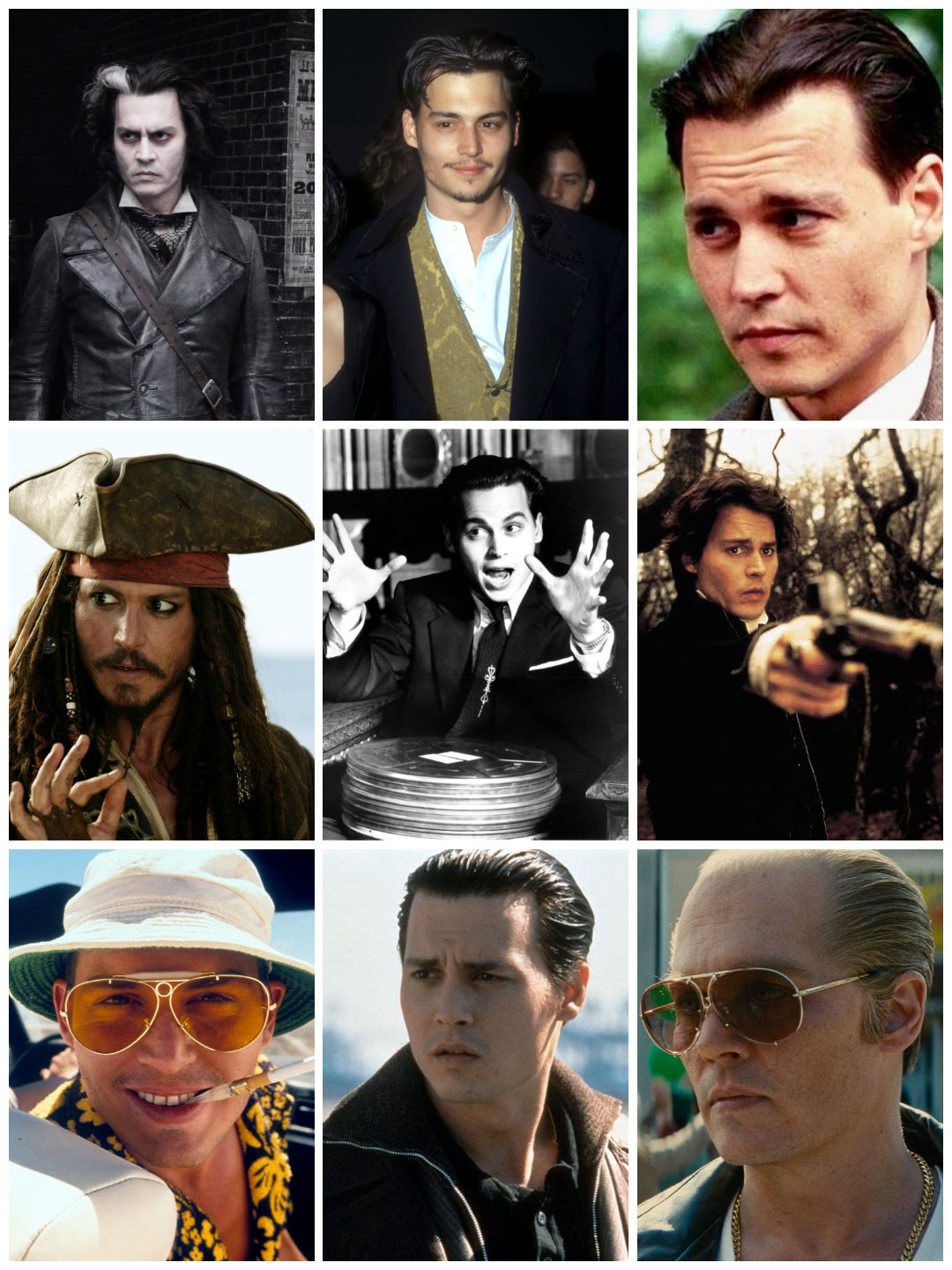
Johnny Depp has built one of Hollywood’s strangest and most recognizable filmographies.
Long before Captain Jack Sparrow turned him into a worldwide blockbuster star, Depp was already choosing roles that seemed designed to avoid conventional leading-man territory. He played artificial outsiders, eccentric filmmakers, undercover agents, nervous detectives, drug-fueled journalists and men who seemed permanently caught somewhere between comedy and tragedy.
His long collaboration with Tim Burton became especially important, producing films including Edward Scissorhands, Ed Wood, Sleepy Hollow and Sweeney Todd. Later, Pirates of the Caribbean transformed Depp from an unconventional star into the face of a multibillion-dollar adventure franchise.
Ranking his best movies therefore requires more than simply looking at box-office numbers. The strongest entries combine the quality of the film, Depp’s performance, cultural impact and how well the role has endured.
Here are the 10 Johnny Depp movies that stand above the rest.
10. Black Mass (2015)
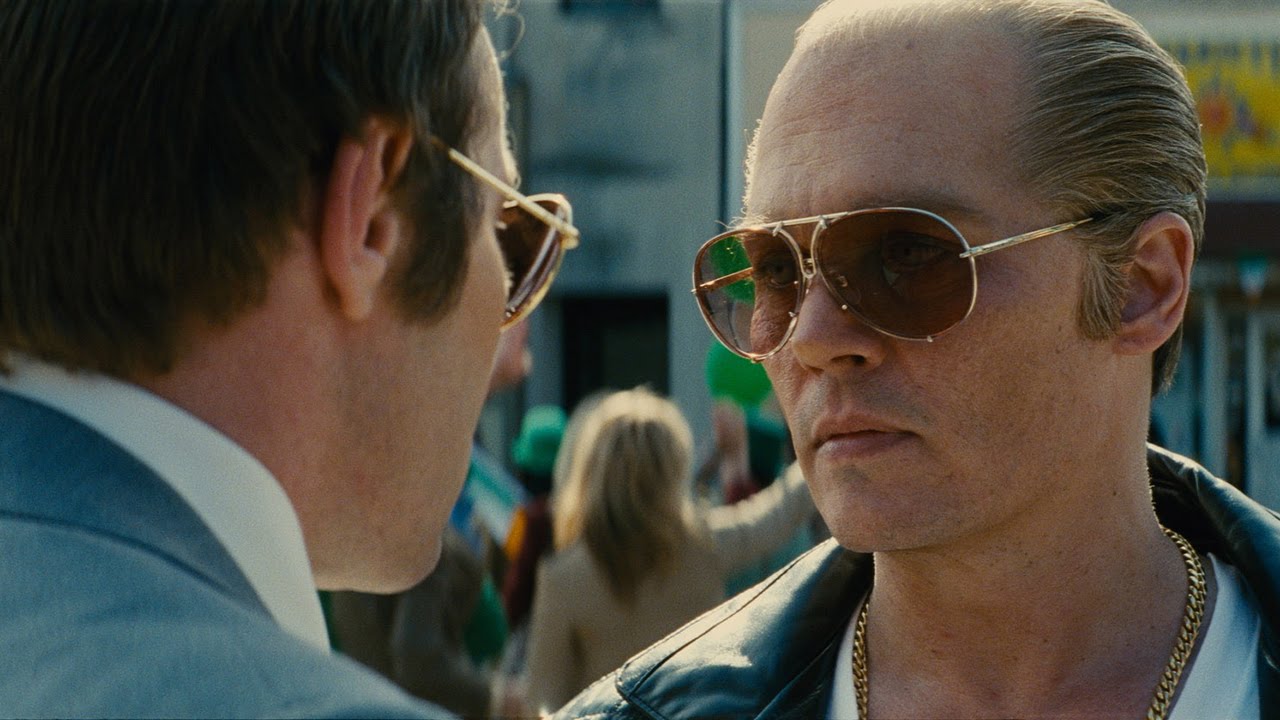
After years in which audiences increasingly associated Depp with elaborate costumes and eccentric fantasy characters, Black Mass reminded viewers how unsettling he could be in a relatively grounded dramatic role.
Depp plays Boston crime boss James “Whitey” Bulger, portraying him with pale blue eyes, thinning hair and a cold stillness that makes even ordinary conversations threatening.
The performance was widely treated as a major return to serious dramatic territory, with critics particularly focusing on Depp’s transformation into Bulger.
The movie itself may not be his most beloved, but the performance matters because Depp largely suppresses the playful qualities that define many of his famous characters.
There is very little Jack Sparrow or Willy Wonka here.
The result is one of his most intimidating performances.
9. Sleepy Hollow (1999)
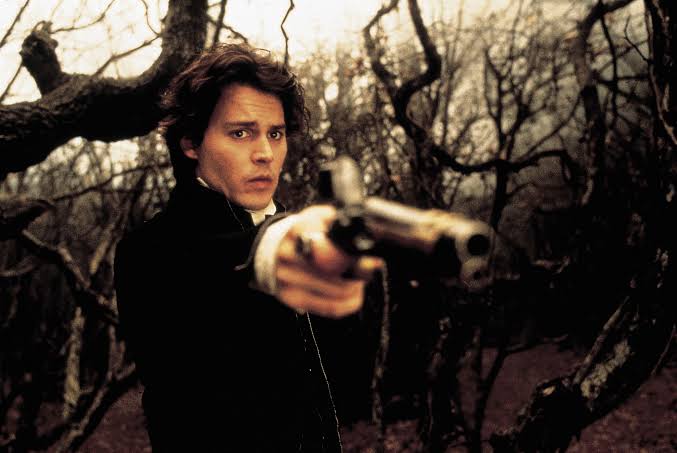
Tim Burton’s Sleepy Hollow turns Washington Irving’s famous tale into a lavish gothic murder mystery.
Depp plays Ichabod Crane as a nervous, scientifically minded investigator sent to examine a series of gruesome deaths supposedly committed by a headless horseman.
Rather than making Crane a traditional fearless hero, Depp emphasizes his discomfort. He is intelligent but squeamish, determined but frequently terrified.
That contradiction fits Burton’s world perfectly.
The fog-covered forests, elaborate production design and supernatural mystery make Sleepy Hollow one of the most visually distinctive movies in the Depp-Burton partnership, while Depp provides just enough humor to prevent the atmosphere from becoming oppressively dark. The film remains one of the notable titles from their long collaboration.
8. Fear and Loathing in Las Vegas (1998)
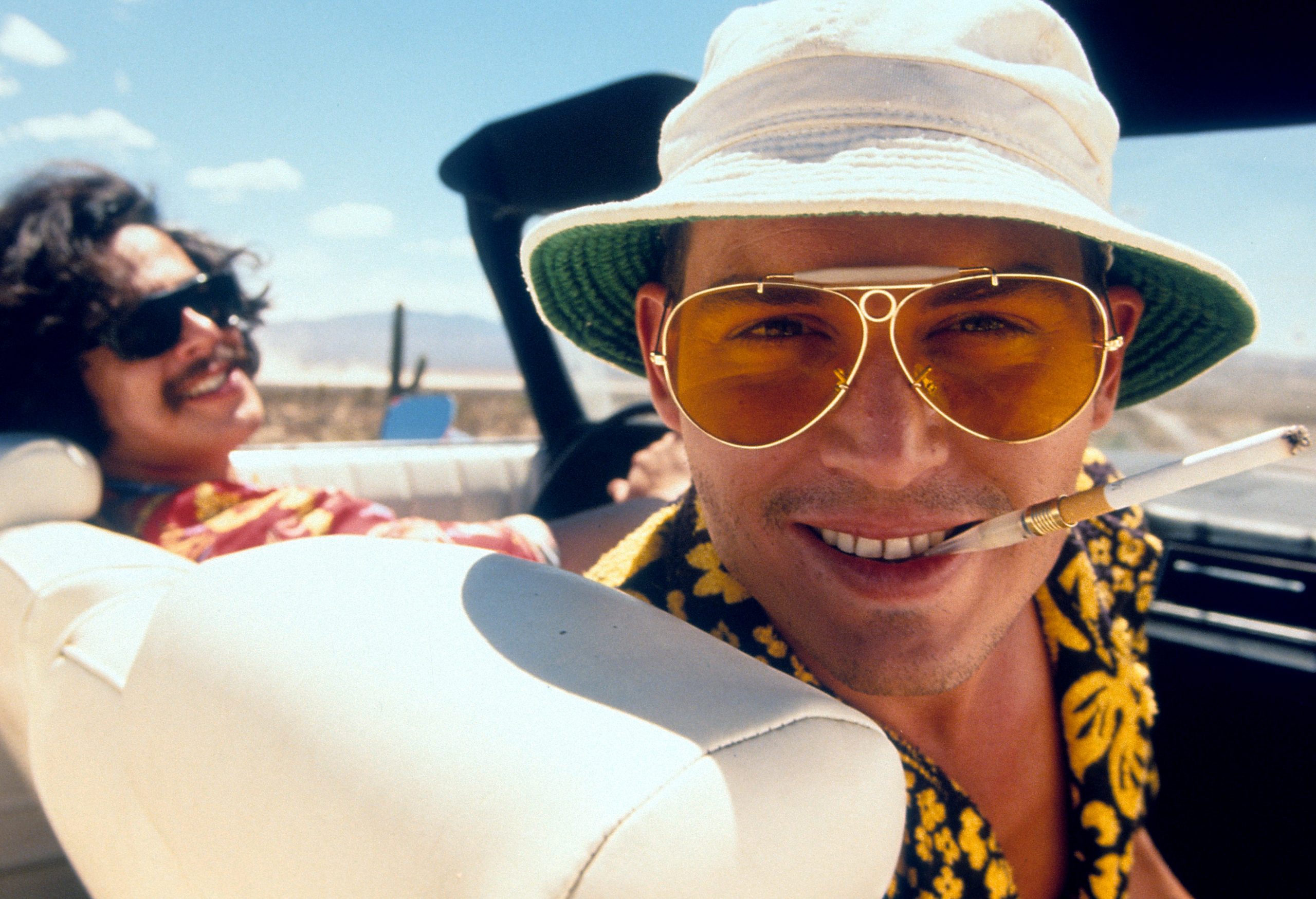
Few Johnny Depp performances are as committed—or as bizarre—as his portrayal of journalist Raoul Duke in Terry Gilliam’s Fear and Loathing in Las Vegas.
Adapted from Hunter S. Thompson’s work, the film follows Duke and attorney Dr. Gonzo through an increasingly hallucinatory trip to Las Vegas.
Depp disappears beneath tinted glasses, strange body language and rapid-fire speech.
The movie divided audiences when it arrived, but it became a major cult title and remains one of the films most closely connected with Depp’s reputation for embracing unconventional characters. Criterion has cited Fear and Loathing in Las Vegas among the notable projects that helped define his career outside mainstream Hollywood.
It is messy, exhausting and intentionally excessive.
That is also why nobody else in Depp’s filmography feels quite like Raoul Duke.
7. Finding Neverland (2004)
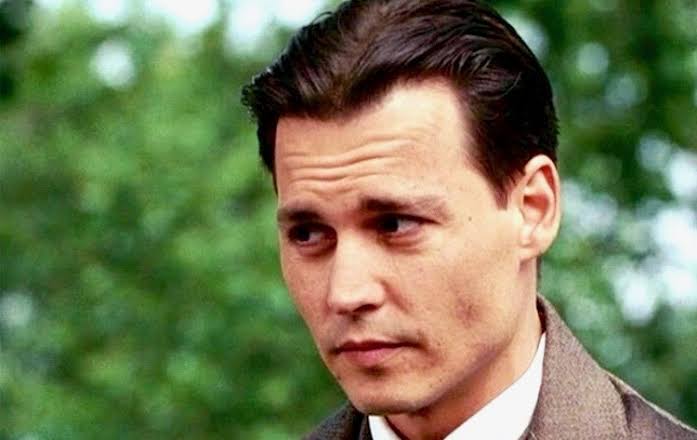
Depp earned his second Academy Award nomination for portraying playwright J.M. Barrie in Finding Neverland.
The film explores Barrie’s relationship with Sylvia Llewelyn Davies, played by Kate Winslet, and her children during the period that inspires the creation of Peter Pan.
Compared with Depp’s more flamboyant performances, his work here is unusually gentle.
There is no elaborate transformation demanding attention. Instead, he relies on restraint and warmth.
That quieter approach gives the movie much of its emotional power.
Finding Neverland demonstrated that Depp did not need heavy makeup, supernatural settings or eccentric mannerisms to build a memorable character.
Sometimes stillness worked just as well.
6. Donnie Brasco (1997)
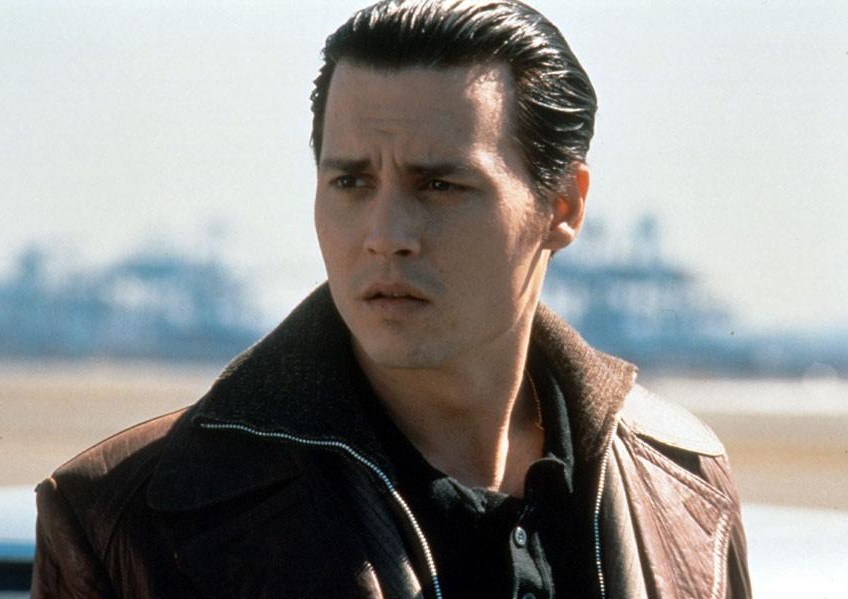
In Donnie Brasco, Depp plays FBI agent Joseph Pistone, who infiltrates the Mafia using the identity Donnie Brasco.
What begins as professional deception becomes increasingly personal as Donnie develops a relationship with aging mobster Lefty Ruggiero, played by Al Pacino.
The movie’s tension does not come primarily from action.
It comes from loyalty.
The deeper Pistone enters the criminal world, the more dangerous his assignment becomes—and the more emotionally complicated his relationship with Lefty grows.
Depp’s restrained performance is essential because he must constantly suggest two identities existing at once: the agent who knows the mission must continue and the man becoming emotionally connected to someone he is helping betray.
Among Depp’s crime films, Donnie Brasco remains one of his strongest and most mature performances.
5. Sweeney Todd: The Demon Barber of Fleet Street (2007)
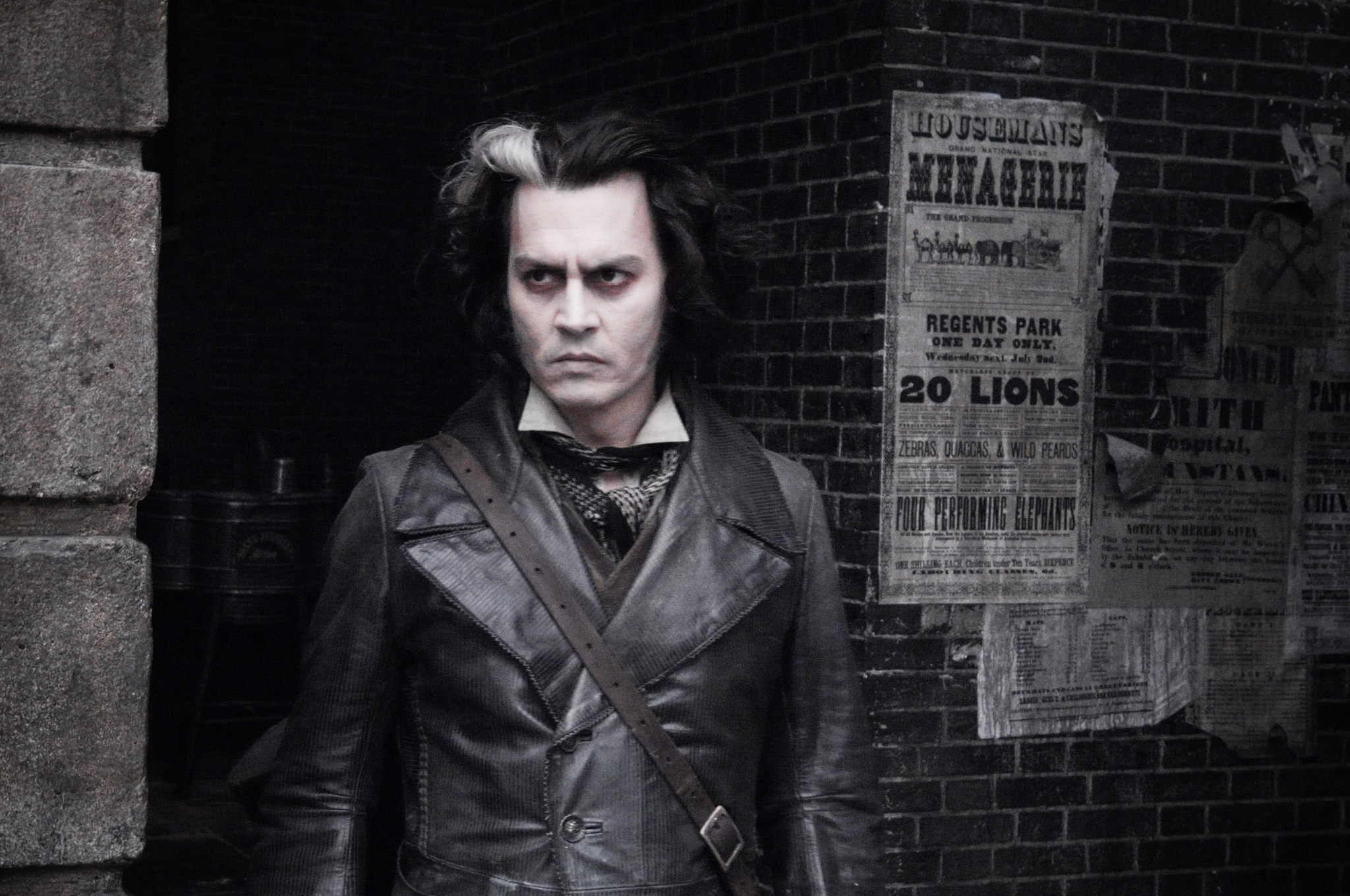
Tim Burton gave Depp perhaps his darkest leading role in Sweeney Todd.
Depp plays Benjamin Barker, a barber who returns to London under a new identity after his life has been destroyed. His obsession with revenge gradually transforms his barber shop into the center of a macabre partnership with Mrs. Lovett, played by Helena Bonham Carter.
Warner Bros. identifies Depp as the title character in Burton’s 2007 adaptation.
The film demanded something audiences had rarely seen from him at this scale: sustained singing.
Depp’s performance earned him the Golden Globe for Best Actor in a Motion Picture – Musical or Comedy and another Academy Award nomination for Best Actor.
Sweeney is theatrical without becoming cartoonish, wounded without becoming sympathetic enough to excuse what he does.
It remains one of Depp’s most ambitious transformations.
4. Ed Wood (1994)
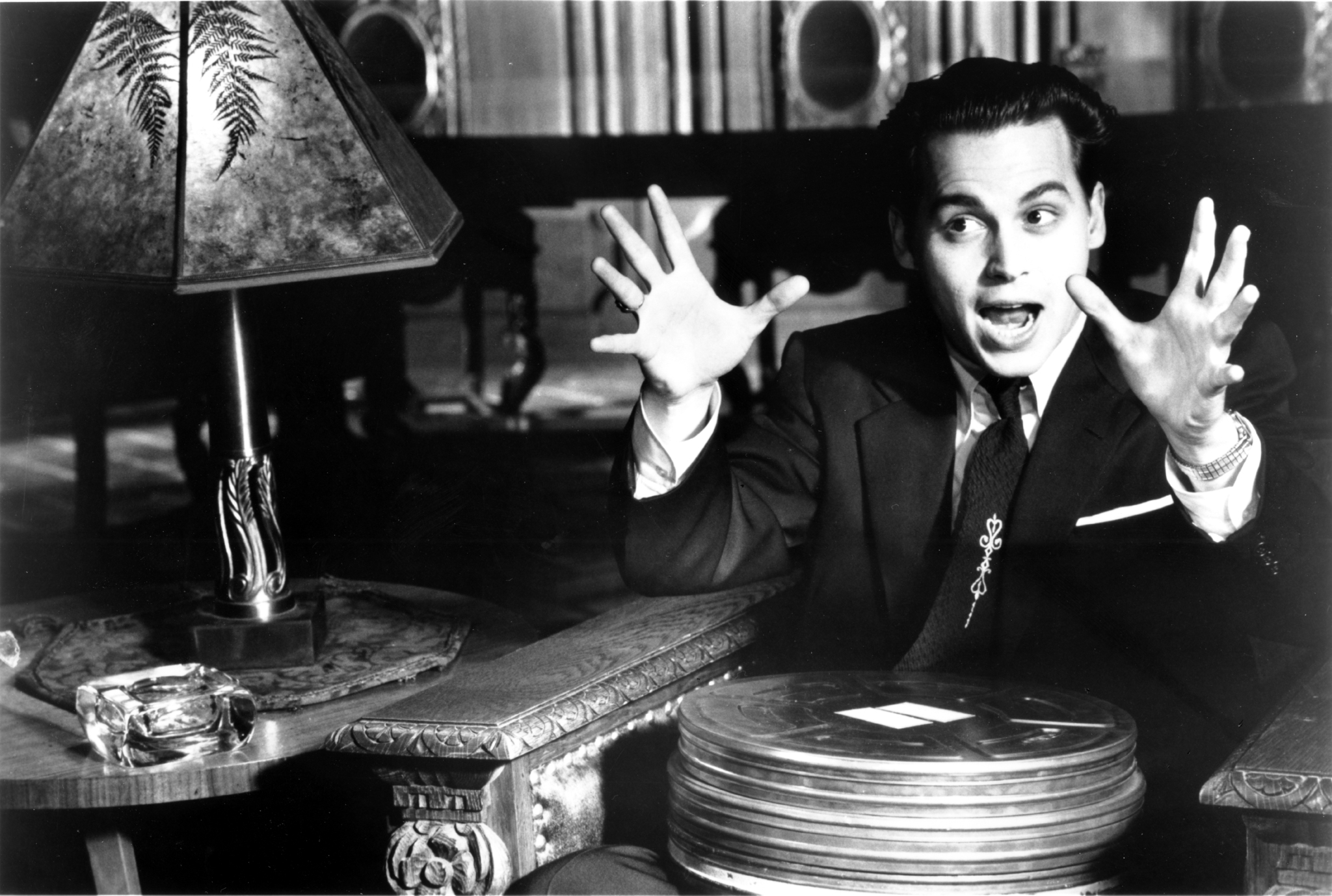
If Captain Jack Sparrow is Depp’s most famous creation, Ed Wood may be one of his most affectionate.
Directed by Tim Burton, the film follows real-life filmmaker Edward D. Wood Jr., remembered for making movies with enormous enthusiasm despite extremely limited resources and questionable results.
Depp does not play Wood as a joke.
That is the secret.
His Ed is relentlessly optimistic, convinced that every setback can somehow be turned into another opportunity to make a movie.
The performance earned Depp a Golden Globe nomination and became one of the defining early collaborations between Depp and Burton.
The film is funny, but there is also something deeply moving about watching a man continue creating because filmmaking matters to him even when almost nobody else believes in what he is doing.
3. Pirates of the Caribbean: Dead Man’s Chest (2006)
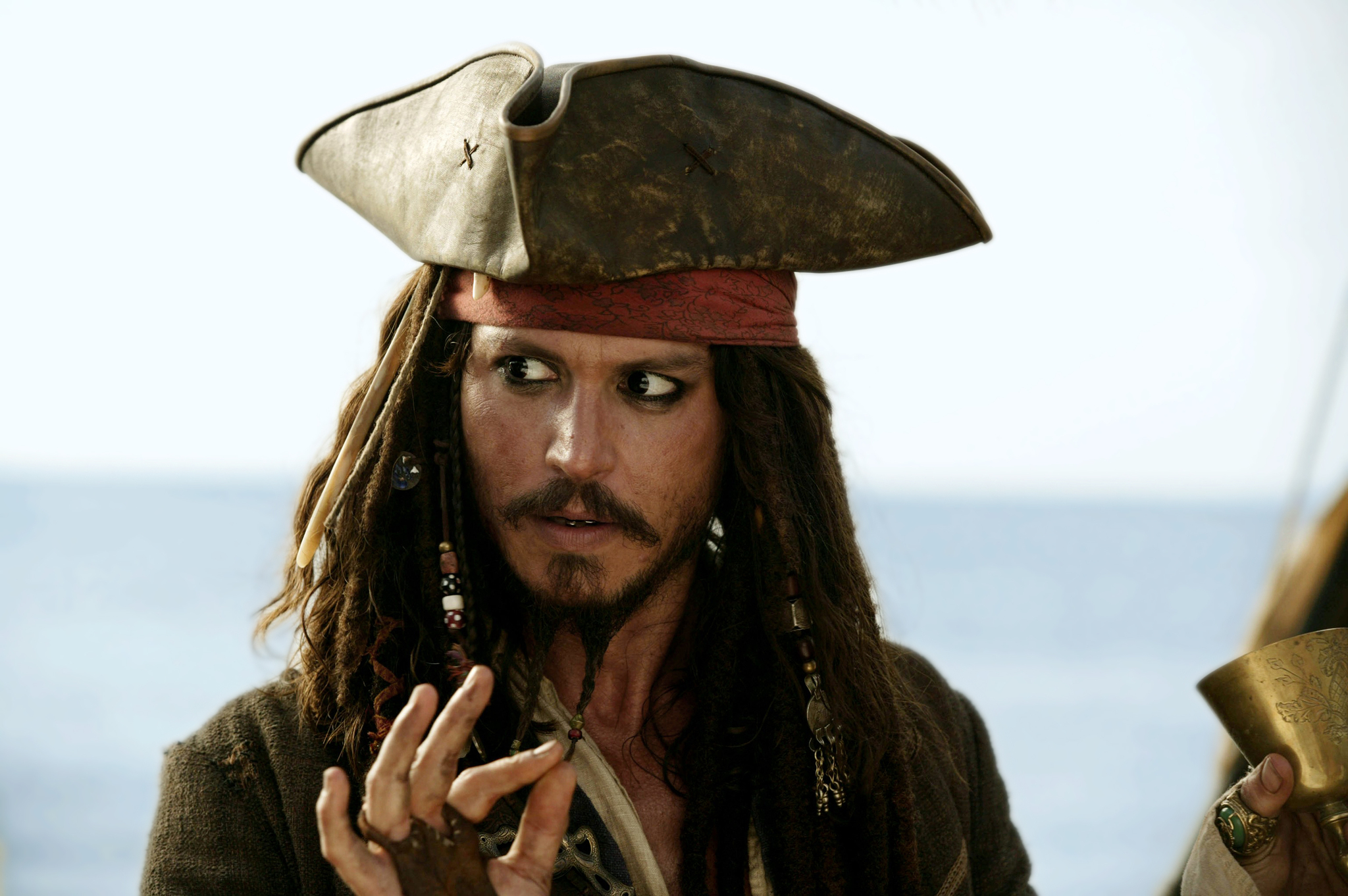
The first Pirates movie introduced Captain Jack Sparrow.
Dead Man’s Chest proved he could carry an enormous franchise.
Released in 2006, the sequel sends Jack scrambling to escape a debt owed to Davy Jones, captain of the Flying Dutchman. Disney’s official material places Depp’s Jack at the center of the supernatural adventure alongside Davy Jones, Will Turner and Elizabeth Swann.
Depp was now completely comfortable with the character.
Jack staggers through danger appearing barely in control, yet there is almost always calculation behind the confusion. He survives through negotiation, betrayal, improvisation and astonishing luck.
The movie expanded the mythology dramatically and gave the franchise one of its most memorable villains in Davy Jones.
It also reinforced just how thoroughly Jack Sparrow had become a pop-culture phenomenon.
2. Edward Scissorhands (1990)
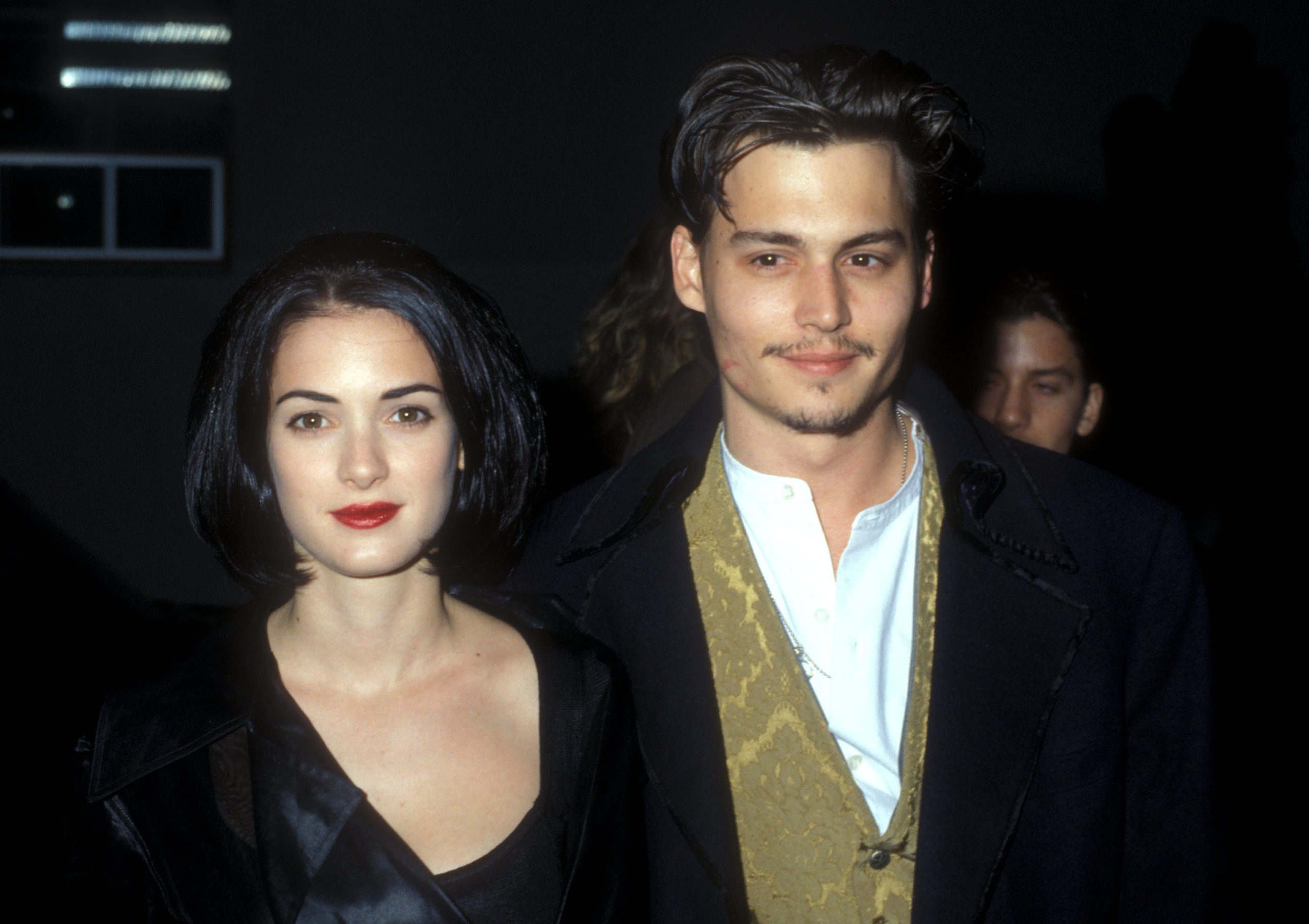
Before Depp became Captain Jack Sparrow, there was Edward.
Tim Burton’s Edward Scissorhands gave the young actor one of the defining roles of his career: an artificial man created with blades instead of hands who is brought into a brightly colored suburban community.
The character speaks relatively little.
Depp therefore builds Edward through posture, facial expressions and the constant awareness that his hands can hurt the people he wants to touch.
The contrast is what makes the movie endure.
Edward looks frightening but is gentle.
The seemingly perfect suburban neighborhood looks welcoming but gradually becomes cruel.
Depp’s sensitive performance helped begin his long creative partnership with Burton and remains one of the roles most closely associated with his early career.
More than three decades later, Edward still feels less like an eccentric Depp character than a genuine movie fairy-tale figure.
1. Pirates of the Caribbean: The Curse of the Black Pearl (2003)
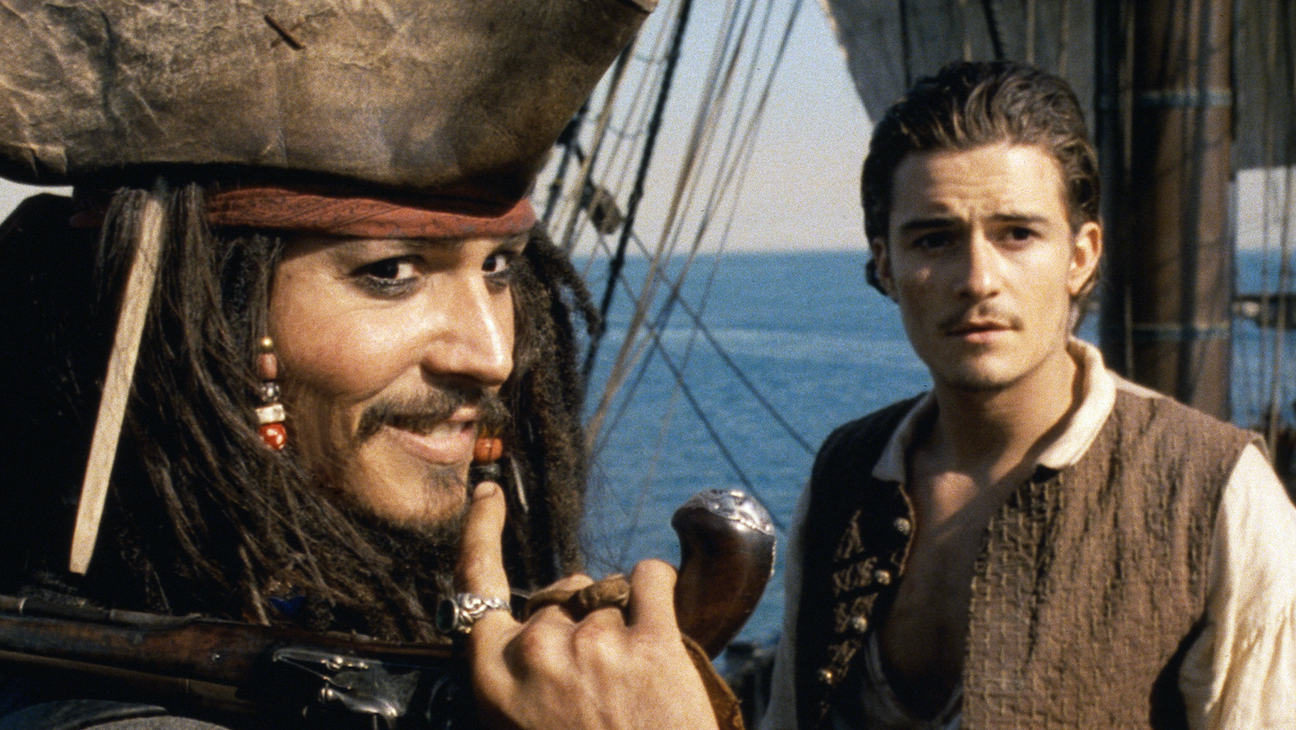
Johnny Depp had already been famous for years.
Then Captain Jack Sparrow arrived.
Released on July 9, 2003, The Curse of the Black Pearl follows Jack as he joins Will Turner in a race involving Elizabeth Swann, Captain Barbossa and a cursed pirate crew aboard the Black Pearl.
On paper, Jack could have been a conventional swashbuckling hero.
Depp made him something entirely different.
He walks as though the deck is always moving beneath him. His hands rarely stop. His speech drifts unpredictably between brilliant manipulation and apparent nonsense.
Most importantly, Jack is not really the straightforward hero of the story.
Disney itself describes him as an irreverent trickster of dubious morality—a pirate driven by self-interest who still struggles against his better instincts.
That unpredictability made him fascinating.
The performance earned Depp his first Academy Award nomination for Best Actor and a Screen Actors Guild Award for his leading performance.
It also changed his career permanently.
Depp reprised Jack Sparrow in four additional Pirates of the Caribbean films, turning the character into the role most strongly identified with him worldwide.
But the original remains special because audiences were seeing the character without knowing what to expect.
Every strange movement felt new.
Every scheme made Jack harder to understand.
And every narrow escape reinforced the idea that beneath the drunken appearance was someone much more calculating than he seemed.
Edward Scissorhands may be Depp’s most tender character. Ed Wood may represent his eccentric dramatic instincts at their best. Sweeney Todd demonstrated his willingness to take enormous creative risks.
But The Curse of the Black Pearl brought everything together.
Comedy.
Physical performance.
Strangeness.
Danger.
And the ability to create a character audiences could recognize from a silhouette alone.
For Johnny Depp, Captain Jack Sparrow was not simply another successful role.
It was the performance that turned an unconventional movie star into a cinematic icon.