New York’s Most Affordable City Has Homes for as Little as $87,000 — So Why Are People Leaving?
New York’s Most Affordable City Has Homes for as Little as $87,000 — So Why Are People Leaving?
For New Yorkers struggling with soaring housing costs, the idea of buying a house for less than $100,000 may sound almost impossible.
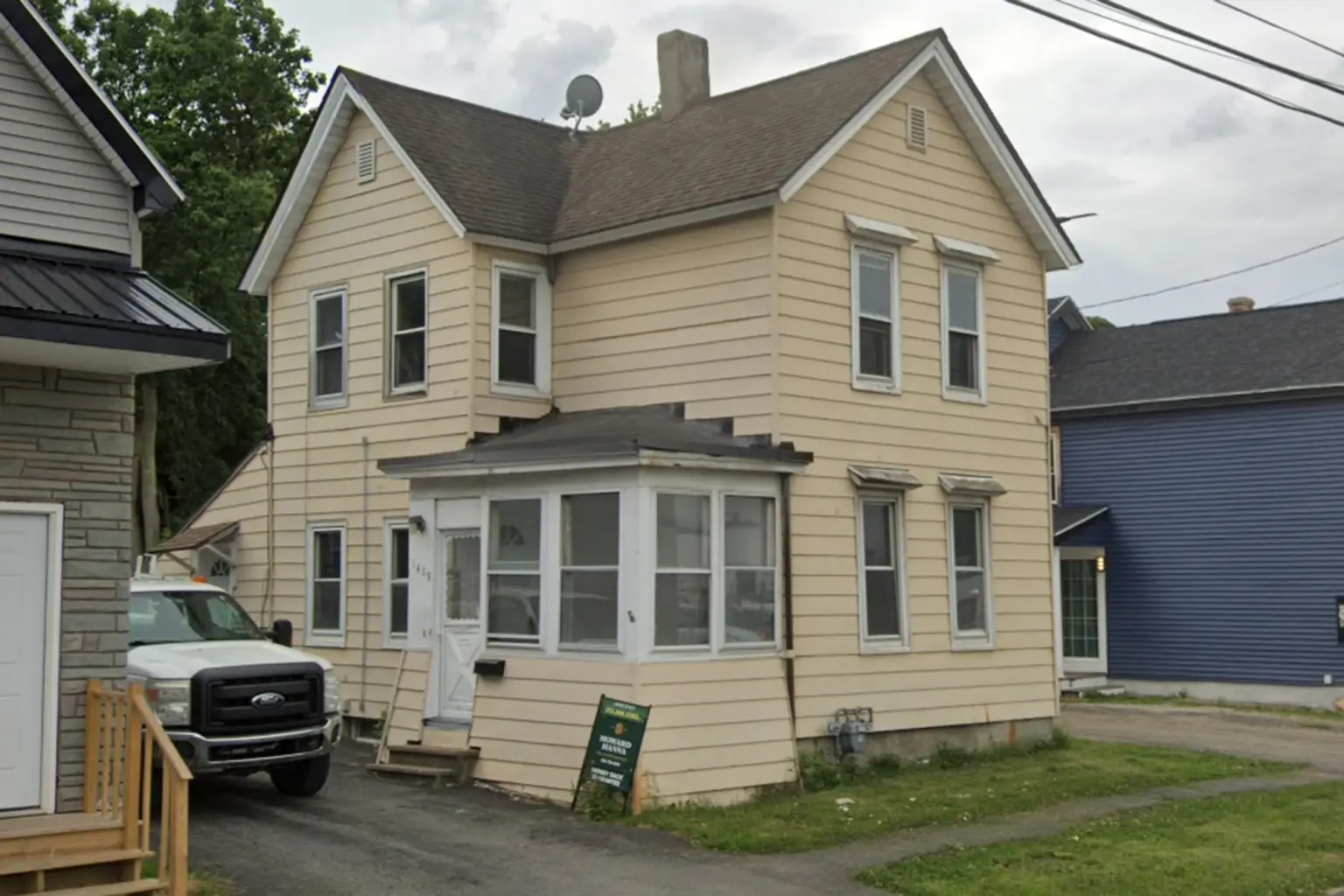
But in Utica, New York, homes can still be found for around $87,000, while rents can start at roughly $900 a month. Despite those remarkably low prices, the upstate city continues to lose residents.
Housing Prices That Stand Out
Utica has quietly become one of the cheapest places to purchase a home in New York.
Depending on the neighborhood, median home values have been reported between approximately $87,000 and $157,000. Zillow puts the city’s average home value at about $213,412, which was up nearly 9% over the previous year.
Individual properties can be even cheaper.
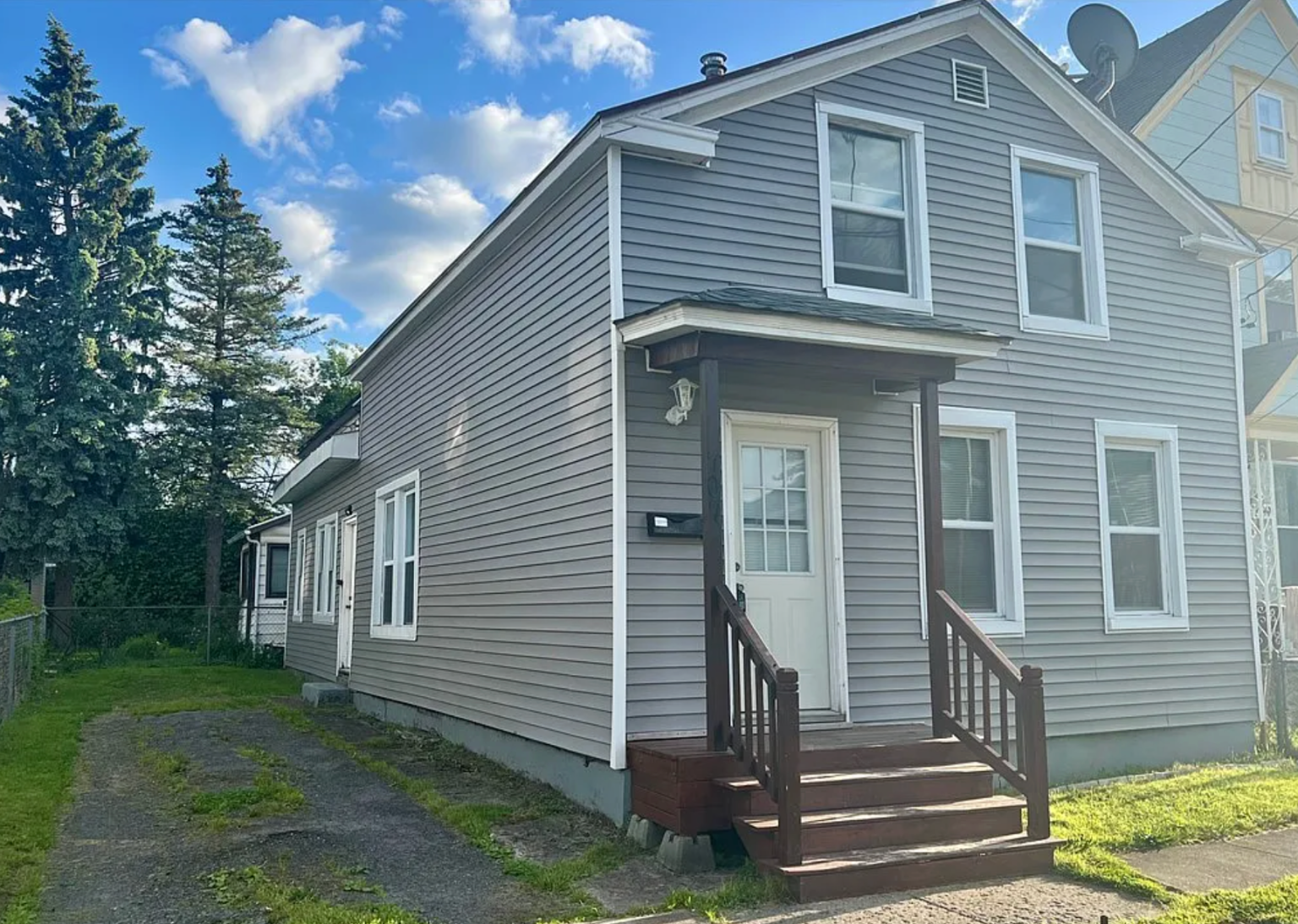
Recent listings included a five-bedroom home on Spring Street for about $89,900 and a three-bedroom property priced at roughly $99,900. A larger five-bedroom, 2,500-square-foot home was listed for approximately $299,900.
Cost of Living Far Below the State Average
Housing isn’t the only reason Utica stands out.
The city’s overall cost of living is estimated to be roughly 28% to 33% below the New York state average, while rents can begin at around $900 per month.
For someone priced out of New York City or other expensive parts of the state, the difference can be dramatic.
But low housing costs come with a much bigger economic story.
Why Aren’t More People Moving In?
Utica’s population has continued to decline despite its affordability.
The city has lost more than 4% of its population since the 2020 census, with the population currently declining by roughly 0.74% annually. A recent statewide migration analysis also placed Utica among the upstate municipalities that lost the most residents, with roughly 1,500 fewer people.
One major factor is the city’s economic history.
Utica was heavily affected by the decline of traditional manufacturing and the broader Rust Belt industrial collapse. Major employers, including General Electric and Lockheed Martin, eventually reduced or eliminated significant numbers of local jobs.
The economic consequences have continued to affect the city decades later.
Cheap Homes, Lower Incomes
Utica’s inexpensive housing is partly a reflection of the economic challenges facing residents.
Median household income is approximately $52,000, while median individual income reached only about $30,785 in 2024.
The city’s poverty rate is above 27%, significantly higher than the national rate, while unemployment has remained around 4.5% to 6%.
That creates a difficult cycle: homes are inexpensive partly because demand is weak, but demand remains weak because residents have fewer high-paying employment opportunities.
A City Caught in a Difficult Cycle
For investors, Utica’s low property prices can look attractive.
A relatively inexpensive house can potentially be purchased and converted into a rental property, especially compared with markets where acquisition costs are dramatically higher.
But attracting people who actually want to live in the city long-term is a different challenge.
As one local real estate agent described it, the price of a home isn’t necessarily the problem. The bigger question is whether buyers see enough economic opportunity and quality-of-life advantages to convince them to stay.
The New York Housing Paradox
Utica illustrates an unusual paradox in New York’s housing market.
In much of the state, especially the New York City metropolitan area, affordability is a major problem because home prices and rents have become prohibitively expensive.
In Utica, the opposite problem exists: housing is remarkably cheap, but the city struggles to attract and retain residents.
That means affordability alone does not guarantee population growth.
People need jobs, economic opportunity, services and reasons to build their lives in a community.
Could Utica Become an Opportunity?
The city’s low housing prices could eventually become an advantage if economic development brings new jobs and residents.
For buyers priced out of more expensive parts of New York, Utica offers something increasingly rare: the possibility of owning an entire house for a fraction of what a down payment might cost elsewhere.
But the city’s continuing population decline demonstrates that cheap real estate cannot solve every problem.
Utica may have some of the most affordable homes in New York. The bigger challenge is convincing people that an inexpensive house is not simply a bargain—but a place where they actually want to build their future.