Tommy John Took a 1% Chance on Surgery and Changed Baseball Forever
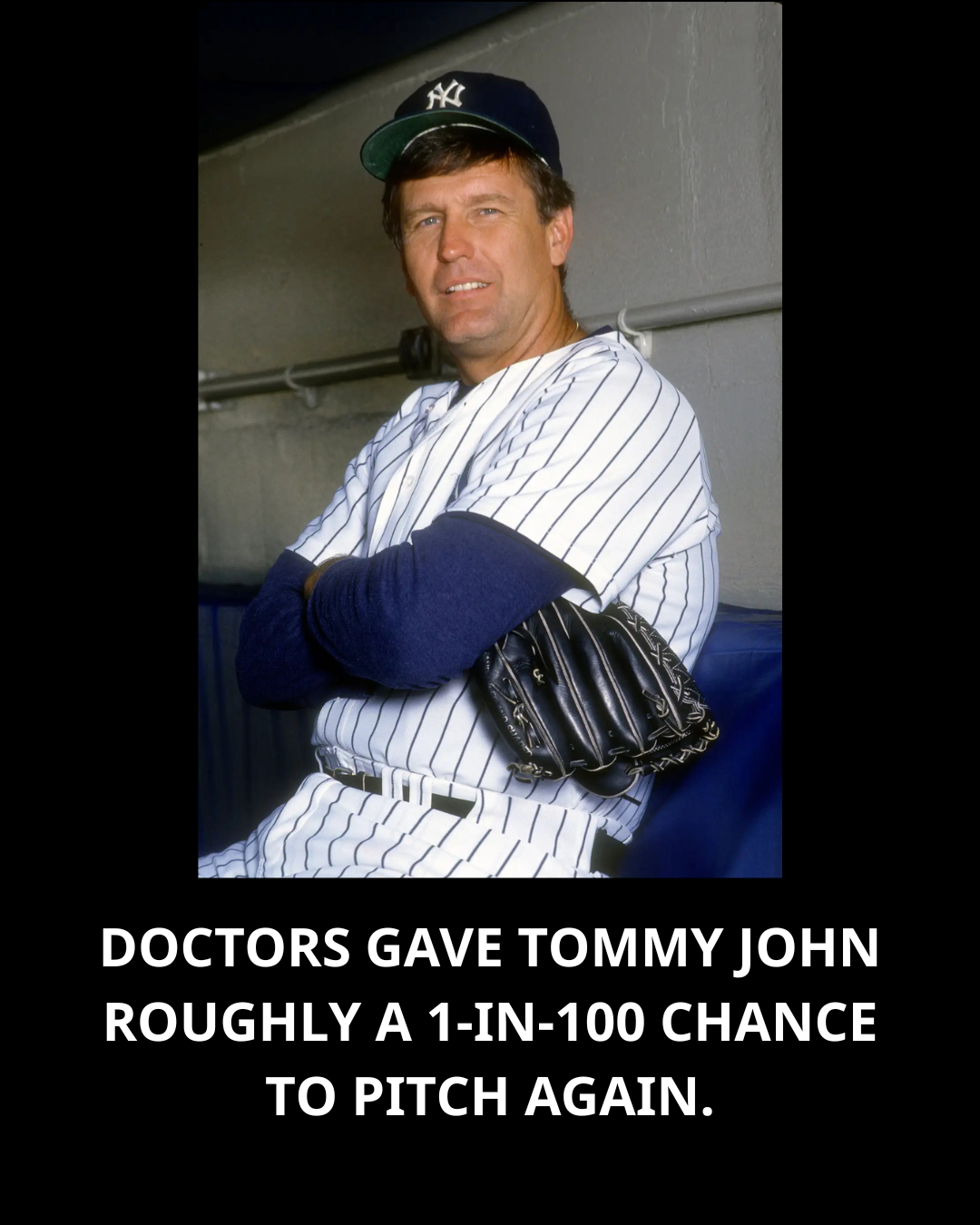
Earlier this month, Tommy John was supposed to return to Yankee Stadium for Old-Timers’ Day.
His health wouldn’t allow it. So the former pitcher sent a letter instead, thanking the organization, his old teammates and the fans who had followed him through a 26-year Major League Baseball career.
He also described the invitation in a way that carried more weight than anyone wanted it to.
It was, John wrote, an “opportunity to say goodbye to everyone.”
John died Saturday night, Aug. 15, at his home in Bradenton, Florida. He was 83. The Yankees announced his death the following day, and his wife, Cheryl, told The New York Times that the cause was bladder cancer.
For generations of baseball fans, however, John’s name has meant something beyond the pitcher himself. It became attached to an elbow operation that once seemed like a desperate experiment, one John accepted when his chances of pitching in the majors again were put at roughly 1 in 100.
One Pitch Put His Career in Doubt
John had already spent more than a decade in professional baseball by the summer of 1974.
A native of Terre Haute, Indiana, he signed with Cleveland in 1961 and reached the majors in 1963. Over the years, the left-hander would pitch for the White Sox, Dodgers, Yankees and Angels, appear in three World Series and earn four All-Star selections.
Then, during a Dodgers game in July 1974, one fastball changed his plans.
John was pitching to Montreal Expos hitter Hal Breeden when he completely tore the ulnar collateral ligament in his left elbow. At the time, that kind of injury threatened to end a pitcher’s career.
The usual path back wasn’t available to him.
Instead, Dr. Frank Jobe offered an operation that had not yet proved it could return a major league pitcher to the mound. The surgery would reconstruct the damaged ligament using a tendon taken from elsewhere in the body.
John had to decide whether to try it.
He did.
The Doctor Gave Him a 1-in-100 Chance
Jobe did not sell John false hope.
The surgeon told him that his chance of returning to Major League Baseball after the experimental procedure was about 1 in 100, according to MLB.com.
John chose the surgery anyway.
Years later, he recalled his response to Jobe in a 1978 interview with Sports Illustrated. He told the doctor he believed the operation had been done well, then placed the rest of the responsibility on himself.
“But you’re wrong. I will come back,” John recalled telling him.
He knew rehabilitation would hurt. He also knew he was willing to work.
“I know how hard I can work,” John said, adding that if recovery required “18 hours a day,” he would do it.
The odds said his career was probably finished.
John spent the entire 1975 season away from the majors.
Then he came back.
His Second Career Lasted Longer Than Many Entire Careers
Returning to the Dodgers would have been remarkable enough.
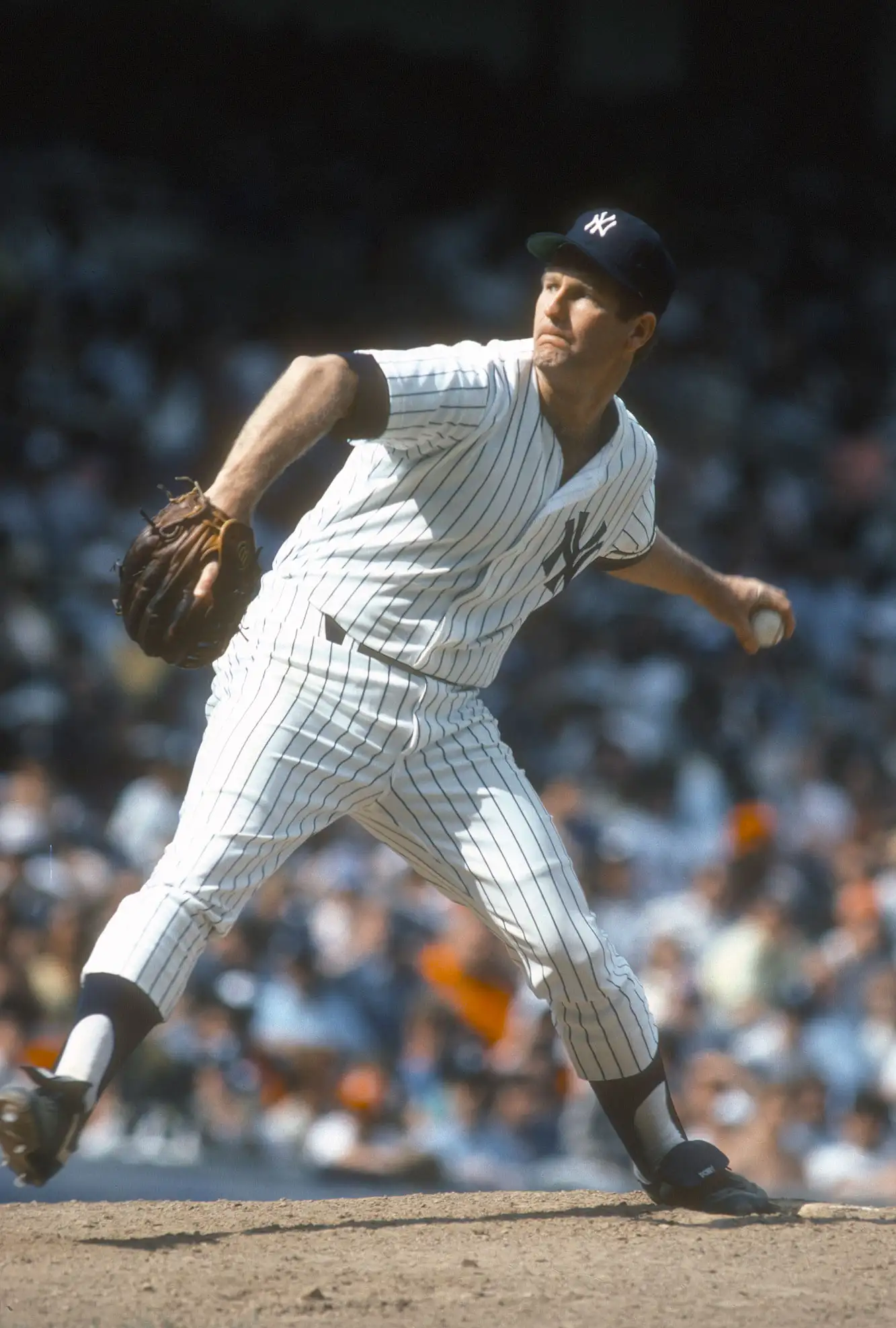
John kept pitching until 1989. Of the 700 games he started during his career, 382 came after the elbow operation that had once left him with only a 1% estimated chance of returning.
The numbers kept piling up.
Across 26 seasons, John threw 162 complete games and 46 shutouts. He became the oldest active pitcher in the league at one point and recorded consecutive 20-win seasons while playing for the Yankees.
His comeback also gave the experimental operation a new identity.
The procedure became known as “Tommy John surgery.” In it, doctors replace the damaged medial ligament in the elbow with a tendon taken from another part of the body, such as the forearm, hamstring or hip.
John even acquired another nickname: the “Bionic Man.”
The Yankees later said that what followed his operation “changed the fortunes and trajectory of countless athletes around the world.” Yet the team also noted that the fame of the surgery could sometimes obscure how good John had been as a pitcher in his own right.
That distinction mattered after his death.
The Yankees asked fans to remember “the totality of his legacy,” describing his competitiveness and ability as well as his kindness, love of conversation and place in both athletic and medical history.
Baseball Wasn’t the Only Part of His Life After Pitching
Once his playing days ended, John stayed close to the sport.
He worked in broadcasting for the Twins and Yankees during the 1990s, then served as a minor-league pitching coach in the Expos and Yankees organizations in the early 2000s. He also spent a short period managing in the independent Atlantic League.
Away from baseball, his family endured a loss that led John toward another cause.
John and his former wife, Sally Simmons, had four children: Tamara, Tommy III, Travis and Taylor. Taylor died in 2010 at age 28 after an apparent overdose, and John later created the “Let’s Do It” charitable foundation in his son’s honor. John married Cheryl in 2021.
By early August 2026, health problems kept him from making one more appearance with the Yankees.
He sent his words in his place.
“I will never forget you,” John wrote to the fans who had supported him and his teammates across those 26 seasons.
Less than two weeks later, the Yankees announced that the pitcher whose damaged elbow once seemed certain to end his career had died at home in Florida.
His name remains attached to the operation he chose when the odds of returning were 1 in 100.
John had answered those odds himself more than half a century earlier.
“I will come back.”