She Took Her Grandma Out of a Care Facility 9 Years Ago — Now Their Alzheimer’s Journey Has Reached Hundreds of Thousands
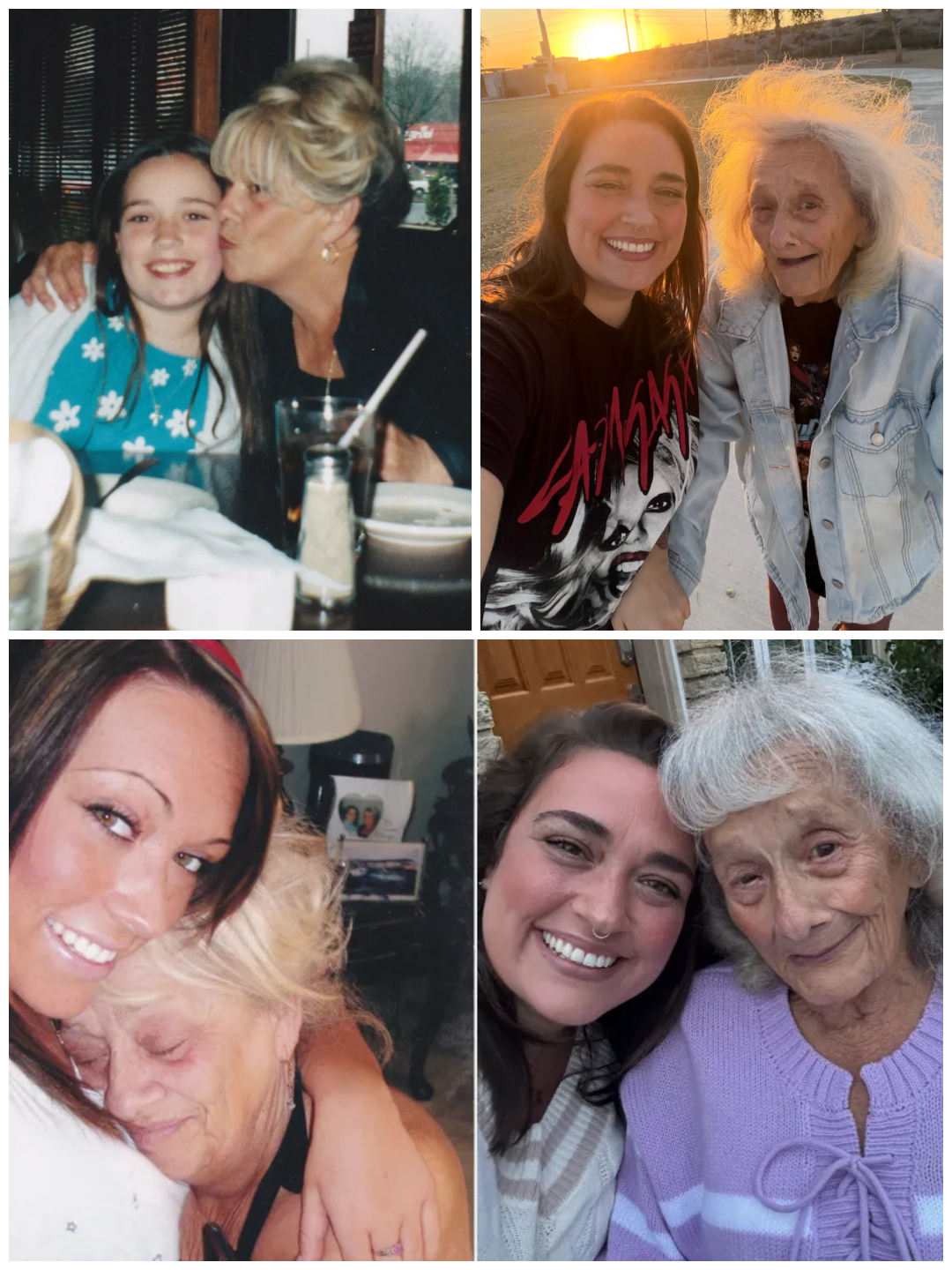
Nine years ago, Kris McCabe walked out of a care facility with a warning ringing in her ears.
The director did not expect her plan to last.
Kris, then 29, had decided to become the full-time caregiver for her grandmother Mary, who was living with Alzheimer’s disease. As she left, she remembers being told that the facility would probably see her again within a few months.
Instead of frightening her, the comment gave Kris something to prove.
Nearly a decade later, Mary is 88 and still living with the granddaughter who once seemed like the least likely person in the family to take on such an enormous responsibility. Along the way, their relationship has also grown into an online community of nearly 755,000 followers who watch the pair navigate the painful, funny and deeply human realities of dementia together.
For Kris, however, the story began long before social media.
Mary had been one of the safest and most constant people in her life.
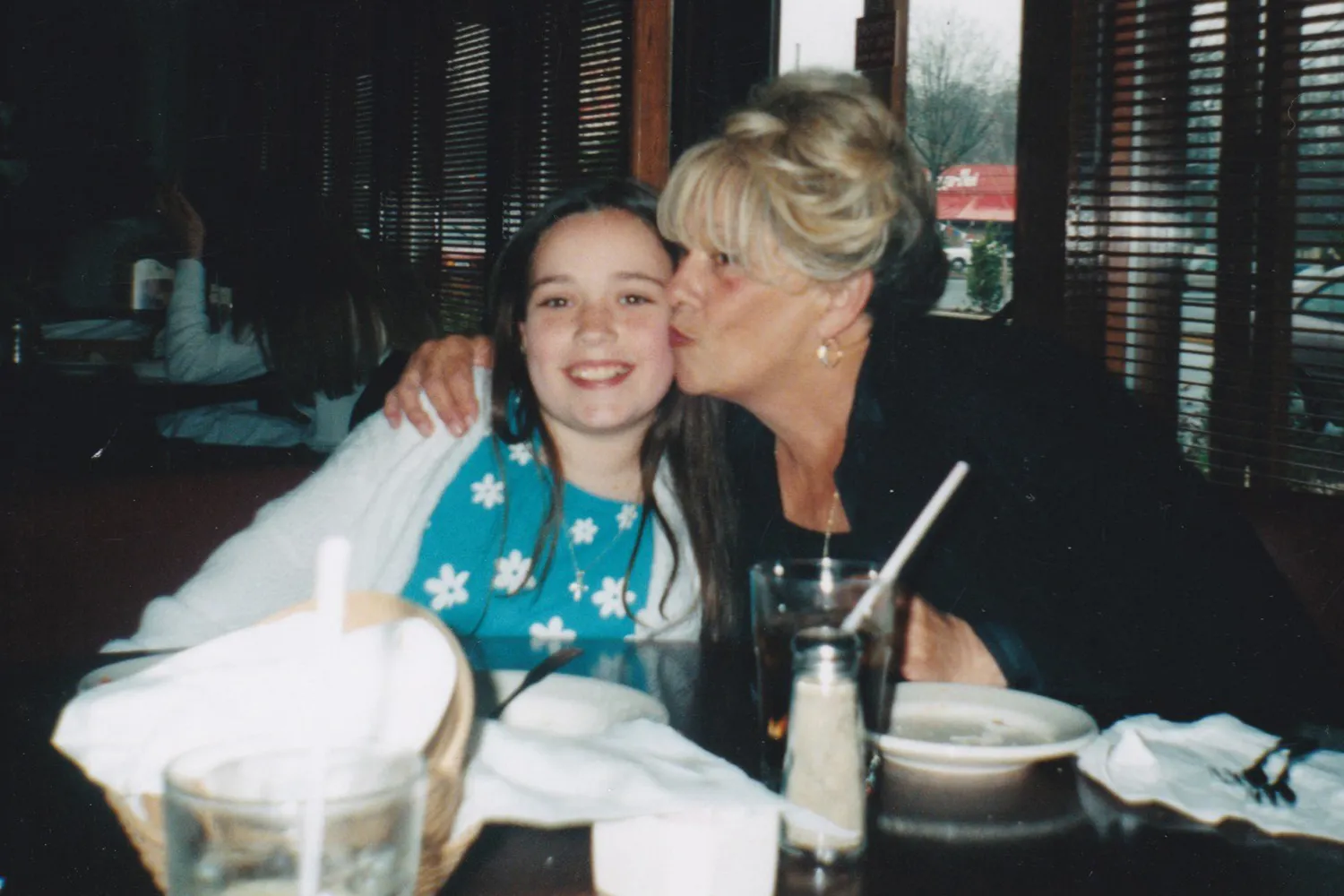
The two were so close that they shared a room until Kris was 3. Years later, when Kris’ mother and one of her sisters moved across the country, Kris lived with her grandmother during her teenage years.
After college, Mary once again became the person Kris could return to.
Kris remembers her grandmother as fiercely independent, outspoken and tough, but also extraordinarily generous. Mary was the kind of woman who would do almost anything for somebody she loved.
Eventually, those roles would reverse.
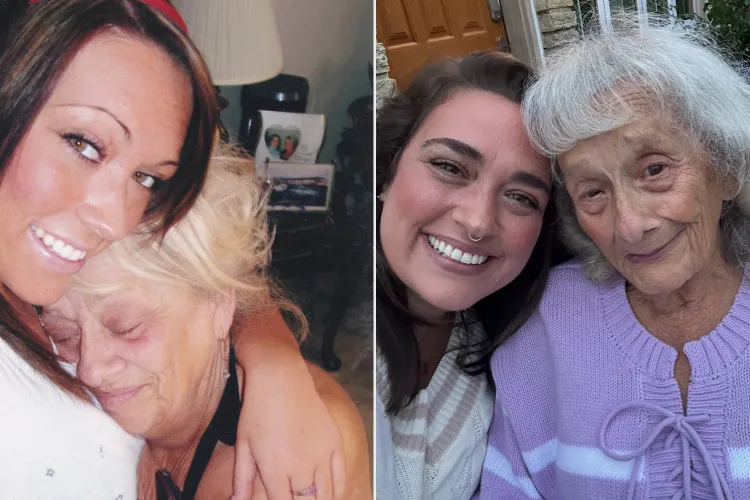
Watching Her Grandmother Lose Her Independence
In 2016, Kris was in her early 30s and working as a bartender in Chicago.
Mary had previously been living with Kris’ mother in Las Vegas after receiving diagnoses of dementia and later Alzheimer’s disease. As her condition progressed, the family ultimately placed her in a state-run care facility.
For Kris, watching the change was devastating.
Only months earlier, Mary had been driving her own car and moving through life with independence. Suddenly, so much of that freedom had disappeared.
Kris felt as though Alzheimer’s was taking more than practical abilities from the woman she loved. It seemed to be stripping away pieces of her identity as well.
Then, during dinner one evening, a friend suggested an idea Kris had not seriously considered.
Why not take care of Mary herself?
At first, it seemed unrealistic.
Kris saw herself as the youngest and least established person in the family. Becoming responsible for someone with a progressive neurological disease did not seem like the obvious next step in her life.
But when she called her mother and sister, their response changed everything.
They believed that if Mary could choose to live with anyone, she would choose Kris.
Kris decided to try.
She had spent years relying on her grandmother as a place of security. Now, she felt it was her turn to provide that same protection.
The Prediction That Motivated Her
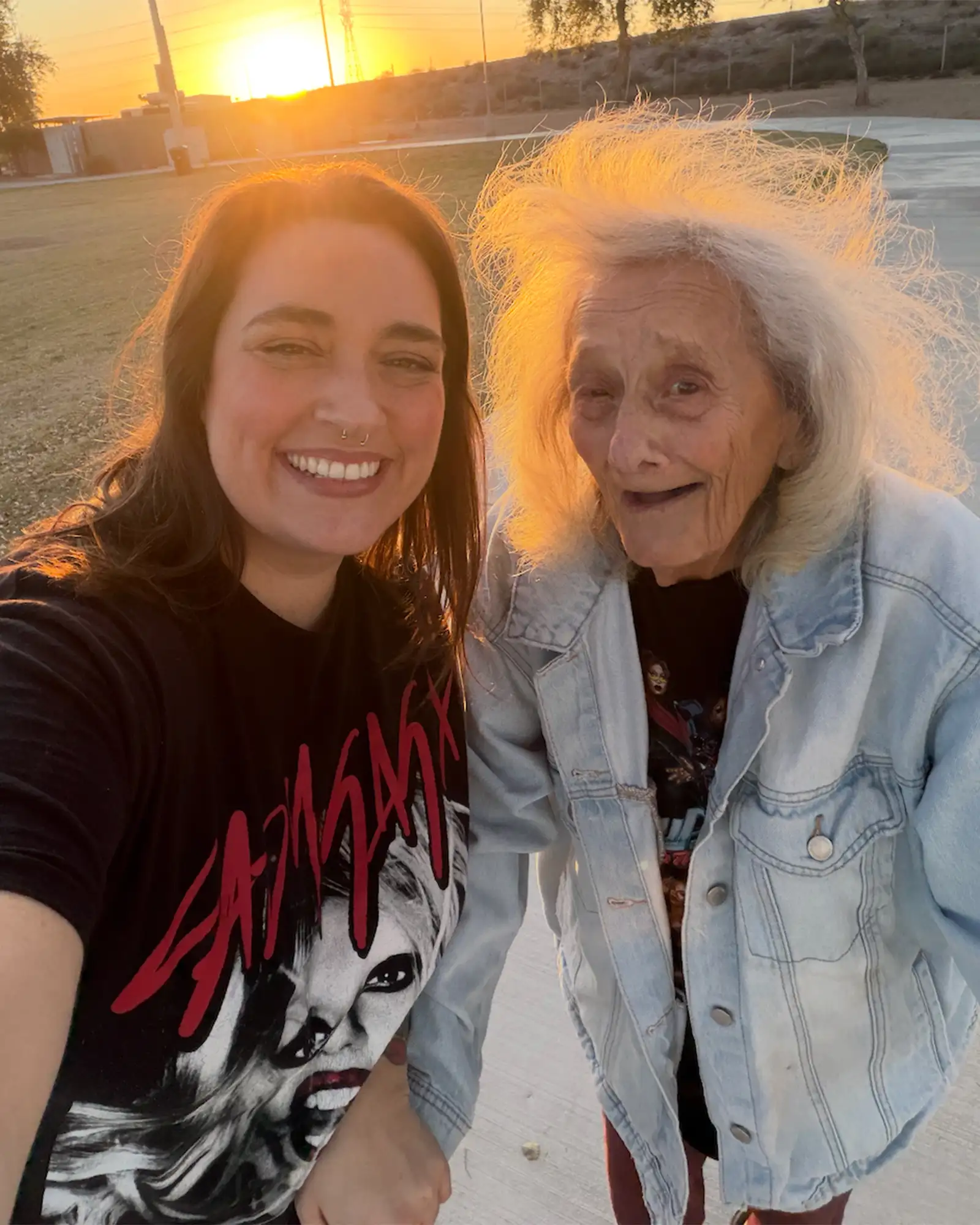
The facility did not share Kris’ confidence.
She remembers its director essentially predicting that the arrangement would fail and that Mary would probably return within a matter of months.
Kris never forgot it.
Rather than accepting someone else’s prediction about their future, she became even more determined to make their new life together work.
Nine years later, Kris remains Mary’s full-time caregiver.
But the experience was far from easy.
In the beginning, Kris felt profoundly isolated.
Her friends did not fully understand what caregiving actually involved. From the outside, they could see an elderly grandmother living with her granddaughter. They could not necessarily see the constant emotional and practical demands created by Alzheimer’s.
Kris wanted to find people who did understand.
So she began documenting their life together online.
Her account, Life with Grams, started as a way to record what she was experiencing and connect with others facing similar situations.
It eventually became something much larger.
Kris and Mary now have about 755,000 followers across Instagram and TikTok. They frequently go live on TikTok multiple times each day, allowing people to see not only affectionate moments but also the realities of caring for someone as Alzheimer’s progresses.
The Question Kris Cannot Answer Anymore
Today, Mary is mostly nonverbal.
That has created one of the most painful uncertainties of Kris’ caregiving journey.
She does not know how much her grandmother understands anymore.
She cannot be certain whether Mary recognizes the people around her in the same way she once did.
Sometimes Kris wonders whether Mary truly knows who they are — or whether she simply feels the love being given to her and instinctively returns it.
Yet Kris believes something essential about her grandmother has survived the disease.
Mary still wants affection.
She still hugs and kisses people. She can still be playful and silly. Kris describes an energy and love for life that remain visible even as so many other abilities have faded.
That is what she chooses to focus on.
Rather than measuring every day by what Alzheimer’s has taken, Kris tries to notice what Mary can still give.
The laughter matters.
The hugs matter.
The brief moments of connection matter.
And the videos have preserved many of them forever.
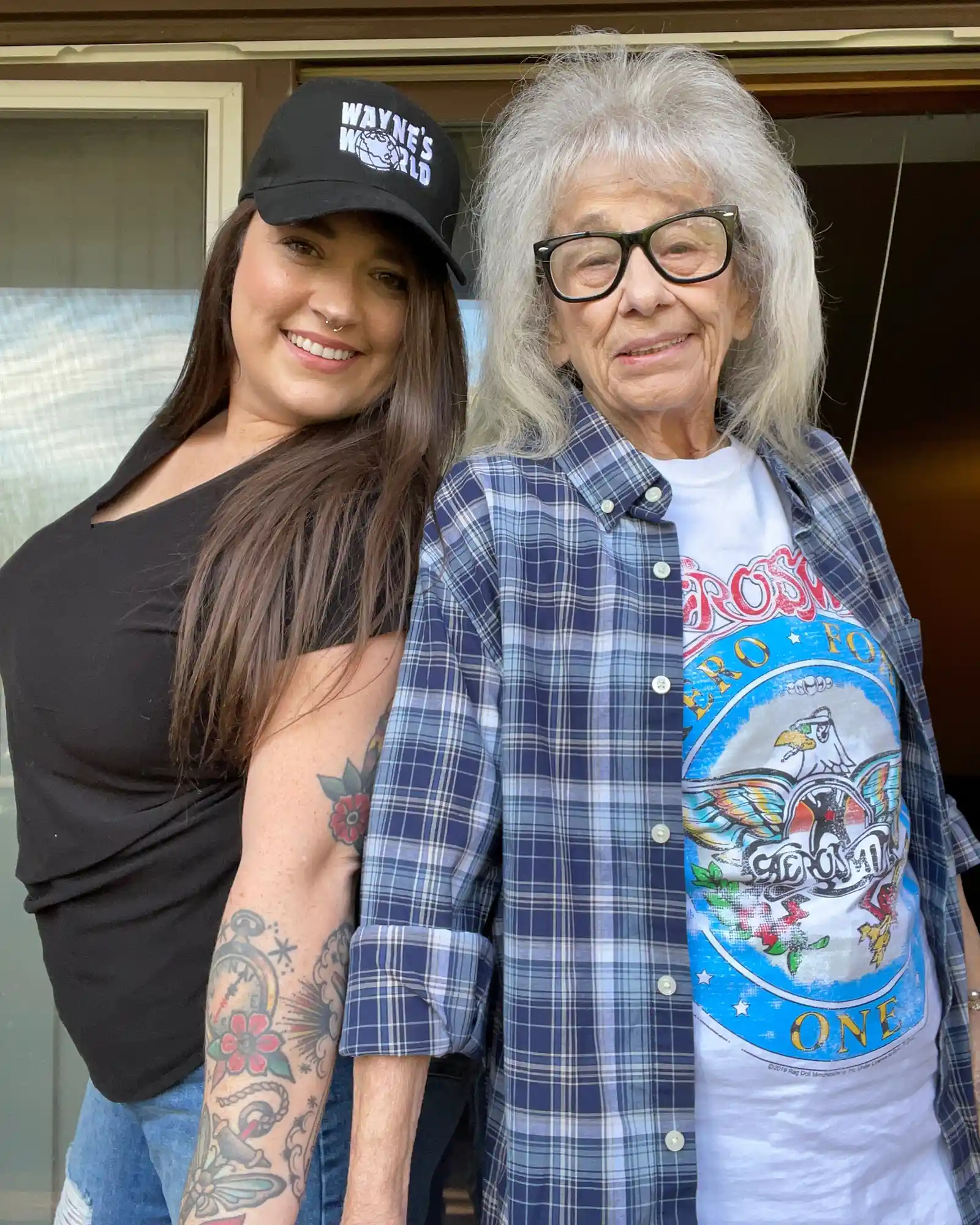
Sharing Their Lives Has Also Brought Criticism
Kris’ decision to document Mary’s condition has not been universally accepted.
Some viewers have questioned whether someone with Alzheimer’s should be filmed and shown online when that person may no longer be capable of clearly consenting.
Kris understands why the subject raises difficult questions.
She does not believe every person with dementia should automatically have their life shared publicly.
Instead, she says caregivers need to understand the person they are caring for and consider how that individual would have felt about being documented.
In Mary’s case, Kris believes she knows the answer.
Her grandmother had always been open and unashamed about who she was. Kris remembers her as someone who did not mind being seen and would have welcomed people watching.
There is another piece of family history behind Kris’ decision as well.
Mary’s own mother had Alzheimer’s.
Before Mary became ill herself, she repeatedly told Kris that she never wanted to be forgotten.
For Kris, filming their lives has become one way of honoring that wish.
The videos are seen by hundreds of thousands of strangers, but Kris also considers them deeply personal possessions.
They hold moments she will never be able to recreate.
And despite criticism, she believes the community that has formed around them — and the knowledge caregivers have shared with one another — has made the difficult parts of being public worthwhile.
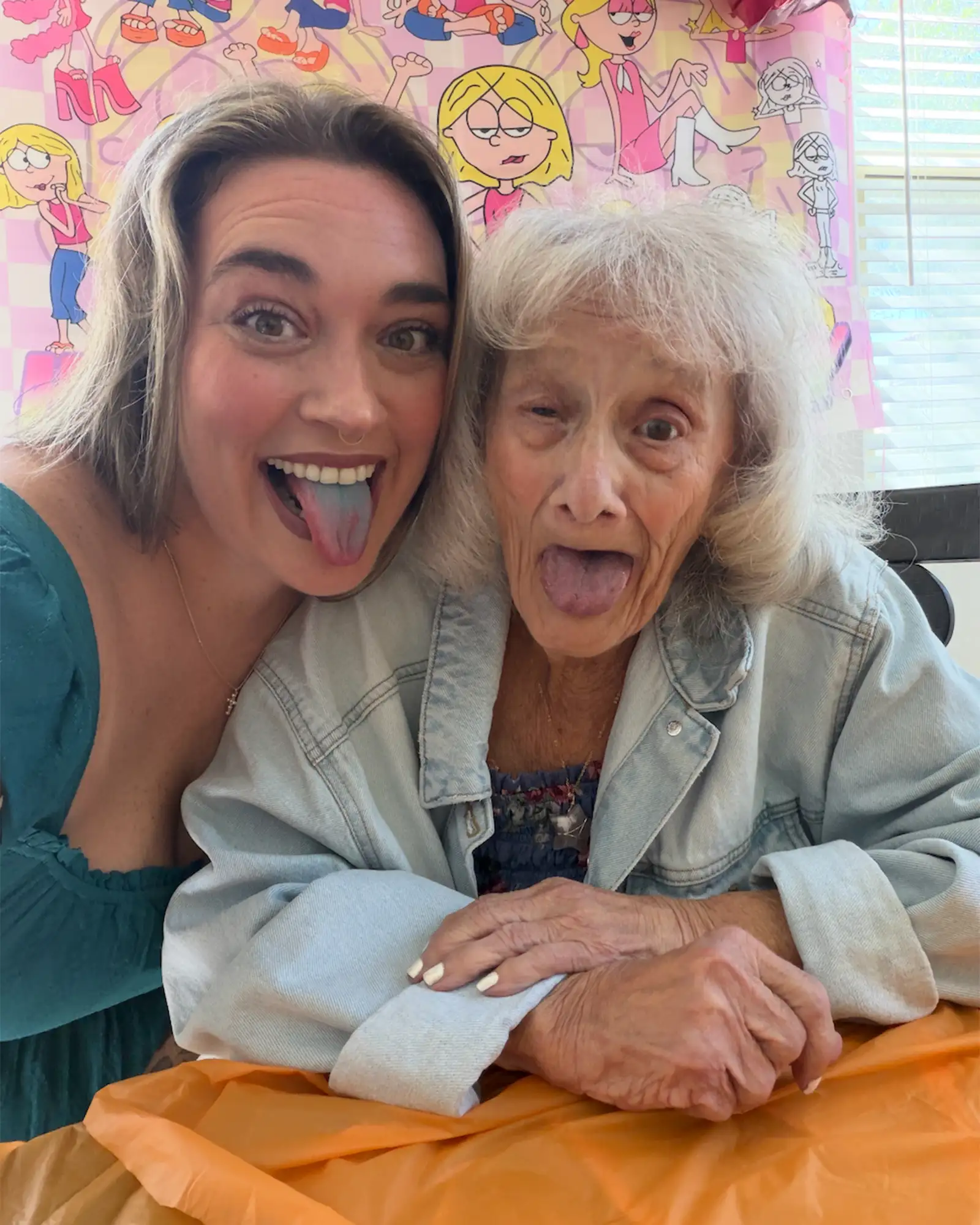
Missing the Woman Who Used to Have Every Answer
There is one loss Kris finds especially difficult to confront.
She misses talking to her grandmother.
Mary had once been the wisest person in Kris’ life, the woman she could approach during a crisis and trust to have some kind of answer.
That relationship has changed as Alzheimer’s has progressed.
Kris admits that she sometimes has to mentally put that grief away because thinking about it too deeply becomes unbearable.
Yet caregiving has also transformed Kris in ways she never expected.
Taking responsibility for Mary gave her a sense of purpose.
It showed her that she possessed skills and understanding she had never fully recognized in herself. More importantly, it gave her the chance to return something her grandmother had given her throughout childhood and early adulthood.
Mary had nurtured Kris.
Mary had given her somewhere safe to land.
Now Kris is trying to become that safe place for her.
It is a relationship that has changed dramatically over nine years, but Kris does not measure its value by whether Mary can still remember every name, story or face.
Her message to other families facing dementia is built around something simpler.
When someone begins losing the story of who they were, the people who love them can help carry that story.
And when memories disappear, love can still remain.
For Kris, that has become the lesson at the heart of nearly a decade beside her grandmother: keep reminding them of the life they lived, and keep giving back the love they once gave you.