California Teacher Faces Backlash Over Flashy Classroom Outfits
California Teacher Faces Backlash Over Flashy Classroom Outfits
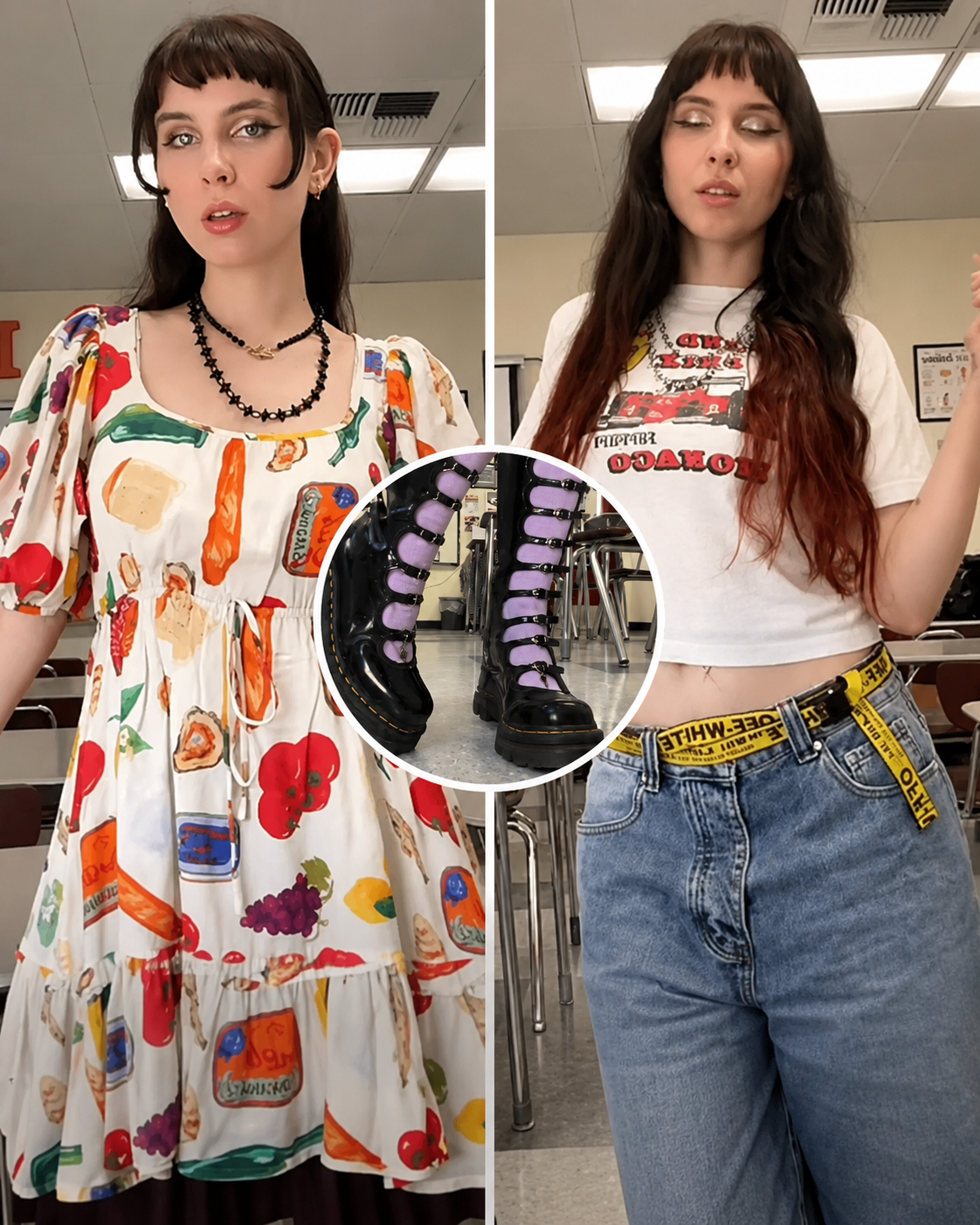
CALIFORNIA — A California teacher has sparked a heated online debate after sharing videos of her classroom outfits, with critics arguing that some of her fashion choices are too attention-grabbing for a school environment.
The teacher, who has built a following on social media by documenting her life in the classroom, regularly posts photos and videos showcasing her outfits alongside her teaching content. The posts have attracted both enthusiastic supporters and viewers who believe teachers should dress more conservatively while working with students.
Social Media Turns Teacher Fashion Into a Debate
The controversy appears to be part of a growing trend in which educators share their daily outfits and classroom experiences on TikTok and other social-media platforms.
Supporters say teachers should be allowed to express their personalities through clothing and that looking fashionable does not prevent someone from being an effective educator.
Critics, however, argue that teachers occupy a unique position in the classroom and should consider whether their clothing could distract students or undermine a professional atmosphere.
Some commenters described the outfits as excessive, while others defended the teacher and accused critics of unfairly policing women’s appearance.

“Distracting” Is in the Eye of the Beholder
Much of the debate centers on what constitutes appropriate professional clothing for teachers.
Unlike workplaces with strict uniforms or formal dress codes, schools can have widely different expectations. Some districts require relatively conservative professional attire, while others permit teachers considerably more freedom.
The disagreement becomes even more complicated when teachers post their clothing online.
An outfit that may be perfectly acceptable inside a classroom can attract a much different reaction when photographed, emphasized and presented to thousands of social-media viewers.

The Rise of the “Teachfluencer”
The controversy reflects the growing popularity of teachers who have turned their classroom experiences into social-media content.
These educators — sometimes called “teachfluencers” — share everything from lesson plans and classroom decorations to personal stories, daily routines and fashion.
For some teachers, social media provides an additional source of income and a way to connect with fellow educators.
But the visibility also creates new risks. Teachers can face intense criticism from strangers who have never seen them teach or experienced their classrooms firsthand.
A single photograph can generate thousands of comments, transforming an ordinary outfit into a national discussion.

Supporters Push Back Against the Criticism
Many people defending the California teacher argue that criticism of her clothing says more about social-media culture than about her ability to teach.
They point out that teachers are professionals who can have personal styles without automatically distracting students.
Others argue that focusing heavily on a woman’s appearance can reinforce unfair expectations about how female educators should look.
The debate has therefore expanded beyond one teacher’s wardrobe into a larger question about how much freedom educators should have over their appearance.
Where Should the Line Be?
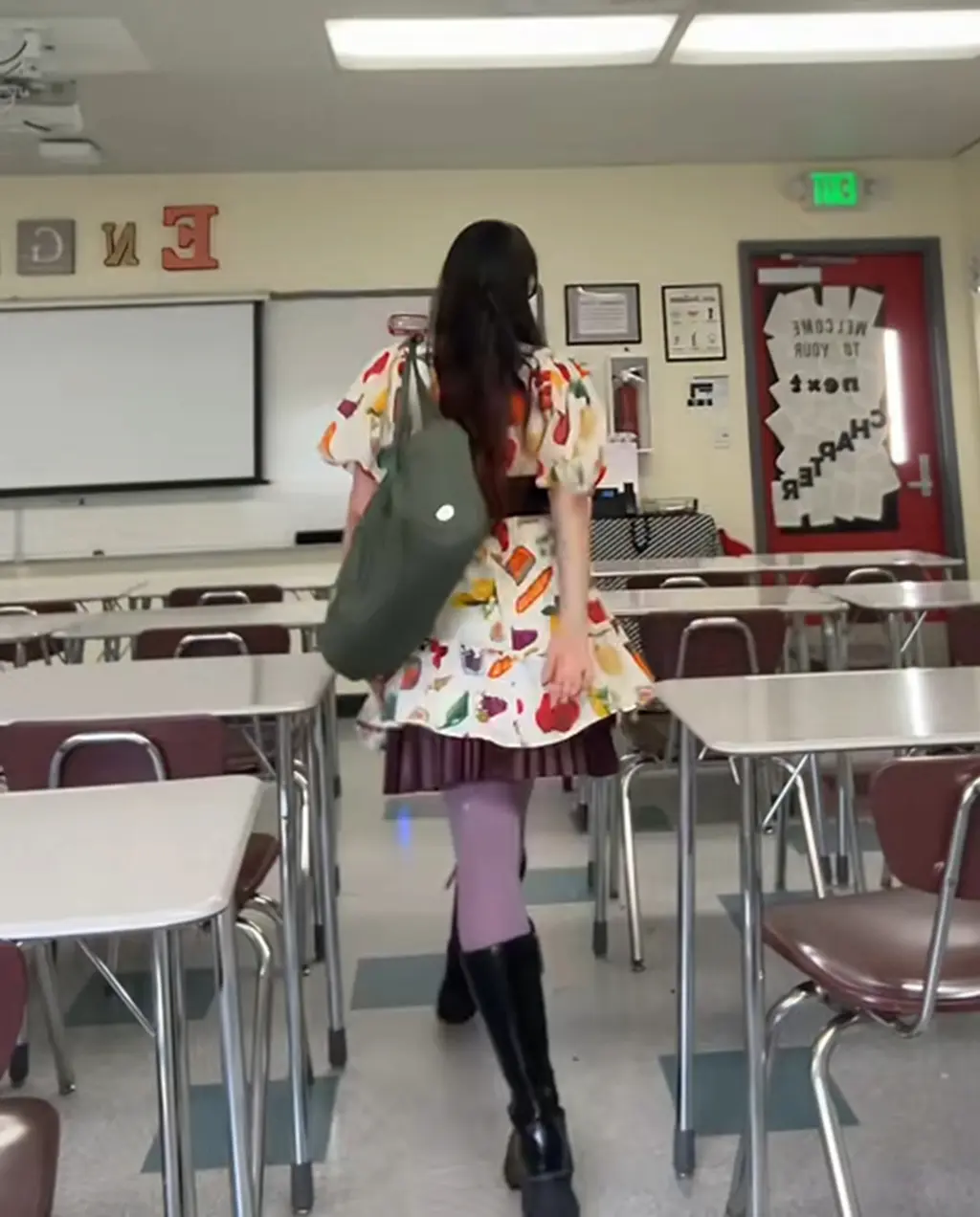
Schools have legitimate reasons to establish dress expectations. Teachers interact with children throughout the school day and are expected to maintain a professional environment.
At the same time, professionalism does not necessarily require every educator to dress identically.
The controversy ultimately highlights the difficult balance between personal expression and workplace expectations — particularly when teachers voluntarily bring their professional lives onto social media.
For the California teacher at the center of the discussion, the attention has transformed her everyday outfits into a viral debate about what teachers should — and should not — wear in front of their students.