Lost Girls: The True Story of Shannan Gilbert, Her Mother’s Search, and the Gilgo Beach Murders
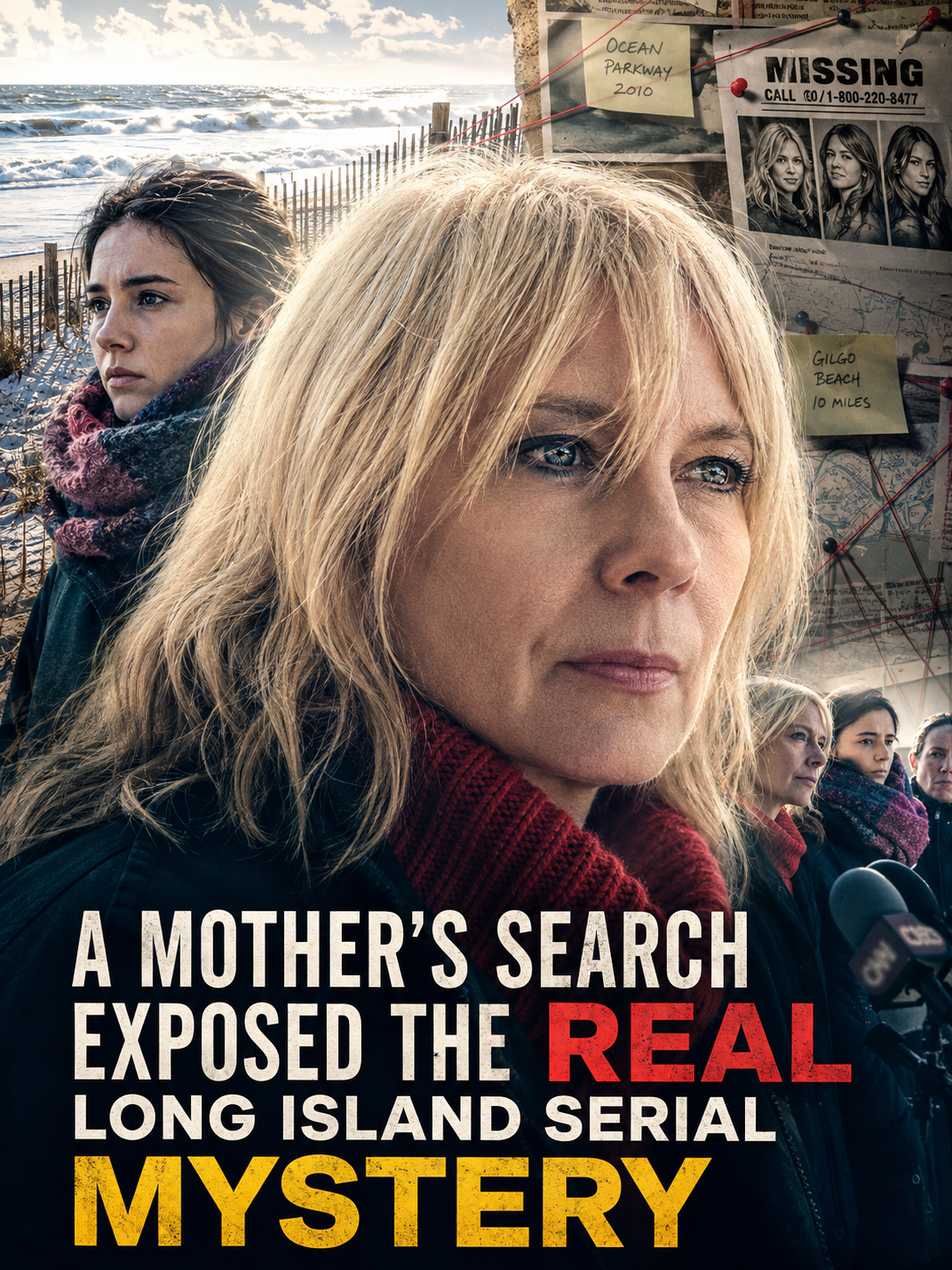
Netflix’s Lost Girls does not begin with a serial killer.
It begins with a mother whose daughter has disappeared.
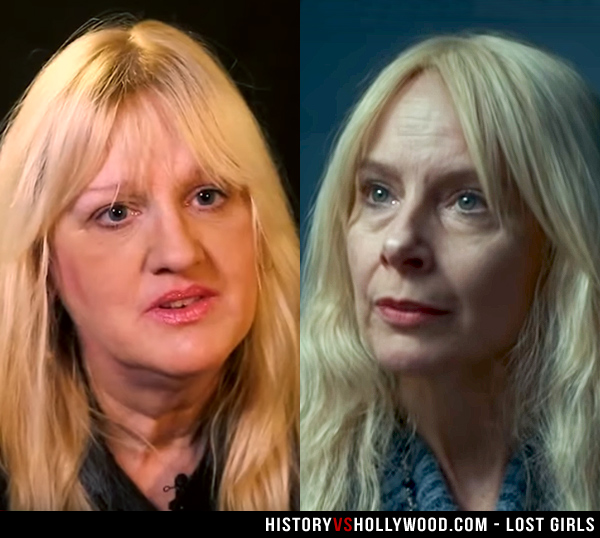
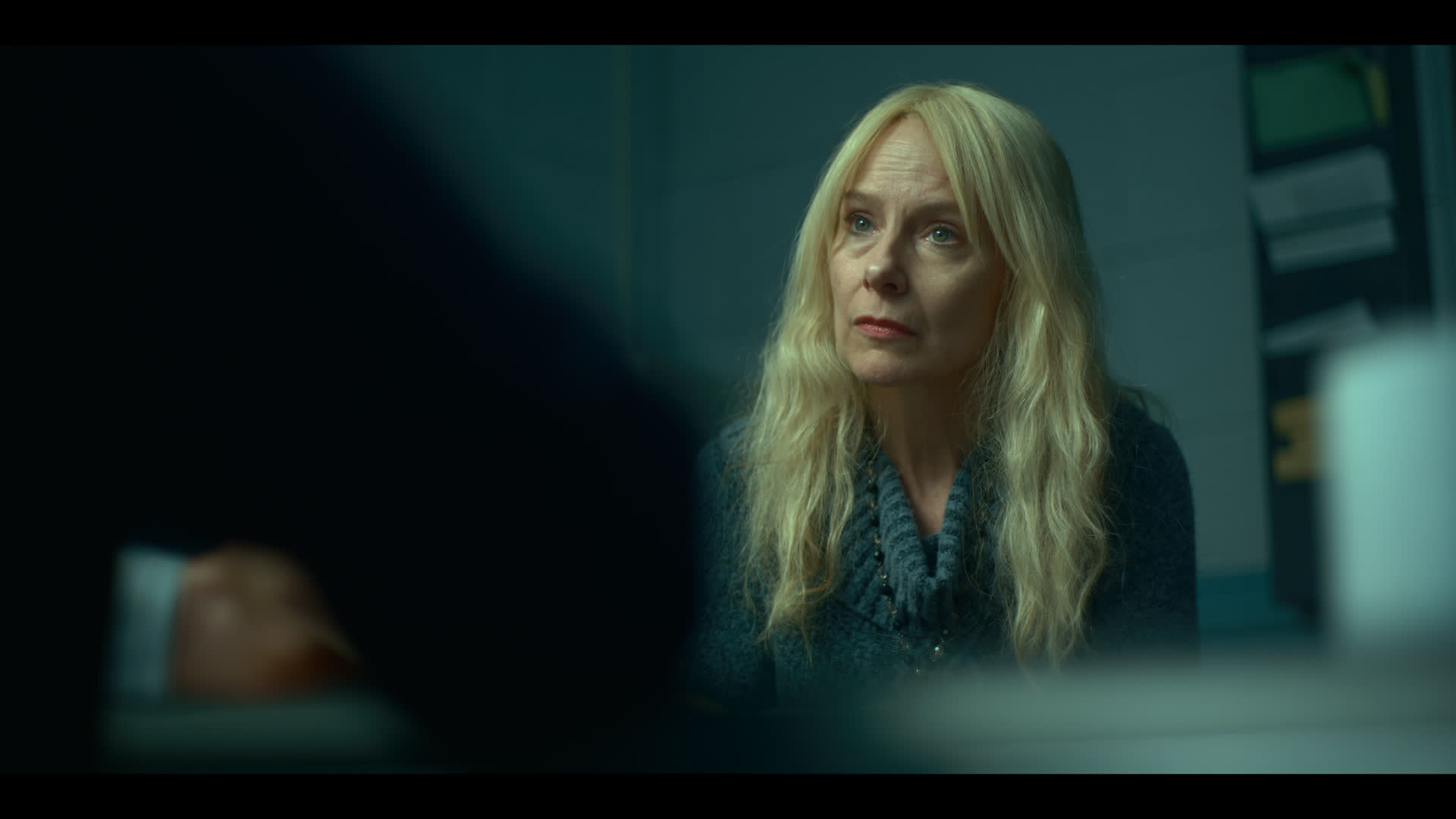
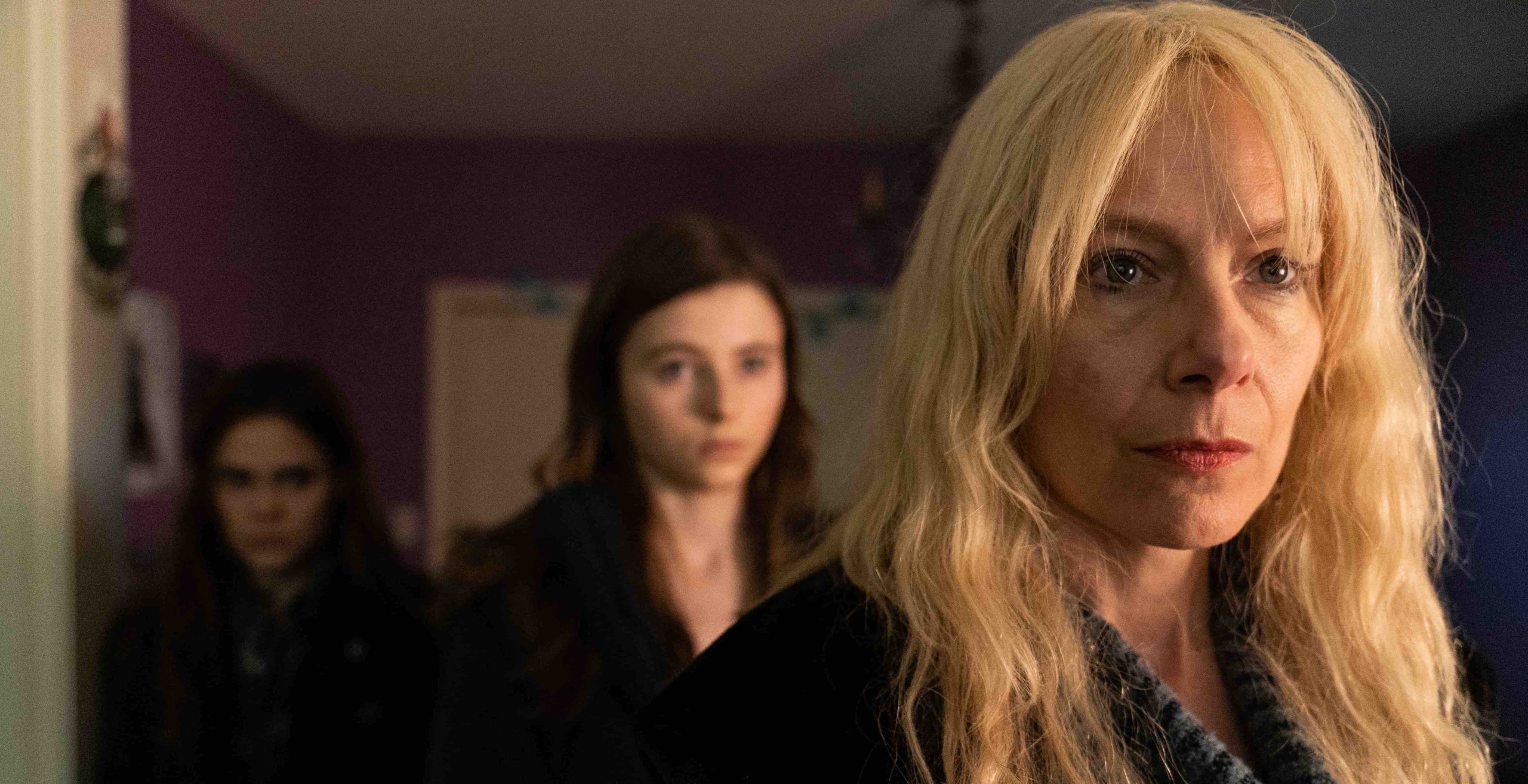
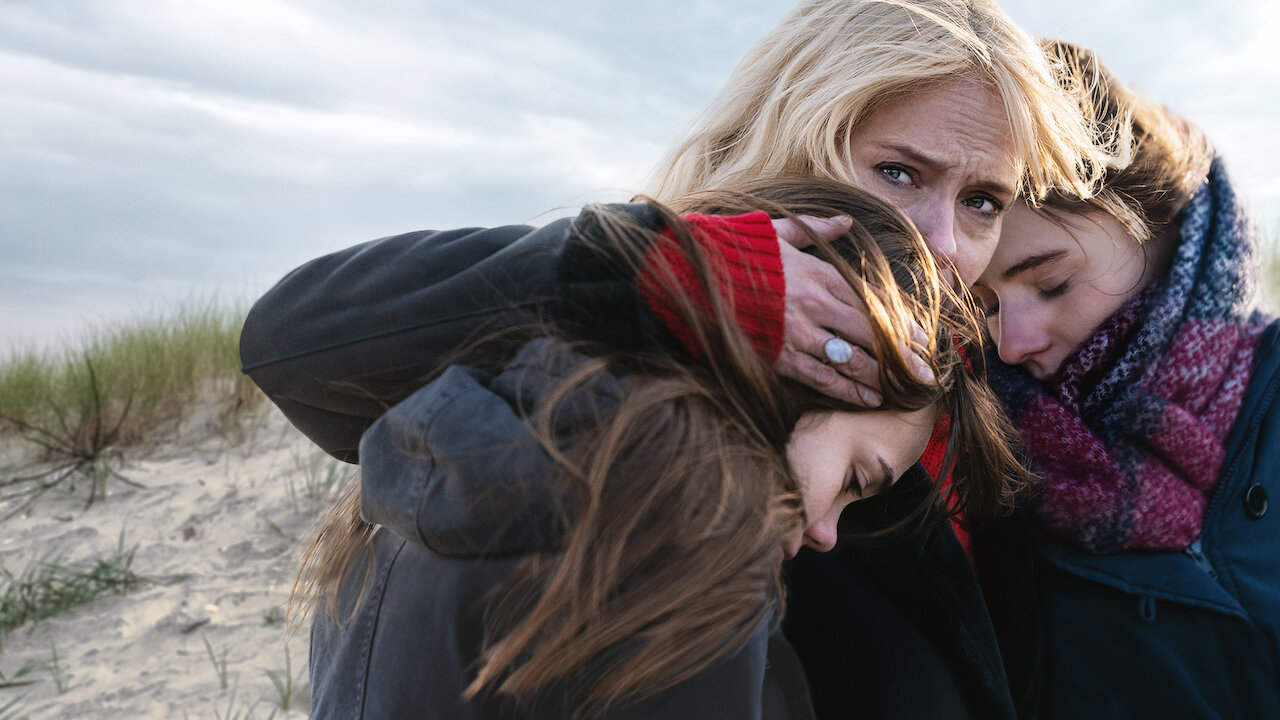
Amy Ryan stars as Mari Gilbert, a determined woman who becomes increasingly frustrated when she believes police are not taking the disappearance of her daughter Shannan seriously enough. As Mari pushes for answers, the search leads investigators to a horrifying discovery along Long Island’s Ocean Parkway: the remains of multiple women.
Directed by Liz Garbus, the 2020 film was based on Robert Kolker’s nonfiction book Lost Girls: An Unsolved American Mystery.
Many of its central events are real.
Shannan Gilbert really disappeared after visiting a client in the gated Oak Beach community in May 2010. She really called 911 during her final known hours. Her mother really pressured authorities to keep searching. And the effort to locate Shannan really led police to uncover victims connected to what became known as the Gilgo Beach serial killings.
But the movie also simplifies characters, compresses complicated events and leaves viewers with an ending that is now outdated.
The case changed dramatically after the film’s release.
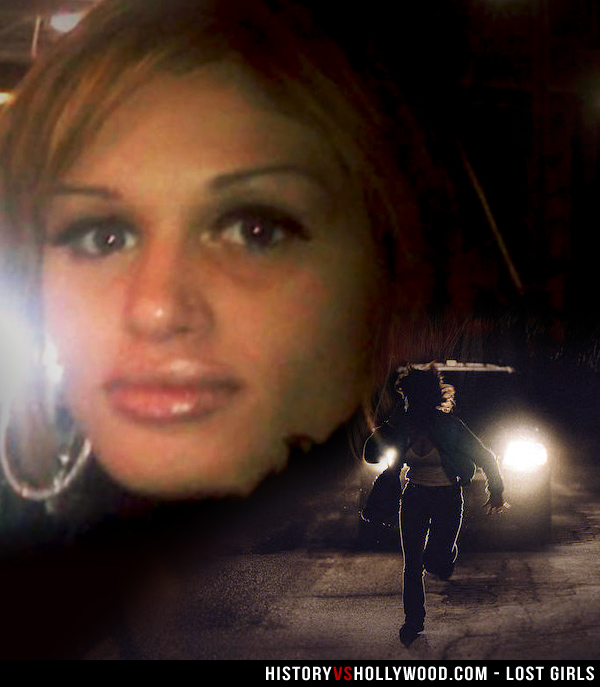
Was Shannan Gilbert Really Working as an Escort?
Yes.
Shannan Gilbert was 23 when she disappeared.
She worked as an escort and advertised her services online, including through Craigslist. On the night of April 30 into the early hours of May 1, 2010, she traveled with driver Michael Pak to Oak Beach on Long Island to meet a client named Joseph Brewer.
That part of Lost Girls is grounded in the real story.
The movie also reflects one of the major themes behind both Kolker’s book and Mari Gilbert’s advocacy: Shannan’s occupation affected the way people talked about her disappearance.
Mari repeatedly objected to her daughter being reduced to a label.
The same issue would later surround the other women whose remains were discovered during the search.
Did Shannan Really Make a Terrifying 911 Call?
Yes.
At approximately 4:51 a.m. on May 1, Shannan called 911 from inside Brewer’s Oak Beach home.
For more than 20 minutes, she remained connected with dispatchers while appearing frightened and confused.
She said someone was after her and asked whether authorities could determine where she was.
Brewer and Pak can also be heard during portions of the call attempting to calm her. Both men were investigated and were not charged in connection with her disappearance.
Shannan eventually left the house and ran through the neighborhood seeking help.
She knocked on resident Gus Coletti’s door. Coletti called 911, but when he told Shannan police were coming, she ran again.
She was later seen near another home.
Then she disappeared.
One major difference between what audiences knew when Lost Girls premiered and what is known today is that the 911 recordings are no longer secret.
After years of litigation and public pressure, Suffolk County police released Shannan’s call and two additional 911 calls in May 2022.
Did Police Really Take Nearly an Hour to Reach Oak Beach?
The timeline was complicated, but the frustration depicted in the movie had a real basis.
Shannan’s original call began around 4:51 a.m.
Police did not arrive in Oak Beach until approximately 5:40 a.m.
Authorities later explained that Shannan could not provide dispatchers with the address of the house and that difficulties determining her location contributed to the response problem.
A separate 911 call from neighbor Gus Coletti at about 5:21 a.m. provided clearer information.
Police arrived roughly 20 minutes after that call.
For Mari, however, the distinction did little to ease her anger.
Her daughter had called for help, had run screaming through a neighborhood and then vanished.
Mari came to believe that authorities had failed Shannan from the beginning.
Were the First Bodies Discovered by Accident?
Not exactly.
Lost Girls presents the discovery almost as a bizarre coincidence involving a police dog.
The real circumstances were more deliberate.
Months after Shannan disappeared, Suffolk County officer John Mallia was conducting a canine training and search exercise in the area around Ocean Parkway.
On December 11, 2010, the dog located skeletal remains near Gilgo Beach.
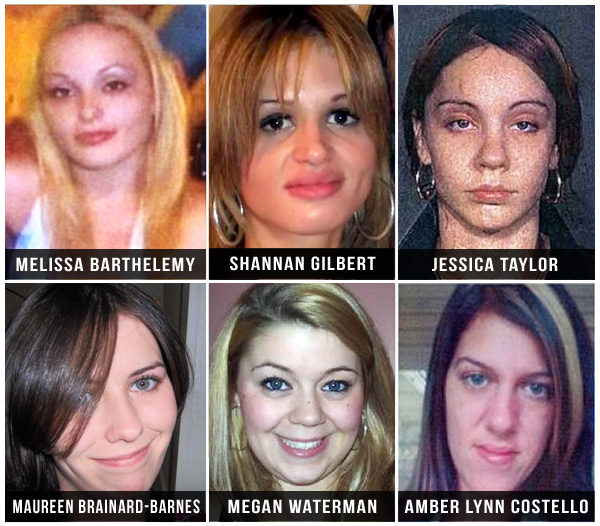
They belonged to Melissa Barthelemy.
Investigators continued searching.
Within days they found three more women nearby: Maureen Brainard-Barnes, Megan Waterman and Amber Lynn Costello.
The four women became known collectively as the Gilgo Four.
The terrible irony was unmistakable.
Police had been searching for Shannan Gilbert.
Instead, they found evidence of an entirely different series of killings.
Was Shannan One of Mari Gilbert’s Four Daughters?
Yes.
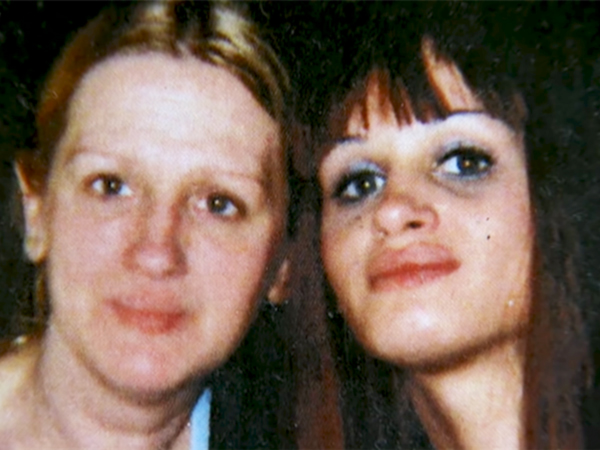
The Netflix movie shows Mari raising Sherre and Sarra in addition to searching for Shannan.
In real life, Mari had another daughter named Stevie.
Stevie was omitted from the film.
Mari’s relationship with Shannan was also more complicated than a typical missing-daughter drama might suggest.
Shannan spent part of her childhood in foster care, something the movie acknowledges.
The two nevertheless remained connected, and once Shannan disappeared, Mari became the most visible person demanding answers about what had happened to her.
Did Mari Really Unite With the Families of the Other Victims?
Yes, though real life was somewhat messier than the film.
As additional victims were identified, Mari came into contact with their relatives.
The families included people connected to Melissa Barthelemy, Maureen Brainard-Barnes, Megan Waterman and Amber Costello.
They shared an experience that few other people could understand: women they loved had been dismissed or judged because they had engaged in sex work.
Mari initially resisted thinking of Shannan as part of the same group.
She still believed her daughter might be alive.
Over time, however, she became increasingly connected with the other families. Vigils were organized, information was shared and relationships formed around a common demand that the victims be treated as people rather than as occupations.
Mari even created a Facebook page that helped some of the families communicate.
That aspect of Lost Girls captures one of the most important truths behind the story.
The women became visible partly because their families refused to allow them to disappear quietly.
Did Dr. Peter Hackett Really Call Mari After Shannan Disappeared?
Yes — and this remains one of the strangest parts of the case.
Dr. Charles Peter Hackett lived in Oak Beach, not far from where Shannan was last seen.
Mari said Hackett called her shortly after Shannan disappeared.
According to Mari, he claimed that he operated a type of home for troubled women and told her that he had encountered Shannan and given her medication before she left.
Hackett later denied having contact with Shannan.
He initially disputed making the call as well.
Phone records eventually established that communication between Hackett and Mari had occurred.
Hackett then acknowledged calling her but disputed Mari’s description of what he had said.
The contradictions made him deeply suspicious in Mari’s eyes.
She eventually became convinced that he knew more than he was admitting.
Did Mari Sue Peter Hackett Over Shannan’s Death?
Yes.
In 2012, Mari filed a wrongful-death lawsuit against Hackett.
Her lawsuit alleged that Hackett had taken Shannan into his home and administered drugs to her before she died.
Hackett denied responsibility.
Police did not identify him as Shannan’s killer and said he was known for inserting himself into events around the community.
The fact that Hackett’s home was relatively close to the marsh where Shannan was eventually found nevertheless ensured that suspicion around him never completely disappeared from public discussion.
Lost Girls uses that uncertainty effectively.
Hackett is not presented with a definitive confession or solution.
Instead, he represents another unanswered question in a case filled with them.
When Was Shannan Gilbert Finally Found?
More than a year after she vanished.
Shannan disappeared on May 1, 2010.
Her remains were located in a marsh near Oak Beach on December 13, 2011.
By then, the search triggered by her disappearance had uncovered numerous other sets of remains along Ocean Parkway.
The discovery of Shannan did not provide her family with the clear answer they had hoped for.
Her cause of death was classified as undetermined.
Authorities believed she may have become disoriented, entered the marsh and died accidentally.
Mari strongly rejected that explanation.
Did Another Autopsy Suggest Shannan Could Have Been Strangled?
Yes.
At the request of the Gilbert family, forensic pathologist Dr. Michael Baden conducted an independent examination.
His findings raised the possibility that Shannan’s death could have involved strangulation.
That did not establish homicide conclusively.
The official cause of death remained undetermined.
When Suffolk County released Shannan’s 911 recording in 2022, officials said an FBI Behavioral Analysis Unit review concluded that the circumstances of her death were not consistent with murder.
That has not convinced everyone.
Members of the Gilbert family and their supporters have continued to question whether Shannan died accidentally.
Most importantly, there has never been definitive evidence establishing that Shannan was murdered by the same person responsible for the Gilgo Beach killings.
Is Dean Winters’ Detective Bostick a Real Police Officer?
No.
Detective Dean Bostick was created for the movie.
Dean Winters plays him as an openly dismissive investigator whose comments toward Mari reflect the sexism and stigma surrounding the missing women.
There was no single real detective who behaved exactly like Bostick.
Instead, the character functions as a representation of the attitudes that Mari and other families believed they repeatedly encountered.
That distinction is important.
The movie dramatizes institutional indifference through one recognizable antagonist rather than attempting to recreate every real officer and department involved in the investigation.
Did Mari Gilbert Approve of Robert Kolker’s Lost Girls Book?
Not in the end.
This is one of the more surprising differences between the movie’s legacy and the real family.
Robert Kolker interviewed Mari while researching Lost Girls: An Unsolved American Mystery.
After the book appeared, however, Mari sent him an angry email accusing him of misrepresenting her family.
She strongly objected to portions of his portrayal.
That creates an unusual situation.
The Netflix film centers Mari as its heroic driving force, yet the real Mari did not ultimately embrace the book that became the basis for the movie.
Did Mari’s Daughter Sarra Really Struggle With Serious Mental Illness?
Yes, although Lost Girls only briefly suggests the extent of her problems.
Sarra Gilbert experienced a deeply troubled life and later developed severe psychiatric symptoms.
After Shannan’s remains were discovered, her condition deteriorated.
She experienced delusions and eventually received a schizophrenia diagnosis.
The movie avoids exploring much of what happened afterward because its central narrative ends before the most tragic chapter of the Gilbert family’s story.
That chapter involved Mari herself.
Was Mari Gilbert Really Killed by Her Own Daughter?
Tragically, yes.
On July 23, 2016, Mari went to help Sarra after her daughter reported hearing voices and experiencing a psychiatric crisis.
Sarra attacked and killed her mother.
She was later convicted of murder and sentenced to 25 years in prison.
Mari was 52.
The killing meant that the woman who had spent years demanding answers about one daughter’s death ultimately died at the hands of another.
Lost Girls mentions Mari’s death in its closing text rather than dramatizing it.
By then, Mari had spent much of the final six years of her life publicly challenging authorities, appearing at vigils and keeping attention on Shannan’s case.
Were There Really Concerns About Suffolk County Police?
Yes, although some of the more dramatic theories surrounding the murders remain speculation.
Criticism of Suffolk County law enforcement became an important part of the Gilgo Beach story.
One figure who later drew enormous scrutiny was former Suffolk County Police Chief James Burke.
Burke was not convicted of participating in the Gilgo Beach murders.
He was, however, convicted in an unrelated federal case after assaulting a man who had stolen items from his vehicle and participating in a cover-up.
Burke had also resisted deeper FBI involvement in the serial-killer investigation.
That history helped fuel public suspicion that dysfunction and corruption inside Suffolk County law enforcement may have damaged the investigation.
It does not, by itself, establish that Burke or another officer committed the Gilgo murders.
Did the Killer Really Call One Victim’s Family?
Yes.
One of the most disturbing elements of the investigation involved Melissa Barthelemy.
After she disappeared in 2009, someone used her cellphone to repeatedly call her teenage sister.
The caller made cruel and sexually explicit comments about Melissa.
The calls were brief and originated from busy locations around Manhattan, making them difficult for investigators to trace.
Authorities believed the person responsible understood enough about cellphone tracking to avoid remaining on the line too long.
For years, episodes like this added to the frightening image of a killer who seemed confident that police could not find him.
Was There Really More Than One Possible Killer?
For years, investigators and true-crime researchers considered that possibility.
The bodies recovered around Long Island did not all share identical circumstances.
Some remains had been dismembered.
Others had not.
The dates stretched across many years.
Victim profiles varied.
And investigators could not initially prove that every person discovered along Ocean Parkway had been killed by the same offender.
That is why terms such as “Long Island Serial Killer” and “Gilgo Beach Killer” could sometimes oversimplify what was actually a collection of interconnected investigations.
Then, more than a decade after Lost Girls ends, police finally made a breakthrough.
Did Police Eventually Catch the Gilgo Beach Serial Killer?
Yes — and this is the biggest part of the History vs. Hollywood article that is now outdated.
On July 13, 2023, investigators arrested Long Island architect Rex Heuermann.
He lived in Massapequa Park, roughly a short drive from Gilgo Beach.
He was initially charged with murdering three members of the Gilgo Four: Melissa Barthelemy, Megan Waterman and Amber Costello.
More charges followed.
Authorities ultimately accused him of killing Maureen Brainard-Barnes, Jessica Taylor, Valerie Mack and Sandra Costilla as well.
Investigators said cellphone records, burner phones, DNA evidence and other forensic evidence connected Heuermann to the crimes.
Did Rex Heuermann Confess?
Yes.
On April 8, 2026, Heuermann pleaded guilty to seven murders.
He admitted killing:
- Melissa Barthelemy
- Megan Waterman
- Amber Lynn Costello
- Maureen Brainard-Barnes
- Jessica Taylor
- Valerie Mack
- Sandra Costilla
Then came another revelation.
During his court admission, Heuermann acknowledged killing an eighth woman, Karen Vergata, whose remains had originally been discovered decades earlier.
His admissions established that his crimes stretched from at least 1993 through 2010.
The serial killer whom audiences of Lost Girls knew only as an unidentified shadow finally had a name — and a confession.
What Happened to Rex Heuermann?
He will spend the rest of his life in prison.
On June 17, 2026, a Suffolk County judge sentenced Heuermann to multiple consecutive prison terms, including life sentences without the possibility of parole.
Family members of his victims addressed him in court before sentencing.
The proceeding brought a measure of legal closure to murders that had remained unresolved for decades.
But it did not answer every question raised by Lost Girls.
Did Heuermann Kill Shannan Gilbert?
There is currently no established evidence that he did.
Heuermann’s admissions include several women whose remains were discovered as a result of the search triggered by Shannan’s disappearance.
Shannan is not among the eight murders he admitted committing.
Her death therefore remains separate from the murders now conclusively attributed to Heuermann.
That distinction is crucial.
Shannan’s disappearance led investigators toward the Gilgo Beach victims.
Without the search for her, some of those crimes might have remained hidden much longer.
But being the woman whose disappearance uncovered a serial killer’s dumping ground does not necessarily mean she was one of that killer’s victims.
Her cause of death remains officially undetermined.
The Real Story Behind Lost Girls Became Bigger Than the Movie’s Mystery
When Lost Girls premiered in March 2020, audiences were left with the same uncertainty that had haunted the families for nearly a decade.
No Long Island Serial Killer had been arrested.
Shannan’s death remained unexplained.
Mari Gilbert was gone.
And the women found along Ocean Parkway existed at the center of a true-crime story without a confirmed killer.
Six years later, part of that ending has changed dramatically.
Rex Heuermann has now admitted killing eight women.
For the families of Melissa Barthelemy, Megan Waterman, Amber Costello, Maureen Brainard-Barnes, Jessica Taylor, Valerie Mack, Sandra Costilla and Karen Vergata, the mystery of who killed their loved ones finally has an answer.
Shannan Gilbert’s story is different.
Her final hours remain disputed.
Her death remains officially undetermined.
And there is still no proof that Heuermann killed her.
That makes the central irony of Lost Girls even more striking today.
Mari Gilbert spent years trying to make authorities search for one missing daughter.
They eventually found Shannan.
But along the way, the search uncovered women nobody had known were lying beside Ocean Parkway and exposed the work of a serial killer who would remain free for more than another decade.
The movie is therefore not simply the story of a crime being solved.
It is the story of what can happen when the families of victims refuse to accept that some missing women matter less than others.
And even after the arrest, confession and sentencing of Rex Heuermann, that remains the part of Lost Girls that has not changed.