Avengers: Endgame Left Fans With More Questions Than Answers — Here’s What Its Most Confusing Moments Really Mean
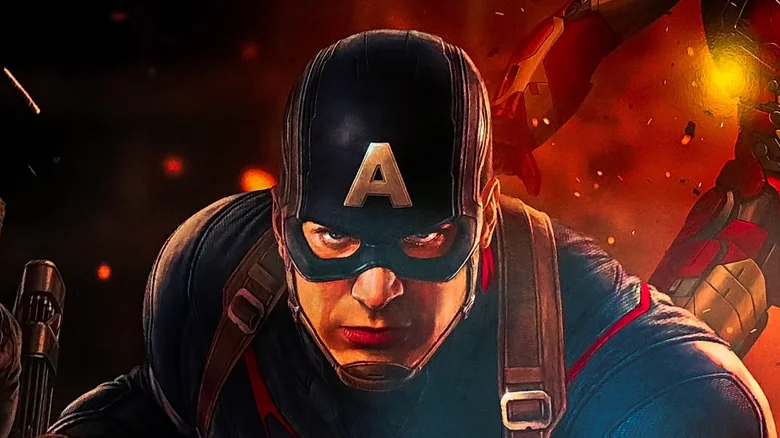
Avengers: Endgame delivered some of the Marvel Cinematic Universe’s biggest emotional payoffs — Tony Stark’s final sacrifice, Captain America wielding Mjolnir, the return of the vanished heroes and Steve Rogers finally getting his dance with Peggy Carter.
It also asked viewers to keep track of a complicated time-heist involving several eras, alternate versions of familiar characters, six Infinity Stones and rules that sometimes seemed to shift from one scene to the next.
Even after the cheering stopped, plenty of questions remained.
Why could Steve suddenly lift Thor’s hammer? How did Tony steal the Stones from Thanos without removing the Gauntlet? And if the Avengers changed events in the past, why didn’t they erase their own future?
Some answers are hidden in earlier Marvel movies. Others require paying close attention to what Endgame itself tells us.
And a few remain intentionally messy.
Captain America Was Finally Worthy of Mjolnir
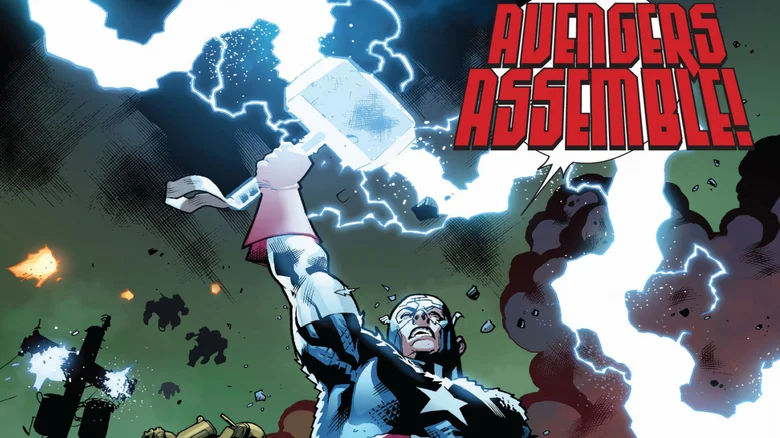
One of the movie’s most celebrated moments arrives during the final battle when Mjolnir suddenly rises from the ground.
At first, Thor reaches for it.
Instead, the hammer flies into Steve Rogers’ hand.
The moment pays off a scene from Avengers: Age of Ultron, when the heroes took turns attempting to lift Mjolnir. Steve managed to move it slightly, enough to make Thor visibly nervous, but he did not lift it completely.
So what changed?
One interpretation is that Steve could always lift it and deliberately stopped himself in Age of Ultron. Another is that he simply had not completed the personal growth required to become fully worthy.
By Endgame, Steve has shed much of the ego and stubbornness that once complicated his relationships with the other Avengers.
He acknowledges that Tony Stark had been right about the threat posed by Thanos. He makes peace with his former teammate and enters the final battle focused almost entirely on saving others.
Mjolnir’s enchantment does not reward strength.
It rewards worthiness.
And by the time Steve faces Thanos, the hammer appears to have made its decision.
Time Travel Does Not Work Like Back to the Future
The time travel rules are probably the biggest source of confusion in Endgame.
The film repeatedly stresses that traveling into the past does not allow someone to rewrite their existing present.
Bruce Banner even dismisses the classic movie logic in which changing the past instantly alters the future.
Instead, going back and making a significant change can create a branching timeline.
The Ancient One explains this when Banner asks her for the Time Stone in 2012. Removing an Infinity Stone from its proper place could create a dangerous alternate reality.
That is why Steve must return the Stones after the mission is completed.
Still, Endgame deliberately leaves parts of the system complicated.
Past Thanos travels into the Avengers’ present and dies there.
Past Nebula is killed by her future self without Present Nebula disappearing.
Loki escapes with the Tesseract in 2012.
The important point is that those actions do not retroactively overwrite the heroes’ original history.
They produce consequences elsewhere.
That is also why killing baby Thanos would not solve anything. The Avengers would only be changing another branch while the Thanos who already performed the Snap in their timeline would still have existed.
Steve Fighting Himself Did Not Necessarily Break Everything
The Avengers’ 2012 mission becomes increasingly chaotic after Loki escapes with the Tesseract.
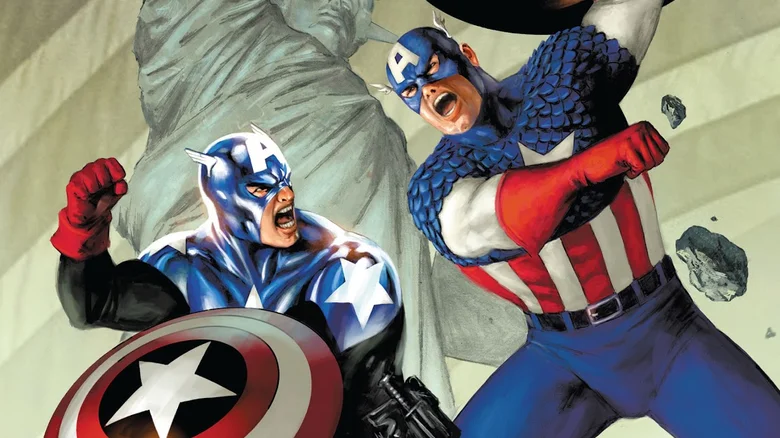
Steve then encounters his younger self.
Past Steve assumes the older version is Loki in disguise, leading to one of the movie’s funniest fights.
The encounter appears as though it should dramatically alter history — especially when Present Steve tells his younger self that Bucky is alive.
But the fight ends with Present Steve using Loki’s scepter against his earlier counterpart.
The scepter contains the Mind Stone and has already demonstrated an ability to affect people’s minds.
That creates an easy explanation for why 2012 Steve may not retain a clear memory of what happened.
From the perspective of everyone else in that era, Loki was already loose and capable of deception. A confused Steve waking after a mysterious confrontation would not necessarily expose the entire time-heist.
Hulk Was the Logical Choice to Undo the Snap
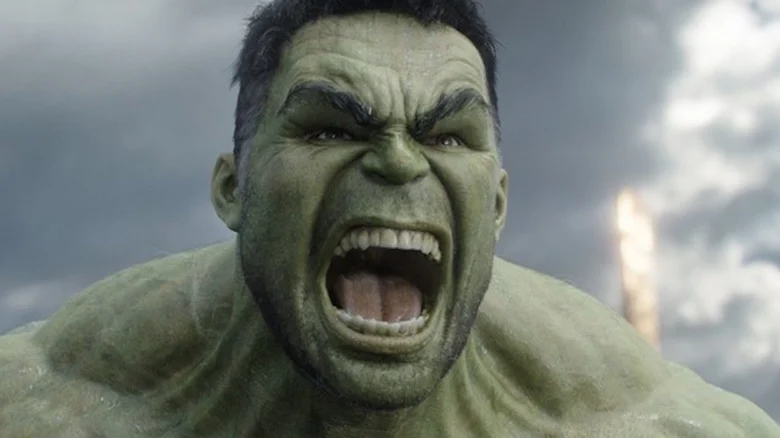
Once the Avengers assemble their own Infinity Gauntlet, nearly everyone has a personal reason to use it.
Thor wants redemption.
Tony carries years of guilt.
Steve is prepared to sacrifice himself for almost anything.
But Bruce Banner ultimately performs the Snap that restores everyone Thanos erased.
There is a practical reason.
The Stones release enormous amounts of energy, including gamma radiation.
Gamma radiation is exactly what transformed Banner into Hulk.
That does not make him invulnerable — using the Stones severely damages his arm — but it gives him a better chance of surviving than most of the others.
The danger becomes painfully clear later when Tony uses the Stones himself.
His nanotech suit can hold them.
His human body cannot survive their power.
Natasha’s Death Had to Mean Something to Clint
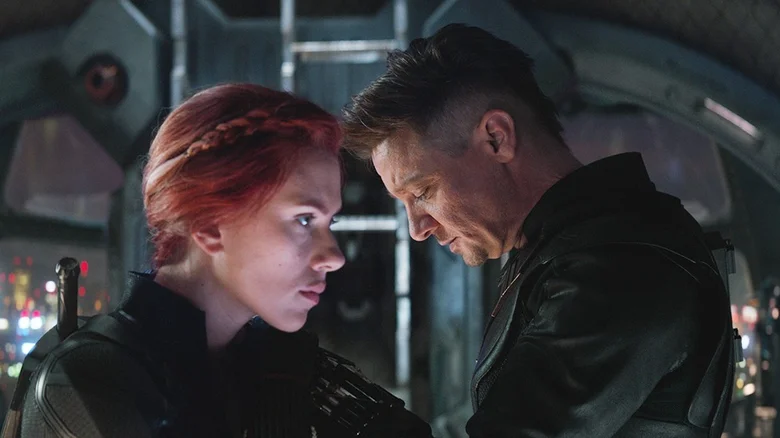
The return to Vormir forces Endgame to repeat one of the cruelest rules established in Infinity War.
The Soul Stone requires a sacrifice.
Natasha Romanoff and Clint Barton both understand what that means.
Each desperately tries to be the person who dies.
Their struggle can seem strangely prolonged until the final image explains why.
Clint ends up holding Natasha above the cliff.
Natasha tells him to let go.
For the Soul Stone’s exchange to work, the survivor cannot simply watch someone randomly die. The loss must be personal.
Clint has to lose someone he loves.
Natasha’s decision saves him, but Clint still has to experience the sacrifice.
Moments later, he wakes holding the Soul Stone.
Why Steve Chose Sam Instead of Bucky
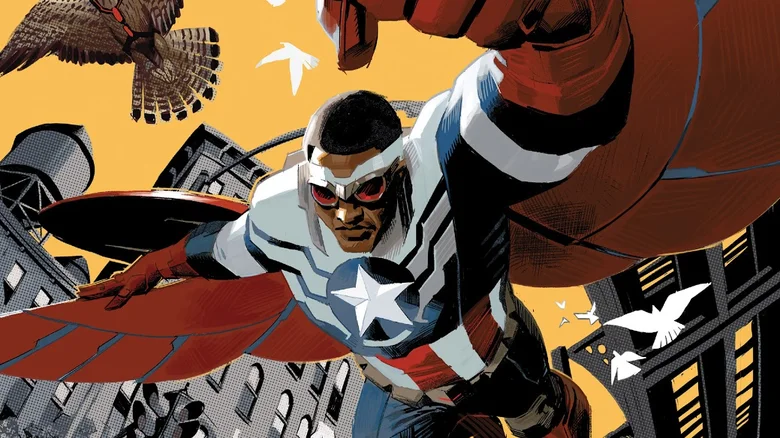
At the end of the movie, an elderly Steve gives his shield to Sam Wilson while Bucky Barnes watches.
That surprised viewers familiar with the comics, where both characters have served as Captain America.
But Sam makes sense as Steve’s chosen successor.
Bucky has spent years recovering from being turned into the Winter Soldier. He has also found a new identity connected to Wakanda, where he is known as the White Wolf.
Sam, meanwhile, represents many of the qualities Steve values most.
He served his country, helps veterans and has repeatedly chosen to stand beside Steve even when doing so carries serious consequences.
Bucky’s reaction is also revealing.
He does not appear hurt or surprised.
Instead, he gives Sam space to approach Steve, almost as if he already knows what his old friend intends to do.
The Young Man at Tony Stark’s Funeral Was Harley Keener
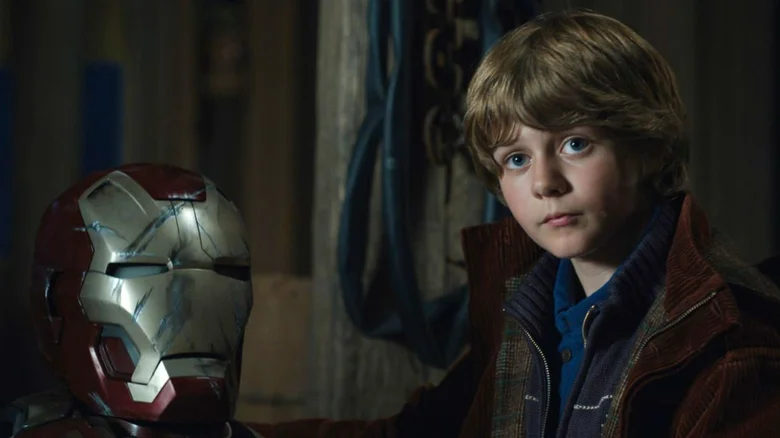
Tony’s funeral brings together nearly everyone whose life he changed.
One person standing alone near the back confused many viewers.
He is Harley Keener, the boy Tony met in Iron Man 3.
Harley helped Tony while the billionaire was stranded in Tennessee, dealing with anxiety and attempting to repair his damaged armor.
Years have passed, which is why actor Ty Simpkins looks dramatically older in Endgame.
His appearance is brief, but meaningful.
Tony’s influence extended beyond the Avengers.
Harley was one of the ordinary people he helped along the way.
Clint Became Ronin Because Grief Broke Him
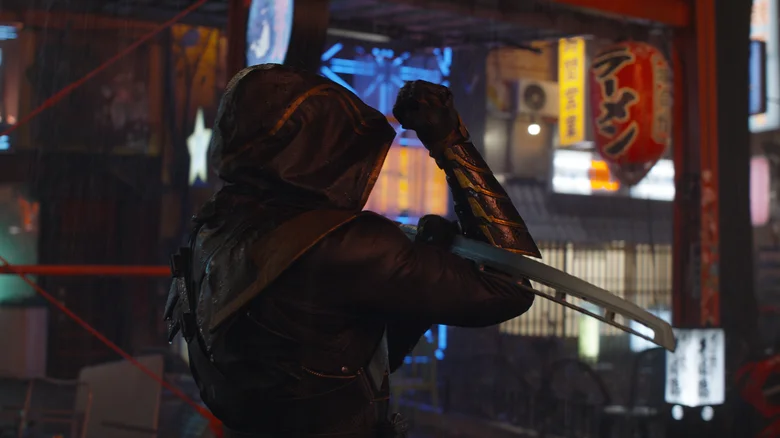
Another abrupt shift comes when Natasha finds Clint in Japan, dressed in black and killing criminals with a sword.
He has become Ronin.
The transformation began when Thanos erased Clint’s entire family.
Unable to accept that his wife and children vanished while violent criminals survived, Clint began hunting people he decided did not deserve the second chance they had received.
It is not presented as heroic.
Ronin is essentially what happens when Hawkeye’s grief, rage and training are stripped of the moral limits that previously controlled them.
Natasha does not recruit him because she approves.
She recruits him because she believes there may finally be a way to bring his family back.
Tony Did Not Physically Pull the Stones Out One by One
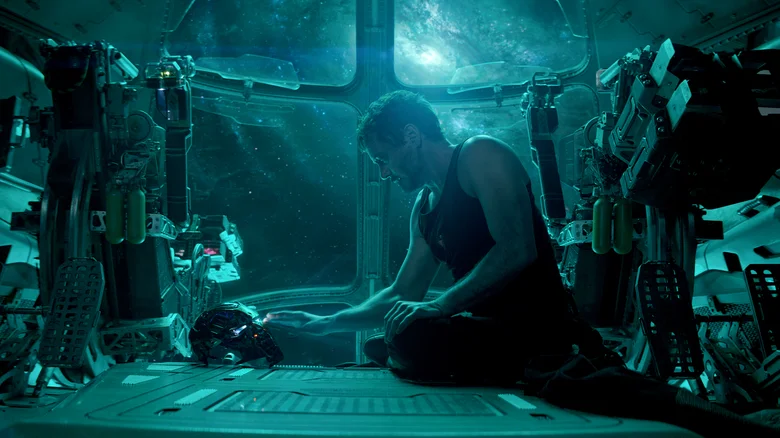
During the climactic battle, Tony grabs Thanos’ Gauntlet for only a moment.
Thanos pushes him away and prepares to snap.
Nothing happens.
Then Tony reveals that all six Stones are now embedded in his own armor.
The trick lies in the technology.
Thanos is wearing the Avengers’ newly constructed Nano Gauntlet, built using Tony’s technology.
Tony’s Iron Man suit is also nanotech.
When Tony grabs the Gauntlet, the two systems connect, allowing the Stones to be transferred across the nanomachines without Tony needing to pry each one loose individually.
It happens quickly because his technology was designed to reshape itself almost instantly.
Thanos realizes what happened only after it is too late.
Nebula’s Two Versions Were Connected by Their Cybernetics
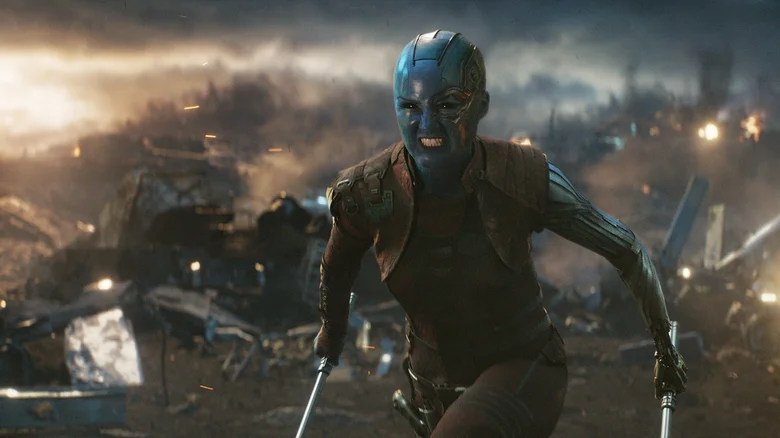
The Avengers’ plan begins unraveling when 2014 Nebula starts seeing fragments of Present Nebula’s memories.
It seems almost mystical.
The explanation is technological.
Thanos rebuilt Nebula with extensive cybernetic implants.
Both versions essentially operate on compatible systems.
When Present Nebula arrives in the same era as her younger self, the two systems interfere and begin sharing information.
Past Thanos then accesses that connection and discovers the Avengers’ entire plan.
Ironically, the same abuse that Thanos inflicted on Nebula by repeatedly modifying her body becomes the mechanism that allows him to learn about his eventual defeat.
Thor Took Mjolnir Because He Needed Proof
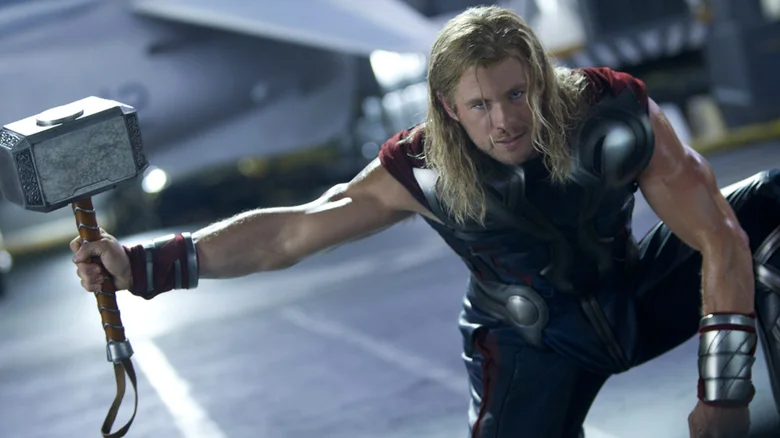
Thor’s journey to Asgard is supposed to be simple.
He and Rocket need the Reality Stone.
Instead, Thor encounters his mother, Frigga, shortly before her death.
Their conversation restores some of the confidence he has lost during five years of guilt and depression.
Before leaving, Thor extends his hand.
Mjolnir flies to him.
His reaction says everything.
He is still worthy.
That is what Thor needed to know.
Stormbreaker does not carry the same worthiness enchantment, so summoning Mjolnir gives Thor confirmation that his failures did not erase who he was.
The hammer later becomes useful in battle, but emotionally, Thor takes it because he needs proof that he has not completely lost himself.
The Ancient One Trusted Doctor Strange
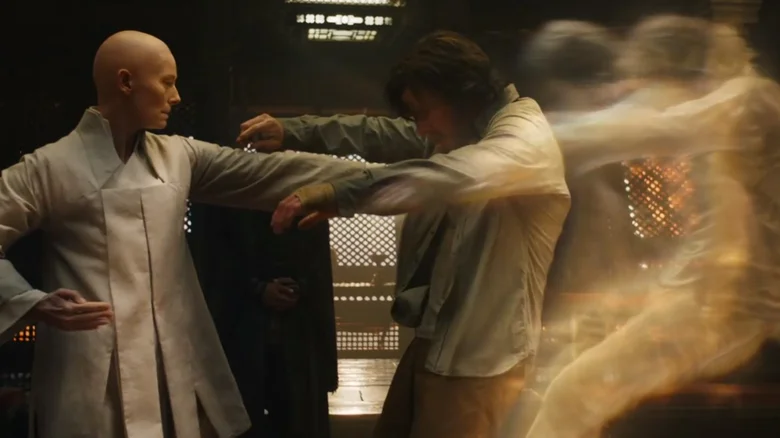
The Ancient One initially refuses to give Banner the Time Stone.
From her perspective, surrendering it could doom her entire reality.
What changes her mind is Stephen Strange.
Banner explains that Strange voluntarily gave the Time Stone to Thanos years later.
The Ancient One has not met Strange yet, but she already knows he is destined to become an enormously important sorcerer.
If Strange willingly surrendered the Stone, she realizes he must have done so as part of a larger plan.
Her decision therefore becomes an act of trust.
She is not really trusting Banner.
She is trusting the future Sorcerer Supreme.
And Some Questions Stay Unanswered
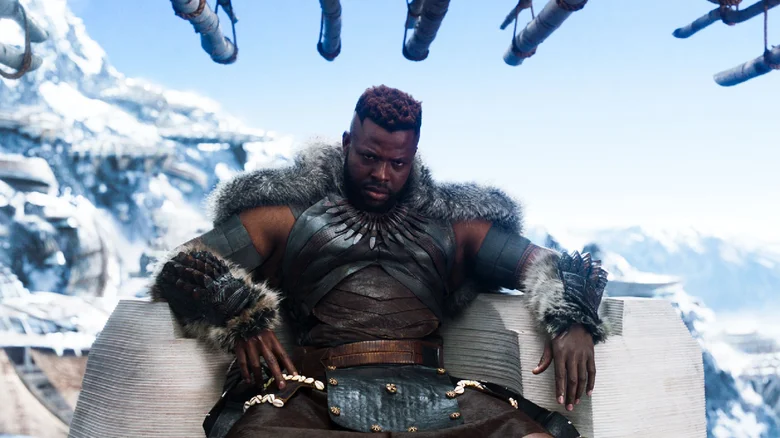
Not every mystery receives a clean solution.
One example is Wakanda.
Both T’Challa and Shuri disappear in the Snap, removing two obvious members of the royal family for five years.
Okoye survives and remains deeply involved in protecting Wakanda, making her a possible leader.
M’Baku is another plausible candidate because he already challenged for the throne in Black Panther and leads the Jabari Tribe.
The movie never definitively tells us which of them governed during the Blip.
That uncertainty is a reminder that Endgame was trying to conclude more than a decade of interconnected storytelling while simultaneously opening doors for what came next.
Some answers are precise.
Others depend on assumptions, alternate timelines or technology operating at the speed of plot.
But the movie’s biggest emotional moments usually become clearer once the mechanics are stripped away.
Steve can lift Mjolnir because he has become the man worthy of it.
Thor takes the hammer because he needs to know he is still that man.
Natasha dies because she refuses to let Clint lose his chance to reunite with his children.
And Tony’s final trick works because the same technology he spent years building gives him one last opportunity to save everyone.
Avengers: Endgame may be complicated.
Its emotional logic is much simpler.
After all the timelines, Stones and paradoxes, the story ultimately comes down to characters deciding what — and who — they are willing to sacrifice everything for.