Jury Orders New York Times to Pay $9.25 Million to Former Alabama Basketball Player in Defamation Case
Jury Orders New York Times to Pay $9.25 Million to Former Alabama Basketball Player in Defamation Case
Alabama jury finds newspaper liable for falsely identifying freshman Kai Spears in a fatal 2023 shooting
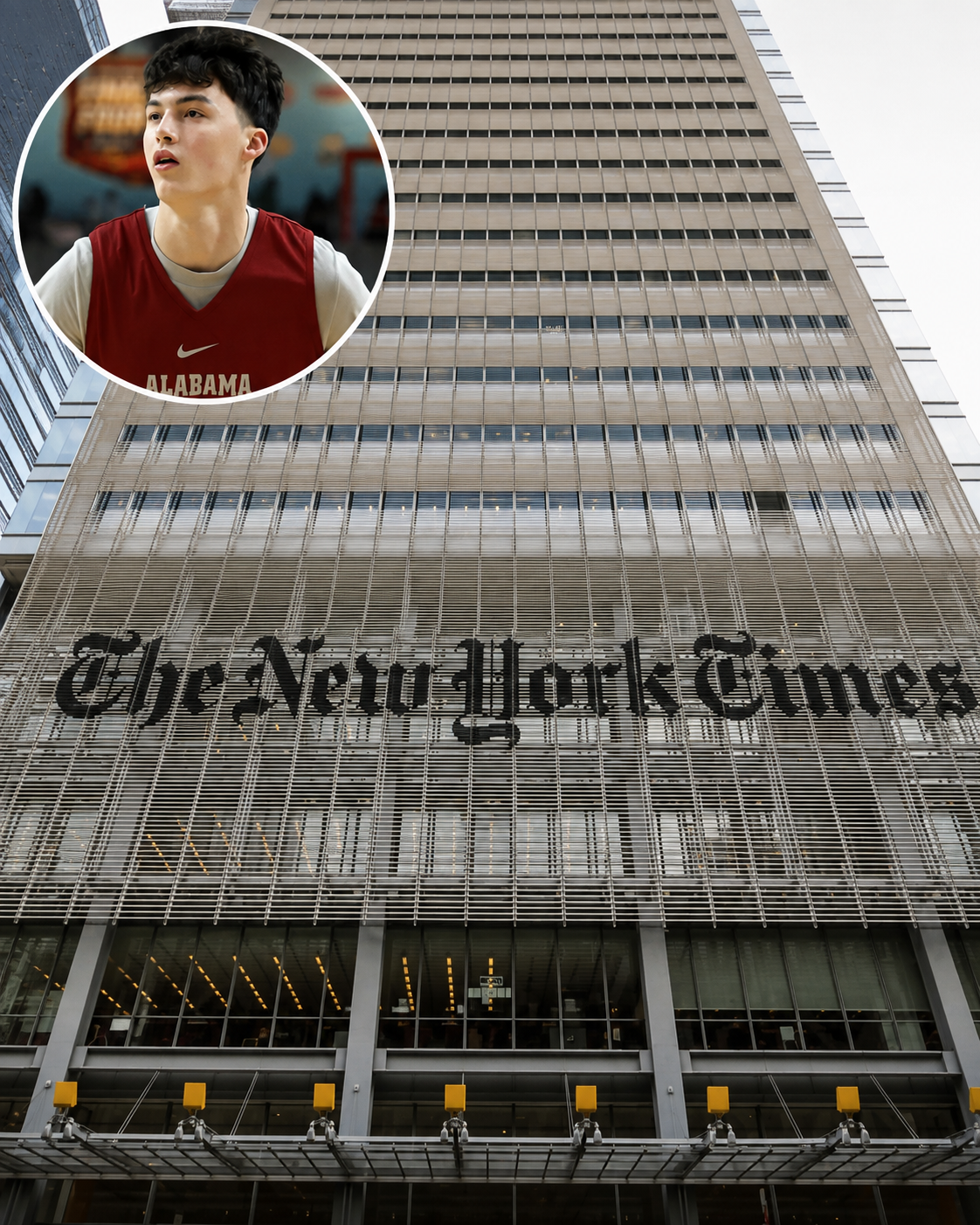
TUSCALOOSA, Alabama — A jury has ordered The New York Times to pay $9.25 million to former University of Alabama basketball player Kai Spears after finding the newspaper defamed him by wrongly linking him to a fatal shooting in 2023. <Cite refs={[“turn0news0″,”turn0news1”]}/>
The verdict came after a nine-day trial in the U.S. District Court for the Northern District of Alabama, where an eight-person jury concluded that the Times’ reporting caused significant harm to Spears’ reputation and emotional well-being.
A Mistaken Identity That Changed His Life
The lawsuit centered on a March 2023 article written by New York Times sports reporter Billy Witz about the fatal shooting of Jamea Harris, a 23-year-old woman killed in Tuscaloosa two months earlier.
The article incorrectly identified Spears, then an 18-year-old freshman walk-on for the Crimson Tide, as the passenger in a car connected to the shooting. In reality, investigators later determined that the passenger was Cooper Lee, a student manager for Alabama’s basketball team. <Cite refs={[“turn0news0″,”turn0news1”]}/>
Spears was never charged with any crime and was not present at the scene.

Anonymous Source Led to the Error
During the trial, Witz testified that he relied primarily on information from a high-level anonymous source whom he believed had reliable access to investigative records.
He told jurors that the source appeared credible because of their professional position and familiarity with evidence in the case. Witz ultimately acknowledged under oath that the article contained “a mistake, no question.”
The Times corrected the story in June 2023, adding a lengthy editor’s note explaining the reporting error. However, the correction came only after Spears had already filed his defamation lawsuit.
Jury Awards $9.25 Million
After hearing testimony from both sides, jurors awarded Spears $9.25 million in damages.
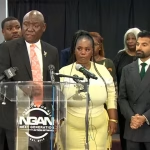
His attorney, Matt Glover, said the verdict sends an important message about accountability in journalism, arguing that major news organizations must meet the highest standards when reporting allegations that can permanently damage someone’s reputation.
The verdict is particularly significant because, according to the Times’ own reporting, it marks the newspaper’s first loss in a U.S. defamation lawsuit over one of its articles in more than 50 years.
The Times Plans to Fight the Decision
The New York Times expressed disappointment with the outcome and indicated it is reviewing its legal options.
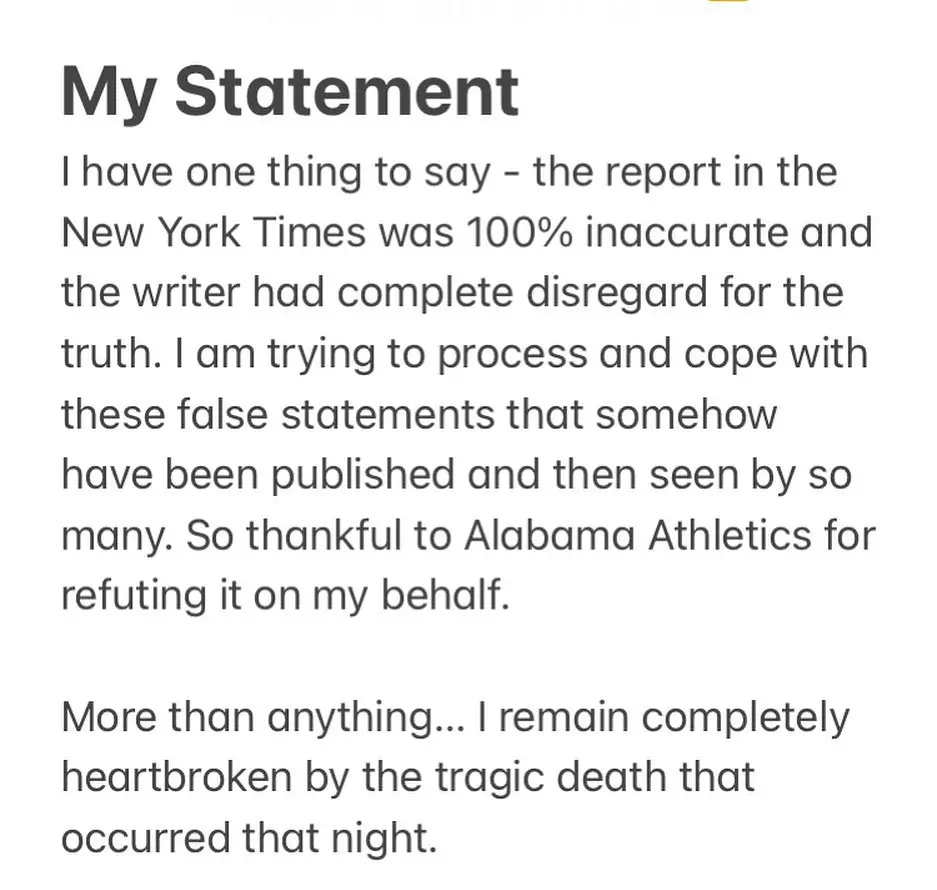
In a statement, the newspaper described the misidentification as “an honest mistake” and argued that the jury’s verdict and the size of the damages were not supported by the evidence.
The company has not yet announced whether it will formally appeal.
Why the Case Matters
The ruling has drawn national attention because it highlights the legal risks of relying on anonymous sources in high-profile criminal reporting.
While U.S. law generally provides strong protections for the press, defamation cases can succeed when juries determine that false statements caused measurable harm to an individual’s reputation.
For Kai Spears, the lawsuit was never about correcting a typo—it was about removing his name from one of Alabama’s most widely publicized criminal cases and restoring the reputation he says was unfairly damaged by a single reporting error.