Psychiatrist Says Lindsay Clancy Believed She Was “Saving” Her Children When She Killed Them
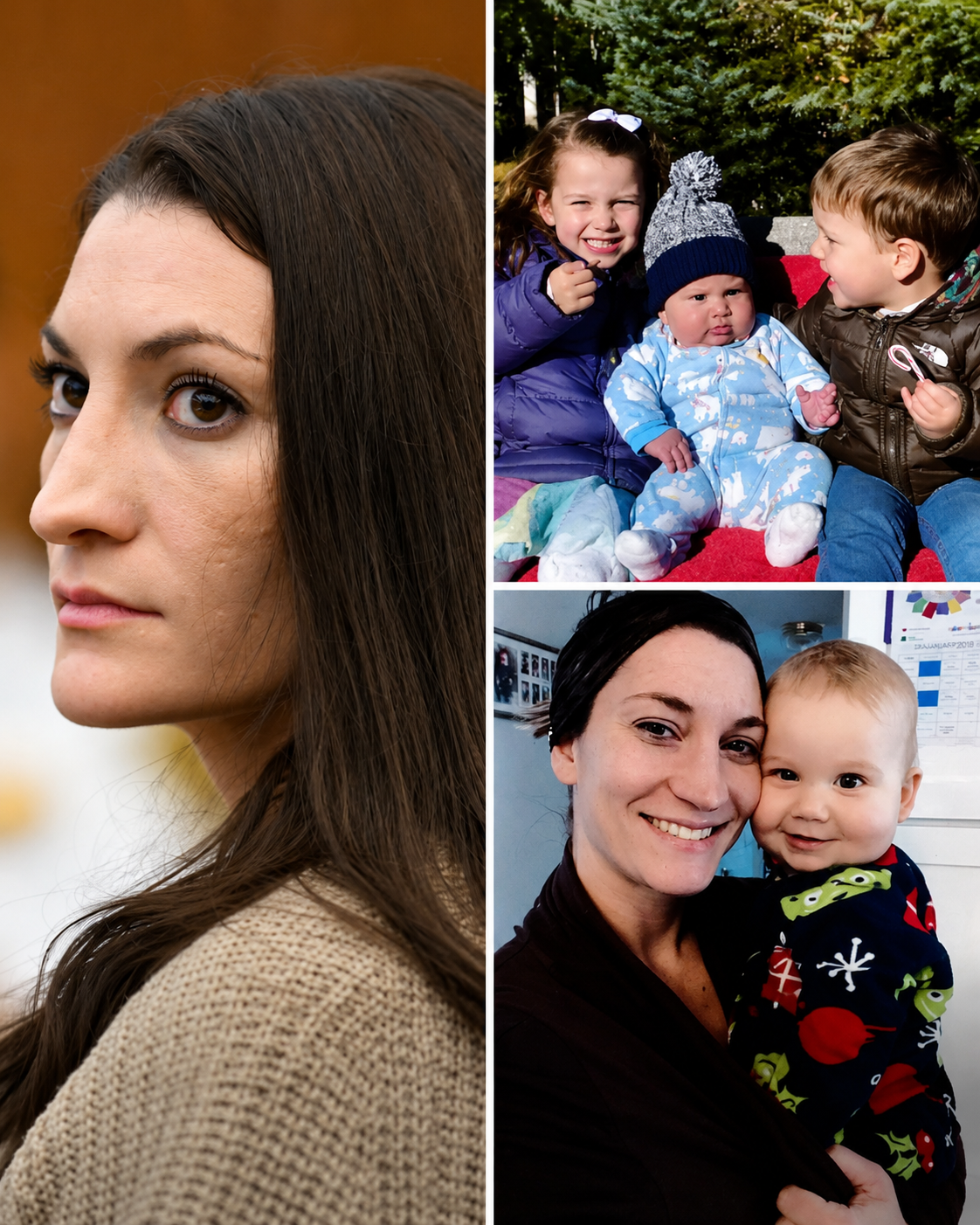
Psychiatrist Says Lindsay Clancy Believed She Was “Saving” Her Children When She Killed Them
A forensic psychiatrist testified Friday that Lindsay Clancy was experiencing a severe psychotic episode when she killed her three young children in 2023, telling jurors that she had become convinced she was protecting them rather than harming them.
Dr. Phillip Resnick, a prominent forensic psychiatrist who has testified in several high-profile cases, said Clancy’s thinking had become profoundly distorted by what he described as postpartum psychosis.
His testimony formed the centerpiece of Clancy’s defense as her attorneys argued that she should not be held criminally responsible because of severe mental illness.
She Believed Her Children Would Be Better Off
Resnick testified that Clancy had developed what he characterized as an “altruistic” form of filicide, in which a parent believes they are ending their children’s suffering or protecting them from a worse future.
According to his assessment, Clancy believed her children would be safer with her in heaven than remaining alive without her.
He also testified that she experienced what he considered command hallucinations and a delusion of influence, describing her as feeling as though she were being controlled by an outside force.
Resnick said he found her to be genuinely psychotic and did not believe she was fabricating her symptoms.

Defense Centers on Postpartum Psychosis
Clancy’s attorneys have acknowledged that she caused the deaths of her three children but argue that she was not criminally responsible because of her mental condition.
The defense says she was suffering from severe postpartum psychosis, bipolar disorder and profound depression in the weeks leading up to the tragedy.
Family members and other defense witnesses have described a dramatic deterioration in her mental state, including paranoia, suicidal thoughts, intrusive thoughts and fears surrounding her ability to care for her children.
Clancy’s defense has also argued that her psychiatric treatment was poorly coordinated and that medication changes may have contributed to her deteriorating condition.
Prosecutors Dispute the Psychosis Diagnosis
The prosecution has presented a very different interpretation.
Dr. Avram Mack, a forensic psychiatrist called as a rebuttal witness, testified that Clancy suffered from major depression but that he found no convincing evidence she was experiencing psychosis or mania when the children were killed.
Mack told jurors that he believed Clancy understood what she was doing and was capable of distinguishing right from wrong.
Prosecutors have pointed to her actions before the killings as evidence that she deliberately planned what happened rather than acting under an uncontrollable psychotic episode.
The Case Turns on Her Mental State
That disagreement is at the heart of the trial.
The question before the jury is not simply whether Clancy caused the deaths. Both sides acknowledge that she did.
Instead, jurors must determine whether she was legally responsible for her actions under Massachusetts law or whether severe mental illness prevented her from understanding the wrongfulness of what she was doing.
If convicted of first-degree murder, Clancy could face life imprisonment without parole. If found not criminally responsible, she would be committed to a psychiatric facility rather than simply released.
Defense Rests Its Case
Resnick’s testimony came as Clancy’s defense rested its case Friday.
The prosecution has now begun presenting rebuttal witnesses to challenge the defense’s portrayal of Clancy’s mental state.
Closing arguments are expected as the trial moves toward its final stage, with jurors ultimately facing the difficult task of deciding whether the killings were the result of deliberate criminal conduct or a profound psychiatric breakdown.
A Tragedy at the Center of the Trial
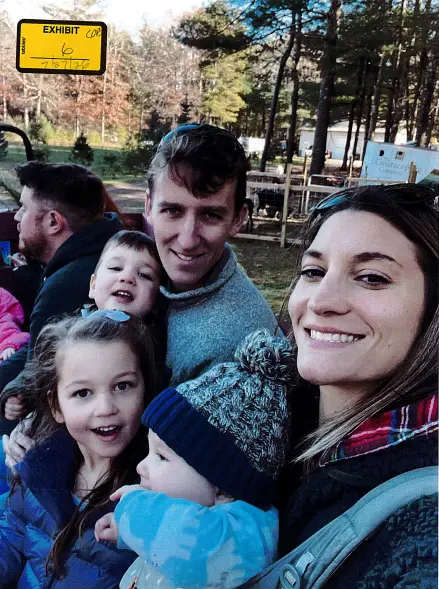
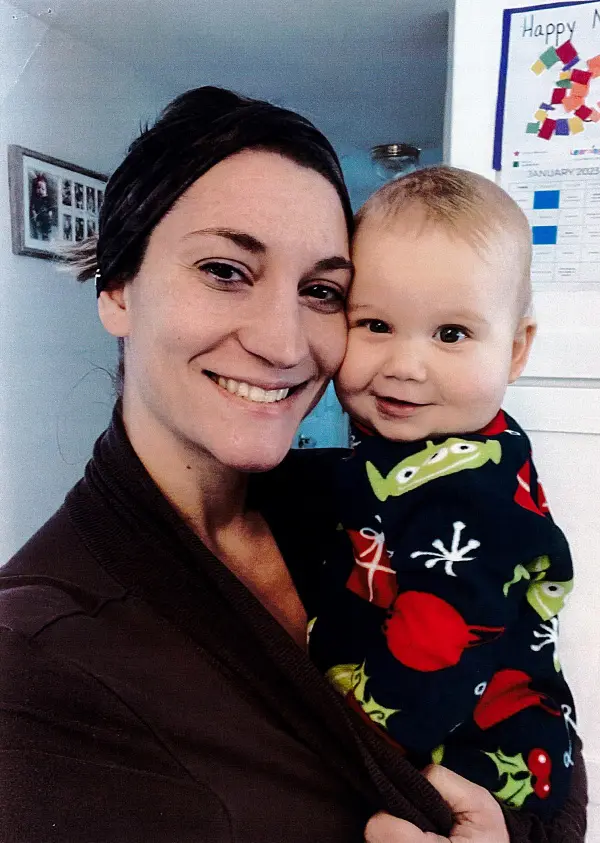
Clancy’s three children—Cora, 5, Dawson, 3, and Callan, 8 months—were killed at the family’s home in Duxbury, Massachusetts, in January 2023.
Clancy then attempted to take her own life and survived, but suffered severe injuries that left her paralyzed.
The trial has since become a closely watched examination of postpartum mental illness, psychiatric treatment and the difficult boundary between mental illness and criminal responsibility.
As both sides prepare their final arguments, the jury will ultimately have to decide which account of Clancy’s mental state is supported by the evidence presented in court.