Zodiac: The True Story Behind David Fincher’s Movie and the Killer Who Was Never Identified
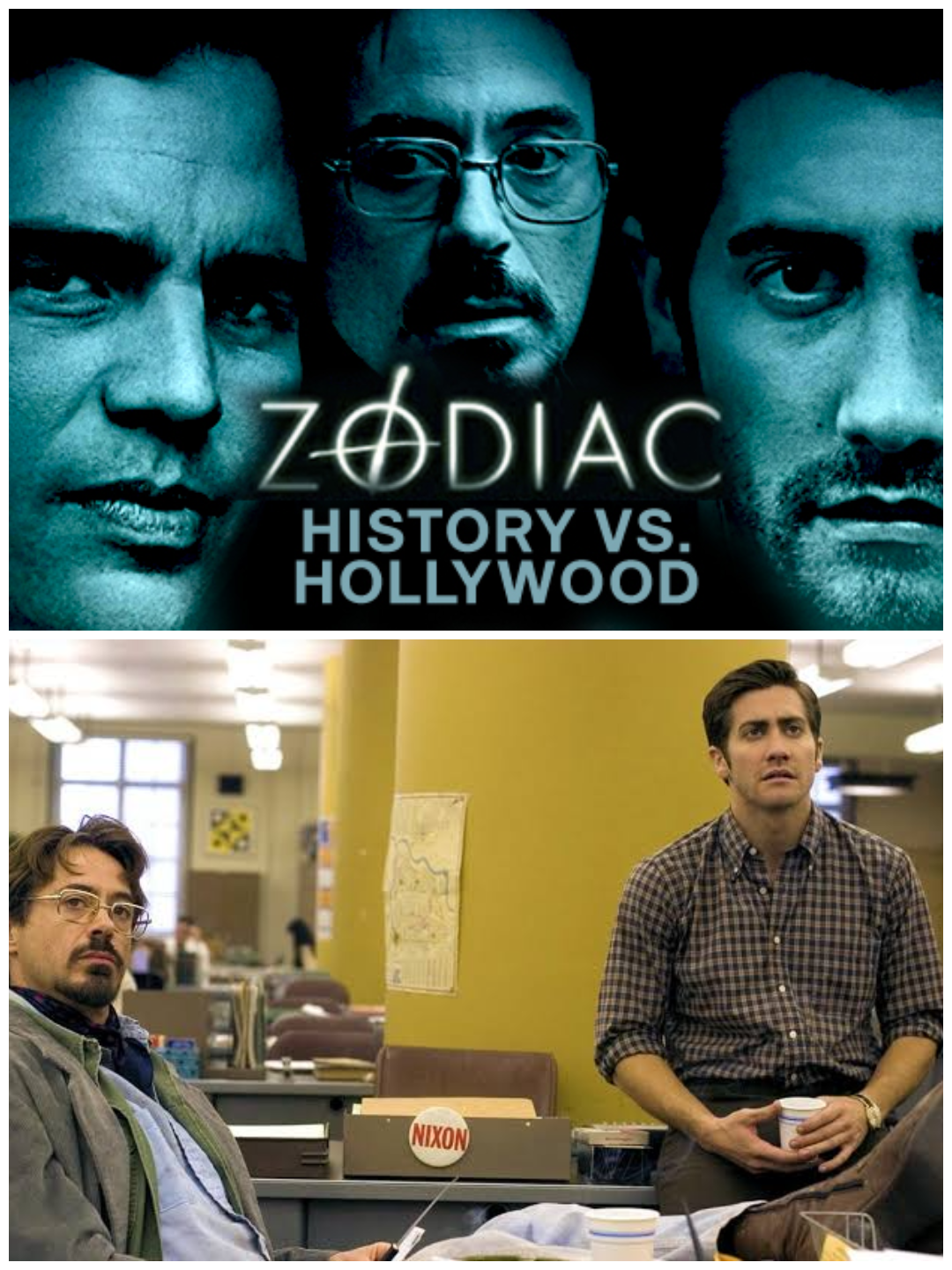
David Fincher’s Zodiac is unusual among serial-killer movies because it refuses to provide audiences with the one thing they normally expect:
An answer.
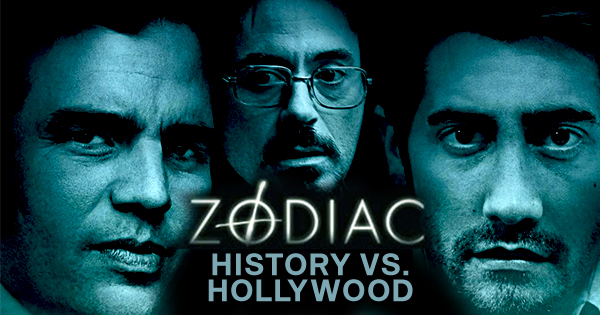
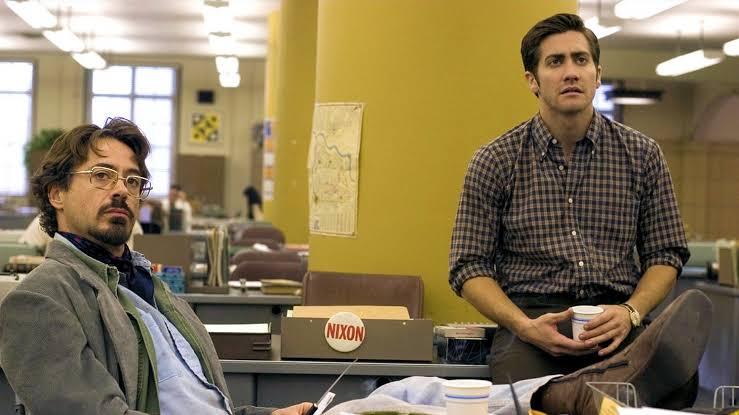
The 2007 film follows cartoonist Robert Graysmith, crime reporter Paul Avery and San Francisco police inspector David Toschi as their lives become consumed by the unidentified killer who terrorized Northern California during the late 1960s.
Jake Gyllenhaal plays Graysmith.
Robert Downey Jr. portrays Avery.
Mark Ruffalo takes on Toschi.
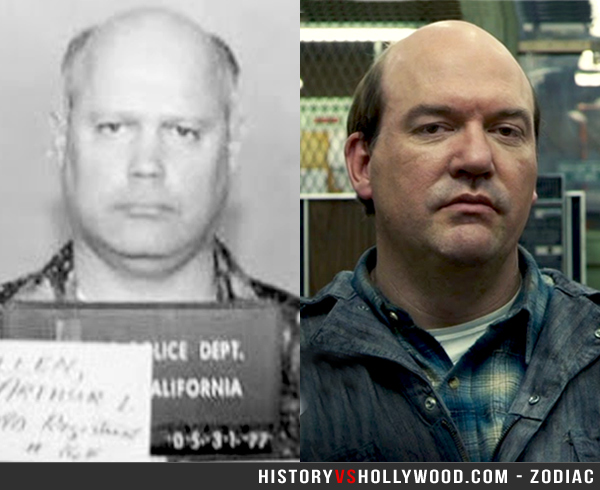
And John Carroll Lynch gives one of the movie’s most unsettling performances as Arthur Leigh Allen, the suspect Graysmith ultimately became convinced was the Zodiac.
Much of the movie came from Graysmith’s books and years of research into the case. Fincher also made an extraordinary effort to recreate several attacks with precision.
But Zodiac is still a dramatization.
Some encounters were altered. Certain suspicions are presented more strongly than the available evidence allows. And while the movie points heavily toward Arthur Leigh Allen, he was never charged with the Zodiac murders.
More than half a century after the killings, the identity of the Zodiac remains one of America’s most famous unsolved mysteries.
How Many People Did the Zodiac Actually Kill?
The Zodiac claimed far more victims than investigators could ever confirm.
In his letters, he eventually claimed a total of 37 murders.
Authorities have traditionally connected him conclusively to five deaths and two survivors from four attacks between December 1968 and October 1969.
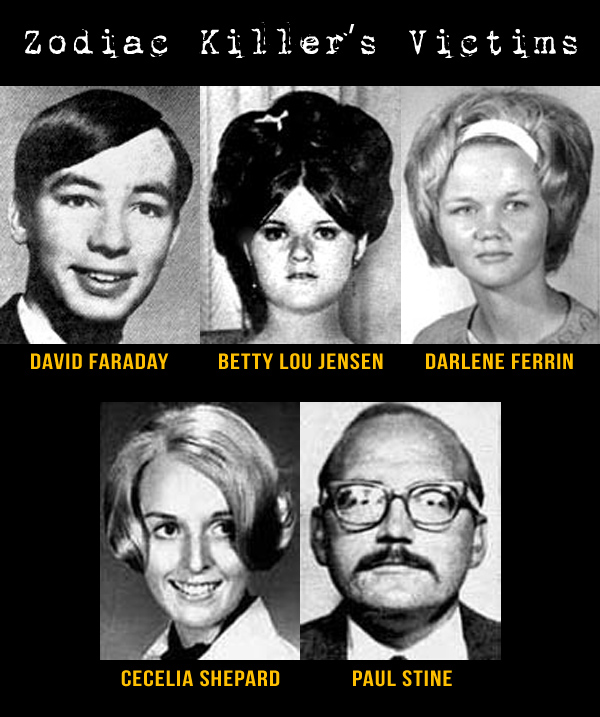
The known victims were:
- David Faraday, 17
- Betty Lou Jensen, 16
- Darlene Ferrin, 22
- Cecelia Shepard, 22
- Paul Stine, 29
Two other victims, Michael Mageau and Bryan Hartnell, survived attacks attributed to the Zodiac.
Faraday and Jensen were shot along Lake Herman Road on December 20, 1968.
Ferrin and Mageau were attacked at Blue Rock Springs Park on July 4, 1969.
Hartnell and Shepard were stabbed at Lake Berryessa on September 27, 1969.
Taxi driver Paul Stine was shot in San Francisco’s Presidio Heights neighborhood on October 11, 1969.
Everything beyond those attacks becomes far less certain.
The Zodiac repeatedly claimed additional victims, but investigators have never proved that all — or even most — of those claims were true.
Was Robert Graysmith Really a Cartoonist at the San Francisco Chronicle?
Yes.
Robert Graysmith was working as a political cartoonist at the San Francisco Chronicle when letters from the Zodiac began arriving at Bay Area newspapers.
He wasn’t a police officer.
He wasn’t a crime reporter.
And he wasn’t originally assigned to investigate the murders.
What fascinated him were the letters, the symbols and the apparent failure of different police agencies to combine all of the available information.
The Zodiac investigation crossed multiple jurisdictions, meaning Vallejo police, the San Francisco Police Department, Napa County authorities and other agencies were all dealing with different pieces of the puzzle.
Graysmith became convinced that useful information was being lost between departments.
He eventually began gathering records himself.
What started as curiosity turned into an investigation that lasted roughly a decade and eventually produced his 1986 bestseller Zodiac.
Did the Case Really Destroy Graysmith’s Marriage?
According to Graysmith, yes.
The movie shows his interest in the case gradually becoming an obsession.
He spends nights studying letters, contacting investigators, researching suspects and surrounding his home with case material while his wife Melanie becomes increasingly frustrated.
That broad idea came from Graysmith’s real life.
He later acknowledged that his years of work on Zodiac damaged his marriage and affected his relationship with his children.
The investigation had effectively become the most important thing in his life.
Even years later, however, Graysmith said he probably would make the same choice again.
For him, Zodiac had become the kind of mystery that didn’t simply interest a person.
It took over.
Did Arthur Leigh Allen Really Wear a Zodiac Watch?
Yes.
This is one of the strangest pieces of circumstantial evidence surrounding Allen.
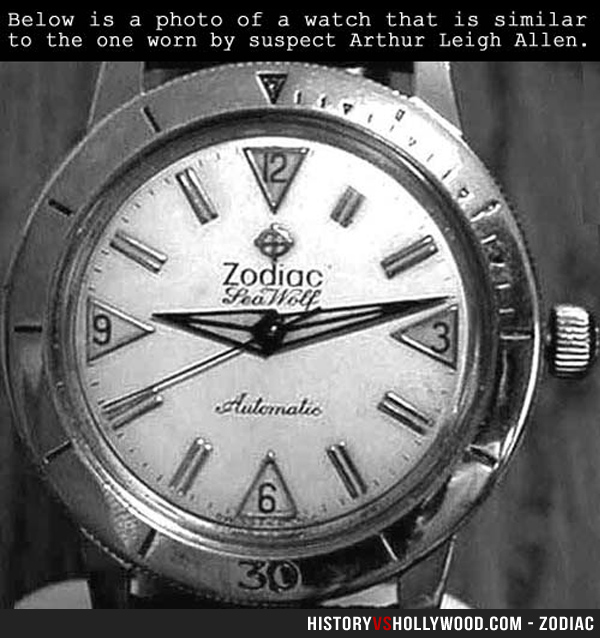
John Carroll Lynch’s character wears a wristwatch bearing the word Zodiac and the same crosshair-like symbol used by the killer in his correspondence.
The real Arthur Leigh Allen owned a Zodiac Sea Wolf watch featuring that symbol.
For Robert Graysmith, the detail was deeply suspicious.
But owning the watch was not evidence that Allen had committed murder.
The Zodiac Watch company existed independently of the killer, and the symbol wasn’t invented by Allen.
Still, when combined with other circumstances that drew investigators toward him, the watch became one of the most memorable clues in the case.
Was Arthur Leigh Allen Really the Police’s Main Suspect?
He was certainly one of the most important suspects ever investigated.
Allen lived in Vallejo and came to law enforcement attention through several circumstances that investigators considered suspicious.
One acquaintance told police that Allen had discussed an idea involving killing people and calling himself Zodiac.
Allen had also been near Lake Berryessa around the date of the attack there and owned weapons.
He was questioned multiple times.
Search warrants were eventually executed at his home.
Graysmith became particularly convinced that Allen was the killer, and Fincher’s movie largely follows Graysmith’s interpretation.
But Allen was never charged with any Zodiac murder.
Investigators also encountered significant evidence that did not neatly fit him, including handwriting comparisons and later DNA testing.
The movie’s strong focus on Allen therefore reflects Graysmith’s conclusion more than a legally established solution.
Did Michael Mageau Really Survive Being Shot by the Zodiac?
Yes.
On July 4, 1969, 19-year-old Michael Mageau was sitting in a parked car with 22-year-old Darlene Ferrin at Blue Rock Springs Park.
A second vehicle arrived and parked nearby.
It left.
Then it returned.
The driver approached Ferrin’s car while shining a bright flashlight toward the couple, making Mageau initially wonder whether the man might be a police officer.
Instead, the attacker opened fire with a 9mm handgun.
After walking away, he heard Mageau crying out and returned to fire additional shots.
Ferrin died.
Mageau survived despite being hit four times.
Years later, Mageau identified Arthur Leigh Allen from a photograph as the man he believed had attacked him.
Critics of that identification have pointed out that it occurred decades after the shooting and followed years of publicity surrounding Allen.
The identification therefore remains one of the disputed pieces of evidence against him.
Did Bryan Hartnell Really Survive the Lake Berryessa Attack?
Yes.
The Lake Berryessa attack is one of the most disturbing sequences in Fincher’s movie, and the filmmakers made a serious effort to recreate it accurately.
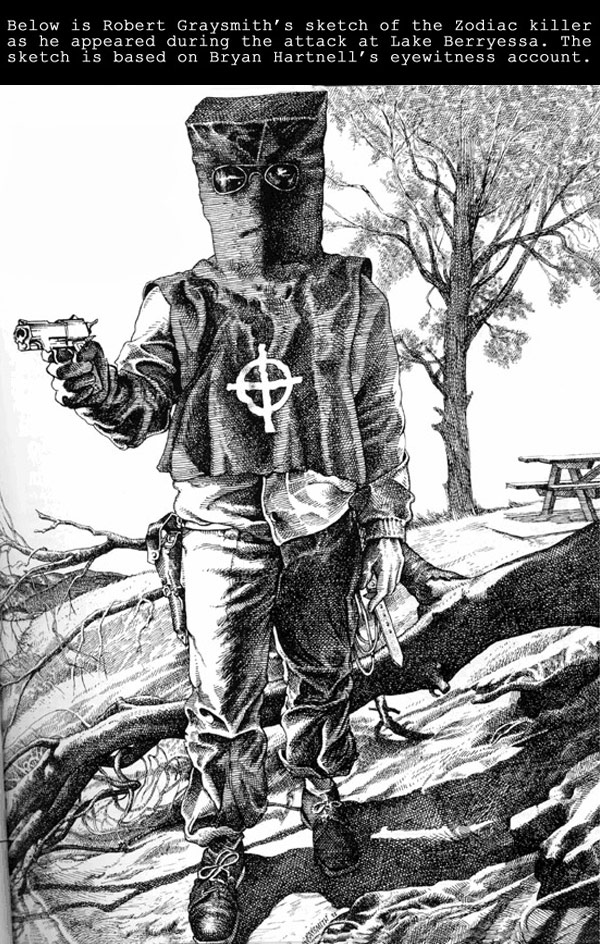
On September 27, 1969, college students Bryan Hartnell and Cecelia Shepard were relaxing near the lake when a man approached wearing an unusual black hood.
The hood displayed the Zodiac’s crosshair symbol.
The attacker carried a gun and initially claimed to be an escaped prisoner who needed money and a vehicle.
He ordered Shepard to tie Hartnell.
Then he tightened the restraints himself and tied Shepard.
Hartnell still believed they were dealing with a robbery.
Then the man began stabbing him.
Hartnell was stabbed multiple times in the back before the attacker turned toward Shepard.
Shepard suffered even more severe wounds and died three days later.
Hartnell survived.
He later advised Fincher during production and said the director was committed to reproducing the event without sensationalizing what had happened.
The movie returned to the real location at Lake Berryessa for the recreation.
Did the Zodiac Really Leave a Message on Hartnell’s Car?
Yes.
After attacking Hartnell and Shepard, the killer wrote on the door of Hartnell’s car.
The message listed dates and locations of earlier attacks and ended with the date of the Lake Berryessa stabbing.
It also included the Zodiac symbol.
The writing helped investigators connect the knife attack to the same person who had claimed responsibility for earlier shootings.
The Lake Berryessa crime was also unusual because it was the only confirmed attack in which the Zodiac wore the elaborate hooded costume later so closely associated with his image.
Did a Police Officer Really Pass the Zodiac After Paul Stine’s Murder?
According to officer Donald Fouke, yes.
On October 11, 1969, the Zodiac shot taxi driver Paul Stine in San Francisco.
Teenage witnesses saw a man around the cab and contacted police.
But an early police broadcast mistakenly described the suspect as Black.
Officer Donald Fouke and his partner were driving toward the scene when they passed a white man walking nearby.
Because he did not match the erroneous description they had received, they did not detain him.
The suspect description was corrected moments later.
Fouke later said he believed the man he saw could have been Zodiac.
Even more remarkably, the killer later wrote about the incident himself, mocking police for failing to stop him.
If Fouke really did see Zodiac that night, law enforcement may have passed within feet of one of America’s most wanted killers and continued driving.
Did Zodiac Really Cut Off Part of Paul Stine’s Shirt?
Yes.
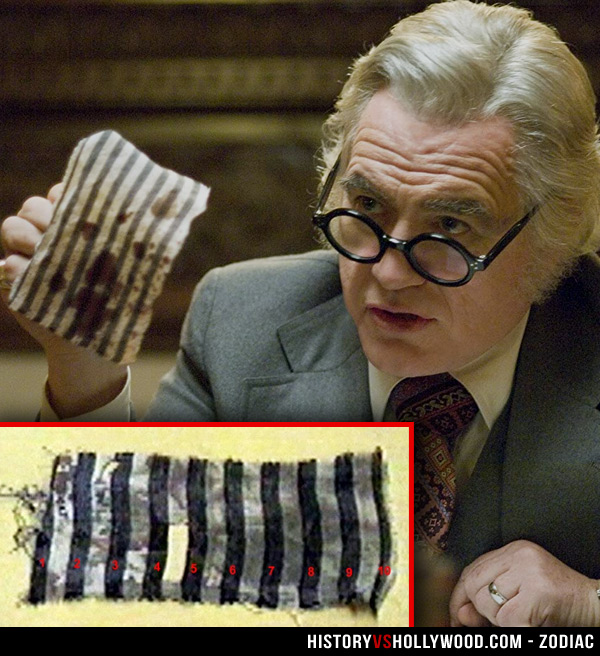
After murdering Stine, the killer removed pieces of the taxi driver’s bloodstained shirt.
He later mailed portions to newspapers as proof that his letters were genuine.
Three days after the murder, the San Francisco Chronicle received a letter containing one piece.
The writer identified himself as the taxi driver’s murderer.
Additional portions of the shirt were sent in later communications.
Those pieces became particularly important because they offered physical proof that whoever was writing at least some of the letters had direct access to Stine’s body.
Unlike many people who falsely claimed to be Zodiac, this writer possessed evidence only the killer should have had.
Did Zodiac Really Threaten to Attack a School Bus?
Yes.
After Stine’s murder, one Zodiac letter included a horrifying threat involving school children.
The writer described a plan to disable a school bus and shoot children as they attempted to escape.
The threat was taken seriously enough to create fear across the Bay Area.
David Fincher was a child living in the region at the time.
He later recalled the atmosphere surrounding the case and remembered police protection around school buses.
That childhood experience helped make Zodiac unusually personal for the director.
He wasn’t merely recreating a historic series of crimes.
He had grown up inside the fear they produced.
Did Someone Claiming to Be Zodiac Really Call a Television Show?
Yes — but there is an important complication.
In October 1969, a man claiming to be Zodiac contacted KGO-TV and asked to speak with attorney Melvin Belli.
The caller used the name “Sam.”
Belli appeared on the program and spoke with him.
For years, the call became part of Zodiac mythology.
However, later evidence raised significant doubts about whether the caller was actually the killer.
The solved Z340 cipher would eventually contain a message indicating that Zodiac was not the person who had appeared on the television show.
So while the call really happened, the man on the phone may have been an impostor.
Was Attorney Melvin Belli a Real Celebrity Lawyer?
Very much so.
Brian Cox plays Belli in the movie.
The real Melvin Belli was one of America’s most famous attorneys and represented numerous celebrities and high-profile clients.
Zodiac also mailed correspondence directly to him.
That made Belli another unwilling participant in the killer’s strange relationship with the media.
The killer appeared to enjoy creating a public performance around the investigation.
Newspapers, television personalities and famous figures all became part of that performance.
Belli’s involvement demonstrates how far the case had moved beyond ordinary criminal investigation and into national spectacle.
Did Zodiac Really Send Ciphers to Newspapers?
Yes.
The ciphers became one of the defining features of the case.
In July 1969, the killer sent three parts of a 408-character cipher to three Bay Area newspapers and demanded that they publish them.
A married couple, Donald and Bettye Harden, solved that cipher within days.
The decoded message described the writer’s enjoyment of killing and his belief that the victims would become his slaves in the afterlife.
But it did not contain his identity.
Then came an even more difficult puzzle.
In November 1969, Zodiac mailed a 340-character cipher known as Z340.
That one resisted professional and amateur codebreakers for more than half a century.
Was the Z340 Cipher Ever Solved?
Yes — but decades after Fincher made the movie.
In December 2020, David Oranchak, Sam Blake and Jarl Van Eycke successfully decoded Z340.
The FBI verified their solution.
The message included more of Zodiac’s familiar themes about death and the afterlife and also stated that the person who had appeared on the television show was not him.
But anyone hoping the cipher would finally reveal Zodiac’s name was disappointed.
It didn’t.
Solving one of the world’s most famous unsolved cryptograms answered a 51-year-old puzzle without answering the biggest question in the case:
Who wrote it?
Did a Woman Named Kathleen Johns Really Escape From Someone Who May Have Been Zodiac?
Yes, although the story remains controversial.
On March 22, 1970, Kathleen Johns was driving with her infant daughter when another motorist signaled that something appeared wrong with her vehicle.
The man offered to help with her wheel.
After she drove away, the wheel came off.
The stranger then offered her a ride to a service station.
Johns later said the drive became terrifying.
The man repeatedly passed places where she expected him to stop.
Eventually, she escaped from the vehicle while carrying her baby and hid nearby until the man left.
At a police station, she reportedly recognized the Zodiac composite sketch.
Her abandoned car was later found burned.
Then Zodiac himself claimed responsibility in a letter.
That sounds conclusive, but there is a problem.
Johns’ descriptions changed over time.
Details published months after the event were more threatening and dramatic than portions of her earliest police statements.
For that reason, investigators and Zodiac researchers have never universally agreed that the man was actually Zodiac.
Did Paul Avery Really Become Consumed by the Case?
Paul Avery was a real San Francisco Chronicle reporter who covered Zodiac extensively.
His reporting made him a recognizable public figure in the case.
It also attracted Zodiac’s attention.
In October 1970, Avery received a Halloween card apparently sent by the killer.
The card included a threat against him.
Afterward, Avery began carrying a handgun and his colleagues jokingly gave him buttons declaring that they were not Paul Avery.
Robert Downey Jr.’s performance exaggerates aspects of Avery’s personality and decline for dramatic effect, but the real reporter did become deeply connected to the investigation.
He later worked on other major crime stories before dying in 2000 at age 66.
Did Robert Graysmith Really Visit That Terrifying Basement?
According to Graysmith, yes.
One of the creepiest scenes in Zodiac occurs when Graysmith investigates a possible connection involving suspect Rick Marshall.
He visits a man believed to have known Marshall and asks about handwriting on old movie posters.
Graysmith believes Marshall produced the lettering.
Instead, the man tells him that he made the posters.
That means the handwriting clue Graysmith had followed now points toward the person whose house he is standing inside.
Then Graysmith goes into the basement.
He hears what sounds like footsteps upstairs despite having been told nobody else is home.
The sequence plays like pure David Fincher suspense.
Yet Graysmith has maintained that the encounter and the mysterious footsteps really happened.
No evidence ever established that the man was Zodiac, but the experience illustrates what Graysmith’s investigation had become.
By this stage, almost every clue seemed capable of leading him into another dark room with another possible suspect.
Was Rick Marshall Really Considered a Zodiac Suspect?
Yes.
Marshall worked as a projectionist in San Francisco and attracted attention from amateur investigators because of several unusual coincidences.
Handwriting associated with movie posters appeared somewhat similar to Zodiac’s writing.
He also had connections to old films, including titles that researchers attempted to connect to Zodiac’s language and imagery.
None of those links produced sufficient evidence to identify Marshall as the killer.
The movie includes him mainly because his story demonstrates how many apparently promising leads emerged during the investigation.
According to History vs. Hollywood, thousands of possible suspects were considered over the years.
Marshall was one of many whose circumstances appeared intriguing without becoming proof.
Did Graysmith Really Meet Arthur Leigh Allen at a Hardware Store?
Yes, although Fincher alters the encounter.
Near the end of Zodiac, Graysmith walks into the Ace Hardware store where Allen works.
The two men stare directly at one another.
The moment gives the film an almost-confrontation between investigator and suspected killer.
The real encounter happened differently.
Graysmith said he had been following Allen and parked outside the hardware store.
Allen apparently noticed him.
Rather than facing each other inside the store exactly as the movie depicts, Allen pulled his vehicle alongside Graysmith’s car in the parking area and stared at him.
Graysmith also sent other people into the store hoping they could obtain samples of Allen’s handwriting from receipts or other materials.
Allen worked at the Vallejo Ace Hardware for years before health complications forced him to stop.
Why Did Graysmith Believe Allen Was Zodiac?
There was no single piece of evidence.
That is precisely what makes the case complicated.
Graysmith accumulated a collection of circumstances he considered compelling:
Allen owned the Zodiac watch.
He had been discussed by people who knew him.
He lived near early crime locations.
He had allegedly spoken about ideas resembling the Zodiac murders.
He had connections to places relevant to the case.
Michael Mageau later identified him.
Certain investigators also regarded him seriously enough to obtain search warrants.
For Graysmith, the collection of coincidences became overwhelming.
But circumstantial evidence that feels persuasive in a book or movie isn’t necessarily enough to prosecute someone for murder.
Allen died without ever being charged in the Zodiac case.
Didn’t DNA Evidence Exclude Arthur Leigh Allen?
A partial DNA result complicated the case against him.
In 2002, testing was performed on material associated with a stamp from Zodiac correspondence.
The resulting partial male profile reportedly did not match Allen.
Graysmith remained unconvinced.
He argued that decades of handling and poor preservation could have contaminated the letters and questioned whether Zodiac necessarily licked the stamps himself.
That is a legitimate reason to be cautious about treating old, partial DNA as perfect evidence.
But the reverse is also true:
A person cannot simply dismiss evidence every time it points away from a preferred suspect.
The available DNA has never established Arthur Leigh Allen as Zodiac.
Nor has it conclusively identified anyone else.
Did Zodiac Really Claim 37 Victims?
Yes.
The number appeared in his later correspondence.
But there is no evidence that Zodiac actually murdered 37 people.
Serial offenders sometimes exaggerate their crimes, and Zodiac had an obvious desire for publicity.
His letters repeatedly attempted to increase fear, mock investigators and strengthen his own mythology.
The five confirmed murder victims therefore remain very different from the much larger body count the killer claimed for himself.
Did David Fincher Deliberately Avoid Giving the Movie a Definitive Solution?
Yes, because reality didn’t provide one.
The film clearly leans toward Arthur Leigh Allen.
Graysmith becomes convinced.
Mageau identifies him years later.
The final scenes leave viewers with the uncomfortable sense that they may have just looked at Zodiac.
But Fincher stops short of declaring that the case has been solved.
That restraint is essential.
Arthur Leigh Allen was never convicted.
He was never even charged with one of the Zodiac murders.
And several pieces of forensic evidence failed to match him.
The movie therefore ends in roughly the same emotional place as the real investigation:
With suspicion, but not certainty.
Did Arthur Leigh Allen Die Before the Case Could Be Resolved?
Allen died on August 26, 1992.
He was 58.
Long-term complications from diabetes had severely damaged his health. He suffered kidney failure, required dialysis and had become legally blind.
He died only days after police had executed another search of his residence.
Because he died without being charged, there was never a Zodiac trial in which prosecutors could publicly present a complete case against him and allow a defense team to challenge it.
Biological material from Allen has nevertheless remained available for comparison with potential forensic evidence.
So his death did not make scientific testing impossible.
What remains difficult is finding reliable Zodiac DNA in the first place.
Is the Zodiac Case Solved Today?
No.
This is one area where the original History vs. Hollywood article, published in 2013, needs updating.
There have been numerous headlines over the years claiming that amateur investigators, private groups or family members have finally identified the Zodiac.
None has resulted in an official solution accepted by law enforcement.
The biggest confirmed breakthrough came in December 2020, when the Z340 cipher was finally solved after 51 years.
The FBI verified the solution.
But the message contained no name.
As of the most recent reliable updates, the killer’s identity remains unknown, and the case remains one of the most famous unsolved serial-murder mysteries in American history.
Why Zodiac Still Feels So Unsettling
Most true-crime movies offer some form of closure.
The killer is identified.
An arrest is made.
Evidence is presented.
A jury reaches a verdict.
Zodiac cannot do that.
Instead, David Fincher follows the psychological damage caused by never knowing.
Paul Avery becomes increasingly consumed by the story.
David Toschi spends years chasing evidence that never produces the arrest he wants.
Robert Graysmith allows the mystery to dominate his private life.
And audiences follow them through suspect after suspect, clue after clue, until Arthur Leigh Allen appears to fit so perfectly that we want the movie to simply tell us he did it.
It refuses.
That may be the film’s most accurate choice.
The real Zodiac case contains countless details that look meaningful.
The watch.
The handwriting.
The phone calls.
The ciphers.
The surviving witnesses.
The bloody shirt.
The police officer who may have passed the killer on a San Francisco street.
Arthur Leigh Allen.
Rick Marshall.
Thousands of other suspects.
And now even a cipher that remained unsolved for more than half a century has finally been decoded.
Yet the most important piece remains missing.
The Zodiac repeatedly promised that his writings contained clues to his identity.
More than five decades later, none has conclusively revealed it.
David Fincher’s movie ends without solving the mystery because history still hasn’t solved it either.
For once, the lack of an ending isn’t a storytelling choice.
It’s the truth.