Shaq Asked to Be in Avengers. The Reason He Says Hollywood Told Him No Is the Opposite of What Most Actors Hear
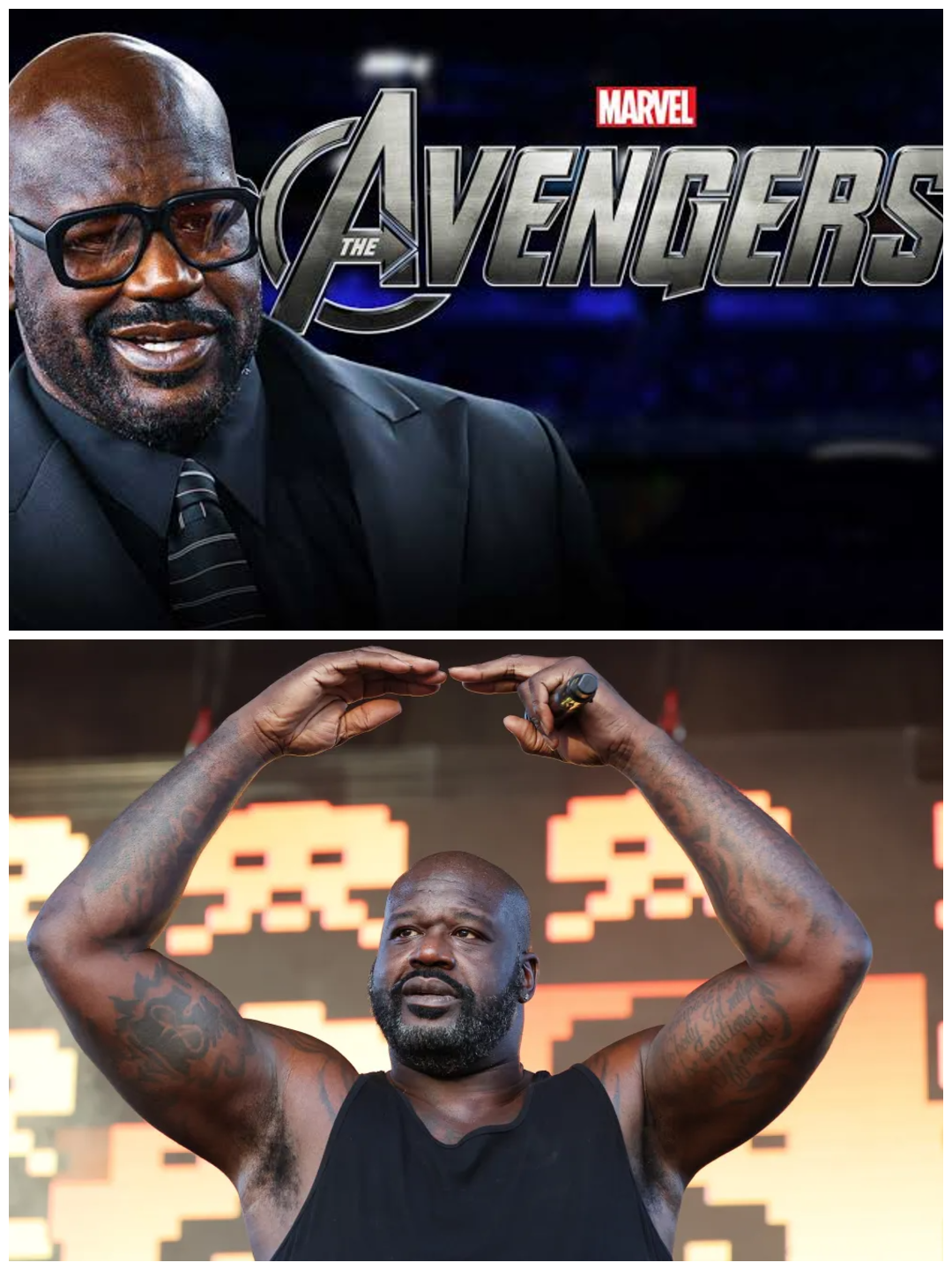
Shaquille O’Neal has spent most of his public life being told that his size, personality and star power make him impossible to ignore.
In Hollywood, he says that may be exactly the problem.
The NBA legend and longtime television personality recently opened up about his acting ambitions and revealed that he wanted a role in Marvel’s Avengers universe. But according to Shaq, executives believed his fame would make it difficult for audiences to see him as anyone other than Shaquille O’Neal.
In other words, the very celebrity that helped him become one of the most recognizable figures in American sports may have worked against him when he wanted to disappear into a major action character.
“I wanted to be in Avengers,” O’Neal told Variety while discussing the kinds of movie roles he still hopes to pursue.
But he said the response from Hollywood was essentially that audiences would immediately recognize “Shaq” rather than fully believe whatever character he was supposed to be playing.
For most aspiring actors, the challenge is becoming famous enough to be considered for a blockbuster.
Shaq’s problem, as he tells it, is the opposite.
He may already be too famous.
Shaq Has Been Acting for Decades
O’Neal, 54, is best known for a basketball career that made him one of the most dominant centers in NBA history.
But acting has never been a completely separate part of his life.
During the height of his basketball fame in the 1990s, Shaq appeared in several movies, including Blue Chips in 1994 and the fantasy comedy Kazaam in 1996.
Then came perhaps his most ambitious leading role.
In 1997, he played the title character in Steel, a superhero movie based on the DC Comics character John Henry Irons.
The film arrived long before superhero movies became Hollywood’s dominant commercial genre. It was not a major critical or box-office success, but it remains an unusual piece of comic-book movie history: one of the world’s biggest athletes playing a full-fledged superhero decades before Marvel’s cinematic universe became a global phenomenon.
That experience clearly did not kill Shaq’s interest in the genre.
Years later, he still wanted another opportunity.
This time, he had his eye on Marvel.
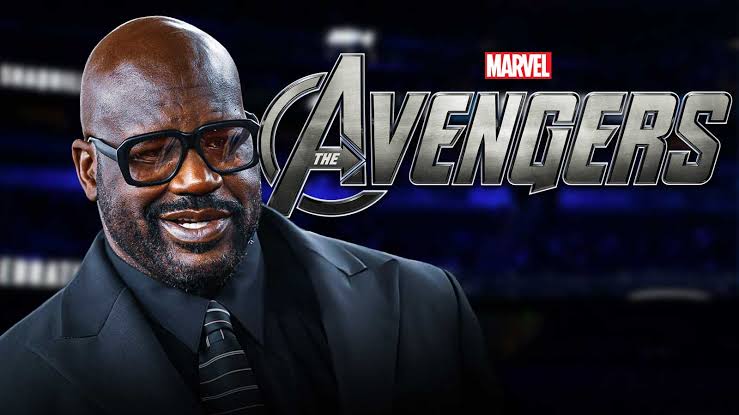
He Wanted Into the Avengers World
The Avengers films became some of the biggest movies ever made, bringing together characters including Iron Man, Captain America, Thor, Hulk, Black Widow and Hawkeye.
For an entertainer with Shaq’s physical presence, a supporting action role would seem like a natural fit.
He certainly believed so.
In his Variety interview, O’Neal said he made it known that he wanted to participate in an Avengers movie.
But the problem, he said, had nothing to do with whether he looked imposing enough or whether he could handle the physical demands of an action production.
It was his identity.
Executives, according to Shaq, worried that audiences would not see the fictional character first.
They would see him.
That is a challenge known in Hollywood as typecasting or star-image interference, but Shaq’s version is especially extreme because his public persona extends far beyond basketball.
He has been an athlete, rapper, actor, businessman, pitchman, broadcaster and television personality.
His voice, height, humor and face are instantly recognizable.
Casting directors may see all of that visibility as useful for commercials or comedy.
For a character that requires viewers to forget the celebrity underneath, it can become more complicated.
Fame Can Sometimes Make Acting Harder
Movie stars are often marketed precisely because audiences recognize them.
Tom Cruise, Dwayne Johnson and Will Smith are not expected to become anonymous when they appear onscreen.
Their celebrity is part of the product.
But some roles depend more heavily on immersion.
If a studio wants viewers to believe completely in a superhero, villain or fictional warrior, an actor’s offscreen identity can sometimes be viewed as a distraction.
That appears to be the explanation Shaq says he encountered.
He was not being told he lacked enough star power.
He was being told his star power might overwhelm the role.
There is a strange irony in that.
O’Neal spent his basketball career building one of the biggest personal brands in professional sports. Even people who never followed the NBA often know who Shaq is.
That level of recognition creates enormous business opportunities.
But in dramatic acting, it can also make it difficult to convince audiences that Shaq has disappeared and someone else has taken his place.
Steel Still Follows Him
Shaq’s history with superhero movies also makes his Marvel interest more interesting.
Steel was released in 1997, when comic-book adaptations were far less reliable at the box office than they would become in the 2000s and 2010s.
O’Neal played weapons designer John Henry Irons, who creates a suit of armor and becomes the hero Steel.
The movie was widely criticized and performed poorly commercially.
For years, it became one of those credits frequently mentioned when discussing Shaq’s acting career.
But O’Neal has never appeared particularly embarrassed by the experience.
Instead, he has continued to speak about wanting more action roles.
That suggests he does not view Steel as the final word on what he could do in the genre.
Almost three decades later, superhero movies have changed dramatically.
So has Shaq.
The question is whether Hollywood’s perception of him has changed enough to give him another chance.
He Still Wants an Action-Movie Opportunity
O’Neal made clear that his interest in action movies has not disappeared.
He still sees himself as someone who could bring something entertaining to the genre.
And he has even suggested one potential co-star.
Dwayne “The Rock” Johnson.
The pairing would make obvious sense on a purely visual and personality level.
Both men transitioned from elite athletic careers into enormous entertainment brands.
Both are physically imposing.
Both have built reputations around humor, charisma and a larger-than-life public presence.
Johnson, however, managed to turn that familiarity into a full-scale movie career, starring in franchises including Fast & Furious, Jumanji and Black Adam.
Shaq appears interested in trying something similar, even if on a smaller scale.
A movie featuring the two together would also lean into the exact quality that some executives apparently viewed as a problem: the audience would absolutely know they were watching Shaq and The Rock.
That could be the point.
The Paradox of Being Shaq
O’Neal’s story highlights a strange contradiction in celebrity casting.
Hollywood often wants people who already have an audience.
Studios value recognizable names because recognizable names can attract attention.
But there is a point where recognition can become so strong that it interferes with the fiction.
Shaq may have reached that point.
He does not simply enter a room as a former athlete.
He enters as Shaq — a personality that has been reinforced for more than 30 years through basketball, television, advertising and pop culture.
That makes him extremely marketable.
It may also make him difficult to disguise.
Still, O’Neal does not sound ready to give up on the idea.
He wanted to join Avengers.
He still wants another action movie.
And he seems willing to keep asking.
For an actor trying to break into Hollywood, hearing “you’re not recognizable enough” would be disappointing.
Shaq says he encountered something much stranger.
Hollywood knew exactly who he was.
That was the problem.