Before Travis Barker Was Famous, His Mother Left Him With One Final Request. He Started Fulfilling It the Very Next Day
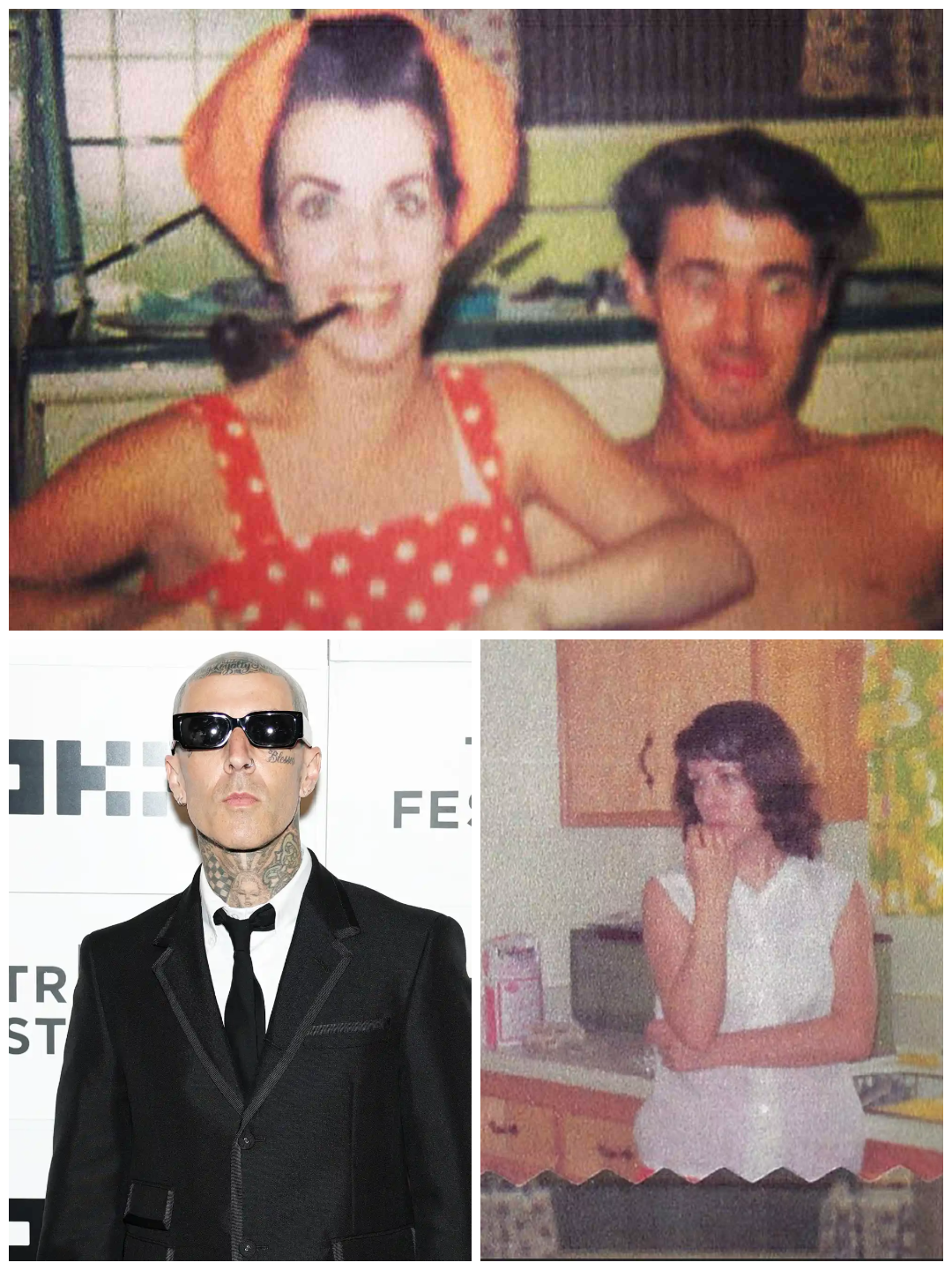
Long before Travis Barker became one of the most recognizable drummers in rock music, he was a teenager standing at the edge of a loss that would shape the rest of his life.
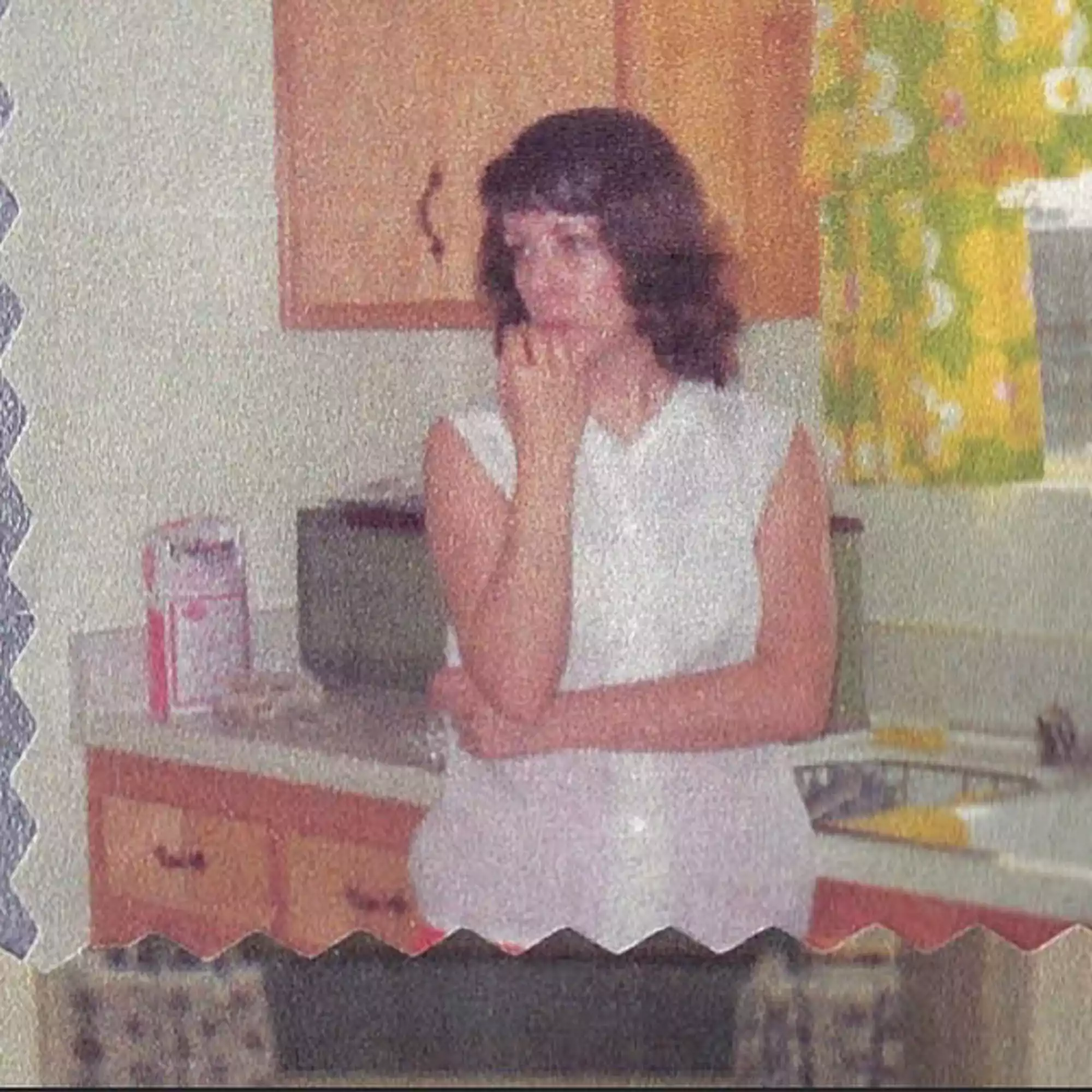
His mother, Gloria Barker, died in September 1990, just before Travis was set to begin high school.
He was still years away from Blink-182, platinum records, sold-out tours and the fame that would eventually make his name known around the world.
At that moment, he was simply a son trying to process the death of his mother.
But shortly before she died, Gloria gave him one final message.
She told him to keep playing music.
And according to Barker, he began trying to honor that request almost immediately.
In a recent conversation with Anderson Cooper connected to Cooper’s CNN podcast All There Is, Barker reflected on his mother’s death and the way her last words became a kind of lifelong instruction.
What makes the story especially powerful is not only what she told him.
It is what he did the very next day.
He Reached His Mother Before She Died
Barker, now 50, told Cooper that he was able to reach his mother on the day she died.
Gloria had been ill, and Barker was still very young when he found himself facing the reality that he was about to lose her.
During that final interaction, she encouraged her son to pursue music.
For Barker, those words did not become a sentimental memory he revisited years later.
They became a mission.
He has described feeling as though he needed to fulfill what his mother had asked of him, almost as if succeeding in music was one way of continuing his relationship with her after she was gone.
That sense of obligation stayed with him.
The next morning, after his mother’s death, Barker went to school.
And instead of pulling away from music, he threw himself deeper into it.

The Next Day, He Went Straight Toward Music
Barker told Cooper that he returned to school and immediately began focusing intensely on drumming and music programs.
He sought out every opportunity he could.
He joined school music activities.
He practiced constantly.
He treated drumming not as a hobby, but as something he needed to pursue with total commitment.
That response is striking because grief often leaves people disoriented and unable to focus.
Barker went in the opposite direction.
He took the final thing his mother had asked of him and turned it into structure.
Music became both an outlet and a promise.
He did not know where it would lead.
He could not have imagined the stages, albums, bands or decades of success ahead of him.
But he knew what Gloria had told him.
Keep going.
So he did.
His Mother Had Supported His Music From the Beginning
Barker’s relationship with drumming started long before he became a professional musician.
He began playing as a child and showed an early fascination with rhythm.
His mother supported that interest.
That context makes her final message especially meaningful.
She was not introducing a new dream to him.
She was validating one he already had.
For a teenager about to lose one of the most important people in his life, that kind of encouragement could become something much larger than ordinary parental advice.
It gave him direction at the exact moment his world was being destabilized.
Barker has said he felt driven to make good on what she wanted for him.
That sense of purpose would eventually become part of the discipline he is known for.
Even after success arrived, he continued to approach drumming with the intensity of someone who believed the work meant more than fame.

Years Later, That Promise Led to Blink-182
Barker’s path to international success was not immediate.
He played in local bands and developed a reputation as an unusually skilled and versatile drummer.
Eventually, he joined the ska-punk band The Aquabats.
That connection led him into the orbit of Blink-182.
When the band needed a drummer in the late 1990s, Barker stepped in.
His arrival helped reshape Blink-182’s sound and stage presence.
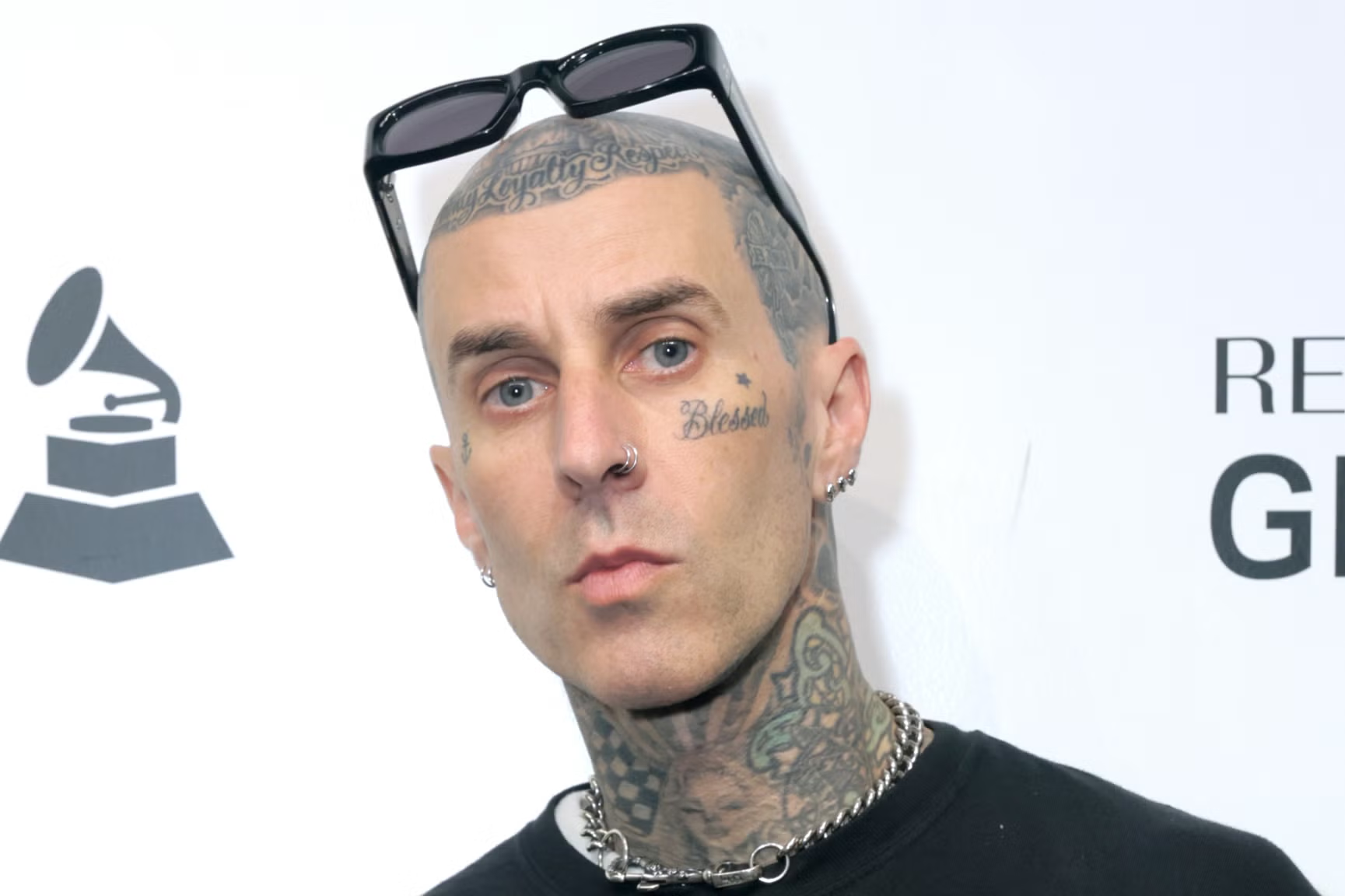
By 1999, the band released Enema of the State, the album that turned them into one of the biggest pop-punk acts in the world.
Songs like “What’s My Age Again?,” “All the Small Things” and “Adam’s Song” pushed the group into mainstream culture.
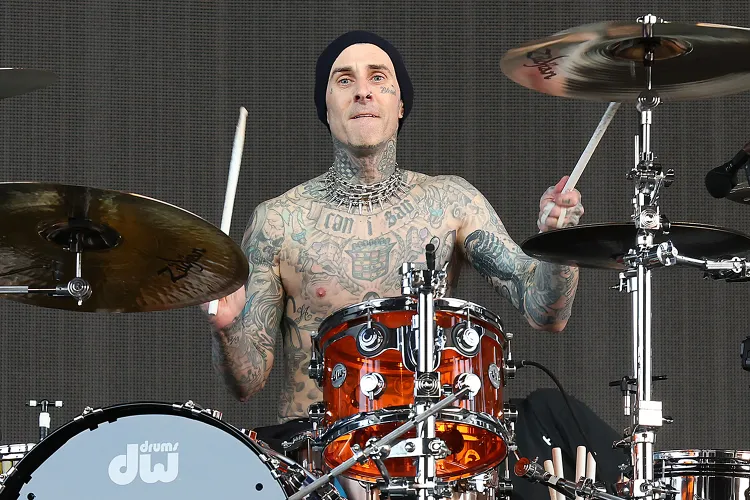
Barker’s fast, technical and highly recognizable drumming became one of the band’s defining features.
From there, his career expanded far beyond Blink-182.
He collaborated across rock, punk, hip-hop and pop. He became a producer, songwriter and one of the most sought-after drummers of his generation.
But beneath all of that success was a teenage memory he never forgot.
His mother had told him to pursue music.
He had taken her seriously.
Success Did Not Erase the Grief
Barker’s conversation with Cooper fits naturally into All There Is, a project centered on grief, loss and how people continue living after losing someone they love.
For Barker, his mother’s death was not something fame solved.
It was an event that became woven into the person he became.
That is an important distinction.
His career may look, from the outside, like a story about talent and ambition.
From Barker’s perspective, part of it is also a story about grief transformed into action.
The day after his mother died, he could not change what had happened.
He could not bring her back.
But he could do the one thing she had asked him to do.
Play.
Learn.
Practice.
Keep going.
That choice gave his grief somewhere to go.
The Words Became Bigger as His Career Grew
There is a painful irony in looking back at Gloria’s advice now.
When she told her son to pursue music, there was no guarantee that it would become a career.
She could not know that he would one day play arenas.
She could not know that millions of fans would recognize his name.
She could not know that his drumming would influence a generation of musicians.
She was speaking to her son, not to a future celebrity.
That may be why the memory still carries so much weight.
Her request was not about money or fame.
It was about who he was.
She saw something in him and told him not to abandon it.
Barker spent the decades that followed proving how seriously he took that advice.
A Final Message That Became a Lifelong Direction
Many people carry the last words of someone they loved.
For Barker, those words became unusually concrete.
His mother told him to pursue music.
The next day, he went to school and began doing exactly that.
There was no long pause.
No dramatic reinvention years later.
The response started immediately.
That is what gives the story its emotional force.
Before Travis Barker was a famous drummer, before Blink-182 and before the world knew his name, a grieving teenager made a decision.
He would honor his mother by becoming the musician she believed he could be.
More than three decades later, he is still doing it.
Gloria did not live to see the career that followed.
But the life Barker built in music became, in part, the answer to her final request.