Matt Damon Remembers Robin Williams Improvising One of Good Will Hunting’s Most Memorable Lines
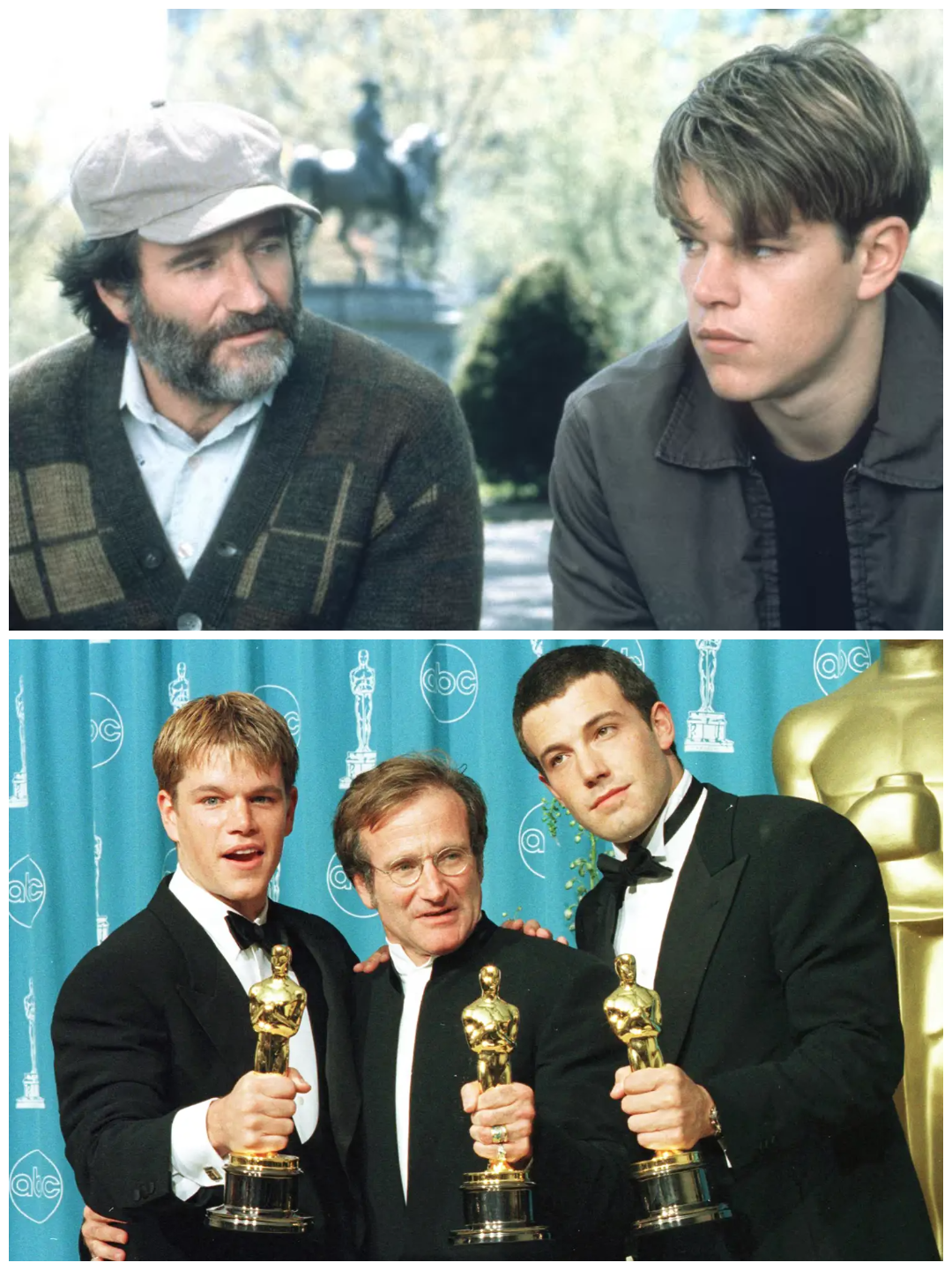
Nearly 30 years after Good Will Hunting became a defining film for Matt Damon, the actor is still revealing new details about the performance that helped make Robin Williams unforgettable.
Damon recently looked back on one of the movie’s most memorable scenes and said a key moment was not written exactly as audiences saw it.
It came from Williams.
The 1997 drama, written by Damon and Ben Affleck, follows Will Hunting, a brilliant but troubled young man from South Boston whose extraordinary mathematical talent is discovered while he is working as a janitor at MIT.
Williams plays Sean Maguire, the therapist who gradually breaks through Will’s defenses.
Their scenes together became the emotional center of the film, and Williams’ performance earned him the Academy Award for Best Supporting Actor.
But according to Damon, part of what made Williams so effective was his ability to take material that was already on the page and suddenly make it feel completely alive.
One famous example involved Sean telling Will about his late wife — and a small, embarrassing detail about their marriage that Williams improvised while the cameras were rolling.
Williams Turned a Serious Scene Into Something Completely Human
The scene comes during one of Will and Sean’s therapy sessions.
Will is initially guarded, defensive and determined to keep emotional distance from everyone around him.
Sean gradually responds by sharing parts of his own life.
At one point, he tells Will about his wife and begins describing the little things he misses after her death.
Then the scene takes an unexpected turn.
Sean says his wife used to fart in her sleep.
The moment becomes even funnier when he adds that one time she did it so loudly that she woke herself up.
Williams laughs as he tells the story.
Damon, sitting across from him, begins laughing too.
The camera itself even appears to shake slightly as the crew reacts.
For years, fans have pointed to the scene as an example of Williams’ ability to move between comedy and grief without breaking the emotional truth of the moment.
Damon now says that famous detail came directly from Williams.
It was improvised.
Damon Says Williams Simply Started Going Somewhere Else
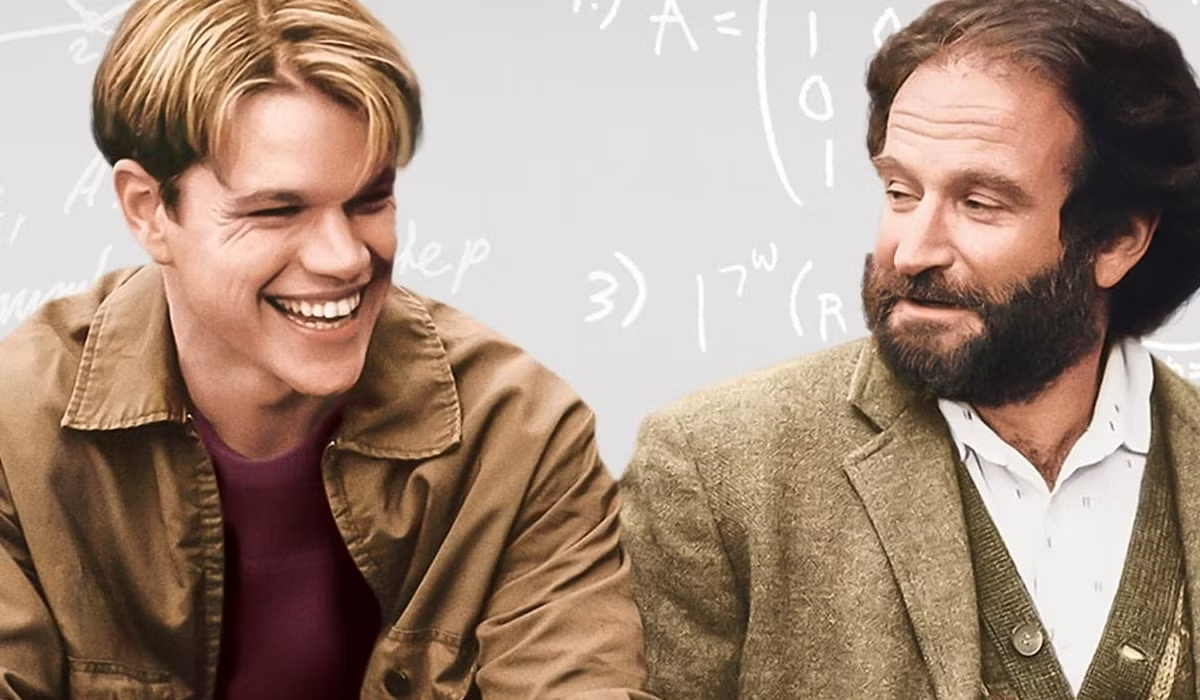
Speaking about the scene, Damon recalled the freedom Williams brought to the set.
Damon and Affleck had written the screenplay carefully, but once Williams began performing, he sometimes took the dialogue in directions they had not anticipated.
That was part of the excitement.
According to Damon, Williams did not simply ignore the script.
He understood the scene so well that he could expand it without losing its purpose.
The story about Sean’s wife is a perfect example.
The point of the scene is not really the joke.
It is intimacy.
Sean is trying to show Will that loving someone means knowing all of them — not just the polished or attractive parts.
The embarrassing habits.
The flaws.
The private moments no one else sees.
Williams’ improvised story made that idea instantly understandable.
Instead of giving Will a speech about vulnerability, Sean gives him a memory that is funny, tender and deeply personal.
The Laughter Was Real
One reason the scene remains so memorable is that Damon’s reaction does not feel like acting.
That is because, according to Damon, much of the laughter was genuine.
Williams’ improvisation caught him off guard.
Damon was not simply playing Will laughing at Sean.
He was Matt Damon reacting to Robin Williams doing something unexpected in the middle of a take.
That spontaneity gave the scene an energy that would have been difficult to manufacture.
It also explains why the moment feels almost too natural for a movie.
The actors are laughing.
The camera is moving.
The rhythm is slightly messy.
And that imperfection is exactly what makes it work.
Rather than weakening the dramatic scene, the humor makes the grief behind it stronger.
Sean can laugh about his wife because he loved her.
The memory hurts, but it is also precious.
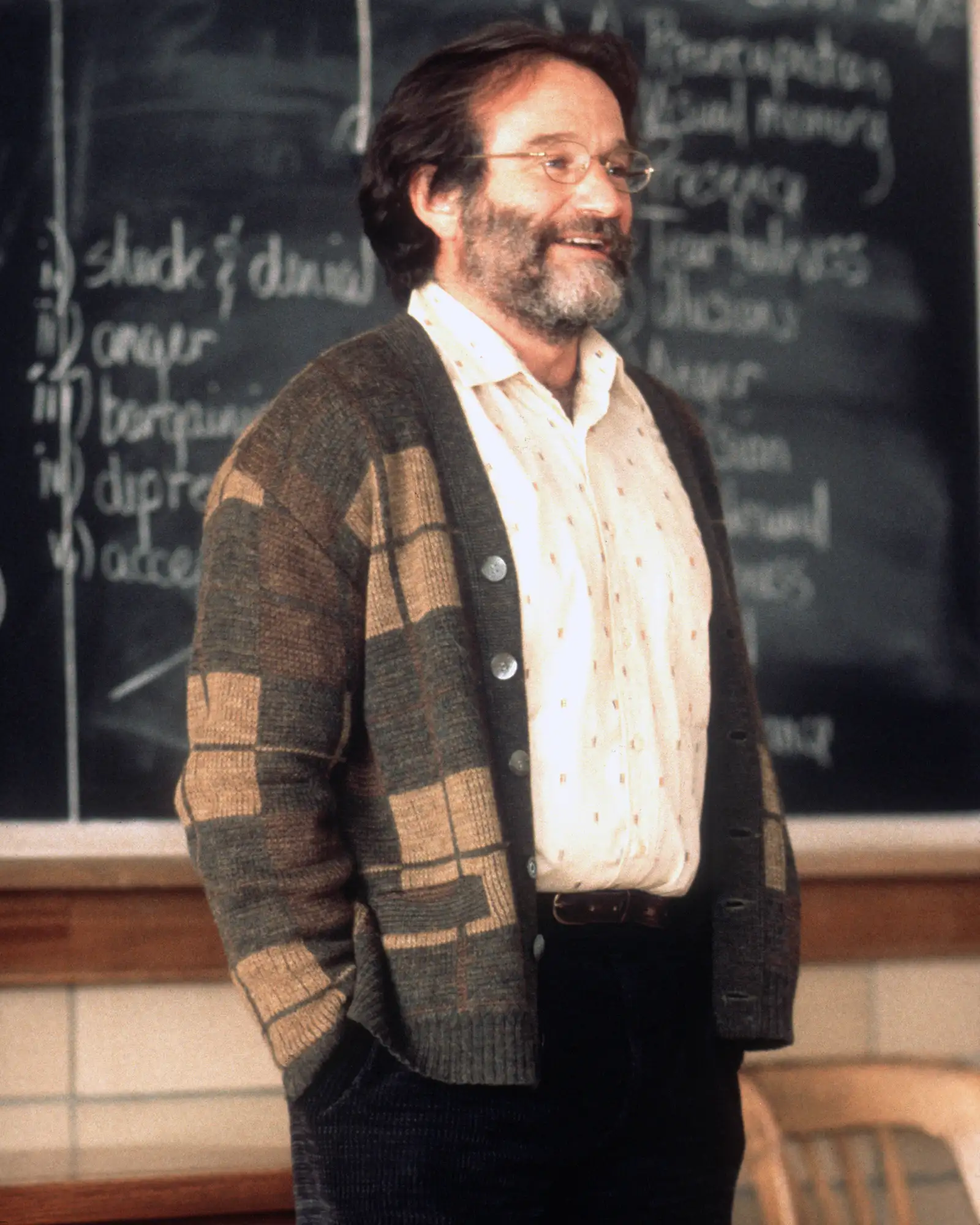
The Scene Reveals the Core of Sean’s Advice
Williams’ improvised line also strengthens one of the film’s central ideas.
Will is extremely intelligent, but he uses intelligence as protection.
He can analyze people.
He can humiliate them.
He can quote books and solve problems almost no one else understands.
But Sean keeps telling him that knowledge is not the same thing as experience.
Will may know facts about love, art, war and loss.
He has not necessarily lived those things.
Sean’s story about his wife pushes that argument further.
Real relationships are built from details outsiders would never understand.
The habits that annoy you can eventually become the things you miss most.
The imperfections become part of the person.
That message becomes much more powerful because Williams makes Sean’s memory specific rather than abstract.
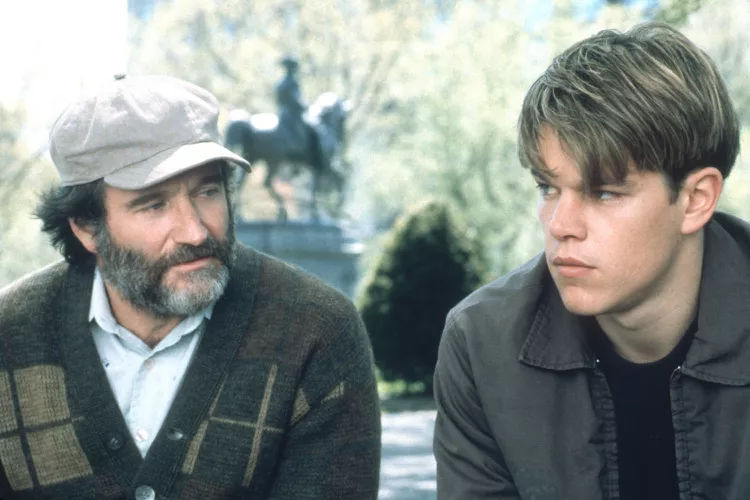
Robin Williams Was Already Known for Improvisation
By the time he made Good Will Hunting, Williams had long been famous for improvisation.
His stand-up background and rapid-fire comic instincts made him one of the most unpredictable performers in Hollywood.
Directors often gave him room to experiment because he could generate multiple variations of a scene.
That ability was especially famous in comedy.
But Good Will Hunting demonstrated that improvisation could also deepen dramatic material.
Williams did not play Sean as a constant comedian.
Much of the performance is quiet.
At times, he is angry.
At others, deeply wounded.
The humor emerges naturally from the character rather than feeling like Robin Williams stepping outside the role.
That balance was critical.
Sean needed to feel like a man who had lived through tremendous grief but had not lost his ability to connect with people.
The improvised story about his wife accomplishes exactly that.
Williams Helped Transform the Film
Damon and Affleck were still relatively young when Good Will Hunting was made.
The screenplay became their breakthrough and eventually won them the Academy Award for Best Original Screenplay.
But Williams was already an established star.
His involvement gave the project enormous credibility.
More importantly, his performance gave the film emotional weight.
Sean is the character who refuses to be impressed by Will’s intelligence alone.
He sees the fear underneath it.
He challenges Will.
He becomes angry with him.
And eventually, he gives him permission to stop blaming himself for the trauma he experienced as a child.
The famous “It’s not your fault” sequence remains one of the most recognizable scenes in the movie.
Yet the quieter moments help make that breakthrough possible.
Without the conversations, jokes and personal stories that come earlier, Sean’s connection with Will would not feel earned.
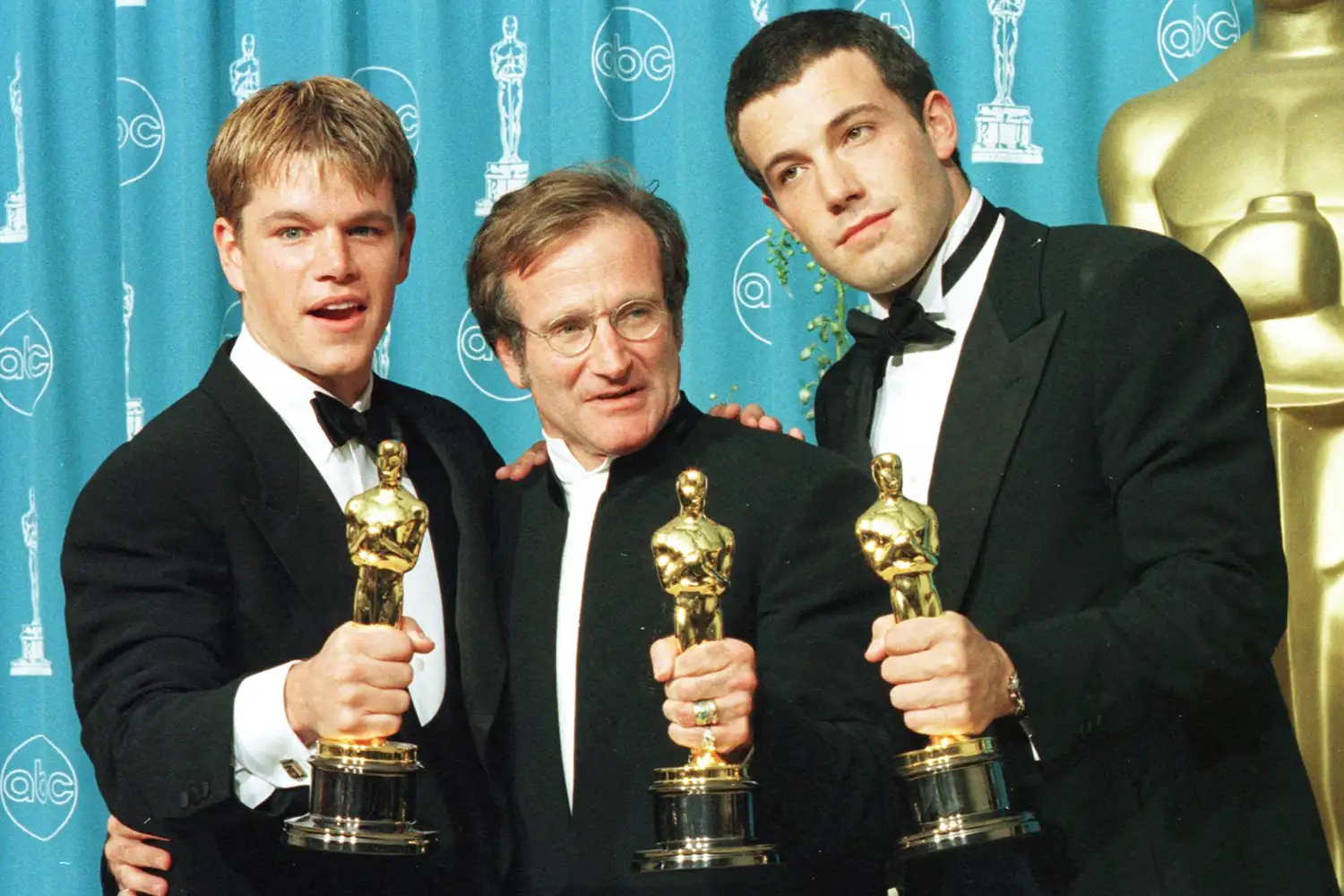
A Small Improvisation Became One of the Film’s Most Human Moments
There are bigger scenes in Good Will Hunting.
There are speeches people quote more often.
There are moments that directly change the direction of the story.
But the story about Sean’s wife has endured because it captures something deceptively simple.
Love is often remembered through details.
Not dramatic declarations.
Not perfect moments.
Small things.
Odd things.
Things that might seem meaningless to everyone else.
Williams apparently understood that instinctively.
So while the cameras were rolling, he added a joke about a wife farting in her sleep.
Damon laughed.
The crew reacted.
And a scene about grief suddenly became warmer, stranger and more real.
Almost three decades later, Damon still remembers how Williams transformed that moment.
The script gave Sean a story about his wife.
Robin Williams gave him a memory.