“Jolene” Wasn’t Actually One Woman — Dolly Parton Combined Two Completely Different Encounters
For more than 50 years, listeners have pictured her.
The red-haired woman with emerald-green eyes. The beauty so overwhelming that Dolly Parton’s narrator practically begs her not to take the man she loves.
Her name is Jolene.
But the real story behind one of country music’s most famous characters is more complicated than the lyrics suggest.
There was no single woman named Jolene threatening Dolly Parton’s marriage.
Instead, Parton combined two completely different real-life encounters.
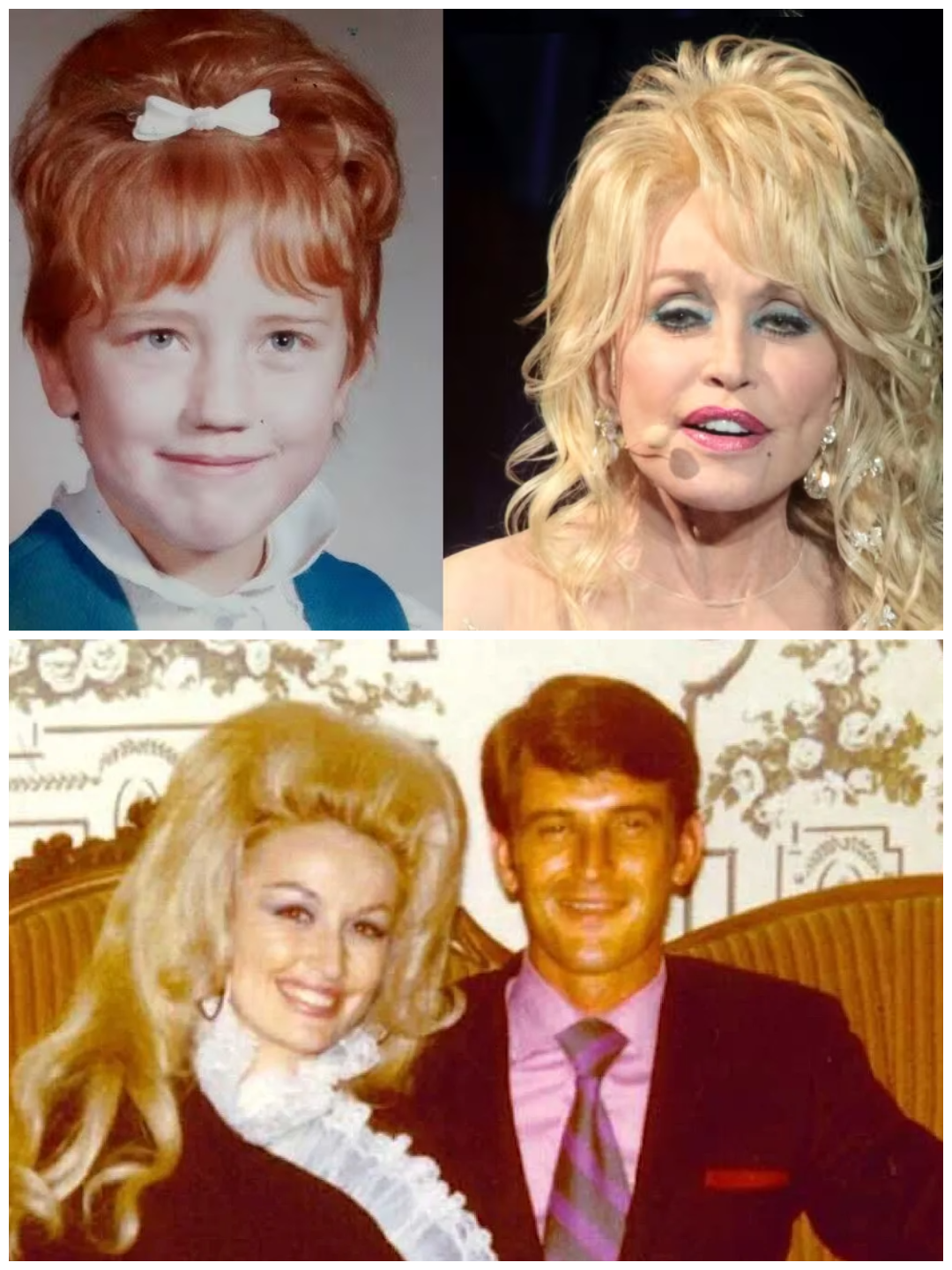
The name came from a young fan she met after a performance.
The jealousy came from another red-haired woman entirely — a bank teller who, according to Parton, was paying a little too much attention to her husband, Carl Dean.
In other words, the “Jolene” millions of listeners have imagined for decades never really existed as one person.
Dolly created her.
The Name Came From a Little Girl
Parton explained the origin of the name in a 2019 CBS interview.
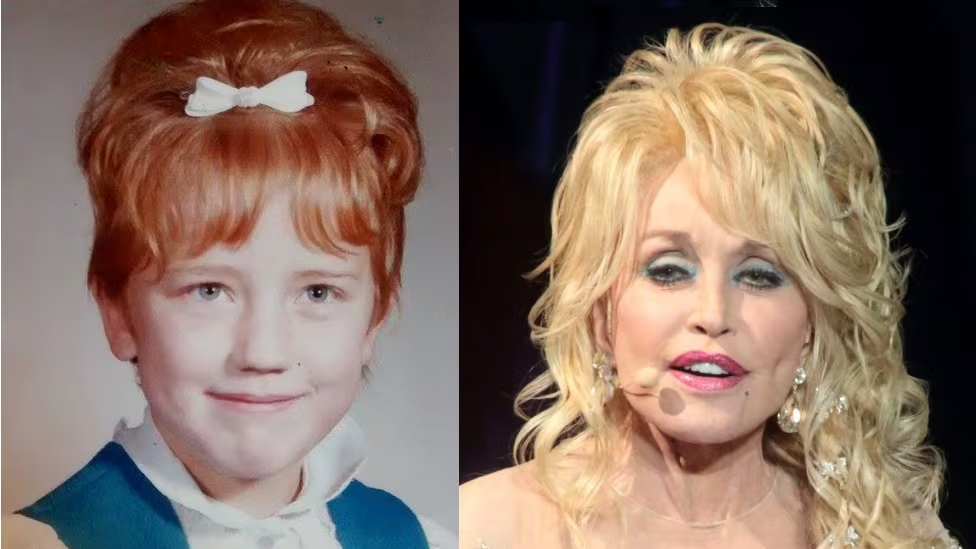
Early in her Nashville career, while she was appearing on The Porter Wagoner Show, a young girl approached her after a performance and asked for an autograph.
Parton remembered the child because she had striking red hair.
But what really caught Dolly’s attention was her name.
Jolene.
Parton thought it was beautiful.
She began repeating it aloud so she would not forget it: Jolene, Jolene, Jolene.
The rhythm immediately stuck with her.
That repetition would eventually become one of the most recognizable choruses in popular music.
The little girl, however, was not the woman Parton was worried about.
She simply gave Dolly the name.
The emotional story behind the song came from somewhere else.
The Real Jealousy Started at a Bank
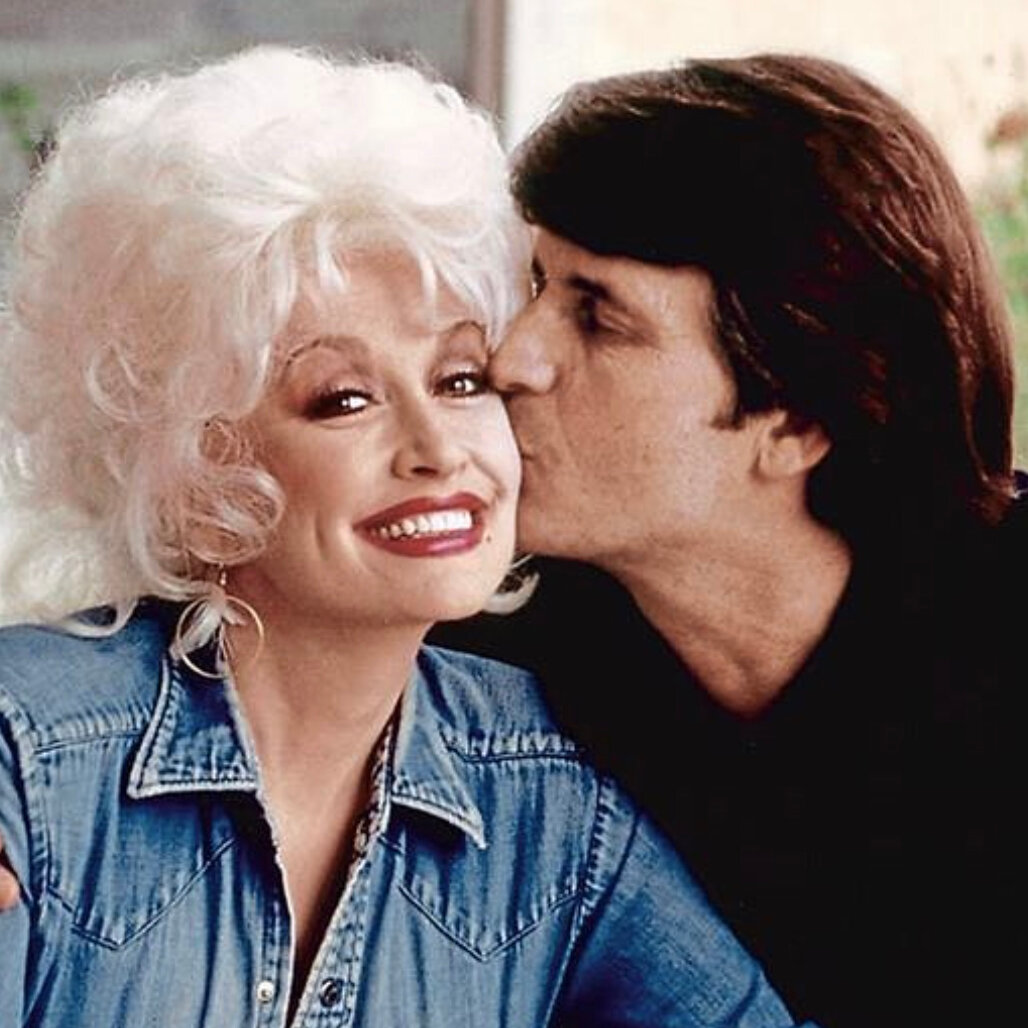
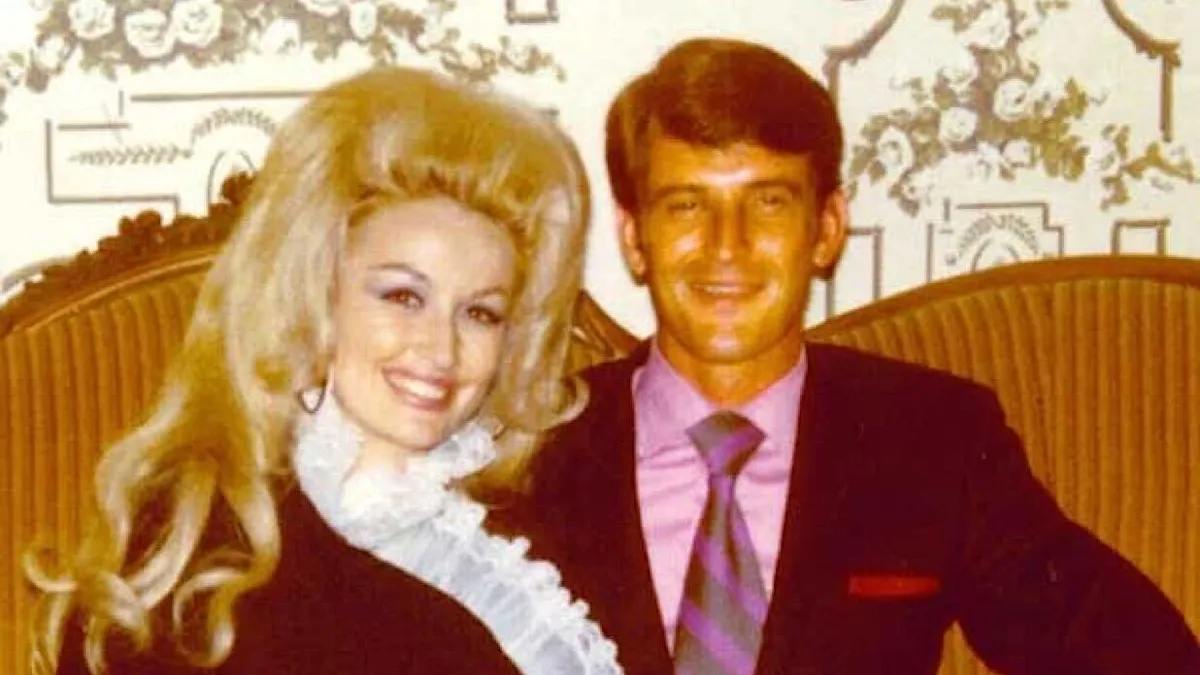
At the time, Parton was married to Carl Dean, the famously private man she had met shortly after moving to Nashville.
Dean generally stayed away from his wife’s celebrity world. He ran an asphalt-paving business and rarely appeared at industry events.
But there was one place he apparently enjoyed visiting more often than Dolly thought necessary.
The bank.
Parton later told NPR that a female bank teller had developed what she described as a serious crush on Dean.
The woman was also a redhead.
According to Dolly, Dean enjoyed the attention enough that his increasingly frequent bank visits became a running joke between the couple.
Parton teased him that he seemed to be spending a suspicious amount of time there considering they did not have enough money to justify so many trips.
There was no dramatic confrontation.
No secret affair was revealed.
Parton herself described the situation as relatively innocent.
But the emotion it triggered was useful.
She understood jealousy.
And songwriters know that a small real feeling can become something much larger once it enters a song.
Dolly Combined the Two Women Into One Character
That was the creative leap.
Parton took the beautiful name she had heard from the young fan and attached it to the uneasiness inspired by the bank teller.
The result was Jolene.
The fictional character inherited the red hair associated with both stories and became something far more powerful than either real-life encounter on its own.
In the song, Dolly does not attack her rival.
That may be the most important reason “Jolene” still feels unusual.
The narrator admits that the other woman is extraordinarily beautiful.
She describes her hair, eyes, skin and voice with almost hypnotic admiration.
Then she admits something even more vulnerable:
She is frightened.
Instead of blaming the man or threatening the woman, she pleads with Jolene to leave him alone.
That vulnerability turned a simple jealousy story into something much more memorable.
The Woman in the Song Was More Dangerous Than the Real One
Parton has repeatedly made clear that the bank-teller story was much less dramatic than “Jolene” makes it sound.
The real situation became something she and Dean joked about.
But art did not require Dolly to reproduce events literally.
She needed emotional truth, not documentary accuracy.
A teller flirting with someone’s husband might produce irritation.
A breathtakingly beautiful woman capable of destroying a marriage produces a song.
So Dolly amplified the feeling.
The fictional Jolene became almost impossibly attractive.
The narrator became almost helpless in comparison.
That contrast created tension immediately.
Even listeners who knew nothing about Parton’s marriage could understand the fear underneath the words.
Carl Dean Became the Invisible Third Character
Dean never sings a line in “Jolene,” but he is central to the entire story.
Parton met him in Nashville when she was 18.
She later recalled that she was doing laundry at the Wishy Washy laundromat when Dean spotted her and started a conversation.
They married in 1966 and stayed together for nearly six decades, until his death on March 3, 2025.
Their relationship became famous partly because Dean avoided fame almost completely.
While Dolly attended award shows, toured and appeared in movies, he preferred a private life.
Parton frequently joked about their differences and occasionally turned little moments from their marriage into songs or stories.
The bank teller was one of them.
A relatively ordinary piece of marital teasing became raw material for a song that would outlive both the joke and the people involved.
“Jolene” Became One of Dolly’s Defining Songs
Parton released “Jolene” in 1973.
It became a No. 1 country hit and eventually one of the songs most closely associated with her career.
Its influence spread far beyond country music.
Artists across genres recorded their own versions.
The White Stripes famously transformed it into a raw rock performance.
Miley Cyrus performed it repeatedly.
And in 2024, Beyoncé reinvented the story for Cowboy Carter, changing the narrator from someone pleading with Jolene into someone warning her.
That reinterpretation only reinforced how deeply the original had entered popular culture.
People understood the character immediately.
You did not need Dolly’s backstory.
You only needed the name.
Jolene had become an archetype.
The Real Woman Was Probably Nothing Like the Character
That is one of the most fascinating parts of the story.
For decades, listeners naturally assumed that Dolly had written about one terrifying romantic rival.
But the “real Jolene” question has no simple answer.
If you are asking who provided the name, it was a young red-haired fan.
If you are asking who inspired the jealousy, it was the bank teller.
If you are asking who the woman in the song actually was, the answer is neither of them.
She was a character constructed from both.
That distinction says something important about Parton as a songwriter.
She was exceptionally good at taking ordinary details and turning them into stories that felt much larger.
A child’s unusual name could become a chorus.
A teasing argument with her husband could become emotional conflict.
A bank teller could become one of the most famous women who never existed.
Dolly Turned Two Tiny Memories Into Something Permanent
Parton’s songwriting was often praised for sounding simple.
The language was direct.
The stories were easy to follow.
But simplicity did not mean the creative process behind them was simple.
“Jolene” is a perfect example.
The song feels like one complete confession: one wife, one husband, one beautiful rival.
The truth was assembled from separate pieces.
Parton remembered a name.
She remembered a feeling.
Then she connected them.
More than half a century later, millions of people still imagine the same red-haired woman whenever the opening guitar begins.
But that woman was never sitting behind one bank counter.
She was never one person at all.
The little girl gave Dolly the name.
The bank teller gave her the jealousy.
Dolly Parton did the rest.