Elvis Presley Wanted to Record Dolly Parton’s Biggest Song — She Cried, Then Told Him No
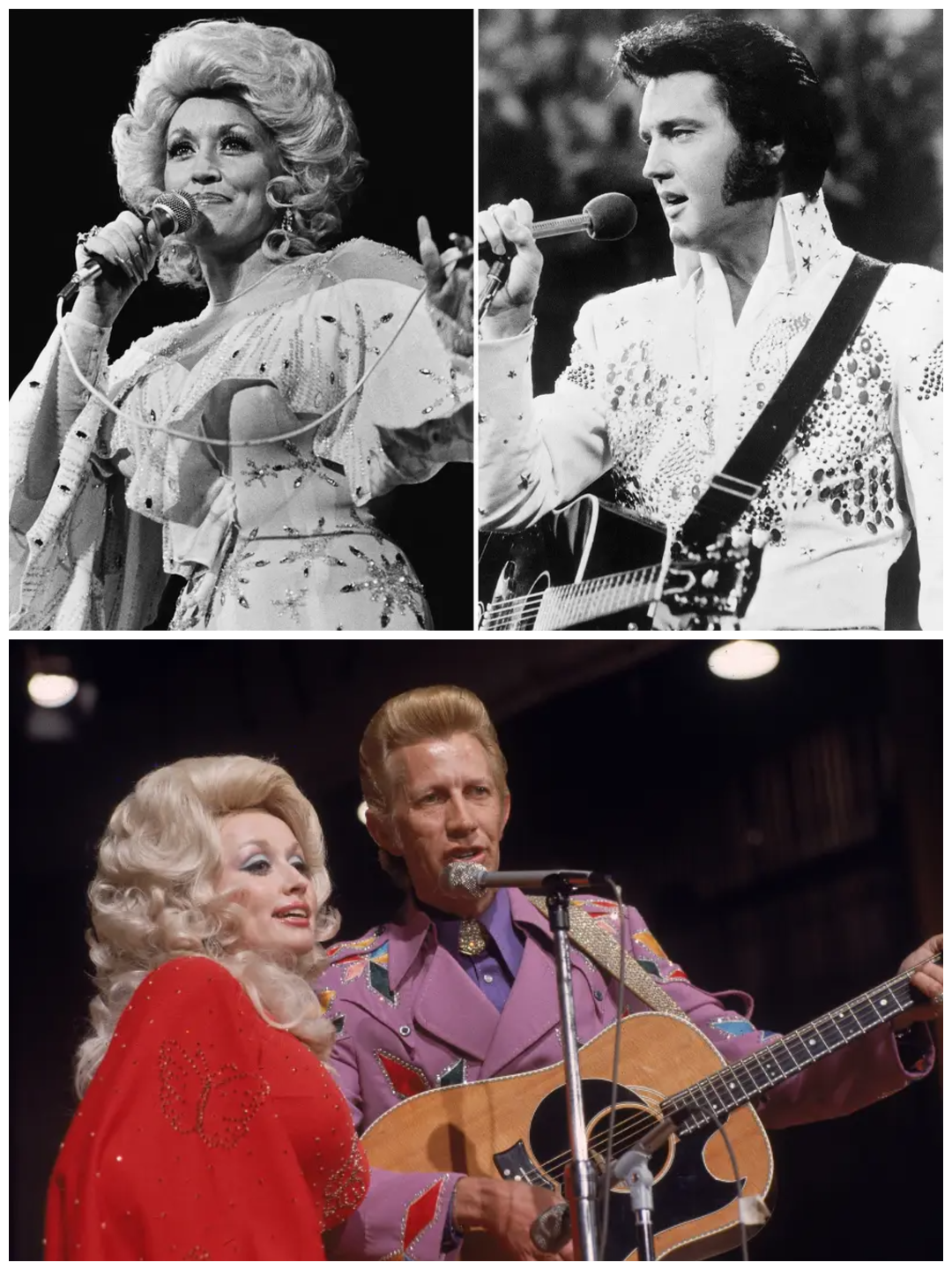
For a young songwriter in Nashville, there were few bigger dreams than hearing Elvis Presley sing one of your songs.
Dolly Parton actually got that chance.
And she turned it down.
The story has become one of the most famous business decisions of Parton’s career because of what happened afterward. “I Will Always Love You” would eventually become one of the most valuable songs she ever wrote, especially after Whitney Houston transformed it into a global phenomenon in 1992.
But when Elvis first wanted to record it, Dolly was not thinking about Whitney Houston.
She was thinking about Elvis.
She adored the idea of hearing his voice on her song. She imagined what his version might sound like. She was excited enough that a recording session was reportedly being planned.
Then, at the last moment, Elvis’ manager Colonel Tom Parker made a demand.
Parton would have to give up half of the song’s publishing rights.
That was the moment Dolly had to choose between a dream and ownership.
She chose ownership.
And she cried while doing it.
“I Will Always Love You” Wasn’t Originally a Romantic Breakup Song
Parton wrote “I Will Always Love You” in the early 1970s during a turning point in her career.
At the time, she had spent years working alongside country star Porter Wagoner.
Their professional partnership had been enormously important to her development. Wagoner helped introduce Parton to a national television audience, and the pair recorded successful duets together.
But Dolly wanted to establish herself more fully as a solo artist.
Leaving was difficult.
Rather than writing a traditional resignation letter, she communicated through the language she understood best.
She wrote a song.
“I Will Always Love You” expressed gratitude, affection and goodbye without anger.
The song was not about a romantic relationship ending. It was Parton’s farewell to Wagoner as she prepared to move forward on her own.
Released in 1974, the recording reached No. 1 on Billboard’s Hot Country Songs chart. Parton would later record it again for the 1982 movie The Best Little Whorehouse in Texas, and that version also reached No. 1.
Before any of that history was complete, however, Elvis Presley heard the song.
He wanted it.
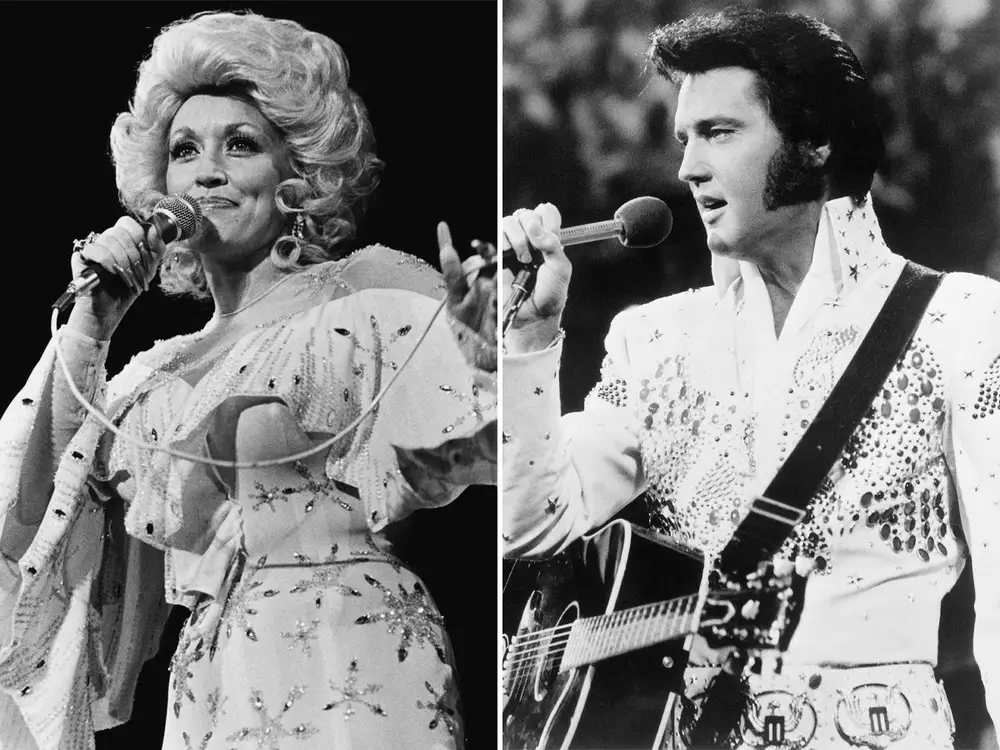
Dolly Could Hardly Believe Elvis Wanted Her Song
Parton has repeatedly described how thrilled she was when she learned Presley was interested.
Elvis was not merely another successful singer.
He was Elvis.
By the early 1970s, he had already transformed American popular music and become one of the most famous entertainers on the planet.
For a songwriter from East Tennessee who had grown up listening to music and dreaming about Nashville, the possibility was enormous.
Parton later said Elvis loved “I Will Always Love You.”
Plans advanced far enough that she believed he was going to record it.
Then Colonel Tom Parker became involved.
Parker managed Presley from 1955 until Elvis’ death in 1977 and was known for exercising enormous influence over his business affairs.
According to Parton, Parker informed her that Presley did not record songs unless his side received a substantial portion of the publishing.
In this case, Dolly said she was asked to surrender half.
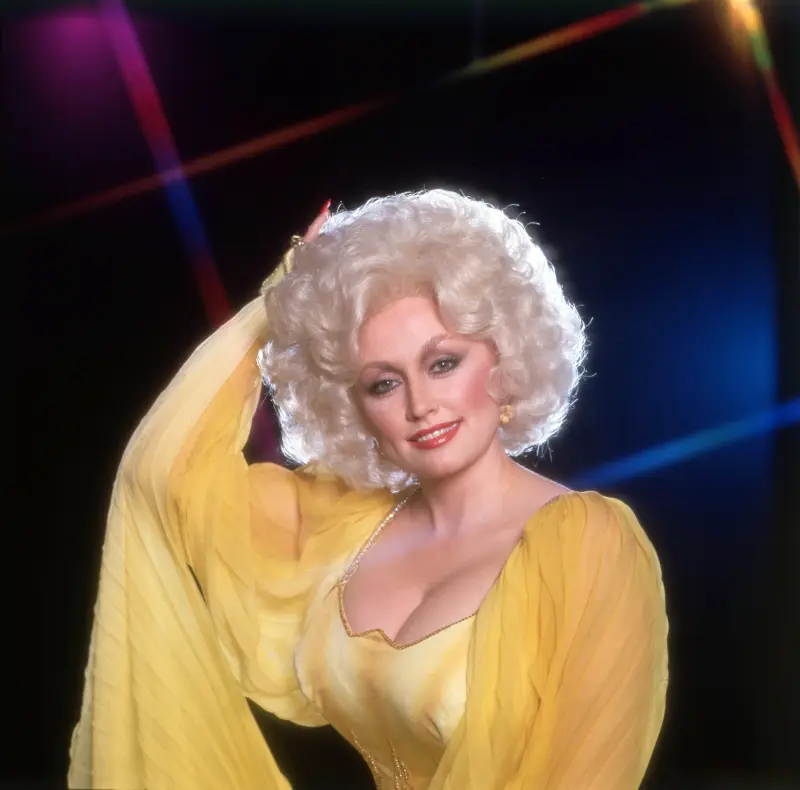
She Had to Say No the Night Before the Session
Parton understood immediately what the demand meant.
Publishing rights are not simply a credit on a record.
For a songwriter, they represent long-term control and income.
Every time a composition is licensed, recorded, performed or used commercially, ownership can generate revenue.
Parton had already learned to treat her songs as assets.
She later explained that she had started her own publishing company as soon as she could because she believed strongly in keeping control of her work.
“I Will Always Love You” was especially important.
Parton later called it the most important copyright in her publishing company.
So even though the offer involved Elvis Presley, the answer had to be no.
Parton recalled being devastated.
She cried.
The decision hurt precisely because she wanted the recording so badly.
She was not rejecting Elvis.
She was rejecting the price attached to his participation.
That distinction would become enormously important decades later.
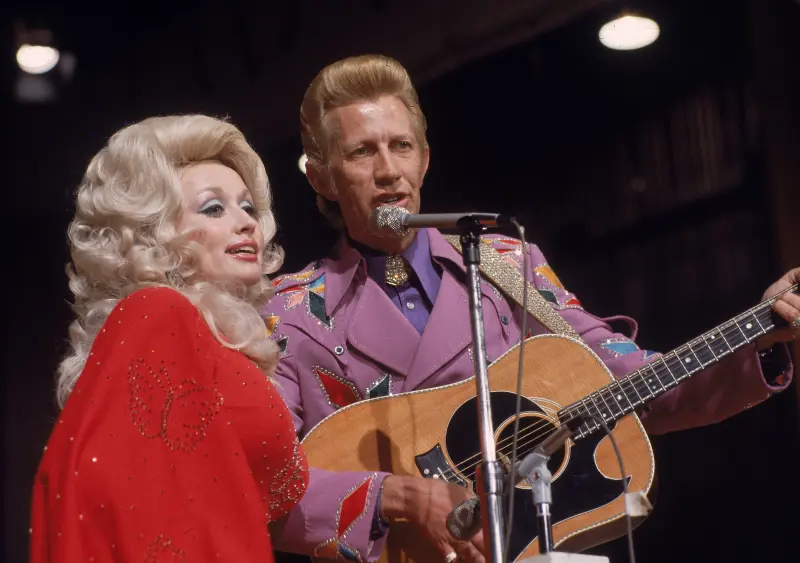
It Was a Remarkable Decision for a Young Female Songwriter
Looking back from the perspective of Dolly Parton the multimillionaire businesswoman, saying no may sound obvious.
It probably did not feel obvious at the time.
Parton was still building her independent career.
Presley’s version could have exposed the song to a massive new audience and given her extraordinary prestige as a writer.
It would have been easy to rationalize the sacrifice.
Give up half and get Elvis Presley.
Many songwriters might have accepted that trade.
Dolly did not.
Her refusal showed an instinct that became a defining feature of her career: she understood that short-term exposure was not necessarily worth surrendering long-term ownership.
That approach later allowed her to benefit when other artists wanted to record her songs.
And no example became bigger than Whitney Houston.
Then Whitney Houston Changed Everything
Almost two decades after Elvis’ proposed version fell apart, “I Will Always Love You” received another opportunity.
Houston recorded it for the 1992 film The Bodyguard.
Her arrangement transformed Parton’s country ballad into a dramatic pop and soul showcase.
The opening was almost completely exposed, with Houston singing a cappella before the arrangement exploded behind her.
Parton later remembered hearing Houston’s version unexpectedly on the radio while driving.
At first, the melody sounded familiar without immediately registering.
Then Houston reached the title.
Parton said she nearly wrecked her car.
The recording became a worldwide phenomenon.
Houston’s version spent 14 weeks at No. 1 on the Billboard Hot 100 and became one of the best-selling singles associated with a film soundtrack.
More importantly for Parton, she still owned the song.
Recent reporting has estimated that Houston’s recording generated around $10 million for Parton in publishing royalties.
The decision that once made Dolly cry had become one of the smartest financial moves of her life.
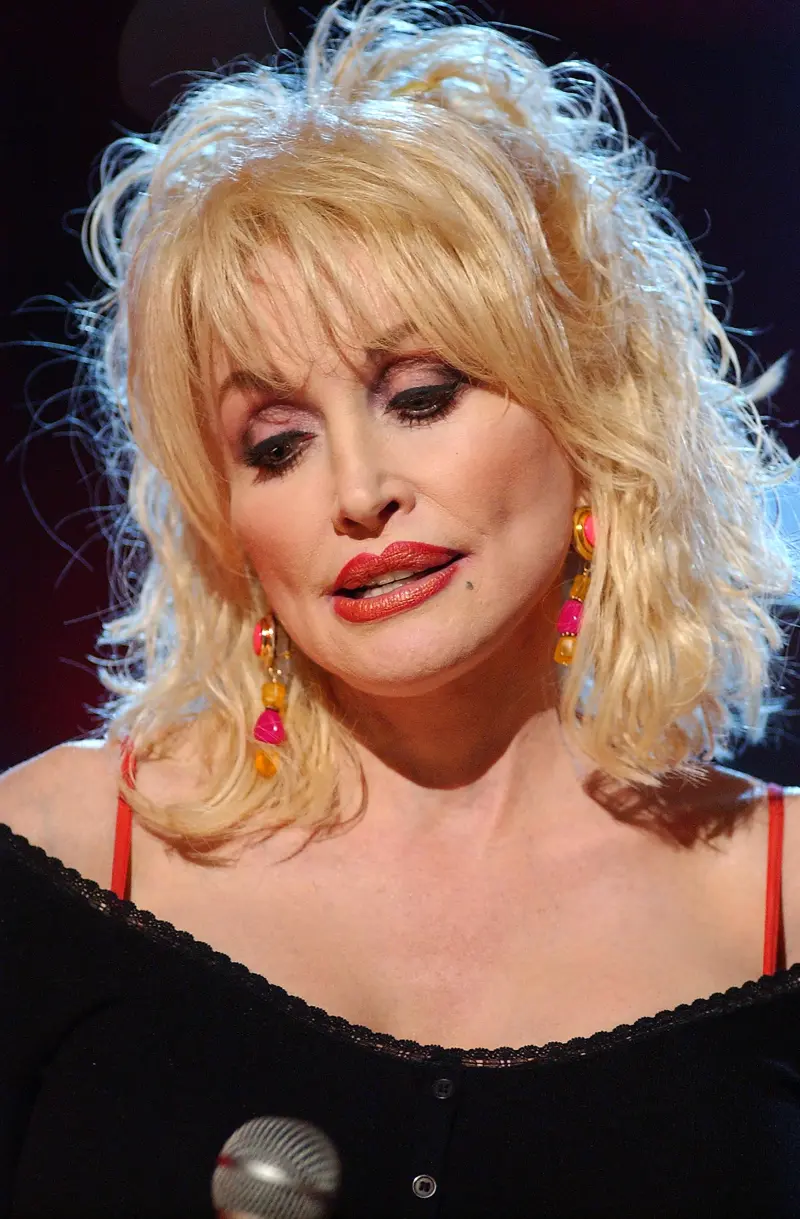
Dolly Never Resented Elvis
The story could easily be told as Dolly Parton defeating Elvis Presley in a business negotiation.
That was never how she framed it.
She remained deeply fond of Elvis and the idea that he had loved her song.
Years later, Parton revealed an extraordinary detail she said Priscilla Presley had shared with her.
According to Dolly, Priscilla told her that Elvis sang “I Will Always Love You” to her as the former couple walked down the courthouse steps after finalizing their divorce in 1973.
That story made Elvis’ connection to the song even more personal.
He never released his own recording.
But apparently the song still meant something to him.
Parton even revisited the musical “what if” decades later. On her 2023 rock album Rockstar, she included “I Dreamed About Elvis,” imagining a musical encounter with the late singer.
The Song Became Bigger Than Any One Version
Parton’s original recording had already been a hit.
Her 1982 rerecording became another hit.
Houston then turned it into one of the defining vocal performances of the 1990s.
Each version added another chapter to the same composition.
But underneath all of them was the business decision Dolly made before Elvis’ recording session ever happened.
She kept the copyright.
That meant when “I Will Always Love You” found an audience far larger than anyone could have predicted, Parton remained the person who benefited from the song she had created.
It also gave her control over where those earnings went.
Parton later revealed that she invested some of the money generated by Houston’s version into property in a predominantly Black area of Nashville, saying she wanted to honor the artist whose recording had brought so much additional success to the song.
The Opportunity of a Lifetime Wasn’t Worth Giving Away Her Future
Parton spent much of her career making her intelligence easy to underestimate.
She joked about her appearance.
She played up her country accent.
She filled interviews with self-deprecating one-liners.
But behind that image was a woman who understood ownership extremely well.
The Elvis story may be the clearest example.
She had one of the biggest stars in music asking to sing her song.
She desperately wanted to hear him do it.
Then someone asked her to surrender something she believed was too important.
So Dolly Parton cried — and walked away.
Years later, Whitney Houston began singing the same words and turned the song into something even Dolly could never have predicted.
By then, Dolly still owned what mattered.
And the opportunity she once believed she had lost became proof that sometimes the most valuable word in show business is simply:
No.