Wildlife Researcher Responds to Calls Claiming a Python Ate a Woman. What She Found in Its Stomach Was Even Crazier
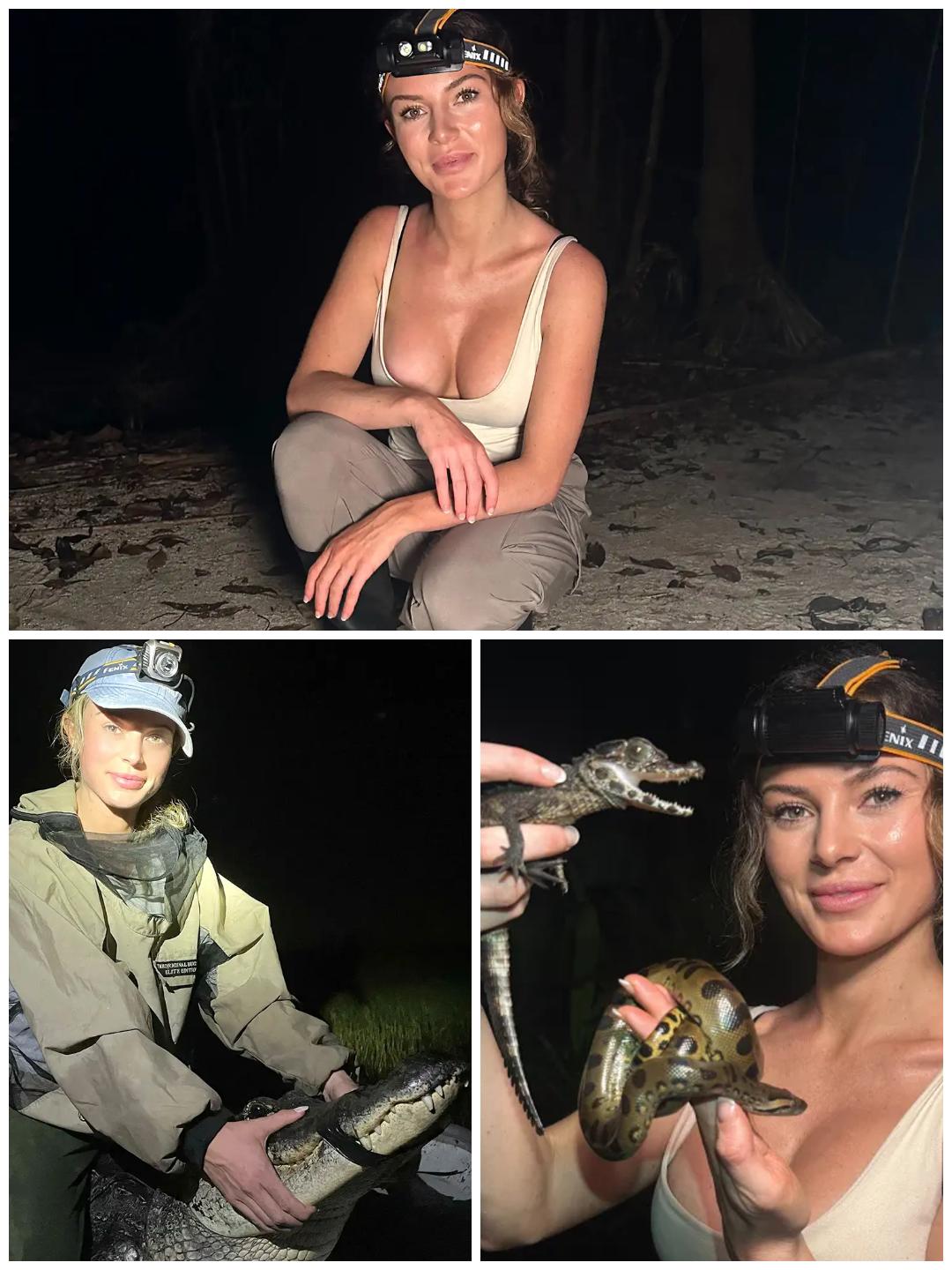
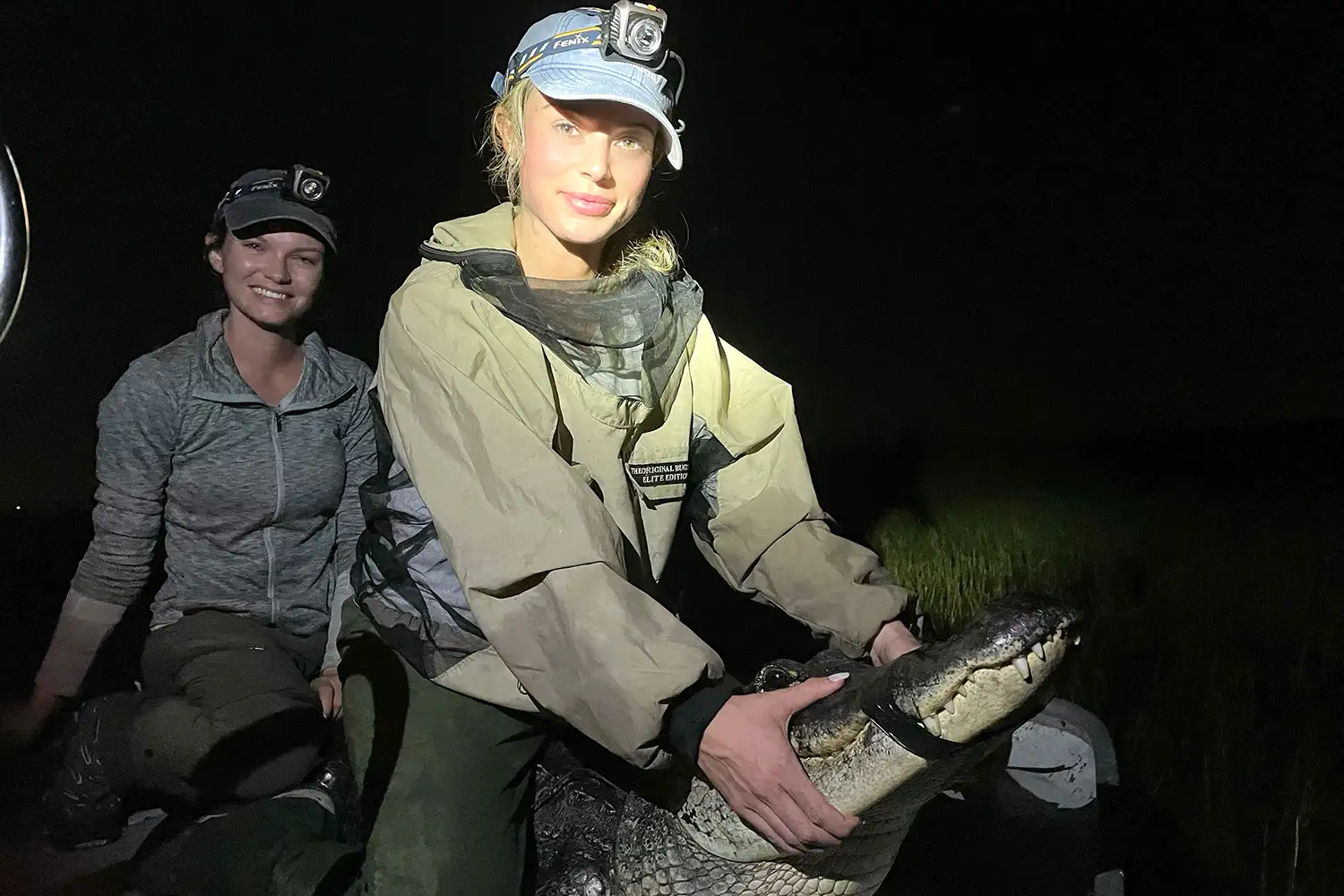
Wildlife researcher Rosie Moore is accustomed to animals that make most people keep their distance.
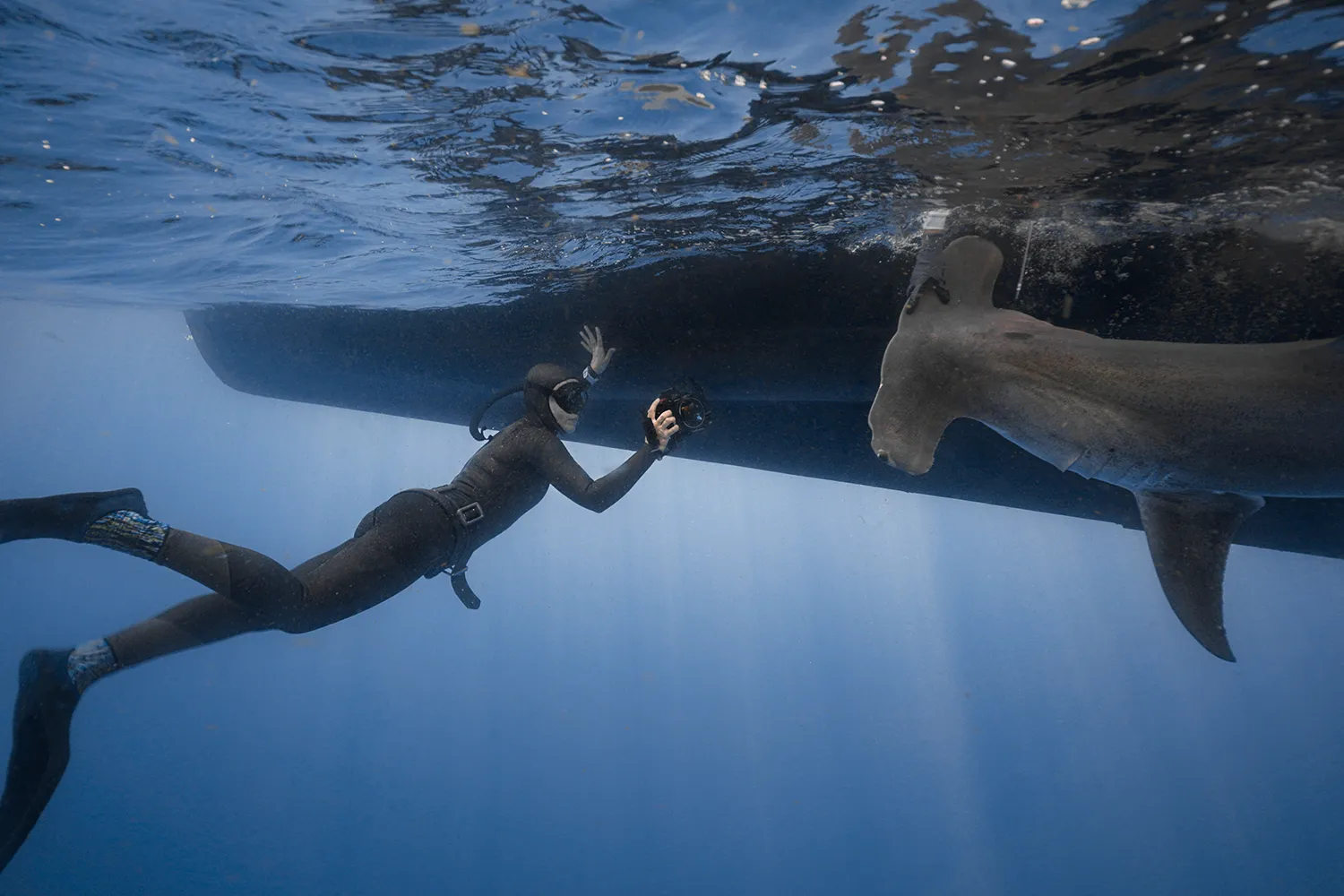
She has worked around crocodiles, pythons and sharks, spent weeks living on boats for marine expeditions and trekked through remote environments in search of dangerous species.
But one call she received while working in Florida’s Everglades remains difficult to top.
The people on the other end were panicking.
They believed an enormous python had swallowed a woman.
The snake was reportedly about 18 feet long, and its body was so distended that those who found it feared the worst. They killed the python and brought it to Moore and her team so they could determine what was inside.
When researchers opened the animal, they discovered the callers had been wrong.
There was no person inside.
Instead, the python had swallowed an entire alligator measuring roughly five feet long.
For Moore, who has built a career studying some of nature’s most intimidating predators, even that was extraordinary.
The Call Began With a Terrifying Possibility
Moore told PEOPLE that the incident happened while she was working in the Everglades, where invasive Burmese pythons have become a major ecological concern.
Then came the unusual call.
An enormous python had been found, and the people who encountered it believed the bulge inside the snake might be a human being.
Specifically, they feared the animal had swallowed a woman.
The callers were so alarmed that they beheaded the python before transporting it to Moore and her colleagues.
Given the snake’s size, their concern was not completely unimaginable. Large constrictors are capable of consuming surprisingly substantial prey, swallowing animals whole after overpowering them.
But the answer waiting inside this particular python was different.
When Moore’s team conducted the examination, they found a five-foot alligator filling the snake’s digestive tract.
“The alligator is the size of me,” Moore recalled to PEOPLE, while describing the enormous length and weight of the python itself.
Even an Everglades Researcher Was Stunned
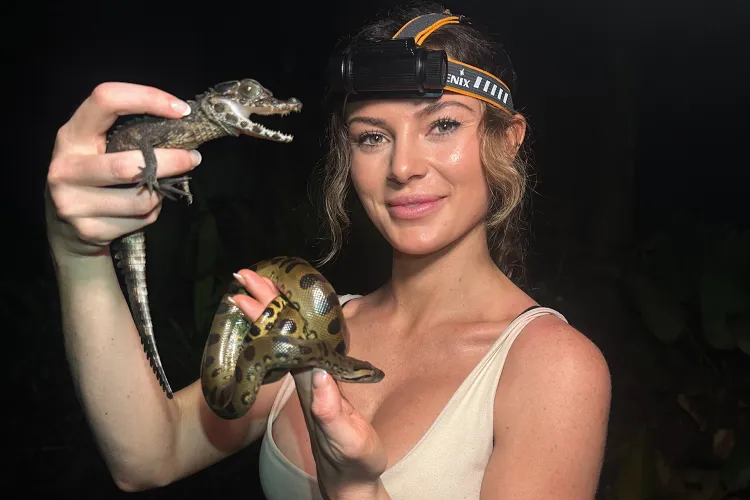
For someone like Moore, encounters with reptiles are part of everyday work.
Yet she still described the python-and-alligator discovery as one of the wildest things she has experienced in the Everglades.
The opportunity to examine such an interaction was also scientifically valuable.
Large pythons consuming alligators are possible, but researchers do not often get a chance to closely examine the aftermath.
Moore said it was extremely rare to see that kind of event in the wild — and even rarer to have the animal available for a necropsy and detailed study.
To the frightened callers, the python had looked like the scene of a possible human tragedy.
To the researchers, it became an extraordinary example of one apex predator consuming another.
Dangerous Animals Have Fascinated Moore Since Childhood
Moore’s unusual career did not begin in the Everglades.
She grew up in Missouri and was introduced to underwater exploration by her father, who worked as a search-and-rescue diver for police.
He taught her to scuba dive when she was just 10 years old.
By 18, Moore had moved to Florida.
That is where she began gaining firsthand experience around sharks and eventually found work in the Everglades.
The environment exposed her to an entirely different collection of wildlife, including crocodiles, snakes and invasive pythons.
Rather than being frightened away, Moore became increasingly interested.
She eventually created her own nonprofit focused on reptile research and joined the International SeaKeepers Society.
Her work now includes marine expeditions aimed at locating rare species and tagging dangerous wildlife for scientific study.
Her philosophy is simple.
If an animal has the ability to seriously injure or kill a person, Moore wants to understand it.
She believes many people overestimate the threat posed by wildlife because they lack basic knowledge about how the animals behave and how humans should act around them.
Understanding replaces some of that fear.
Her Job Has Put Her in Far More Than One Dangerous Situation
The giant python discovery might be Moore’s most memorable Everglades story, but it is hardly the only time her work has placed her in an extreme situation.
During a research trip to Suriname in South America, Moore suddenly developed an intense fever and a rash across her body.
She was far from home and still had to continue the group’s demanding schedule, which included hiking roughly 12 miles every day.
Only after returning home did she learn what had happened.
She had contracted dengue fever, a mosquito-borne illness that can cause severe flu-like symptoms and, in some cases, serious complications.
On other expeditions, Moore has lived aboard a boat for an entire month while entering the water daily to swim around sharks.
She is also well aware of how quickly research involving large wild animals can go wrong.
She told PEOPLE that some people she knows in the field have lost fingers or limbs in accidents involving dangerous wildlife.
Still, she continues.
Why Take the Risk?
It is a question Moore hears often.
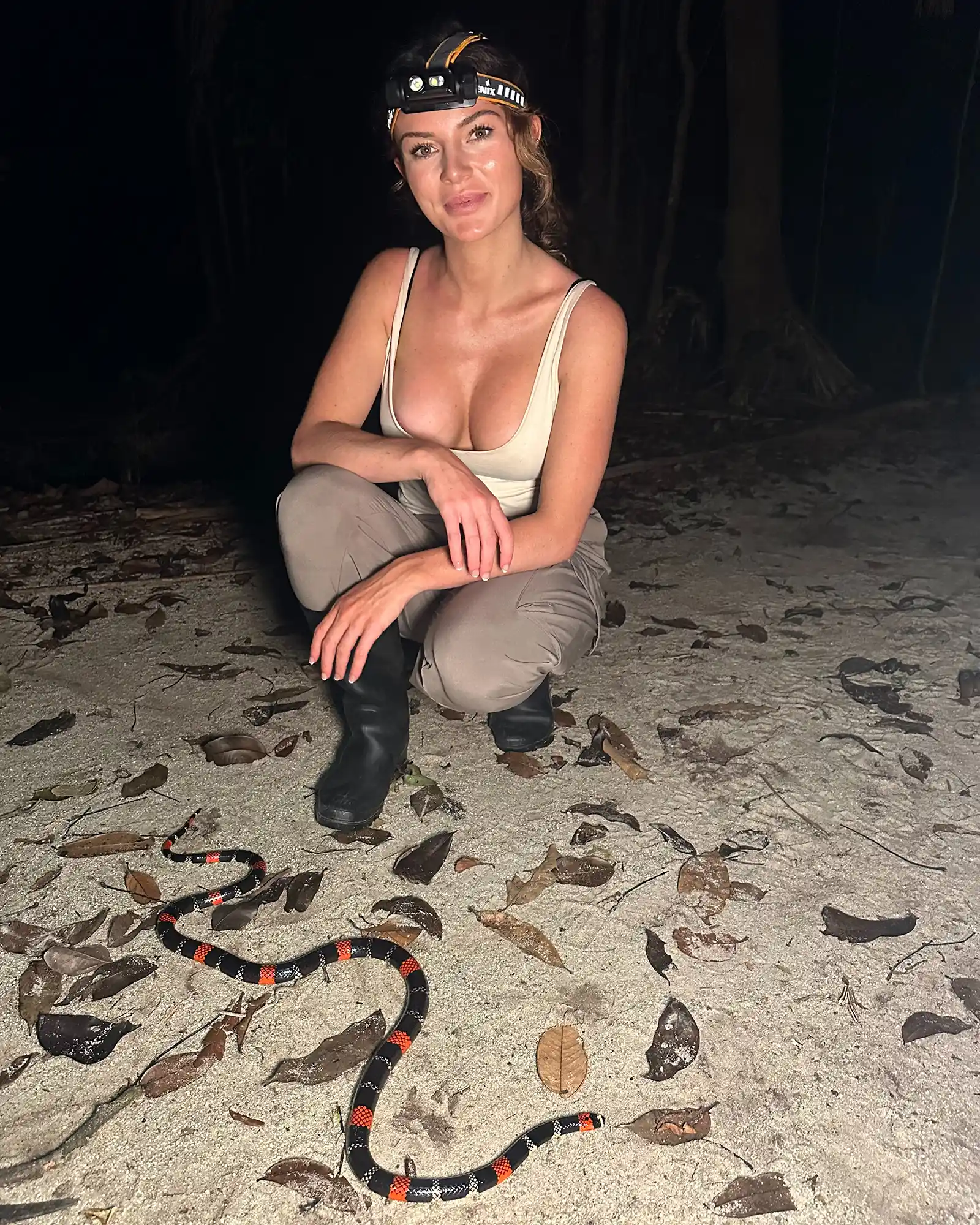
Why voluntarily put yourself close to sharks, crocodiles, venomous snakes or giant pythons?
Why accept the possibility of injury?
For Moore, the answer lies in what the work can accomplish.
She says much of what she does is connected to scientific research and animal conservation.
Researchers cannot protect species they do not understand.
That can mean locating animals in difficult environments, collecting data, tagging them and documenting behavior that most people will never witness.
Photography and video are another part of the work.
Moore shares many of her encounters on TikTok, where thousands of followers can see animals they might otherwise encounter only through sensational headlines or frightening stories.
She hopes that seeing wildlife in context can change how people think about it.
The danger is real.
But Moore does not believe danger automatically makes an animal something to hate.
The Everglades Python Problem Adds Another Layer
The python in Moore’s story also represents a much larger environmental issue in Florida.
Burmese pythons are invasive in the Everglades, where their ability to consume a wide variety of prey has made them a serious threat to native wildlife.
Large snakes can eat mammals, birds and reptiles, and their impact on the ecosystem has made python research and removal an important part of conservation efforts.
An alligator might seem like an unlikely meal.
But Moore’s experience demonstrates how powerful a sufficiently large python can be.
An 18-foot snake containing a five-foot alligator provides a dramatic visual reminder of what these reptiles are capable of consuming.
At the same time, alligators can prey on pythons as well.
The relationship between the two predators is not as simple as one species always dominating the other.
Size, circumstances and opportunity matter.
In this case, the python apparently won.
A Call About a Missing Woman Became a Scientific Surprise
The strangest part of Moore’s story remains how differently it began and ended.
People saw the enormous snake and became convinced something horrific had happened.
They imagined a woman inside.
By the time the python arrived in front of researchers, everyone was preparing to discover whether that fear was true.
Then the animal was opened.
What emerged was not evidence of a human victim.
It was an alligator almost as long as Moore herself.
For many people, that revelation might make the Everglades seem even more terrifying.
For Moore, it made the ecosystem even more fascinating.
She has spent much of her life going toward the animals others avoid, believing that understanding them is more valuable than simply fearing them.
And even after years of sharks, crocodiles, snakes and extreme expeditions, that enormous python managed to surprise her.
A panicked call suggested it had swallowed a woman.
The truth was different.
But it was hardly less wild.