How Lindsay Clancy’s insanity plea could backfire – as ‘voices’ may prove she wanted to kill 3 kids, psychologist claims
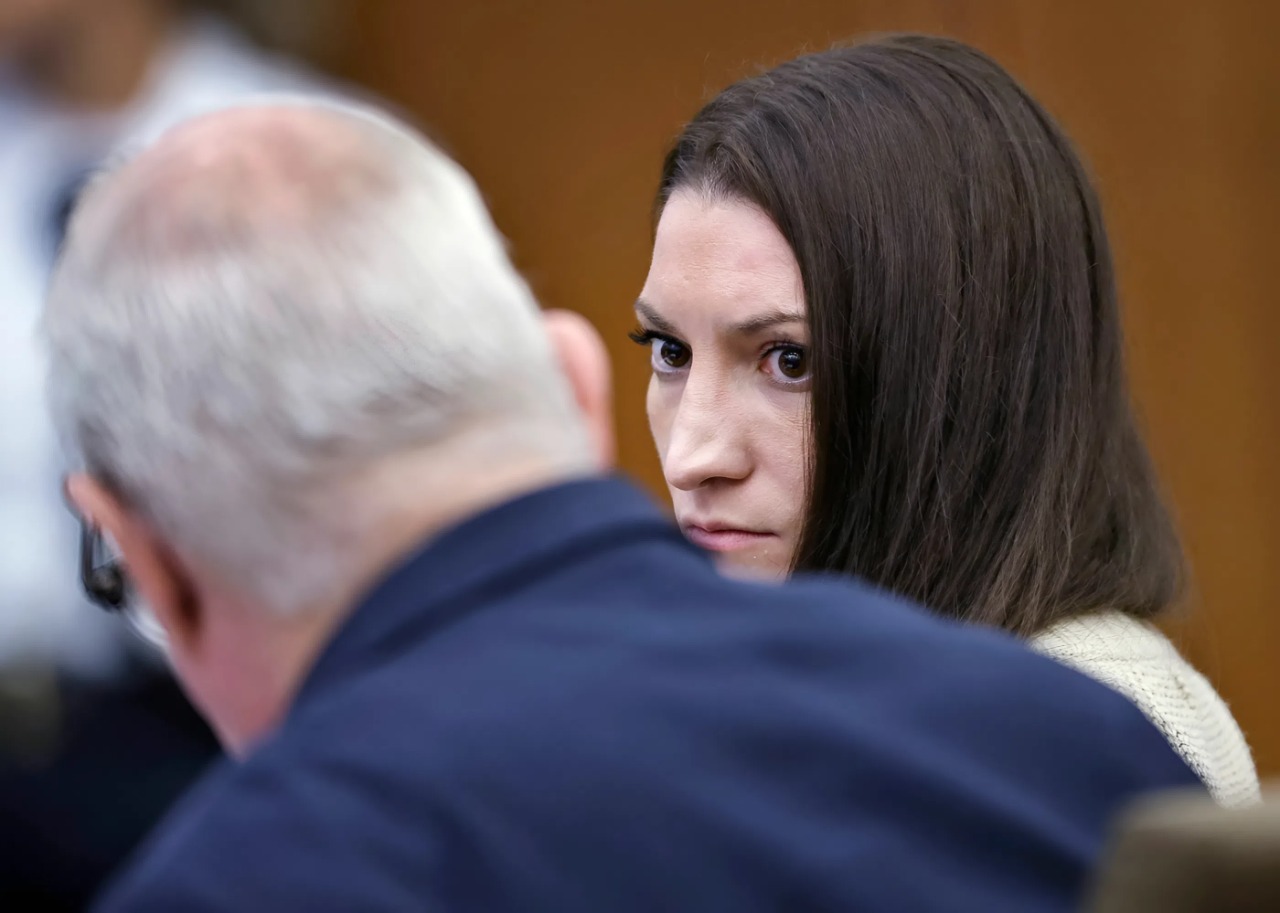
LINDSAY Clancy’s insanity defense that she heard a voice telling her to kill her children and herself could backfire, an expert has told The U.S. Sun.
Lindsay, 36, has not denied strangling her three children to death and instead looks to argue she was suffering from undiagnosed postpartum psychosis at the time.
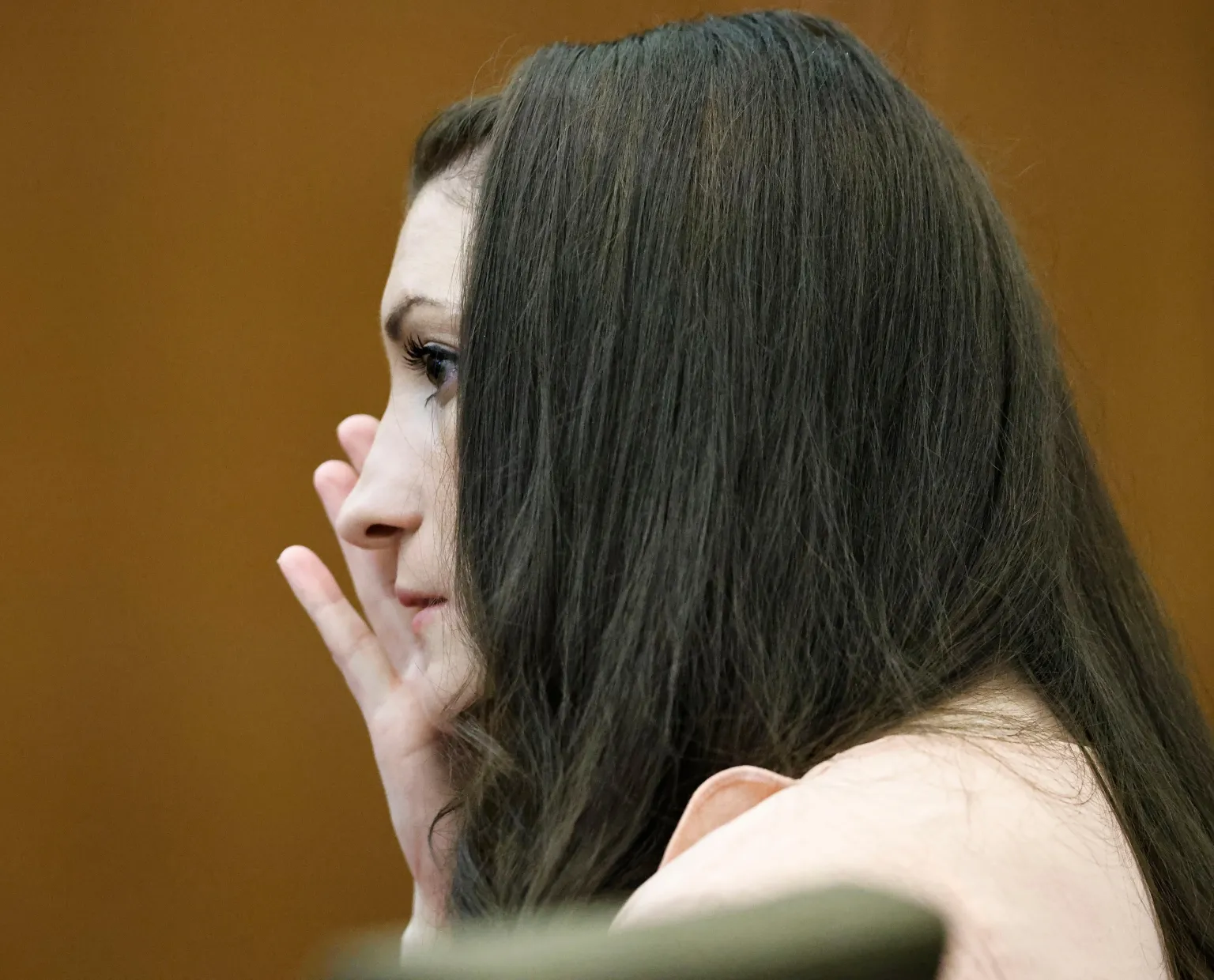
Lindsay Clancy (pictured August 25) is on trial after she strangled her three children to death in January 2023
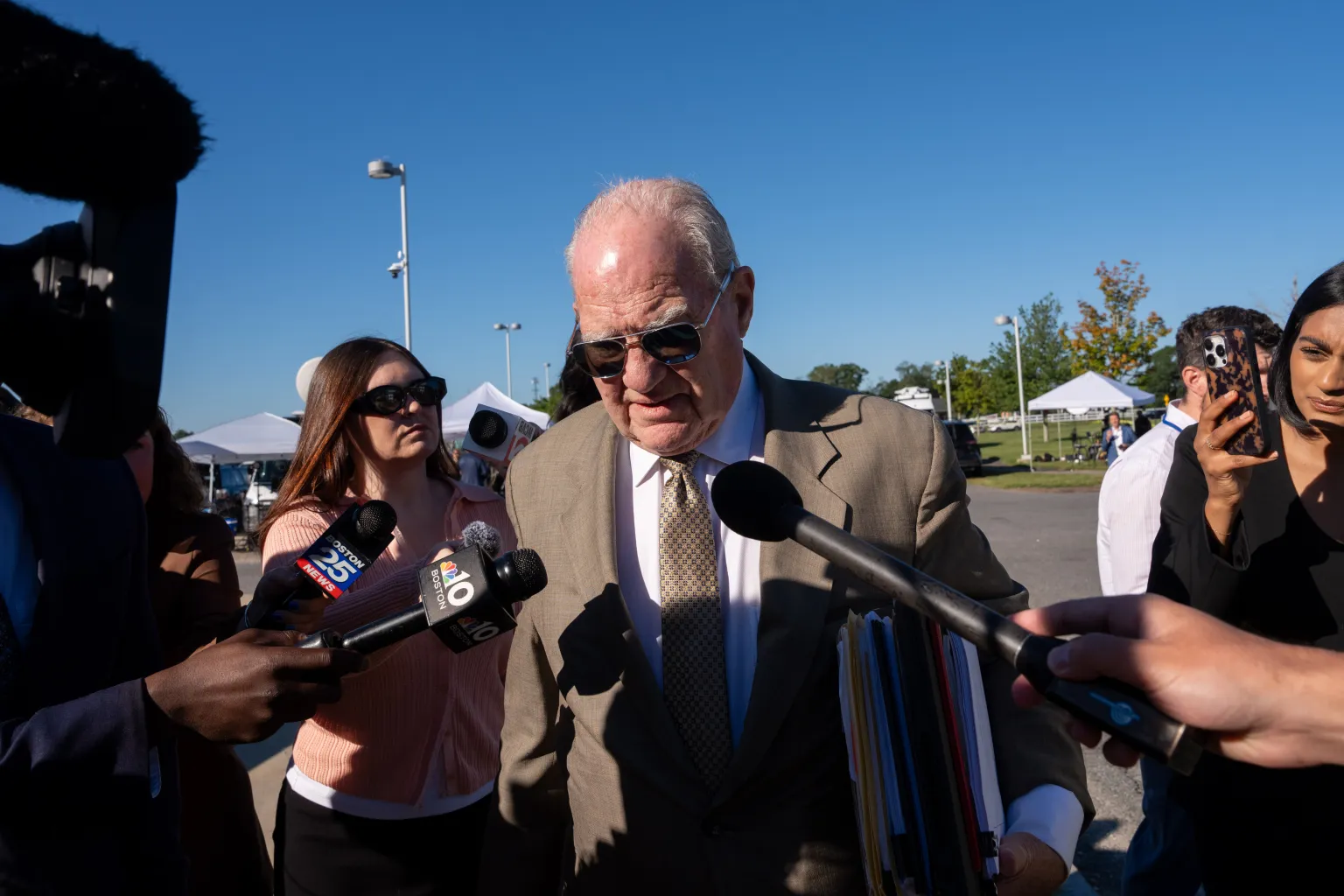
Lindsay’s defense attorney Kevin Reddington is seeking an insanity defense, arguing his client was suffering from undiagnosed postpartum psychosis
Cora, Dawson and Callan were found in the basement of their Massachusetts home by their father Patrick Clancy
Jean Cirillo, a psychologist and attorney, spoke with The U.S. Sun about how the insanity defense could unfold in Lindsay’s case
Lindsay used exercise bands to strangle her children – five-year-old Cora, three-year-old Dawson and eight-month-old Callan – in the basement of their Duxbury, Massachusetts home on January 24, 2023.
Cora and Dawson were pronounced dead at the hospital that night after their father Patrick Clancy found them, while Callan died three days later after being taken off life support.
Lindsay crushed up pills, cut herself with a knife from her kitchen and jumped from her second-story bedroom window in an attempt to end her life after strangling her children.
Lindsay claimed afterward that she heard a persistent male voice tell her, “This is your last chance. Kill the children so you can kill yourself.”
In Massachusetts, the insanity defense deals with a lack of criminal responsibility, where the prosecution must prove that a defendant did not have a mental disease or defect at the time of the alleged crime.
The prosecution could instead try to prove beyond a reasonable doubt that a defendant had the capacity to “appreciate the wrongfulness or criminality of their conduct,” according to state law.
Jean Cirillo, a psychologist and attorney from New York, spoke exclusively with The U.S. Sun about how the insanity defense could go two ways:
Either Lindsay legitimately had auditory hallucinations and was suffering from psychosis, or the voice was part of a “cover” that could help the prosecution prove that Lindsay planned out her actions, she speculated.
“The prosecution is trying to show she planned it. She was a high functioning woman. She wanted to get rid of her kids,” she said.
“And then she set up this defense and her attempted suicide. Whether she meant to hurt herself or not, she did dive out the window, a second floor window, head first.
“They still say that she was functioning enough, that she knew what she was doing was wrong and she could have conformed her behavior to the needs of society, that she planned it too well. That’s basically their argument in a nutshell.”
On the flipside, the defense is trying to prove that while Lindsay was “functional” in her daily responsibilities as a mother, friend and labor and delivery nurse, she could have still been suffering from postpartum psychosis, Cirillo explained.
“Sometimes when you have behaviors like running a house or doing a job, charting for nursing, things you’ve done a lot of the time, you can still do it sort of by rote, and no insanity or unusual behavior shows,” she said.
When forensic psychiatrist Dr. Phillip Resnick, who interviewed Lindsay four months after the killings, took the stand on Friday, he said he believes she had a tendency to minimize her symptoms.
“She admitted to being depressed to some people that she didn’t know that well,” Cirillo continued, referencing testimony from Lindsay’s coworkers.
“It’s not really appropriate to bring all your problems to work, but at the same time, they said that she had so much planning that she was googling how to kill – although that was not admitted as evidence.
“She also was googling hallucinations, which the defense then took and said, well, obviously she told doctors she was hearing voices before she did the the dirty act.”
Throughout the trial, it was revealed Lindsay searched online about hallucinations, postpartum psychosis and side effects of drugs she was prescribed before her kids deaths.
“So it must have been a sign that she really did have hallucinations, that she didn’t make it up on the spot,” Cirillo said.
Some more insight into the voice Lindsay heard was revealed on Tuesday with testimony from forensic psychiatrist Dr. Gregory Saathoff, who evaluated Lindsay in 2026, soon before she went to trial.
Saathoff said there were some “inconsistencies” in Lindsay’s account of the voice, and that she told him she heard the voice after she got off the phone with Patrick around 5:34pm on January 24, 2023.
Lindsay told him the voice was constant until it suddenly stopped when she finished strangling Callan.
Lindsay was standing by the fridge in the process of getting chicken nuggets for the kids when she first heard the voice, Saathoff said. In Patrick’s testimony, he recalled Dawson was eating chicken nuggets on the couch when he left the house at 5:15pm.
When evaluated by another doctor, Lindsay told them the voice began around 5:15pm when Patrick left the house to pick up dinner for him and Lindsay and medicine for Cora from CVS.
“It’s markedly inconsistent. Ms. Clancy was very clear with me about the time the voice started and that it was constant until the children were killed and then it stopped,” Saathoff testified.
“We are talking about a significant difference in time and those two [accounts] they don’t match so it’s hard to know which version is the one that I should consider.”
Saathoff, who is said to have treated “thousands” of patients with psychosis, found it unusual that the voice Lindsay heard repeated, “This is your last chance. You have to kill your kids and kill yourself.”
He also found the fact that Lindsay only heard an auditory hallucination on one occasion and that it was not accompanied by a delusion was “pretty rare” and “not typical.”
Cirillo speculated that Lindsay asking her then-husband to run those two errands could be a potentially strong point in showing she acted deliberately and that the insanity defense was a sort of “cover story.”
Assistant District Attorney Shanan Buckingham argued in her opening statements that Lindsay gave herself “the time and privacy needed to commit the murders,” by sending Patrick to run errands.
Saathoff told jurors that Lindsay said ThreeV was the only restaurant that came to mind when she decided to order takeout, and Patrick told him the family never ordered from there and would usually opt for something closer to their home.
While on the stand Patrick said the family had eaten at the restaurant a few times.
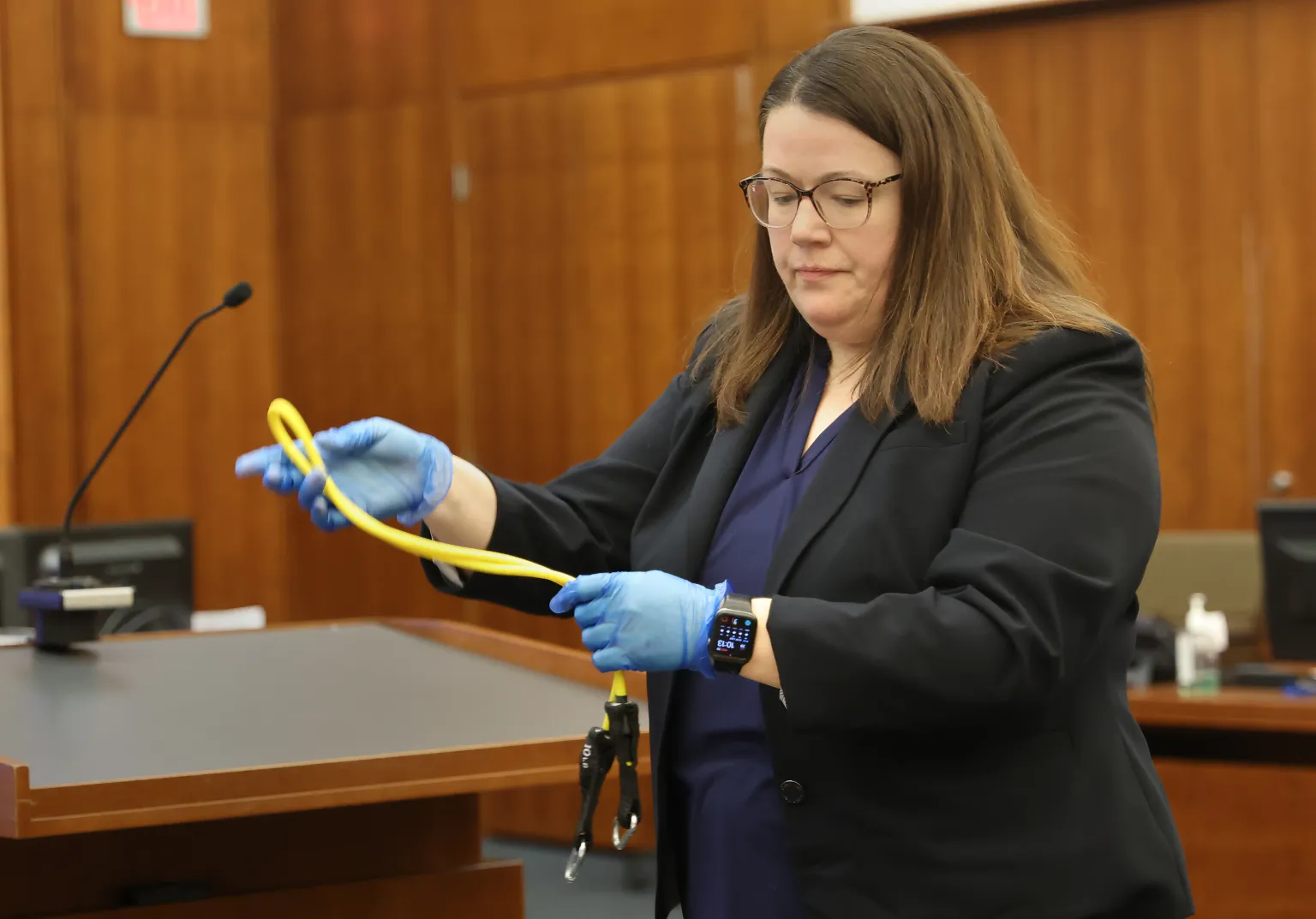
Saathoff suggested Lindsay’s actions on January 24, 2023 pointed toward “sequential decision making” in her suicide attempt, as she crushed up pills which the psychiatrist described as a “kind of a laborious process.”
She also mixed the pills with lemonade in a wine tumbler, and Patrick told Saathoff that “he didn’t think they had any lemonade in the house” and that he didn’t think Lindsay drank much lemonade, the witness testified.
“Mainly their argument that she was a conniving, planning woman who wanted to get rid of her kids and then thought she could get away with it by saying she was crazy,” Cirillo told The U.S. Sun.

“They also claimed that she planned the whole day she ordered food.
“She sent her husband to pick up the food. She had the bedroom door locked when she went out the window, so that her husband couldn’t easily get into the bedroom.
“Planning all her events for the day – covering herself you could say – by getting something from CVS for a child. You say, well, ‘Why would you do that if you know you’re going to kill them?’”
“Everything she did was a good cover story, that a rational person would follow that type of path if they believe that if they were trying to set up a defense.
“Although, they would be more likely, I think, to say that somebody robbed a house or something, you know, to set up a cover story.”
Cirillo said the insanity defense could fail in a variety of ways, including by looking into Lindsay’s behavior now, three years after the fateful night.
“It might fail if they look at her psychiatric history,” she explained.
“If they look at the argument, they’re now trying to make that she speaks perfectly normally, now that she’s away, now that she’s in an institution.
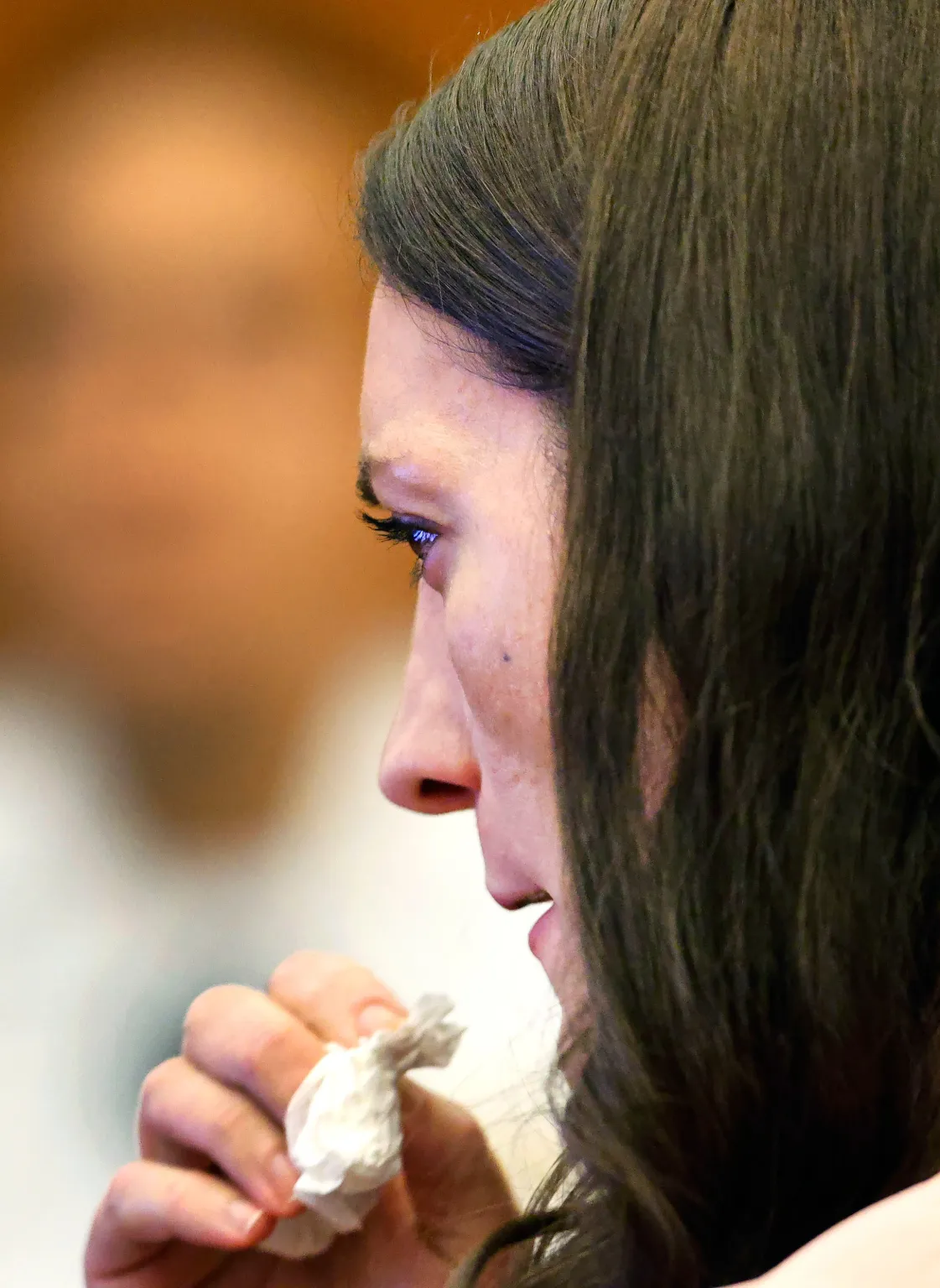
“Other than that, she doesn’t seem to show excessive remorse for her kids. Maybe she doesn’t realize that she did something horrible. You know, she doesn’t seem to show that much remorse.”
Lindsay’s defense attorney Kevin Reddington has argued that Lindsay is “living in her own hell,” and that she “is a woman that did not get the medication, did not get the medical treatment that she so deserved.”
“This was a woman who was suffering from psychosis at the time that she went down to that basement. She had no motive; she loved her children,” Reddington said in his opening statements.
Lindsay’s murder trial is expected to come to an end after five weeks of testimony.
If Lindsay is found not guilty by lack of criminal responsibility, she will be committed to a state mental health facility.
If she is found guilty, she faces life in prison without parole, but would still be treated for her mental health struggles, according to Cirillo.
“The psychiatry might not be that great in the prison. Eventually, they would through trial and error, they would find something that worked better than no medication,” she told The U.S. Sun.
Source: https://www.the-sun.com/news/16893727/lindsay-clancy-insanity-plea-backfire/