Glenn Close Walked Onto the ‘Hunger Games’ Set — One of Her Costars Had No Idea Who She Was
Glenn Close has spent decades proving that she does not need elaborate makeup to frighten an audience.
She did it as Alex Forrest in Fatal Attraction. She did it as the calculating Patty Hewes in Damages. And as Cruella de Vil in 101 Dalmatians, she showed just how much fun she could have when an extravagant costume was allowed to become part of the performance.
Her newest villain, however, required something different.
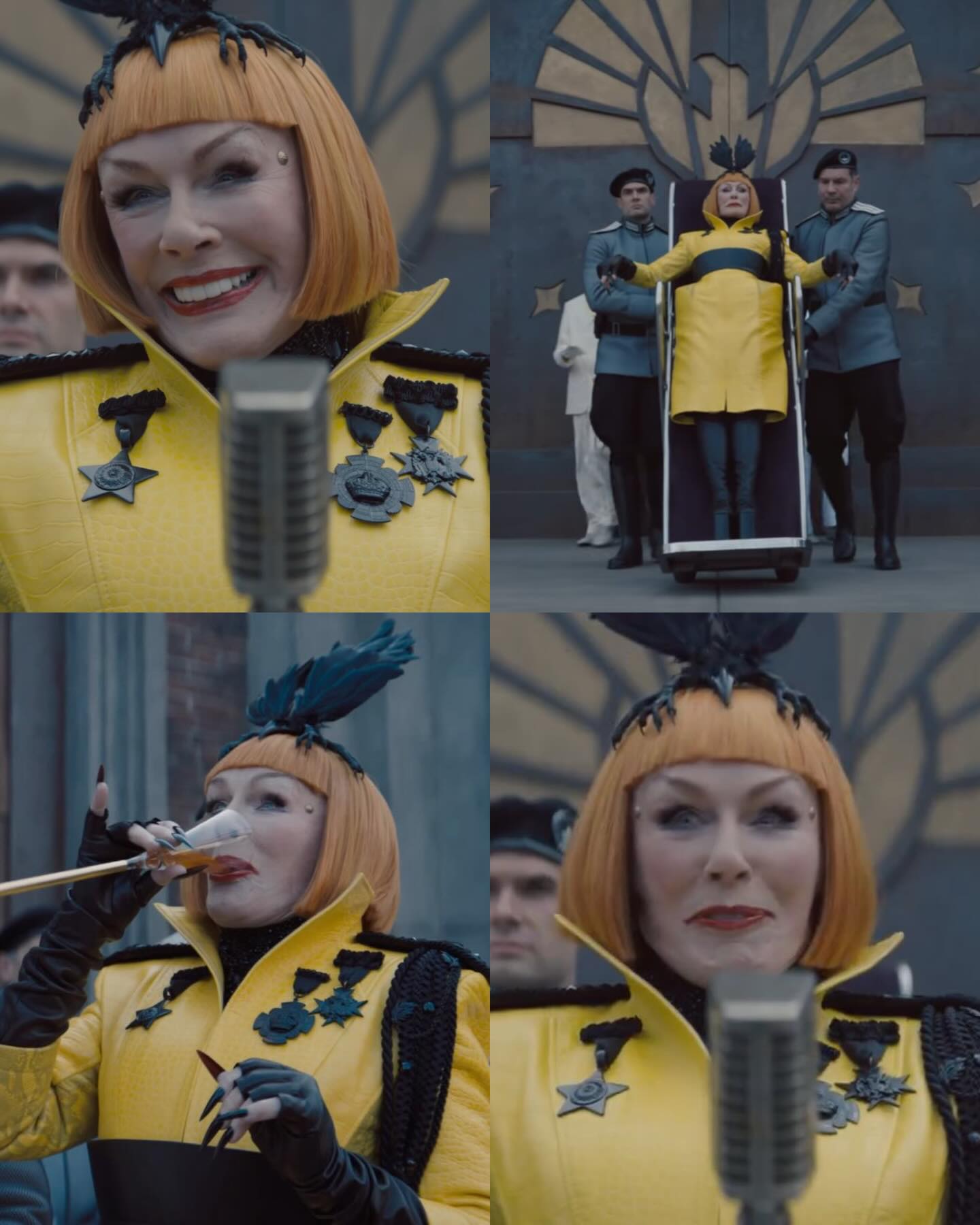
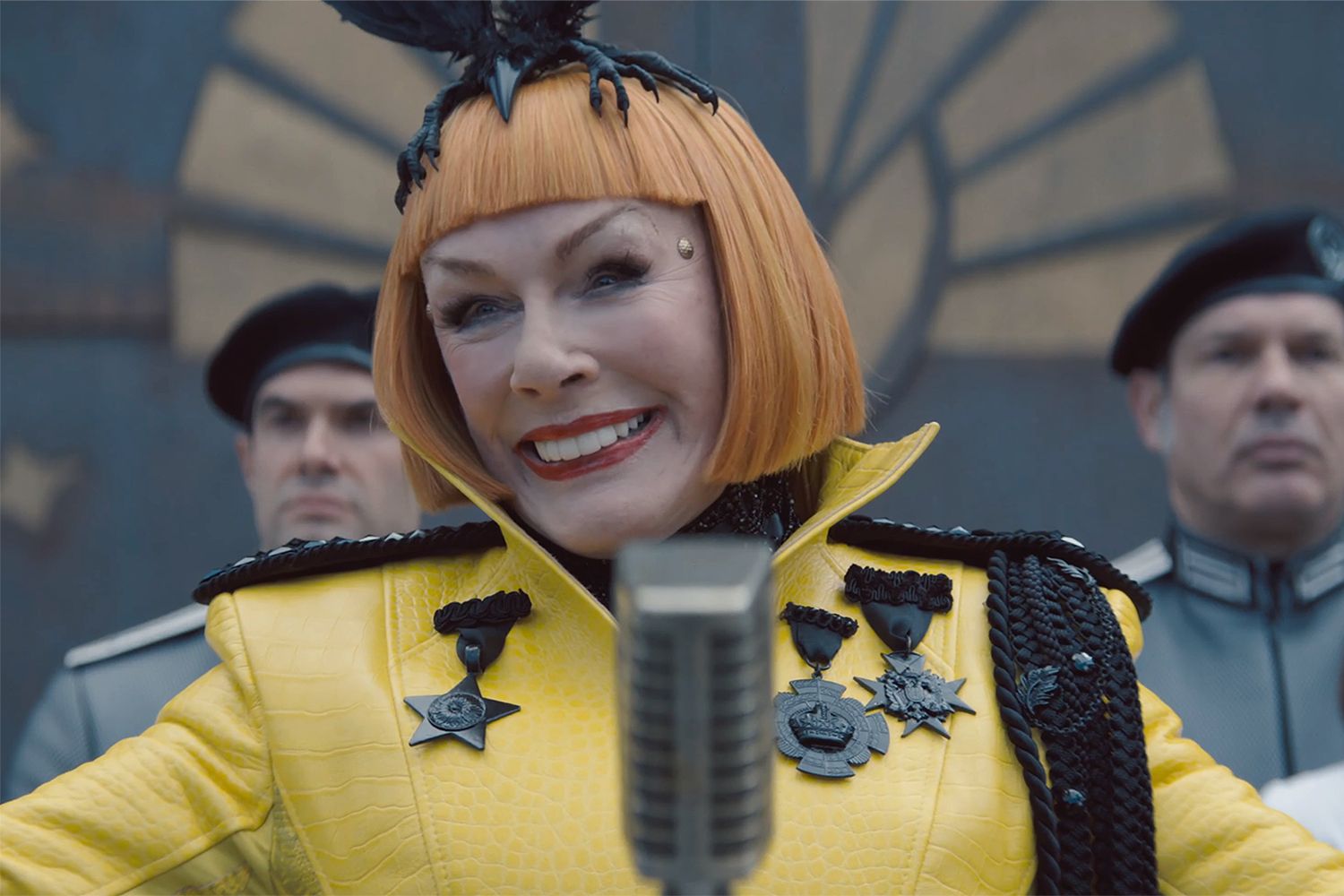
For The Hunger Games: Sunrise on the Reaping, Close has been transformed into Drusilla Sickle, the ruthless Capitol figure assigned to District 12 during the 50th Hunger Games.
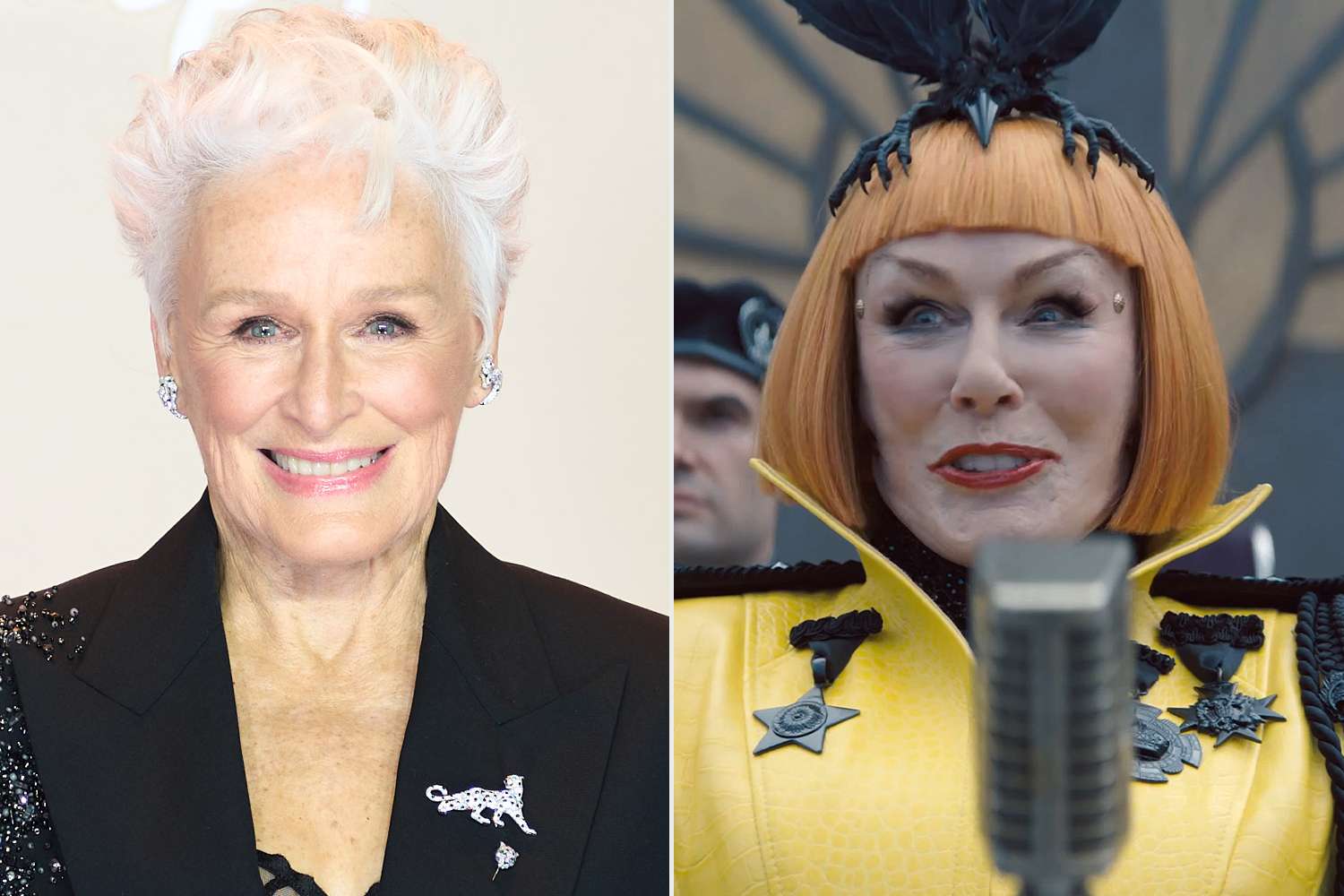
The transformation was so extreme that when Close arrived on set in character, one of her costars had to make sure it was actually her underneath everything.
That costar was Elle Fanning.
And Fanning had already worked with Close before.
Elle Fanning Had to Ask if Glenn Was Really Underneath It
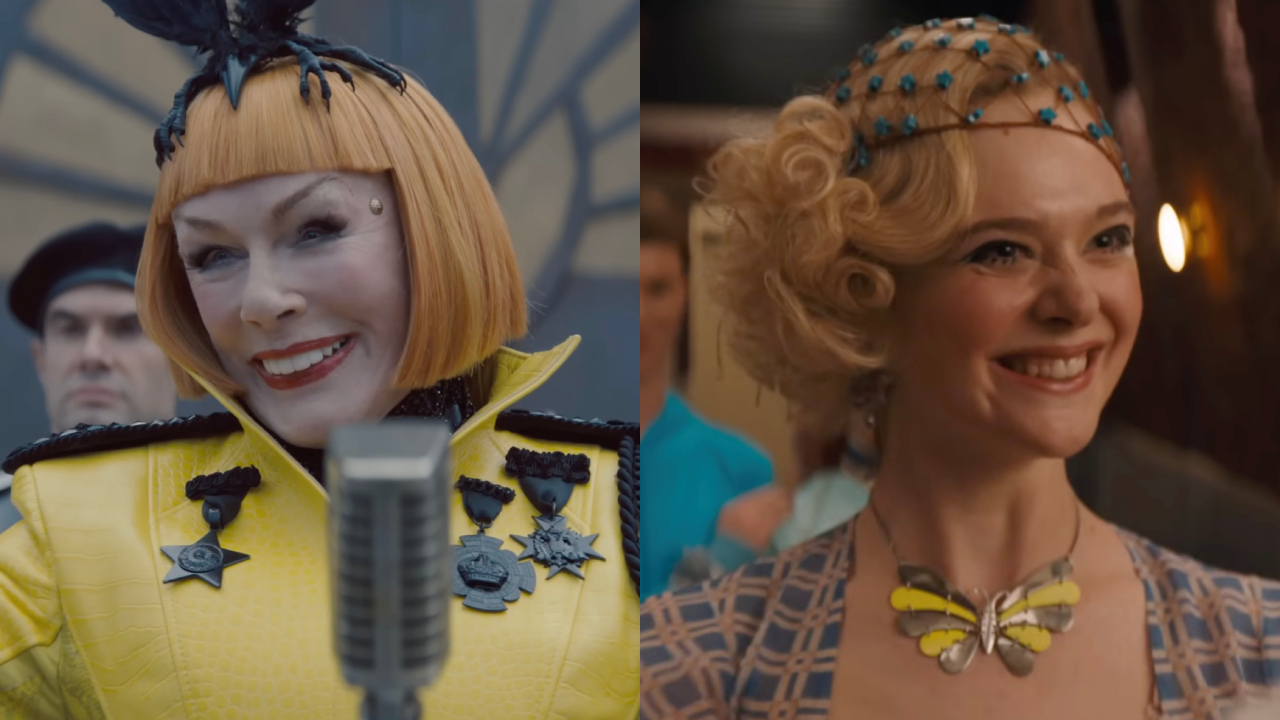
Fanning plays a younger Effie Trinket in Sunrise on the Reaping, but this was not her first experience sharing a project with Close.
The two previously appeared together in the 2014 drama Low Down.
That should have made recognizing Close fairly easy.
It didn’t.
Fanning recalled seeing Close in full Drusilla costume on their first day together and essentially asking whether Glenn was really still somewhere underneath the character.
Close’s face had been pulled and reshaped. Her teeth looked different. Her nose had changed. Her hair and costume completed an appearance far removed from the actress Fanning knew.
Fanning described the result as both frightening and remarkable, saying Close simply did not look like herself anymore.
For Close, that was exactly the point.
The Transformation Actually Started in Glenn Close’s Mirror
Drusilla Sickle presented an unusual opportunity.
Several characters in Sunrise on the Reaping are younger versions of people audiences have already seen in previous Hunger Games films.
Fanning, for example, has Elizabeth Banks’ Effie Trinket as a future reference point. Ralph Fiennes plays an earlier version of Coriolanus Snow, while Joseph Zada takes over as the young Haymitch Abernathy.
Close did not have that problem.
Drusilla had never previously appeared onscreen.
Director Francis Lawrence therefore had no existing movie performance that Close needed to imitate. Together, they could build her from the description in Suzanne Collins’ novel.
Close began experimenting before filming even started.
She stood in front of a mirror and played with the shape of her own face, pulling the corners of her mouth outward rather than upward.
That small experiment eventually became the basis for the finished character.
Then the makeup department took the idea much further.
They Changed More Than Her Makeup
This was not simply a matter of giving Close an unusual lipstick color and an eccentric Capitol hairstyle.
Her facial features themselves were altered.
The team pulled back areas around her eyes and nose. A prosthetic changed the shape of her nose, while a different set of teeth affected the way her mouth and upper lip appeared.
Several wigs, heavy makeup and elaborate costumes completed the illusion.
Close joked that the finished treatment made her look decades older.
The actress was heavily involved in the process rather than simply arriving each morning and allowing the makeup department to make every decision.
Her core creative group included specialists in prosthetics, conventional makeup, wigs and costumes.
That collaboration allowed them to construct Drusilla almost piece by piece.
The result explains why Fanning’s reaction was so immediate.
The face looking back at her was not simply Glenn Close wearing a strange outfit.
The proportions themselves seemed different.
Suzanne Collins Had Already Made Drusilla Disturbing
The extreme look was not invented solely to create an eye-catching movie villain.
Collins gave the filmmakers unusual material to work with.
In the novel, Drusilla is obsessed with presenting herself in an aggressively artificial way, even pulling her skin back to keep it looking unnaturally tight. Her militaristic clothes and riding crop add another layer to her intimidating Capitol persona.
Close and the filmmakers translated that idea into something that could work on a real human face.
And Close understood that the costume needed to affect more than her appearance.
She has compared the experience to playing Cruella de Vil, another character whose personality did not fully emerge for her until the hair, clothes and makeup were in place.
That comparison makes sense.
Close’s Cruella was never designed to look ordinary.
Neither is Drusilla.
Both women treat appearance almost like armor.
But Drusilla belongs to a world where outrageous fashion has a darker meaning.
Drusilla Represents Everything District 12 Hates About the Capitol
Sunrise on the Reaping takes place 24 years before Katniss Everdeen enters the arena in the original Hunger Games story.
This time, the central figure is a teenage Haymitch Abernathy.
The movie begins around the 50th Hunger Games, better known as the Second Quarter Quell. Because it is a special anniversary Games, twice the usual number of tributes are selected: 48 instead of 24.
Haymitch is among those chosen from District 12.
Drusilla is part of the Capitol machinery surrounding those children.
She is responsible for escorting District 12’s tributes, but Close does not appear interested in giving the character hidden warmth.
Quite the opposite.
The actress has described Drusilla as openly contemptuous of District 12 and eager to escape its poverty.
That makes her exaggerated appearance especially fitting.
Everything about her visually separates her from the people she has been sent to manage.
She looks artificial because she comes from a culture obsessed with artificiality.
She looks intimidating because she represents a system that already has almost total power over the people standing in front of her.
The Other Actors Found Her Intimidating Too
Fanning was not alone in reacting strongly to Close’s transformation.
Mckenna Grace, who plays District 12 tribute Maysilee Donner, described Close’s Drusilla as both impressive and terrifying.
Whitney Peak, playing Haymitch’s girlfriend Lenore Dove Baird, similarly recalled being struck by Close during the reaping sequence and finding the character intimidating.
That suggests the makeup accomplished something more useful than simply making Close hard to recognize.
It gave the other performers something unsettling to react to.
The physical design was already telling them who Drusilla was before she spoke.
And that is exactly what a strong transformation should do.
Glenn Close Has Nothing Left to Prove — Which Makes This More Fun
Close is 79 and an eight-time Academy Award nominee.
At this stage of her career, she could easily rely on the authority audiences already associate with her.
Instead, she appears to have treated Drusilla like a new experiment.
There was no earlier screen version to copy.
No familiar silhouette she was required to preserve.
She could distort her face, alter her teeth, experiment with her voice and let the costume influence the performance.
Director Francis Lawrence described that lack of a template as an opportunity to create everything about Drusilla from the ground up.
Audiences will see the finished result when The Hunger Games: Sunrise on the Reaping opens in theaters on Nov. 20, 2026. The movie returns to Panem for the Second Quarter Quell and expands the history that eventually shapes Haymitch into the cynical mentor fans meet decades later.
But before anyone sees Close’s full performance, the transformation has already passed one unusually convincing test.
Elle Fanning knew Glenn Close personally.
She had acted with her years earlier.
Then Close walked onto the Hunger Games set as Drusilla Sickle.
And for a moment, even Fanning had to ask who she was looking at.