Richard Gere Had No Idea What His Unfaithful Director Was Trying to Do to Him Between Takes
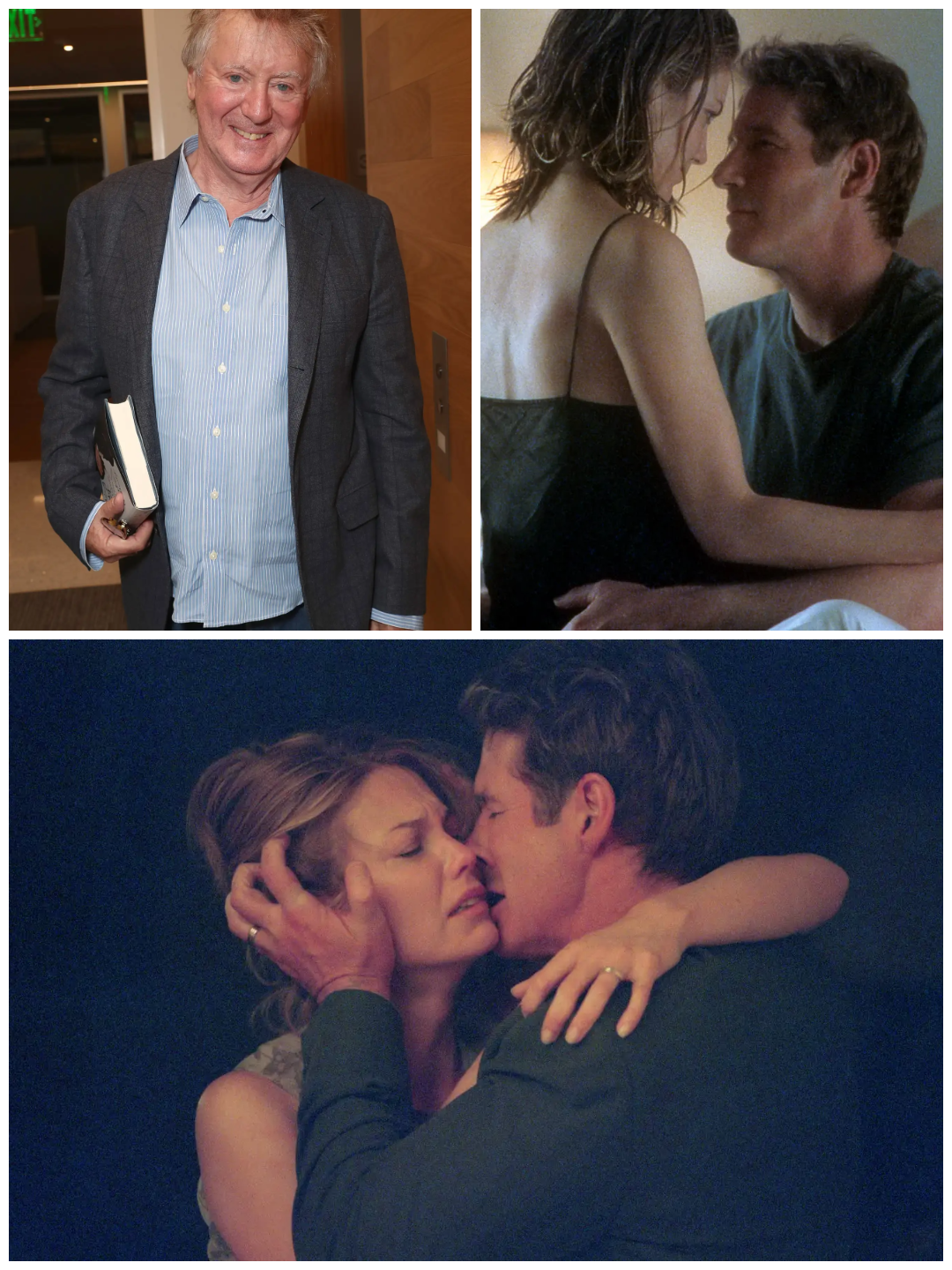
When Richard Gere was cast in Unfaithful, director Adrian Lyne had an unusual problem.
Gere looked too much like Richard Gere.
By the time the erotic thriller was released in 2002, the actor had spent years playing some of Hollywood’s most desirable leading men. American Gigolo, Pretty Woman, Sommersby and Runaway Bride had helped establish an image of Gere as polished, handsome and unmistakably romantic.
That was not exactly what Lyne wanted for Unfaithful.
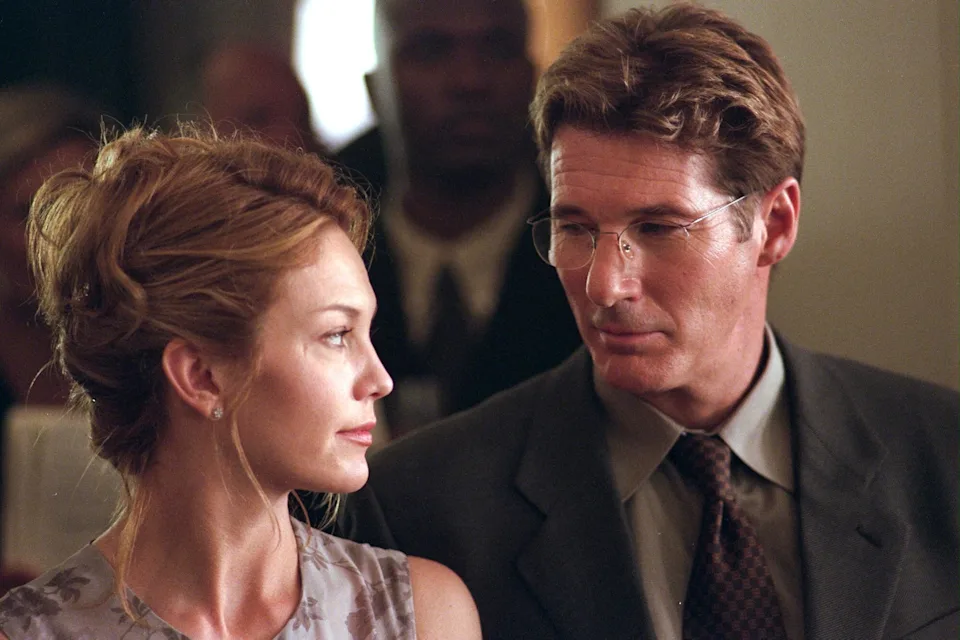
In the film, Gere plays Edward Sumner, the dependable husband of Connie, played by Diane Lane. Their marriage appears comfortable and stable until Connie begins an affair with a younger man, Paul, played by Olivier Martinez.
For the story to work, Lyne wanted Edward to feel like the ordinary, familiar choice — not the obvious fantasy.
So the director came up with a decidedly low-tech strategy.
He tried to make Gere gain weight.
And according to Lyne, cookies were part of the plan.
Lyne Wanted Gere to Look Less Athletic
During an Aug. 14 screening of Unfaithful at the Academy Museum of Motion Pictures in Los Angeles, Lyne reflected on casting Gere and Lane and revealed what he had tried to change about Gere’s appearance.
He said he had been worried that Gere would remain too visibly athletic for the character.
Lyne wanted him “a little bit overweight.”
His solution was to leave tempting food around the actor.
The director said he put cookies and other baked goods in Gere’s clothes in hopes that the actor would eat them and gradually put on weight.
It worked — briefly.
“He ate them one day,” Lyne recalled.
Then Gere figured out what was happening.
The effort failed.
Gere did not transform into the slightly heavier, more ordinary husband Lyne had imagined.
But the director says the performance itself ultimately achieved much of what he wanted.
Richard Gere Had Spent Years Playing the Romantic Ideal
The casting challenge makes more sense when placed in the context of Gere’s career at the time.
Just three years before Unfaithful, PEOPLE had named Gere its Sexiest Man Alive.
He had also recently reunited with Julia Roberts for Runaway Bride, reinforcing the romantic-leading-man identity already established by Pretty Woman.
In Unfaithful, however, Lyne needed audiences to see him differently.
Edward is not supposed to be a bad husband.
That is important.
The film does not build Connie’s affair around an obvious marital villain. Edward is not cruel, abusive or openly neglectful. He and Connie have a comfortable home, a child and a life that appears, from the outside, enviably secure.
Then Connie meets Paul by chance.
That makes the affair more unsettling.
If Edward were obviously terrible, audiences could easily explain Connie’s behavior.
Instead, the movie asks viewers to watch a seemingly stable marriage begin to collapse because of attraction, impulse and secrecy.
Gere therefore had to become less of a movie-star fantasy and more of the man Connie had grown accustomed to.
Lyne’s cookie experiment was one attempt to create that contrast physically.
Diane Lane’s Lover Needed to Feel Like the Dangerous Alternative
Opposite Gere was Olivier Martinez as Paul Martel, the younger man Connie encounters after a violent windstorm sends her into his path in New York.
Paul represents everything Edward does not.
He is unfamiliar.
Spontaneous.
Seductive.
Unpredictable.
The contrast is central to the film.
Connie’s life with Edward is structured and secure. Her relationship with Paul is impulsive and dangerous.
Lyne, whose earlier films included Fatal Attraction and Indecent Proposal, had built much of his career exploring what happens when desire disrupts apparently stable relationships.
Unfaithful follows that same territory, but with an important difference: the husband is not presented as the cause of the betrayal.
That made Gere’s casting both useful and potentially complicated.
Audiences already knew him as a heartthrob.
Lyne needed them to temporarily forget it.
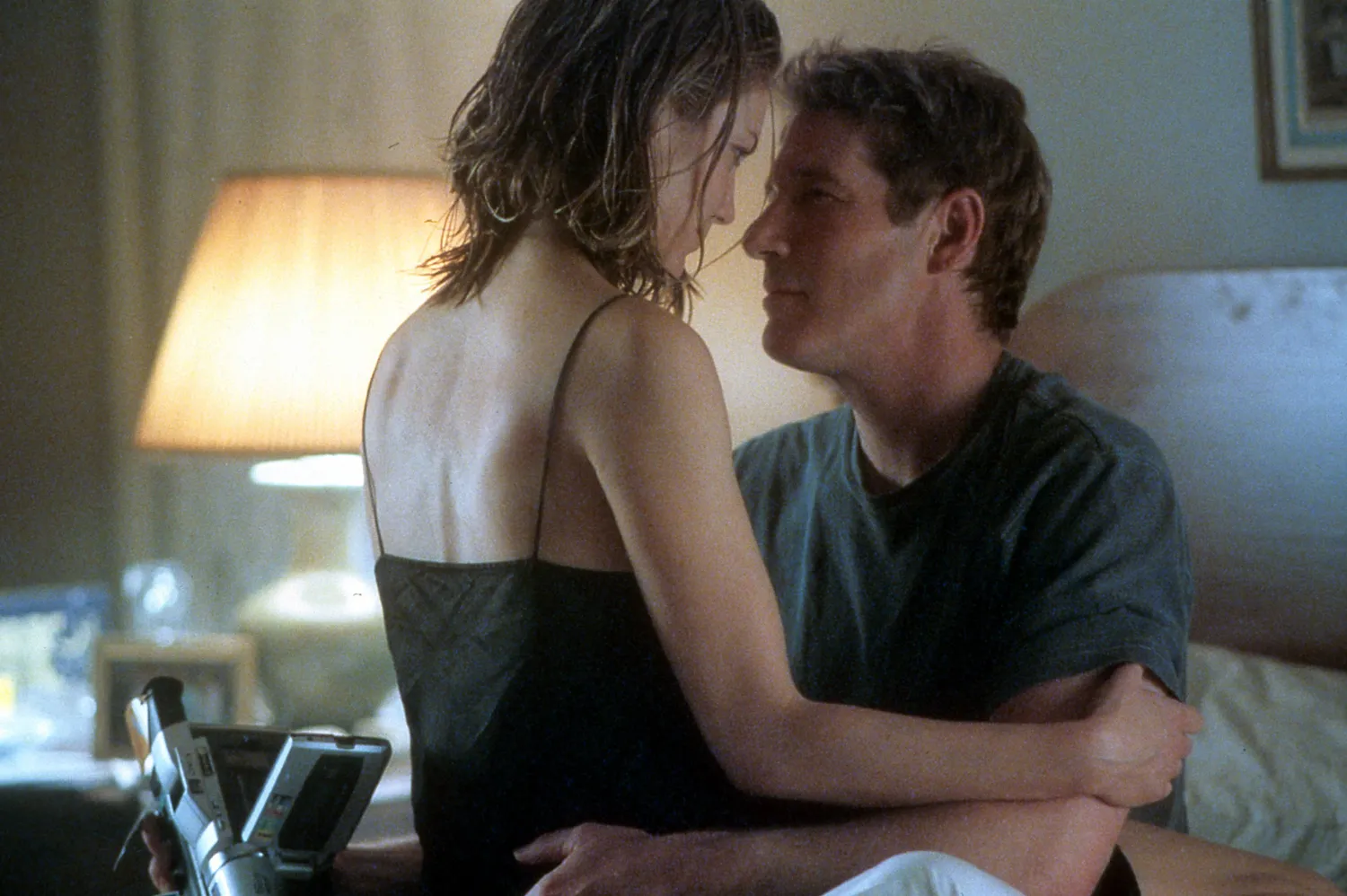
One Quiet Scene Convinced Lyne Gere Had Found the Character
Although Lyne did not succeed in changing Gere’s body the way he wanted, he now says the actor delivered exactly the emotional vulnerability the movie needed.
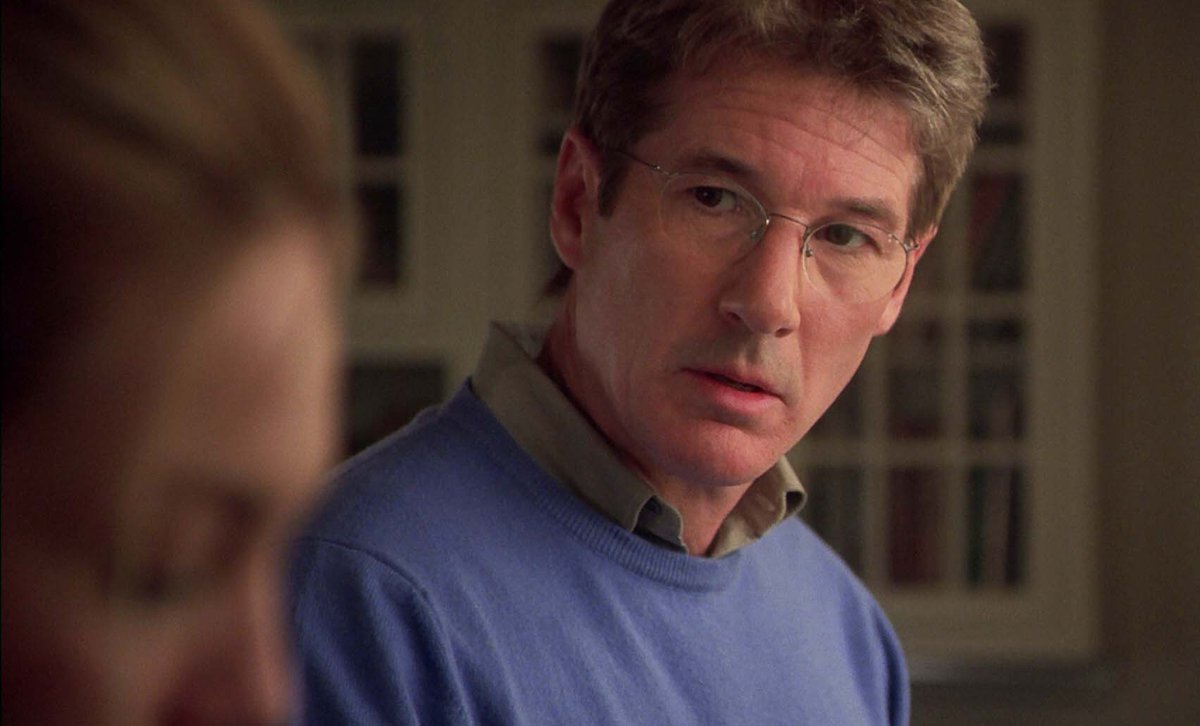
The director specifically praised a scene in which Edward enters the bathroom while Connie is taking a bath.
By this point, Connie is already deeply involved in the affair.
Edward does not yet know the full truth, but he senses that something has changed.
He asks if he can join her.
Connie agrees, but her reluctance is obvious.
Lyne called the sequence heartbreaking.
What makes the moment work is how little is said.
Edward wants closeness.
Connie, carrying a secret he does not understand, wants distance.
There is no large confrontation.
No confession.
Just two married people in the same room realizing, in different ways, that something between them is slipping away.
Lyne said Gere was “wonderful” in the scene and praised the way the score changes as Edward attempts to reconnect with his wife.
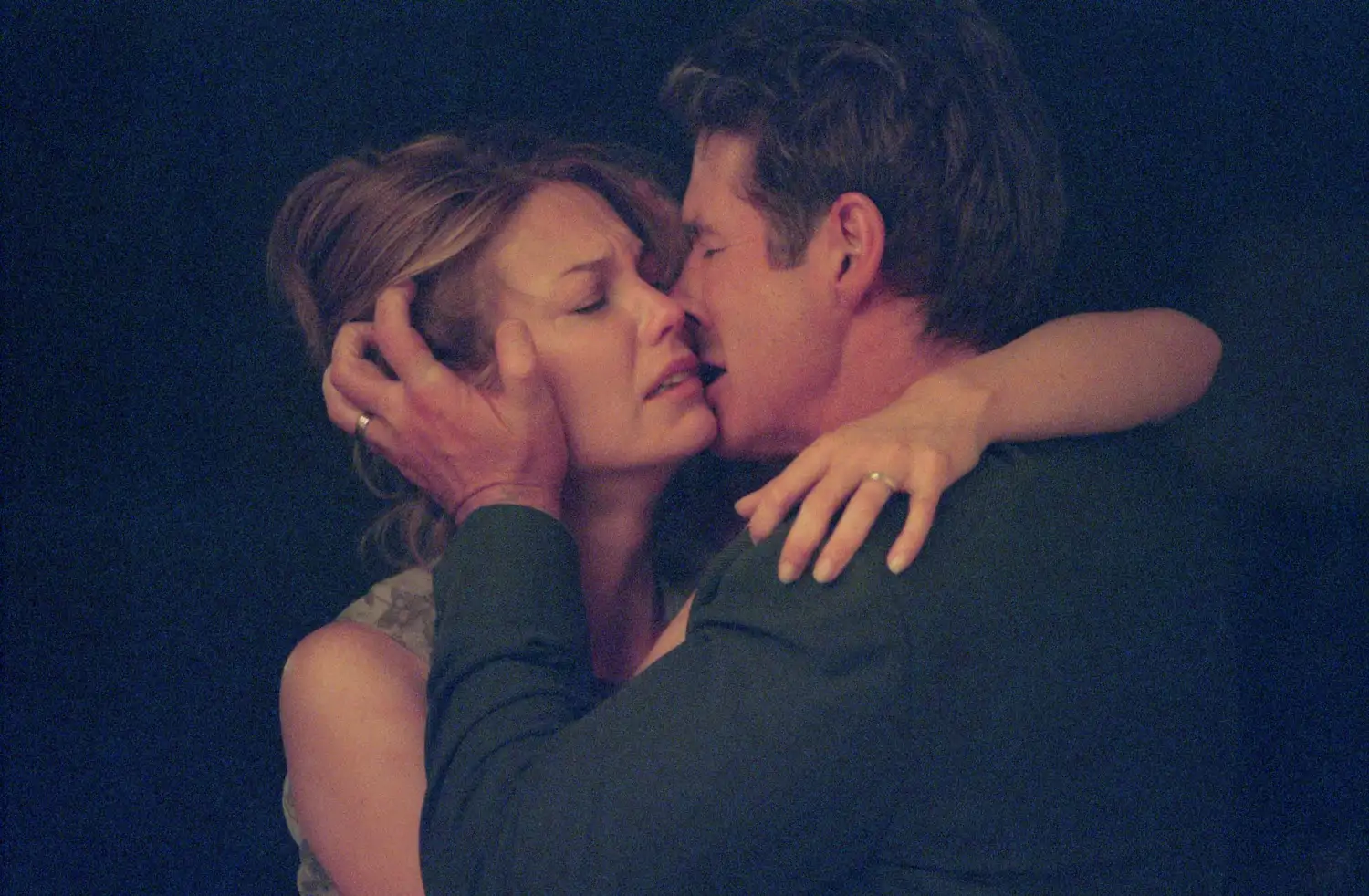
Gere Saw the Story as a Drama Built on One Bad Decision
Around the movie’s original release, Gere also spoke about what made Unfaithful work.
He argued that drama requires a bad decision.
In this case, Connie’s affair does not begin because she has spent years planning an escape from an unhappy marriage.
It happens because circumstances collide.
As Gere described it, the wind is blowing, the man is there, and suddenly something begins.
That randomness is one of the film’s most unsettling ideas.
The Sumner marriage is not depicted as hopeless before Paul appears.
That means the audience cannot easily comfort itself with a simple explanation for what follows.
One encounter becomes another.
Attraction becomes secrecy.
Secrecy becomes betrayal.
And eventually, the consequences become far more destructive than Connie could have imagined.
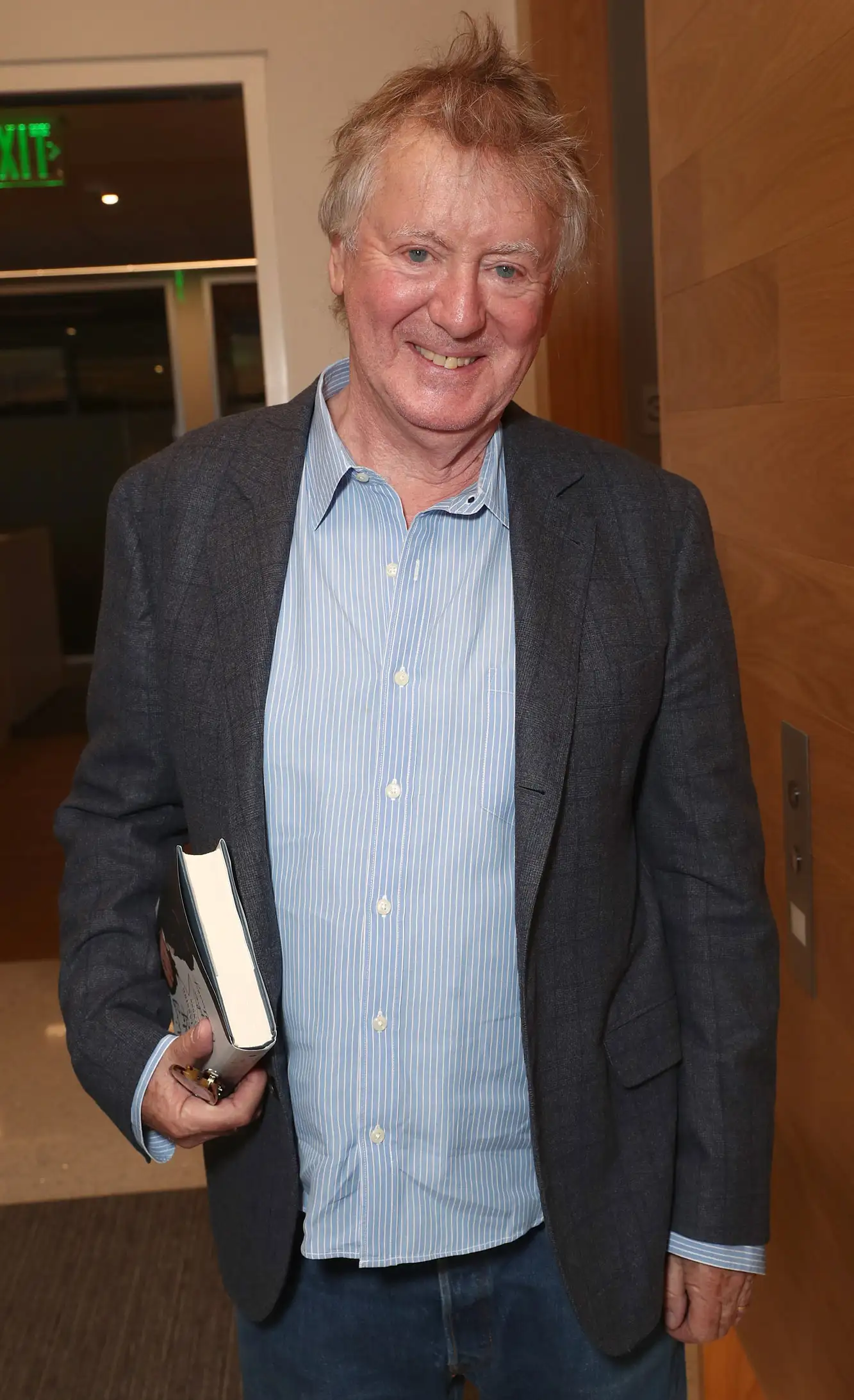
Even the Famous Windstorm Was Harder to Create Than It Looked
Lyne also revealed another behind-the-scenes detail from the film during the Academy Museum event.
The windstorm that brings Connie and Paul together was initially created using an extremely powerful machine.
Too powerful, as it turned out.
Lyne said the production first tried using a jet engine.
During one take, the force of the wind caused a full beer bottle to come crashing down from a building above.
The filmmakers quickly abandoned that approach and switched to something less extreme.
The finished scene still feels chaotic enough to make Connie’s collision with Paul seem almost like an accident engineered by fate.
But behind the camera, the filmmakers were apparently trying not to destroy the neighborhood in the process.
Lyne Ultimately Says He Was Glad He Cast Gere
More than two decades later, Lyne says he remains happy with the central casting choices.
Gere may not have gained the weight the director wanted.
But he managed to strip away much of his familiar movie-star confidence through the performance itself.
Edward often seems hesitant, wounded and increasingly aware that something inside his marriage has changed.
That vulnerability ultimately matters more than whether Gere looked a few pounds heavier.
It also helps explain why Unfaithful has endured.
The movie is not simply about an affair.
It is about the emotional imbalance created when one person knows the truth and another does not.
Diane Lane received an Academy Award nomination for her performance as Connie, but Gere’s quieter work is essential to making that imbalance painful.
And now fans know that Lyne initially tried to create part of that effect with something much simpler.
He wanted Richard Gere — one of Hollywood’s most famous heartthrobs — to look like an ordinary middle-aged husband.
So he tried feeding him cookies.
Gere caught on.
The plan failed.
The performance did not.