Kaylee Hottle Showed Millions That There Is More Than One Way to Tell a Story
When audiences first met Jia in Godzilla vs. Kong, they were introduced to a character who communicated differently from almost everyone around her.
But they were also introduced to something much bigger.
A language.
A culture.
And a way of expressing emotion that doesn’t depend on sound.
Kaylee Hottle didn’t simply portray Jia.
She brought her own experience as a Deaf young woman into one of Hollywood’s biggest franchises and helped make American Sign Language visible to an audience of millions.
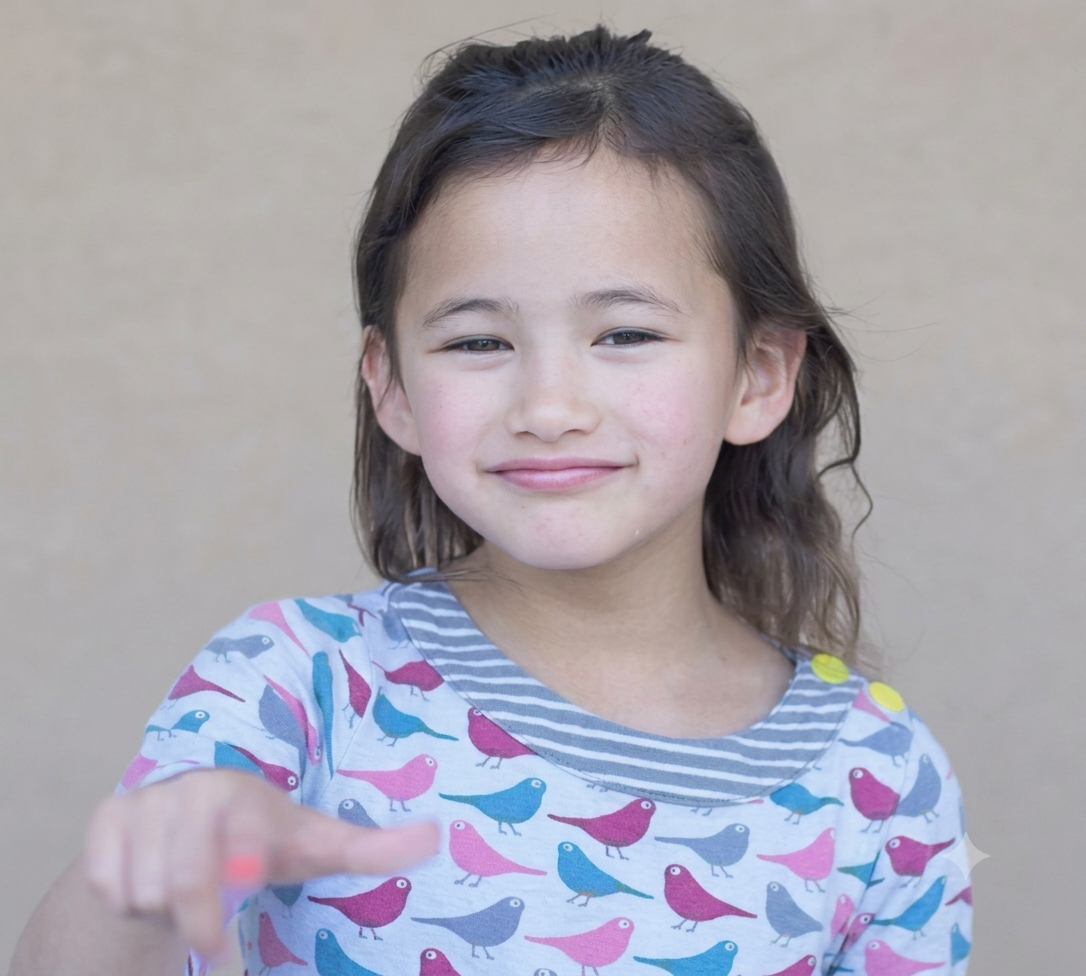
Her Hands Became Part of the Story
For Kaylee, American Sign Language wasn’t something she learned for a movie.
It was part of her life.
She grew up in a multigenerational Deaf family and attended the Texas School for the Deaf, where ASL was a natural part of everyday communication.
That background mattered when she stepped in front of the camera.
Instead of treating sign language as something that needed to be explained, the films allowed it to exist naturally.
Jia signed because that was how Jia communicated.
And audiences learned to follow along.
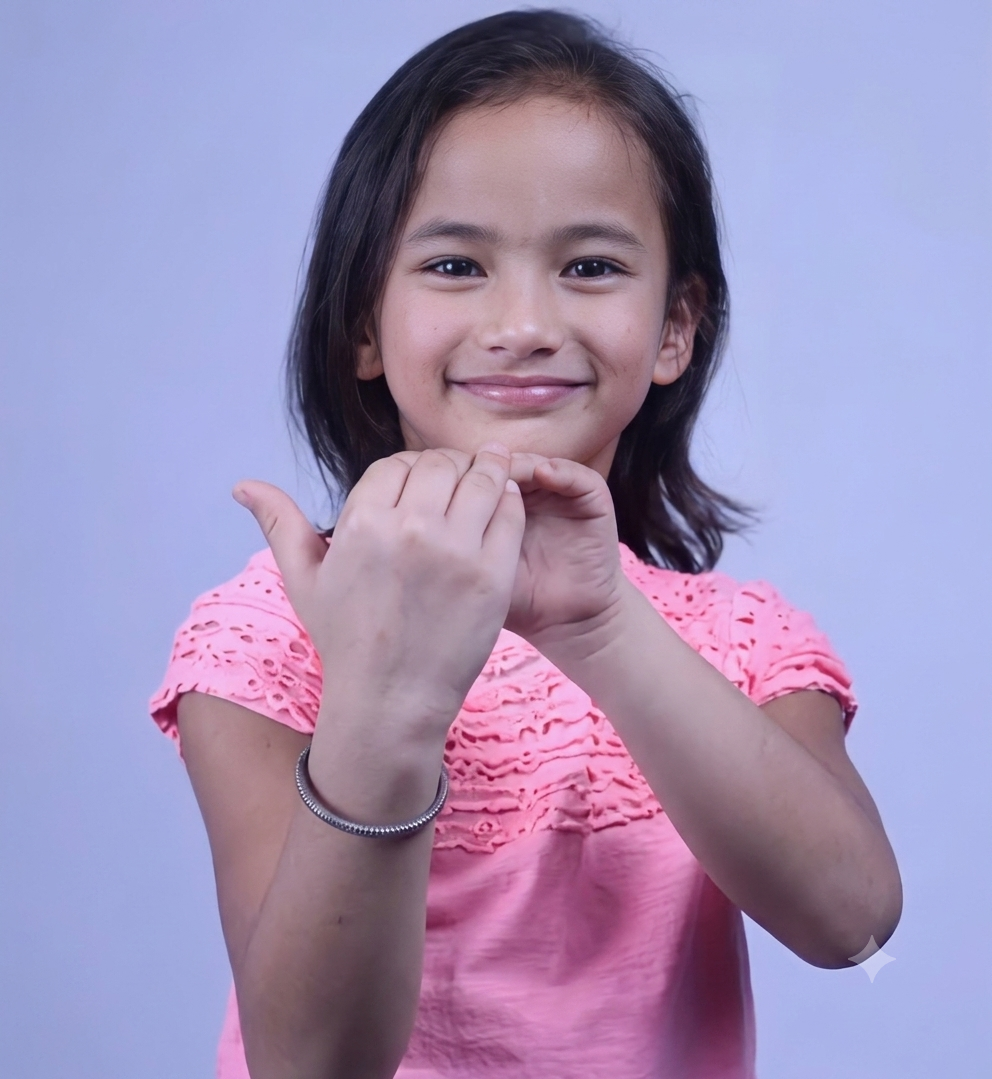
They watched the movement of her hands.
They paid attention to her facial expressions.
They learned to understand emotion without waiting for spoken dialogue.
For many viewers, it may have been their first time seeing ASL play such a visible role in a major blockbuster.
A Different Kind of Connection
The most memorable part of Jia’s story was arguably her relationship with Kong.
Two characters who couldn’t communicate in the conventional way somehow understood one another.
Jia didn’t need to command Kong.
She didn’t need to overpower him.
She approached him with empathy.
Their relationship was built on recognition — two individuals understanding something about each other’s loneliness that other people couldn’t see.
And that created an unexpectedly beautiful message.
Sometimes understanding doesn’t begin with speaking.
It begins with listening.
Watching.
Paying attention.
Trying to understand someone else’s world.
Kaylee’s performance made that idea feel natural.
She Didn’t Turn Deafness Into a Tragedy
Another reason Kaylee’s presence mattered was because her character wasn’t defined entirely by what she couldn’t hear.
Jia was curious.
Emotional.
Brave.
Vulnerable.
Determined.
She had relationships and fears of her own.
She was part of the story because of who she was — not because the audience needed to feel sorry for her.
That distinction is important.
Good representation doesn’t simply put someone with a disability on screen.
It gives them a personality.
A purpose.
A story.
A reason for audiences to care.
Kaylee helped make Jia feel like a person first.
The Young Girl Behind the Character
Away from Hollywood, Kaylee was still living the life of a teenager.
She went to school.
She competed in track and field.
She spent time with friends.
She continued learning.
She had interests that had nothing to do with movies.
That is something worth remembering whenever we look at young performers.
A successful role can make someone appear larger than life.
But behind the character is still a young person trying to figure out who they are.
Kaylee was no different.
She was discovering acting at the same time she was discovering herself.
Representation Can Change a Dream
Kaylee had spoken about wanting Deaf young people to know they could pursue their dreams.
That message was especially meaningful because she understood what it felt like to look for examples.
Before becoming a recognizable actress herself, she had seen successful Deaf people and wanted to become one of them.
Then she became part of that same chain of inspiration.
A young Deaf child could turn on the television and see someone communicating through ASL.
Not in a classroom lesson.
Not in a documentary.
But in a giant Hollywood production.
That difference matters.
Representation becomes powerful when it stops feeling like an exception.
When a child sees someone like them succeeding, the question can change from:
“Could someone like me ever do that?”
to:
“What could I do?”
That is a much bigger question.
She Made the Screen a Little More Inclusive
Kaylee’s career was still young, but her presence represented something that Hollywood had spent years slowly moving toward.
A screen where different kinds of people can exist without needing to explain why they belong there.
A place where sign language can be part of a blockbuster.
A place where a Deaf actress can be the emotional heart of a story.
A place where audiences are willing to adapt instead of expecting every character to adapt to them.
That may sound simple.
But for someone who has spent years rarely seeing themselves represented, it can mean everything.
Her Lesson Goes Beyond Deafness
Kaylee’s story also carries a message for anyone who has ever felt different.
The world often encourages people to hide the parts of themselves that don’t fit.
Speak differently.
Look different.
Move differently.
Think differently.
Be more like everyone else.
But perhaps the better question is:
What if you don’t need to become more like everyone else?
What if you can build something meaningful precisely because you see the world differently?
What if your experience gives you a perspective that other people don’t have?
Kaylee didn’t become memorable by erasing the things that made her different.
She became memorable by bringing those things with her.
Her language became part of her art.
Her experience became part of her performance.
Her difference became part of what made her presence distinctive.
A Story Told Without Needing to Shout
In a franchise famous for roaring monsters and enormous battles, Kaylee created something much quieter.
A reminder that not every powerful moment needs to be loud.
Sometimes a pair of hands can tell a story.
Sometimes a look can carry an entire conversation.
Sometimes silence can communicate more than words ever could.
And sometimes the person who communicates differently can teach everyone else how to understand.
Kaylee Hottle helped millions of people see that there isn’t only one way to tell a story.
There isn’t only one way to communicate.
And there isn’t only one way to belong.
Her journey is a reminder that the world becomes richer when we stop asking people to fit one definition of “normal” and start making room for every way humans express themselves.
Different doesn’t mean disconnected.
Sometimes, it simply means there is another language waiting to be understood.
Course: NY Post