Himalayan Flood Disaster Leaves Hundreds Dead and Thousands Missing as Rescue Teams Race Against Time
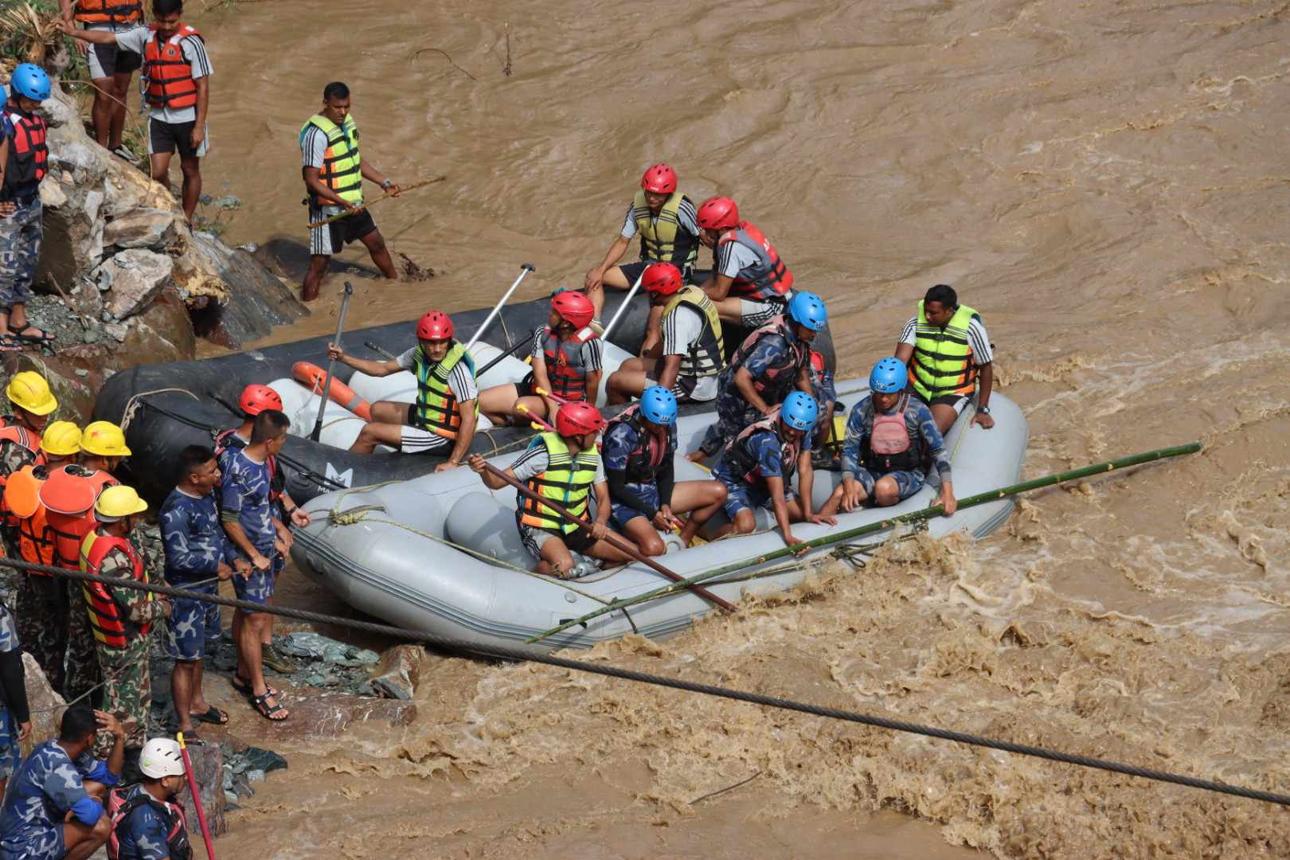
A catastrophic flash flood unleashed across the Nepal–Tibet border has left a trail of destruction through Himalayan communities, killing hundreds and leaving thousands of people unaccounted for as rescuers battle mud, debris and the threat of another flood.
The disaster struck on Aug. 26 after a massive glacier collapse and landslide triggered a sudden surge of water, rock and debris through mountain valleys. The torrent swept through settlements, damaged roads and bridges and devastated key infrastructure along the Nepal-China border.
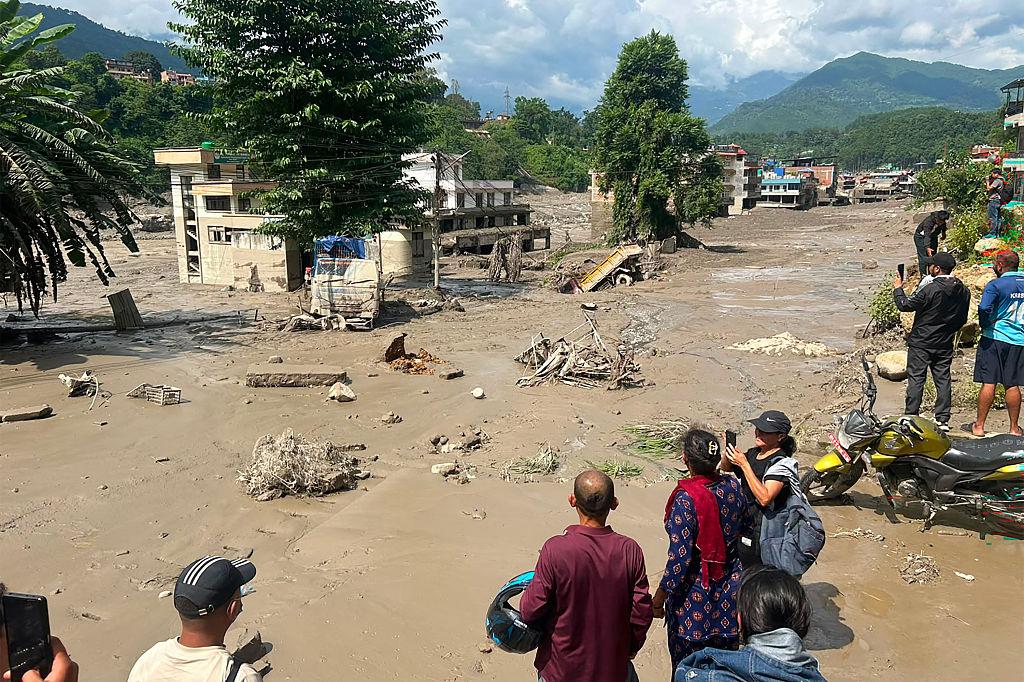
By Friday, the reported death toll had climbed to more than 570, while nearly 2,000 people remained missing, according to the latest reports. More than 3,700 people had been rescued in Nepal, but emergency teams were still struggling to reach isolated areas.
A Wall of Water Came Without Warning
The scale of the disaster shocked residents because there was no obvious warning of the enormous wave of water that suddenly tore through the region.
A glacier collapse sent an immense amount of material downhill, creating conditions that triggered catastrophic flooding. The resulting torrent carried mud, rocks and debris through communities with devastating force.
Survivors described scenes of chaos as people scrambled for higher ground while homes, vehicles and roads were overwhelmed.
Among those caught in the disaster were foreign travelers, pilgrims and trekkers visiting one of the world’s most remote and dramatic regions.
More than 30 nationalities are represented among those reported missing, according to reports, adding an international dimension to the tragedy.
Rescue Efforts Halted by Another Threat
Even as rescuers searched for survivors, nature delivered another frightening complication.
A landslide created a temporary barrier lake, raising fears that another sudden release of water could send a second destructive surge downstream.
The danger briefly forced rescue operations to pause. Teams later resumed their work after the immediate threat eased, but authorities remain on high alert.
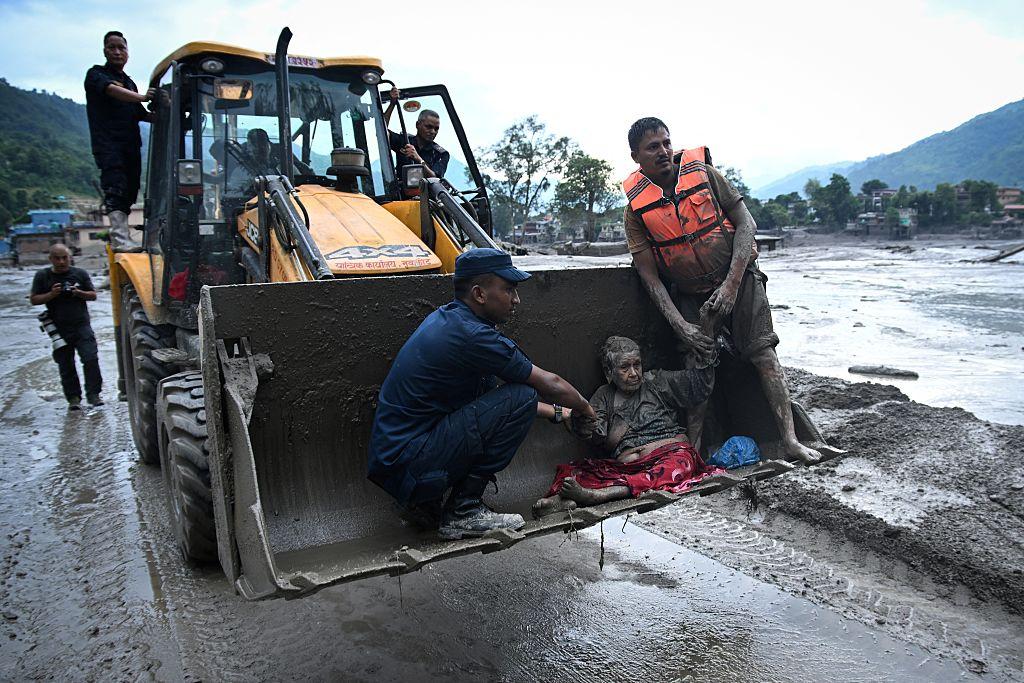
More than 90,000 people are believed to need urgent humanitarian assistance, while damage to roads, bridges, schools and health facilities has made it difficult to deliver help to communities cut off by the disaster.
Families Still Waiting for Answers
For thousands of families, the rescue operation is more than a race against the clock — it is a desperate search for loved ones.
Every helicopter arriving with survivors offers a moment of hope. Every recovered body brings another family the painful certainty of loss.
Emergency crews from Nepal and China have continued searching despite dangerous conditions, while international organizations have begun providing humanitarian support.
The disaster has also renewed concerns about the growing risks faced by communities living beneath unstable glaciers and glacial lakes in a rapidly warming Himalayan region. Scientists say warming temperatures are contributing to changes in high-altitude environments, potentially increasing the danger of landslides and glacial flooding.
For now, rescuers continue moving through mud-covered roads and devastated communities, searching for anyone who may still be alive.
And across Nepal and Tibet, thousands of families are waiting — hoping that the next phone call brings the news they have been praying for.
Course: NY Post