Gene Wilder Died 10 Years Ago Today — He Kept One Secret Because He Couldn’t Bear “One Less Smile”
- NgoPhong
- August 29, 2026
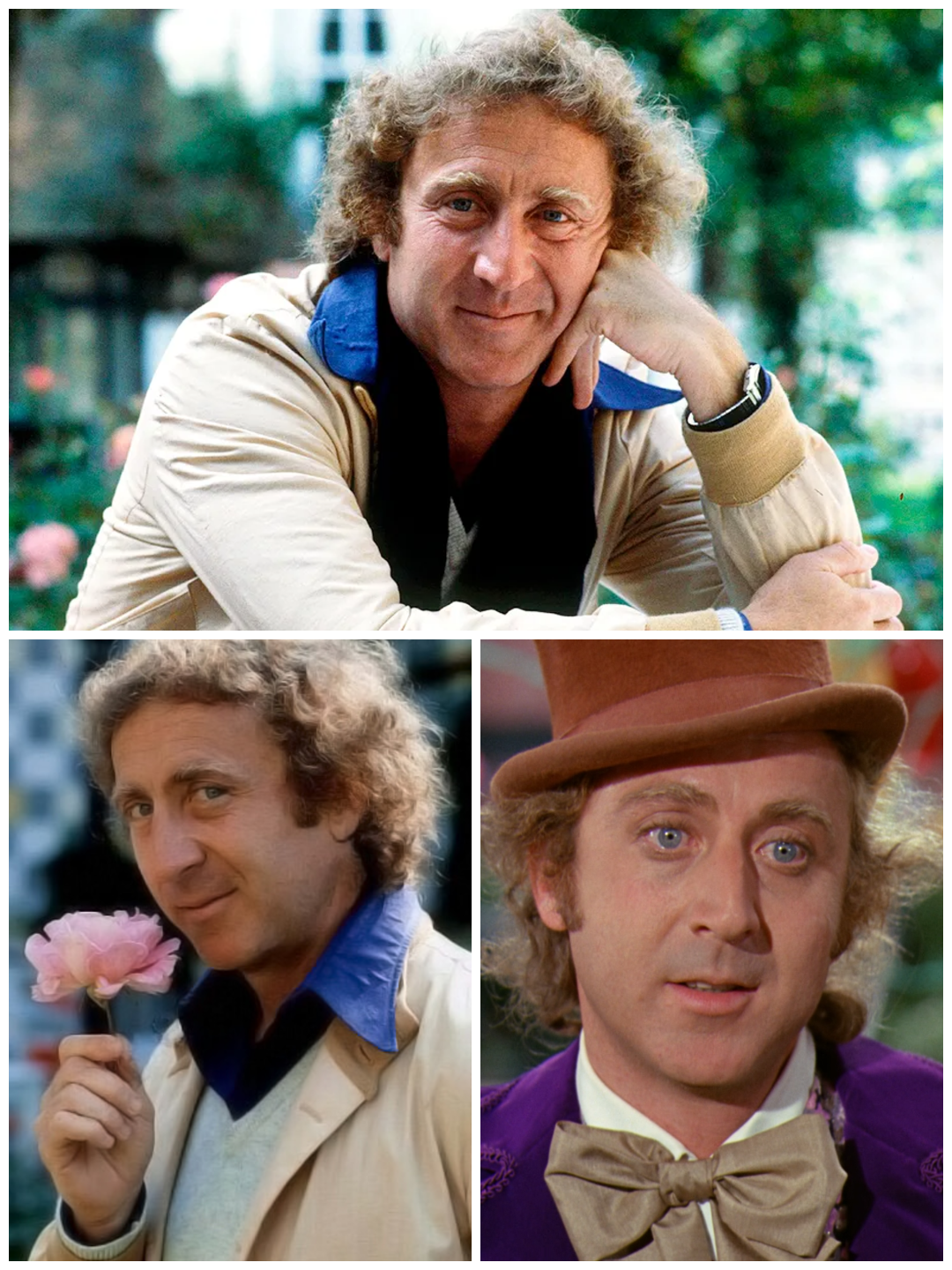
Ten years ago today, on Aug. 29, 2016, the world learned it had lost Gene Wilder.
He was 83.
For generations of moviegoers, Wilder had been many people: the nervous Leo Bloom in The Producers, the exhausted gunslinger Jim in Blazing Saddles, the increasingly unhinged Frederick Frankenstein in Young Frankenstein and one half of an unforgettable comedy partnership with Richard Pryor.
But children often knew him by one name.
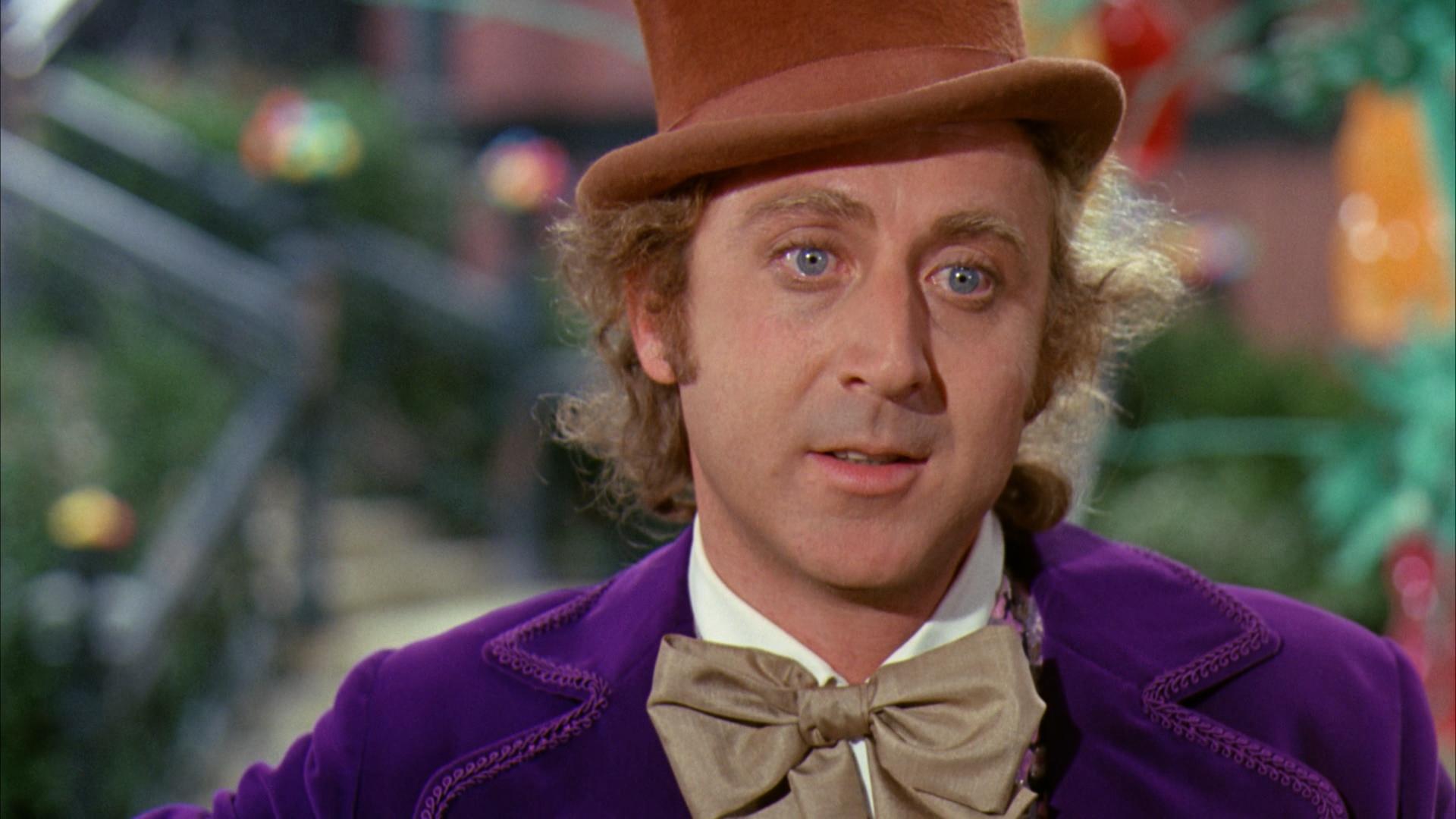
Willy Wonka.
Even decades after Willy Wonka & the Chocolate Factory opened in 1971, young fans still recognized Wilder. They would spot the curly hair and familiar blue eyes, smile and excitedly tell the adults beside them that Willy Wonka was standing nearby.
Wilder loved that reaction.
And according to his family, protecting it became one of the reasons he kept the most serious struggle of his final years almost completely private.
For roughly three years before his death, Wilder had been living with Alzheimer’s disease.
The public did not know.
His family did.
And Wilder wanted it that way—not because he was embarrassed by the diagnosis, but because he imagined what might happen to a child who recognized him.
He could not bear, his nephew later explained, the possibility of creating “one less smile in the world.”
The Diagnosis Was Kept Inside a Very Small Circle
Wilder died at his home in Stamford, Connecticut. The Television Academy officially lists his date of passing as Aug. 29, 2016, making today the 10th anniversary of his death.
Only after he was gone did his nephew, filmmaker Jordan Walker-Pearlman, reveal that complications from Alzheimer’s disease had caused his death.
Walker-Pearlman said Wilder had been diagnosed about three years earlier and had made a deliberate decision, together with his family, not to disclose the illness publicly.
The reason was unusually specific.
Wilder was not thinking primarily about journalists.
He was thinking about children.
Walker-Pearlman later explained that the family could be out at dinner when a child would suddenly recognize Wilder. The reaction was immediate: their face would light up.
There was Willy Wonka.
Wilder worried that if his Alzheimer’s diagnosis became widely known, that moment might change.
A child might smile, only for a parent to begin explaining that the man they recognized was seriously ill.
Joy could turn into concern.
Excitement could become confusion.
Wilder did not want that.
His nephew emphasized that keeping the diagnosis secret was not about vanity. Wilder simply wanted children to retain the uncomplicated happiness they associated with the character.
Willy Wonka Had Followed Him for Nearly Half a Century
The decision says something about how deeply Willy Wonka & the Chocolate Factory had become attached to Wilder himself.
The film was not initially the enormous cultural institution it later became.
Yet repeated television broadcasts and home-video releases introduced new generations to Wilder’s strange, unpredictable chocolatier.
His Wonka could seem welcoming one second and vaguely dangerous the next.
Wilder was also instrumental in establishing the character from his very first appearance.
He famously wanted Wonka to walk toward the crowd with a cane, apparently stumble, then unexpectedly execute a forward roll.
Why?
Because after that moment, Wilder believed audiences would never be certain whether Wonka was telling the truth.
That mixture of mischief and warmth became inseparable from the role.
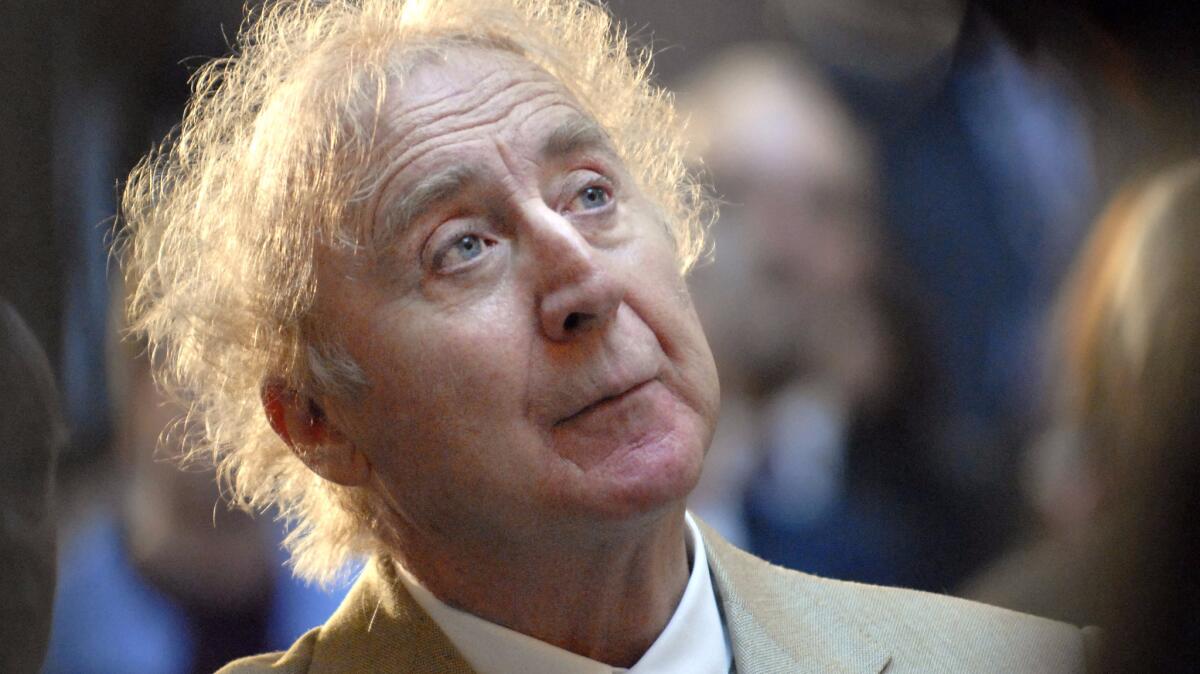
By the time Wilder was an older man largely retired from acting, children who had not even been born when the movie was released still knew his face.
That was the audience he was trying to protect.
Behind the Smiles, Alzheimer’s Was Gradually Changing His Life
What fans did not see was much harder.
Wilder’s wife, Karen, later described the progression of his disease in an emotional 2018 essay.
She had first met Wilder while working as a speech pathologist. He was preparing for See No Evil, Hear No Evil, the 1989 comedy in which he played a deaf character, and sought her expertise.
They married in 1991.
Years later, Karen began noticing changes.
Wilder’s perception of distance became unreliable. During one bicycle ride, he thought they were about to collide with trees that were actually far away.
His personality occasionally shifted in ways that felt completely unlike the gentle man she knew.
Then came memory problems.
One particularly painful moment occurred when friends were discussing Young Frankenstein.
Wilder could not remember the title.
This was not some obscure film buried deep in his résumé.
Young Frankenstein was one of his defining achievements—a movie he starred in and co-wrote with Mel Brooks, earning an Academy Award nomination for the screenplay.
Unable to find the name, Wilder tried to act out the movie until the people around him understood what he meant.
Eventually, medical testing led to the Alzheimer’s diagnosis.
Karen described watching the disease gradually take pieces of the man she loved.
Memory was only part of it. Alzheimer’s also affected physical abilities and eventually required increasingly intensive care.
Yet Parts of Gene Wilder Remained
Wilder’s family also emphasized what the illness did not immediately take.
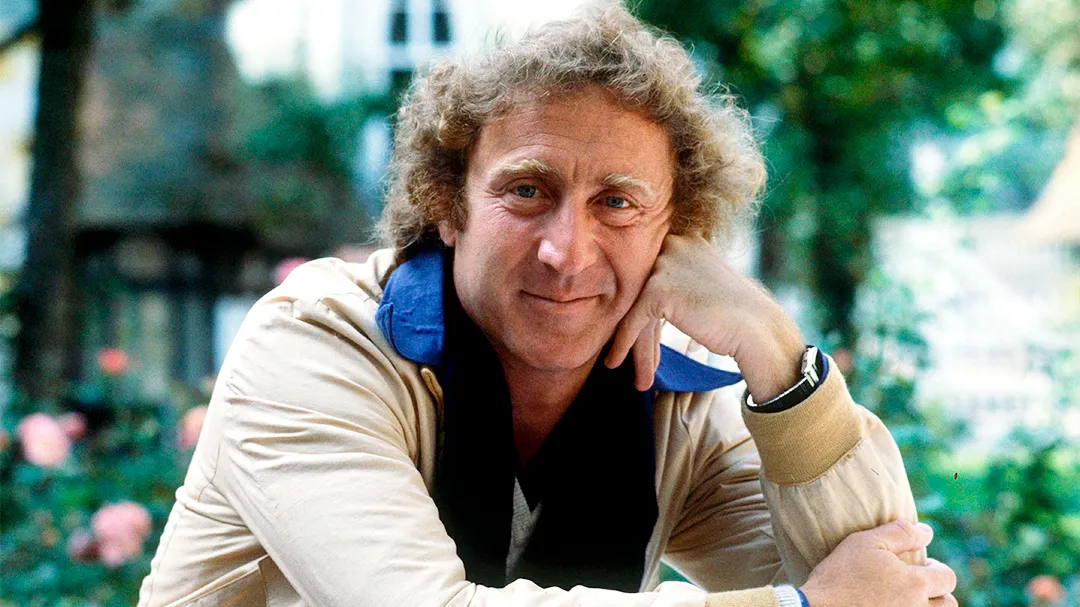
Walker-Pearlman said Wilder continued recognizing the people closest to him and retained much of the gentle personality that had defined him.
His humor survived in remarkable flashes too.
Karen later remembered an occasion when Wilder fell outside and the two struggled for around 20 minutes to get him back up.
Even in that frustrating moment, Wilder suddenly behaved as though he were addressing a theater full of spectators, joking that they would be ready in another 20 minutes.
The performer was still there.
He continued enjoying music and movies.
He remained surrounded by the people he loved.
And outside that circle, the public remained largely unaware of what was happening.
To fans, Gene Wilder could still simply be Gene Wilder.
To a child who recognized him, he could still simply be Willy Wonka.
His Final Years Were Far Removed From Hollywood
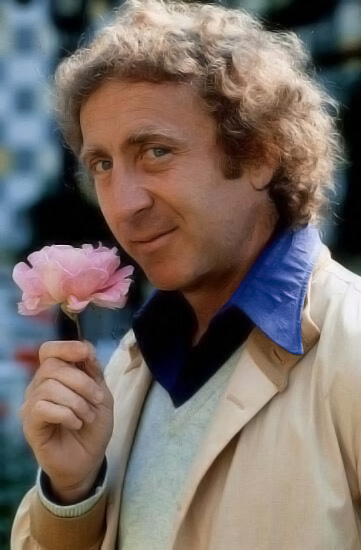
By then, Wilder had already largely left acting behind.
His later career had moved increasingly toward writing, including novels, short stories and his memoir Kiss Me Like a Stranger.
His appearance on Will & Grace earned him an Emmy in 2003, but Wilder no longer seemed particularly interested in chasing movie roles. The Television Academy notes that the performance became one of the final major acting chapters in a career that had included two Academy Award nominations.
He had also endured serious loss long before Alzheimer’s.
His third wife, comedian Gilda Radner, died from ovarian cancer in 1989 at only 42.
Wilder subsequently became an advocate for cancer awareness and helped establish Gilda’s Club, a support organization for people affected by cancer. He later faced cancer himself, developing non-Hodgkin lymphoma before eventually going into remission.
Perhaps experiences like those influenced the way he thought about illness, privacy and the people around him.
Whatever the reason, when Alzheimer’s arrived, he chose not to make it part of his public identity.
His Family Revealed the Truth Only After He Was Gone
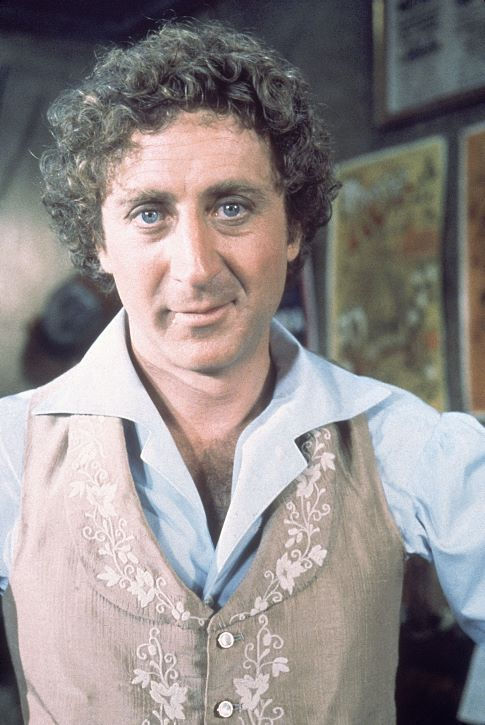
When Wilder died, his family could finally explain what had been happening.
The news stunned many fans.
For three years, one of Hollywood’s most recognizable comic actors had been living with a progressive neurological disease while the outside world knew almost nothing about it.
Yet the detail people remembered most from the family’s announcement was not medical.
It was that smile.
Wilder had spent his career creating laughter through anxiety, absurdity, gentleness and sometimes complete comic chaos.
But his final private decision was remarkably simple.
He knew children were still going to recognize him as Willy Wonka.
He knew they would smile.
And he wanted the moment to end there.
Today, exactly 10 years after Gene Wilder died, it is difficult to find a more appropriate explanation of what he meant to audiences.
The man famous for inviting generations into a world of “pure imagination” spent his final years protecting an illusion of his own.
A child could see him across a restaurant.
Point.
Smile.
And for those few seconds, Gene Wilder was not a man living with Alzheimer’s disease.
He was still Willy Wonka.
And Wilder believed that smile was worth protecting.