135 Wild Animals Found in Shocking Cartel-Linked Zoo During Mexican Fuel Theft Raid
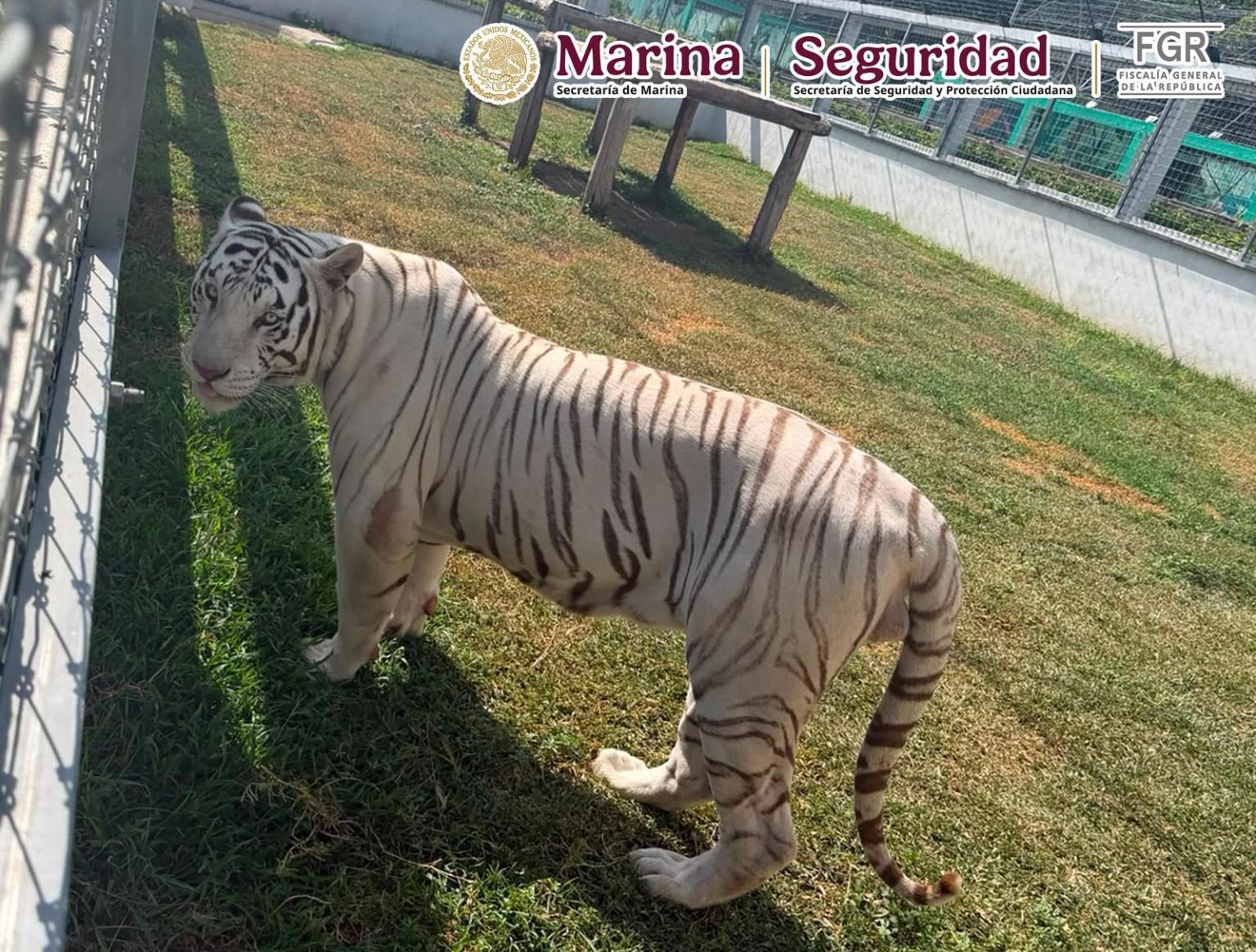
What Mexican authorities expected to be a major operation targeting stolen fuel turned into a startling wildlife discovery when officers uncovered a makeshift zoo containing 135 wild and exotic animals on a property in northeastern Mexico.
The animals were found in Altamira, Tamaulipas, during a multi-agency operation targeting a criminal organization allegedly involved in fuel theft, Mexico’s Secretariat of the Navy said.
Instead of finding only evidence of the suspected fuel operation, authorities encountered a bizarre collection of animals that included 21 Mexican spider monkeys, five Bengal tigers, three African lions, three jaguars and an American bison.
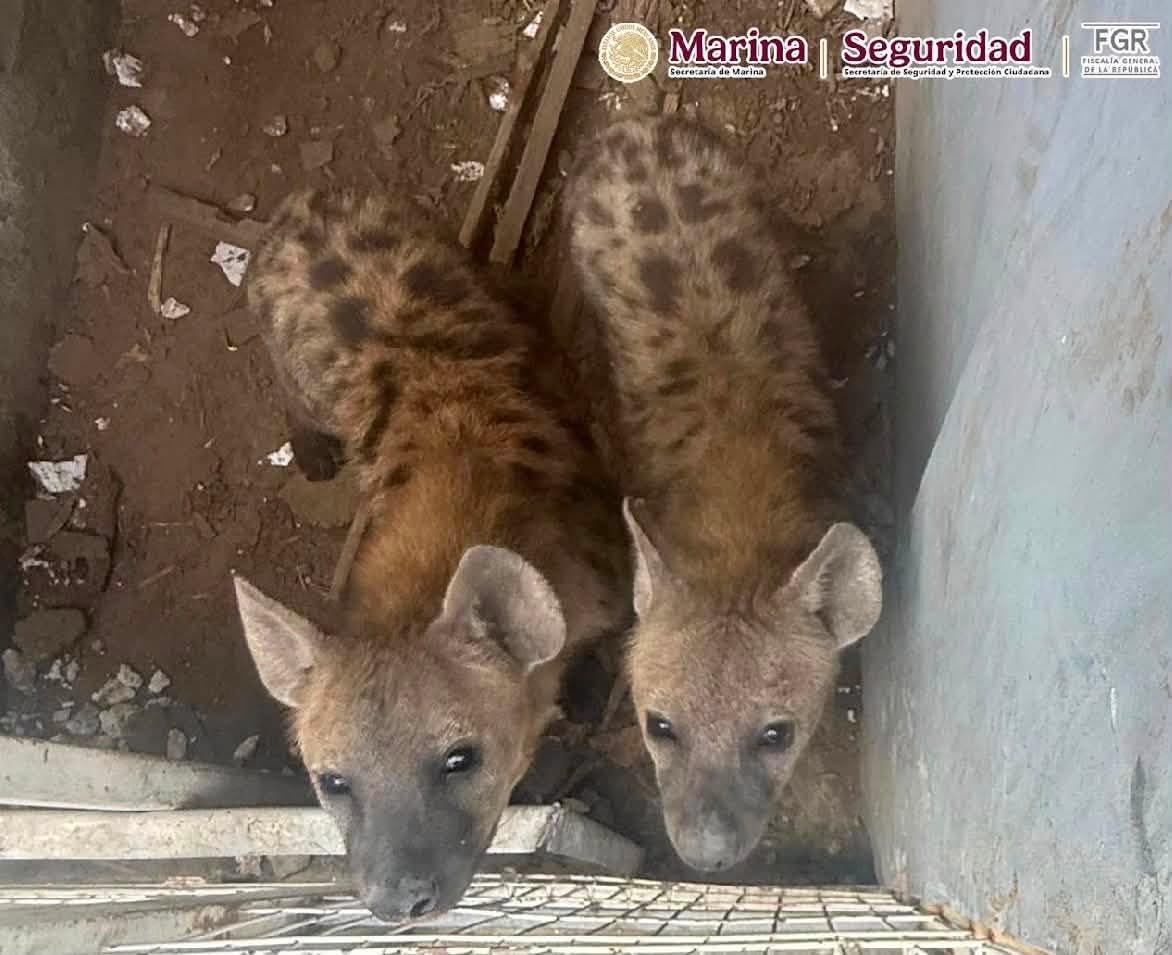
The property also contained other exotic animals, with some being kept behind heavy metal bars.
Photographs released after the raid showed monkeys inside an enclosed area and large cats being held on the property, offering a glimpse into the unusual operation hidden behind the walls of the compound.
The animals have since been placed under the custody of Mexico’s Federal Attorney General’s Office for Environmental Protection, which will determine how they are cared for and where they can ultimately be relocated.
A Criminal Investigation Uncovers Something Unexpected
The discovery was made as authorities searched five properties in Tamaulipas as part of an investigation into a suspected fuel-theft network.
Officials said they seized approximately 68,000 liters of diesel, along with two oil tankers, fuel-storage containers, communication equipment, firearms and ammunition.
One man was arrested during the operation.
Authorities have not publicly identified him, and the investigation into the criminal organization remains ongoing.
The wildlife discovery, however, quickly became one of the most striking elements of the operation.
Among the animals were species that would be extremely difficult and dangerous for ordinary private owners to keep legally, including Bengal tigers, African lions and jaguars.
Why Would a Criminal Organization Keep Tigers and Lions?
A Tamaulipas State Attorney General’s Office official told The Post that criminal organizations in Mexico have previously been associated with collections of exotic animals.
According to the official, possessing rare and dangerous animals can serve as a display of wealth, influence and power.
The animals can become part of the image that criminal groups attempt to project — one built around status and the ability to control things most people could never possess.
That makes the discovery particularly striking.
The compound was not simply hiding stolen fuel. It was also home to a collection of animals normally associated with professional wildlife facilities, rather than a private property connected to a criminal investigation.

The Animals Become the Focus
For authorities, the immediate priority is now the welfare of the animals.
Keeping large predators and exotic species in unsuitable conditions can create serious risks both for the animals and for people nearby.
Officials must assess the health of each animal and determine which facilities are capable of safely caring for them.
The 135 animals also raise questions about where they came from and how they were acquired.
Those questions could become an important part of the wider investigation as authorities work to establish the full extent of the criminal operation.
What began as a search for stolen diesel has therefore uncovered something far stranger: a hidden menagerie of dangerous and exotic wildlife allegedly connected to a criminal network.
For the animals, the raid may mark the beginning of a very different chapter — one in which they are finally removed from the shadowy compound and placed under professional protection.
Course: NY Post