One Paperwork Mistake Helped Turn Frank Capra’s It’s a Wonderful Life Into a Christmas Tradition
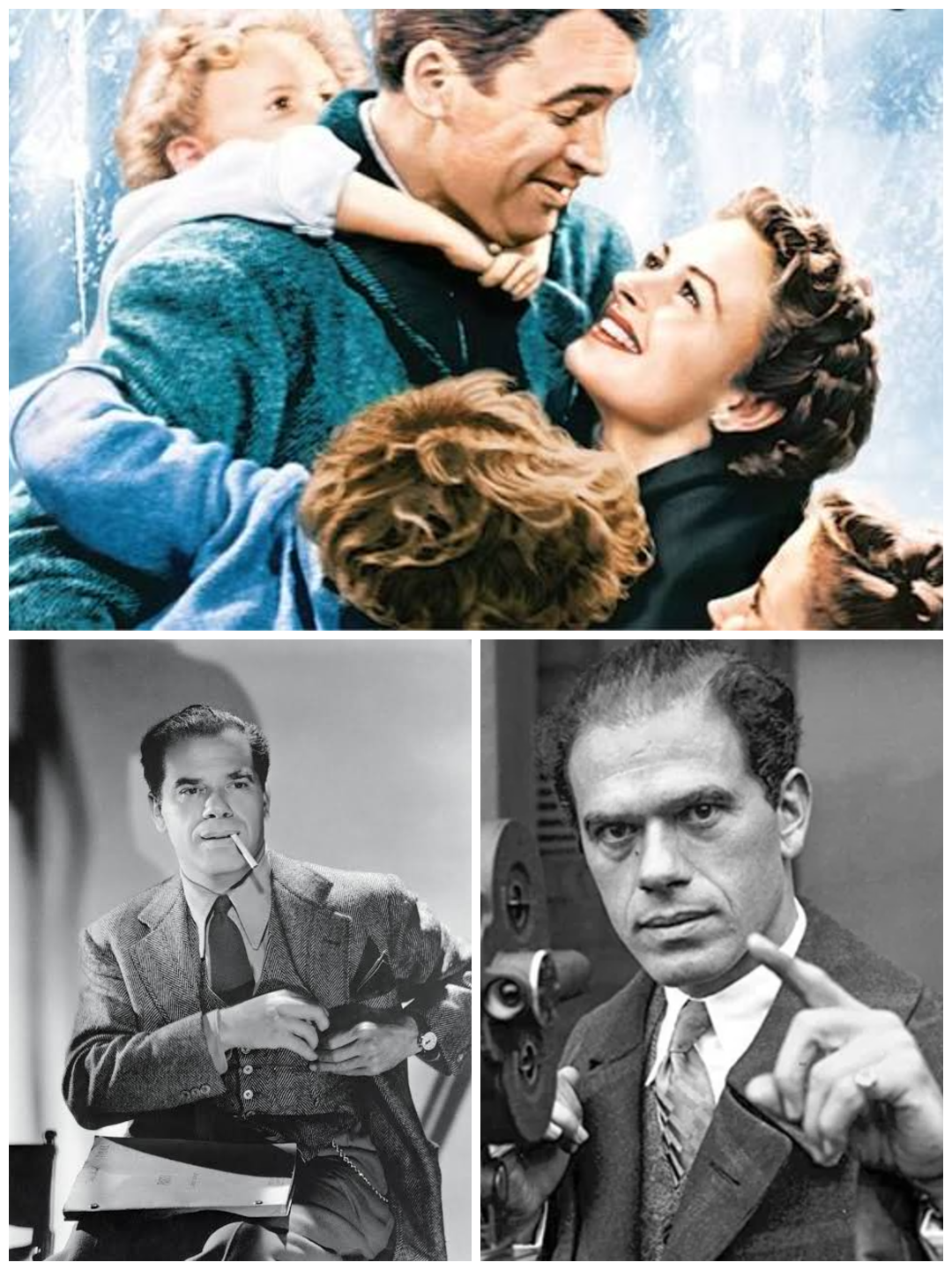
Today, it is difficult to imagine Christmas television without It’s a Wonderful Life.
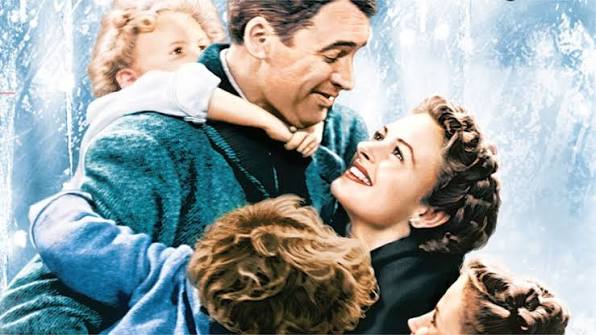
The image of George Bailey running through snowy Bedford Falls, shouting Merry Christmas to everyone he sees, has become part of the American holiday season. Families revisit the film every December. Its ending is quoted, parodied and referenced constantly. For many viewers, watching James Stewart discover how much his life mattered feels almost as traditional as decorating a tree.
But Frank Capra’s movie was not always an untouchable Christmas institution.
When It’s a Wonderful Life arrived in theaters in 1946, it did not instantly become the beloved phenomenon people remember today.
Its transformation happened gradually.
And one of the strangest reasons it reached millions of new viewers had little to do with reviews, awards or an elaborate studio marketing campaign.
It involved paperwork.
Years after the movie’s release, a mistake surrounding its copyright renewal allowed television stations to show It’s a Wonderful Life far more freely than they otherwise could have.
Stations began airing it again and again.
Especially at Christmas.
That enormous television exposure helped give Capra’s film something its original theatrical release never had: decades of repeated access to American living rooms.
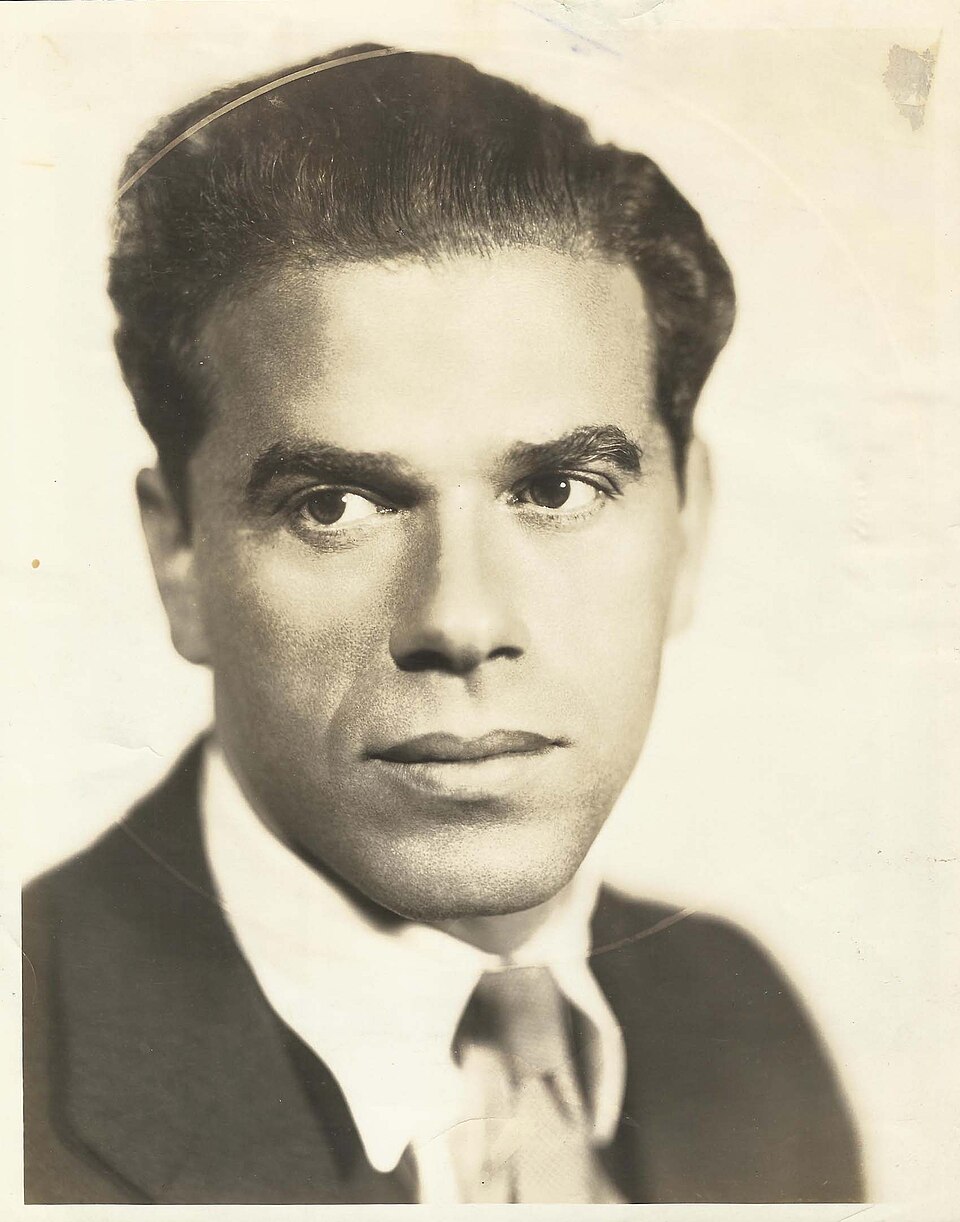
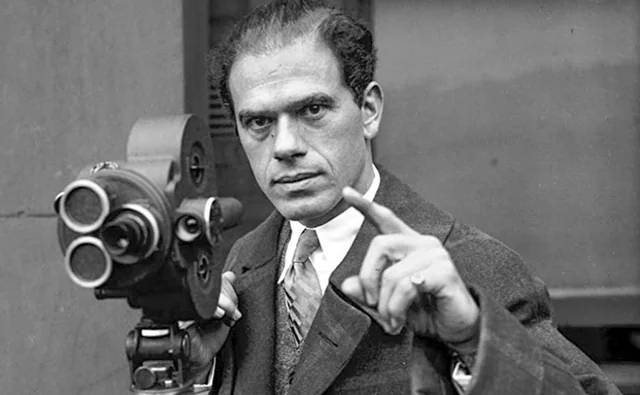
As Sept. 3 marks 35 years since Frank Capra’s death in 1991, the unlikely journey of his most famous film shows how one administrative error helped reshape movie history.
The Movie Was Not an Immediate Christmas Phenomenon
Looking back from the present, It’s a Wonderful Life can seem almost designed to become a holiday classic.
It takes place during Christmas.
There is snow.
There are bells.
There is a family gathered around a tree.
There is a deeply emotional ending built around generosity, community and the idea that one person’s life can affect countless others.
But the film itself is much darker than its reputation sometimes suggests.
George Bailey, played by James Stewart, spends much of his life sacrificing his own ambitions for other people.
He dreams of traveling.
He wants to build things.
He wants to leave Bedford Falls.
Again and again, circumstances keep him there.
Then a financial crisis pushes him into despair on Christmas Eve.
That is when Clarence, his guardian angel, gives George a terrifying gift: a glimpse of what the world might have looked like if George had never been born.
Capra’s story ultimately becomes uplifting, but it travels through remarkably bleak territory to get there.
The movie received Academy Award nominations and attracted attention, yet it was not the runaway commercial sensation that its later reputation might suggest.
For years, it was simply one respected film among many from Hollywood’s golden age.
Then something unusual happened.
A Copyright Deadline Changed Everything
Under the copyright rules that applied at the time, films had to follow certain renewal procedures to maintain their protection.
Decades after It’s a Wonderful Life was released, the necessary renewal for the film was not properly completed.
As a result, the movie’s copyright lapsed in 1974.
Suddenly, television stations had an enormous incentive to show it.
Normally, broadcasting a major Hollywood movie required negotiating rights and paying licensing fees.
But It’s a Wonderful Life had become extraordinarily easy and inexpensive for stations to program.
And what better time to show a movie set on Christmas Eve than during December?
Stations across the country began filling holiday schedules with George Bailey.
Then they did it again.
And again.
Television Did What the Original Release Hadn’t
The repetition mattered.
Before streaming, before DVDs and before home video became widespread, television had enormous power over which older movies remained culturally alive.
If a station showed a film repeatedly, viewers discovered it.
Children saw movies their parents remembered.
Families encountered the same story every year until watching it became a habit.
That is exactly what happened with It’s a Wonderful Life.
Local stations could air the movie repeatedly without facing the same costs associated with many other classic films.
Some channels showed it multiple times during a single holiday season.
The more it aired, the more familiar it became.
The more familiar it became, the more audiences associated it with Christmas.
Eventually, watching George Bailey race home through Bedford Falls stopped feeling like seeing an old movie.
It felt like Christmas itself.
Repetition Created Tradition
Holiday traditions often work through repetition.
One year, a family happens to watch a movie together.
The next year, someone suggests watching it again.
Years later, nobody remembers when the habit started.
It is simply what the family does.
Television gave It’s a Wonderful Life that opportunity on a national scale.
A movie that had once depended on people buying theater tickets was now appearing inside homes every December.
New generations encountered Clarence earning his wings.
They watched George discover that Bedford Falls without him would become the bleak Pottersville.
They heard George’s younger brother Harry raise his glass and call him “the richest man in town.”
The emotional impact had not changed.
What changed was access.
Millions more people finally had repeated chances to experience it.
And the movie found the audience it had never fully reached in 1946.
The Irony Would Have Fit a Capra Movie
There is something almost perfectly Capra-esque about the way it happened.
Capra’s films frequently focused on ordinary people whose lives were changed by forces they could not control.
A small accident could produce enormous consequences.
An overlooked individual could unexpectedly become important.
The fate of It’s a Wonderful Life followed a strangely similar pattern.
A bureaucratic error — the kind of mundane paperwork problem that would normally mean nothing to moviegoers — helped give a decades-old film a second life.
Nobody intentionally designed the copyright lapse as a brilliant strategy for turning the film into a holiday institution.
There was no master plan to flood television schedules until Americans fell in love with George Bailey.
It happened because broadcasters suddenly had access to a famous Hollywood movie at an unusually attractive cost.
They used it.
Viewers watched.
The tradition grew.
The Copyright Story Eventually Became More Complicated
The movie’s legal history did not end in 1974.
Although the film itself had fallen into the public domain, underlying rights connected to the story on which the movie was based remained protected.
Those rights eventually became important in later efforts to control commercial exhibition of the film.
By the 1990s, the era when virtually any television station could treat It’s a Wonderful Life as completely unrestricted had largely changed.
But by then, something far more important had already happened.
The movie did not need rescuing anymore.
America knew it.
Decades of television broadcasts had already transformed it from an older Frank Capra film into a national holiday ritual.
The accidental publicity had done its work.
Frank Capra Lived to See the Revival
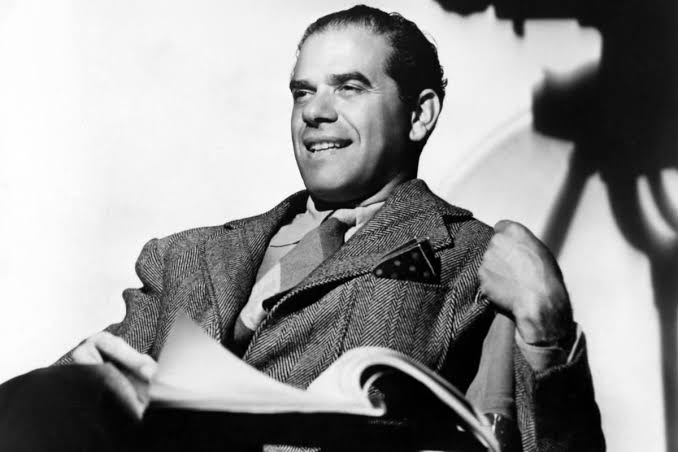
That second life must have been particularly striking for Capra.
The director had already made some of the defining films of classic Hollywood, including It Happened One Night, Mr. Smith Goes to Washington and Mr. Deeds Goes to Town.
Yet It’s a Wonderful Life became the movie most closely connected with his name.
Capra lived long enough to see audiences rediscover it.
He died on Sept. 3, 1991, at age 94.
This Sept. 3 marks 35 years since his death.
By then, the film that had not originally dominated the box office had become something much more durable than a conventional hit.
It had become tradition.
The Mistake That Helped Save Bedford Falls
No single factor explains why It’s a Wonderful Life endured.
The performances mattered.
Capra’s direction mattered.
The emotional power of George Bailey’s story mattered most of all.
A bad movie would not become beloved simply because television stations played it frequently.
But audiences cannot fall in love with a film they never see.
The copyright mistake gave It’s a Wonderful Life something invaluable: exposure.
Year after year, stations brought it back.
Year after year, new viewers discovered it.
Eventually, the film became so deeply associated with Christmas that it is difficult to remember there was ever a time when it was not.
Frank Capra created George Bailey’s story in 1946.
But nearly three decades later, a missed piece of copyright paperwork helped make sure America would keep watching it.
Sometimes Hollywood classics are created on a movie set.
Sometimes their legends are created years later — by accident.