Inside the Tiny Two-Room Tennessee Cabin Where Dolly Parton Grew Up With 11 Siblings
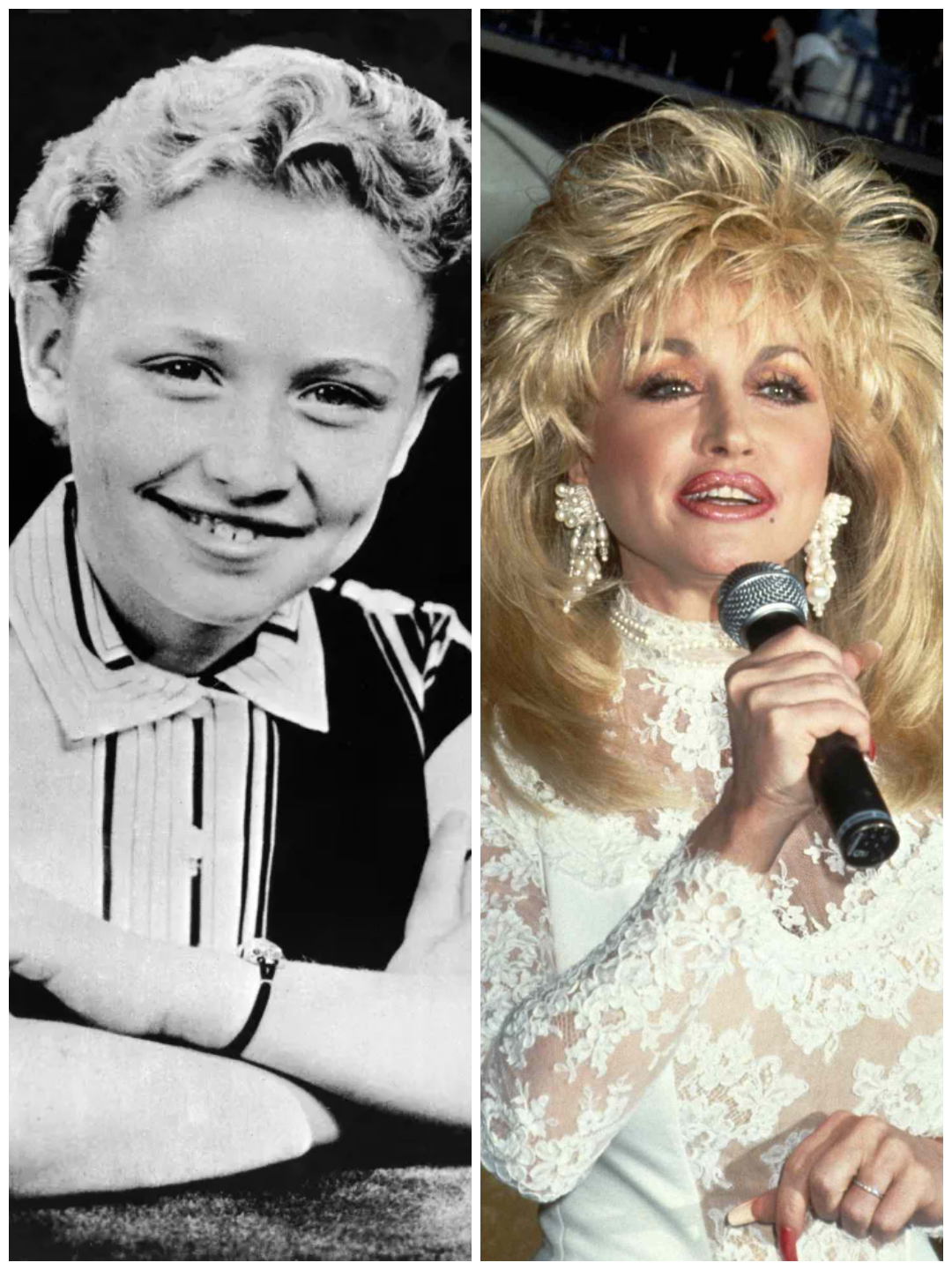
Long before Dolly Parton became rich enough to build Dollywood, own businesses and live anywhere she wanted, home meant something dramatically simpler.
It was a two-room cabin in the mountains of East Tennessee.
Parton grew up near Sevierville in the Great Smoky Mountains with her parents, Robert Lee and Avie Lee Parton, and 11 brothers and sisters. The family had little money, little privacy and few of the conveniences most Americans now consider basic.
There was no electricity.
There was no running water.
And at night, according to accounts of Parton’s childhood, the children sometimes caught fireflies and placed them in jars to provide light inside the house.
Yet Parton never tried to erase that beginning after becoming famous.
Instead, she spent much of her life preserving it.
Eventually, she even recreated the cabin at Dollywood so millions of visitors could see the kind of home that helped shape one of America’s most successful entertainers.
Twelve Children Shared Remarkably Little Space
The cabin Parton remembered from much of her childhood stood in the Locust Ridge area near Sevierville.
Calling it small almost understates the reality.
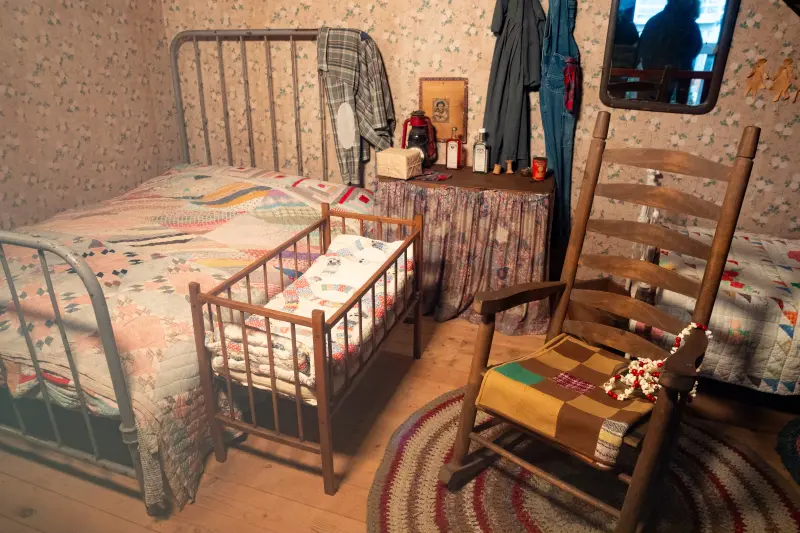
The structure essentially consisted of a kitchen and sleeping area, with only a partial wall separating sections of the home. A washing basin sat between the kitchen and bedroom, while several beds and a baby crib had to accommodate a family that eventually included 12 children.
The kitchen had a table designed for only six people.
For a family twice that size — before even counting the parents — meals required cooperation and improvisation.
There was no modern bathroom, central heating or household electrical system.
Parton often described her family as extremely poor, but she also resisted the idea that poverty meant her childhood contained nothing but misery.
That distinction became central to the way she later talked about growing up.
The Partons did not have many possessions.
They had music, stories, faith and one another.
Her Parents Made the Cabin Feel Bigger Than It Was
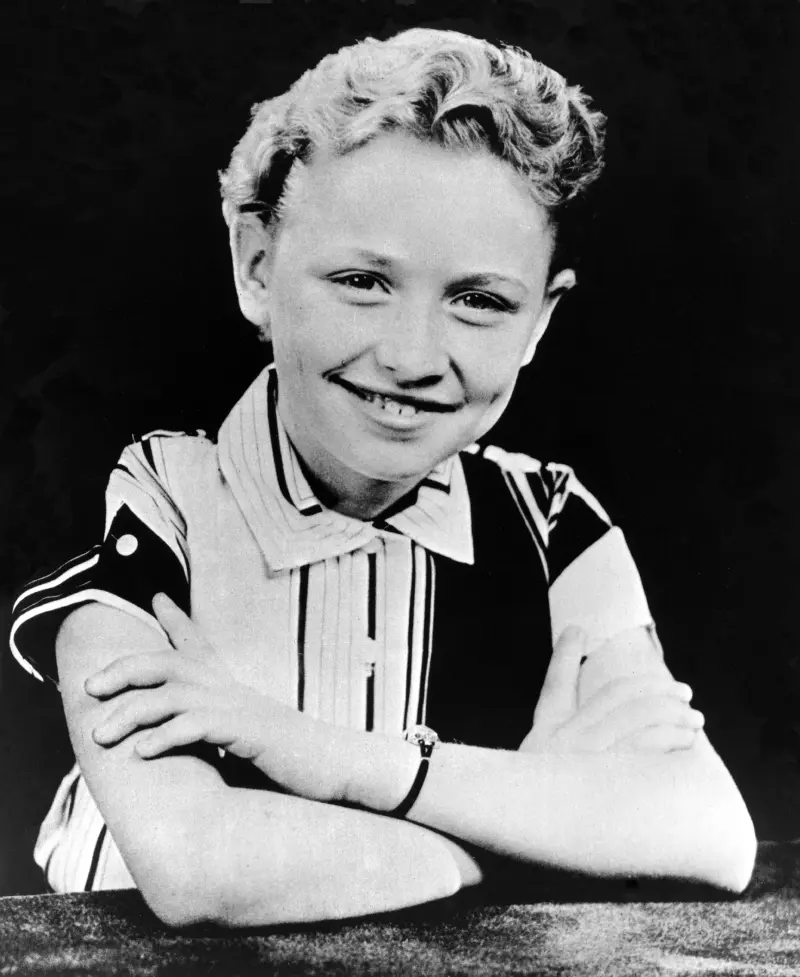
Parton frequently credited her mother, Avie Lee, with filling the crowded home with songs and stories.
Avie cared for the enormous family while also passing down old mountain ballads and storytelling traditions that later influenced Dolly’s songwriting.
Her father, Robert Lee — usually called Lee — worked as a sharecropper, farmer and construction worker to support the family. He could not read or write, but Parton repeatedly described him as one of the smartest people she knew when it came to practical matters and business.
Both parents would later become important figures in Dolly’s public story.
Her father helped inspire the Imagination Library, the literacy program she created decades later.
Her mother inspired some of the most famous emotional material in Dolly’s music.
The best-known example is “Coat of Many Colors,” based on the childhood memory of Avie sewing together scraps of fabric to create a coat for her daughter.
To Dolly, the coat represented love.
To some children at school, it represented poverty.
That tension — being materially poor but emotionally rich — would appear repeatedly in Parton’s work.
The Family Had to Create Its Own Light
Few details capture the distance between Dolly’s childhood and her later celebrity life better than the story of the fireflies.
Without electricity, nighttime inside the cabin could be extremely dark.
The children would catch lightning bugs and place them inside jars, creating small points of natural light around the home.
It is the kind of detail that sounds almost poetic in retrospect.
But it also illustrates the practical realities of rural poverty in the Smoky Mountains during the 1940s and 1950s.
Years later, Parton’s world would be filled with stage lighting, movie sets, television studios and rhinestones designed to sparkle under spotlights.
She began in a house where children sometimes needed insects in jars to illuminate a room.
That contrast became one of the defining elements of the Dolly Parton story.
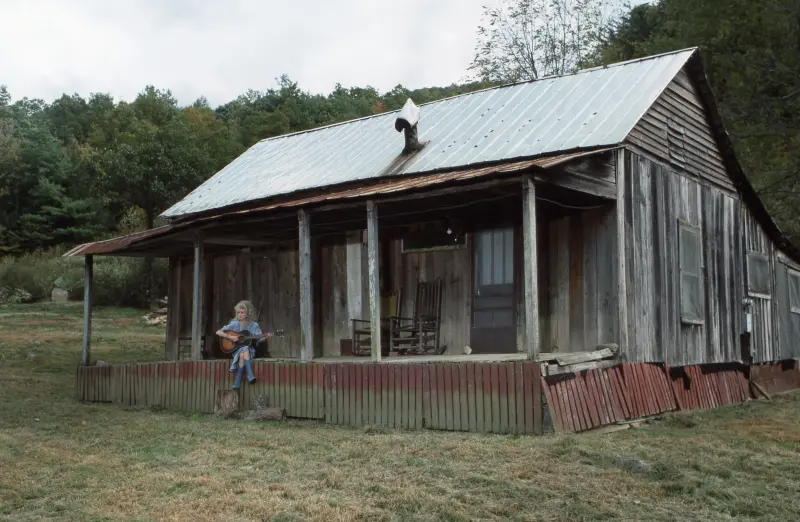
The Original Cabin Still Exists — But Visitors Cannot Enter It
The original family home survived Parton’s rise to fame.
However, it is not open as a public tourist attraction.
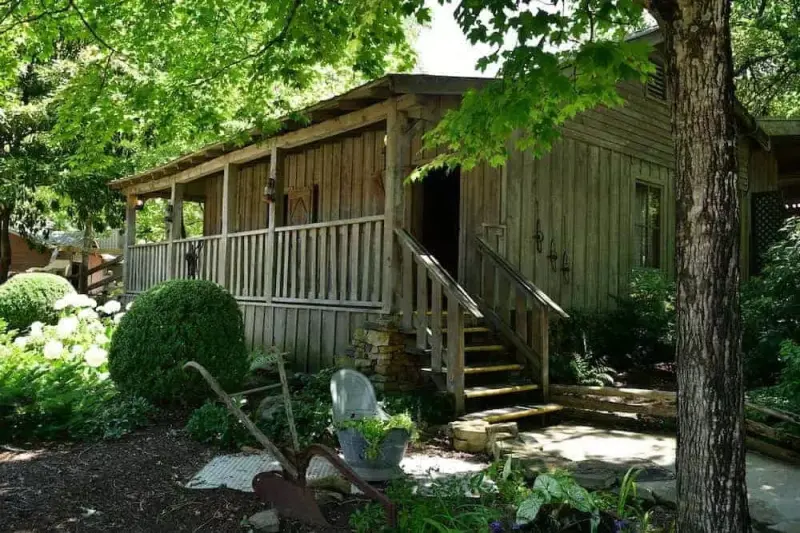
Instead of sending fans directly to the actual house, Parton created a replica at Dollywood in Pigeon Forge.
The reconstruction was not meant to be a generic interpretation of Appalachian life.
Members of Dolly’s own family helped make it personal.
Her brother Bobby oversaw the design, while her mother helped ensure that the interior looked and felt appropriate.
That family involvement gave the attraction something a museum designer could not easily reproduce.
The goal was not simply historical accuracy.
It was memory.
Inside Dolly’s Recreation of Her Childhood Home
Visitors stepping into the Dollywood version see a space intentionally designed to evoke life in the Smoky Mountains decades ago.
The bedroom contains multiple beds placed close together, along with a crib.
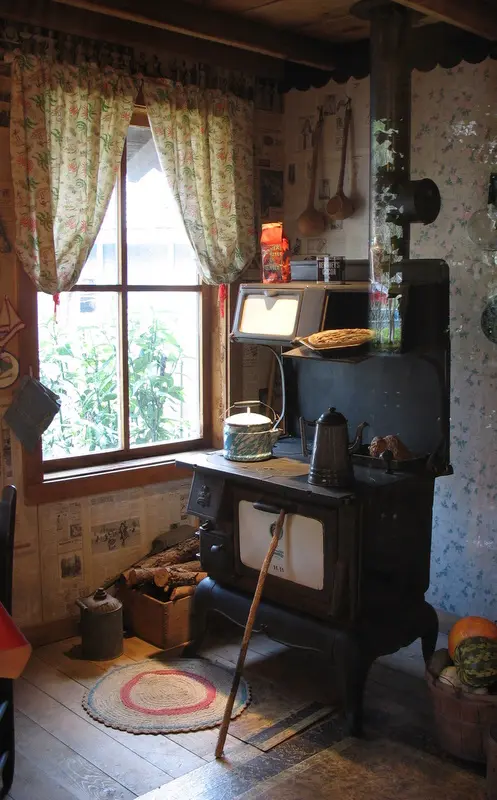
The kitchen includes cast-iron pans, an old-fashioned stove and floral wallpaper.
Newspaper pages cover parts of the eating area, reflecting the kind of inexpensive decoration families could use when traditional wall coverings were not available.
A gas lamp sits on the table.
The effect is not luxurious.
But it is deliberately warm.
That mattered to Parton because she never wanted visitors to conclude that her childhood had simply been a tragedy from which she escaped.
She knew exactly how poor the family had been.
She also remembered laughter, music and affection.
The replica tries to hold both truths at the same time.
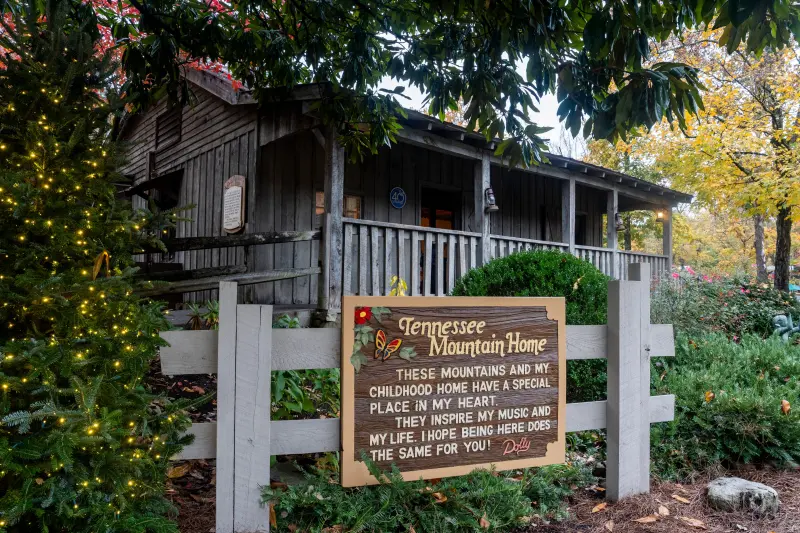
Dolly Said the Mountains Inspired Her Entire Life
Outside the recreated cabin, visitors encounter a message explaining what the place meant to Parton.
She described the Smoky Mountains and her childhood home as inspirations for both her music and her life, adding that she hoped visitors would find inspiration there too.
That was not sentimental marketing invented for Dollywood.
East Tennessee remained present throughout Parton’s career.
“My Tennessee Mountain Home” turned the landscape into song.
“Coat of Many Colors” transformed poverty into a story about dignity.
Even when Parton became internationally famous, she frequently returned to the language, humor and memories of the mountains.
She once joked that she might be the only person who left the Smoky Mountains and somehow took them with her.
Her career suggests she was not far wrong.
Dollywood Made the Childhood Story Part of Something Much Bigger
The replica cabin sits inside one of the greatest symbols of how dramatically Parton’s circumstances changed.
She became a co-owner of the Pigeon Forge amusement park that was renamed Dollywood in 1986.
It eventually grew into Tennessee’s most visited tourist attraction and a major economic engine for Sevier County. State officials have estimated its annual economic impact at roughly $1.8 billion.
That creates an extraordinary contrast.
Visitors can walk through a successful entertainment complex associated with one of the wealthiest and most recognizable stars in country music — then step inside a reconstruction of the tiny house where that same woman once lived without electricity or running water.
Parton never seemed uncomfortable with that contradiction.
She embraced it.
She Never Pretended the Poverty Was Romantic
Parton could speak fondly about childhood while also acknowledging that hardship was real.
She remembered being crowded.
She remembered the lack of modern conveniences.
She remembered what it meant to grow up with very little.
The warmth of the replica should not obscure those realities.
But Parton also rejected the idea that people should look at families like hers only with pity.
Her parents worked.
The children contributed.
Music filled the house.
The family found ways to enjoy what they had.
That attitude followed Dolly into adulthood.
She did not hide where she came from once she became successful.
She turned it into part of what made her recognizable.
From Two Rooms to an American Empire
After Parton’s death at age 80 in August 2026, the cabin became an especially powerful symbol of the distance she traveled.
She went from sharing two rooms with 11 siblings to becoming a global recording star.
She wrote thousands of songs.
She became an actress.
She built businesses.
She created a literacy program that eventually distributed hundreds of millions of books.
And she helped transform the economy of the same East Tennessee region where her story started.
Yet she never demolished the humble beginning from her public story and replaced it with something more glamorous.
She recreated it.
That decision may say as much about Dolly Parton as any gold record.
Millions of people visited Dollywood expecting rides, music and entertainment.
There, surrounded by the empire she eventually built, Dolly wanted them to see two cramped rooms.
Because before the fame, the movies, the rhinestones and the fortune, that was home.
And she never wanted to forget it.