Jodie Foster Really Was Afraid of Anthony Hopkins — But One Silence of the Lambs Story Got Exaggerated
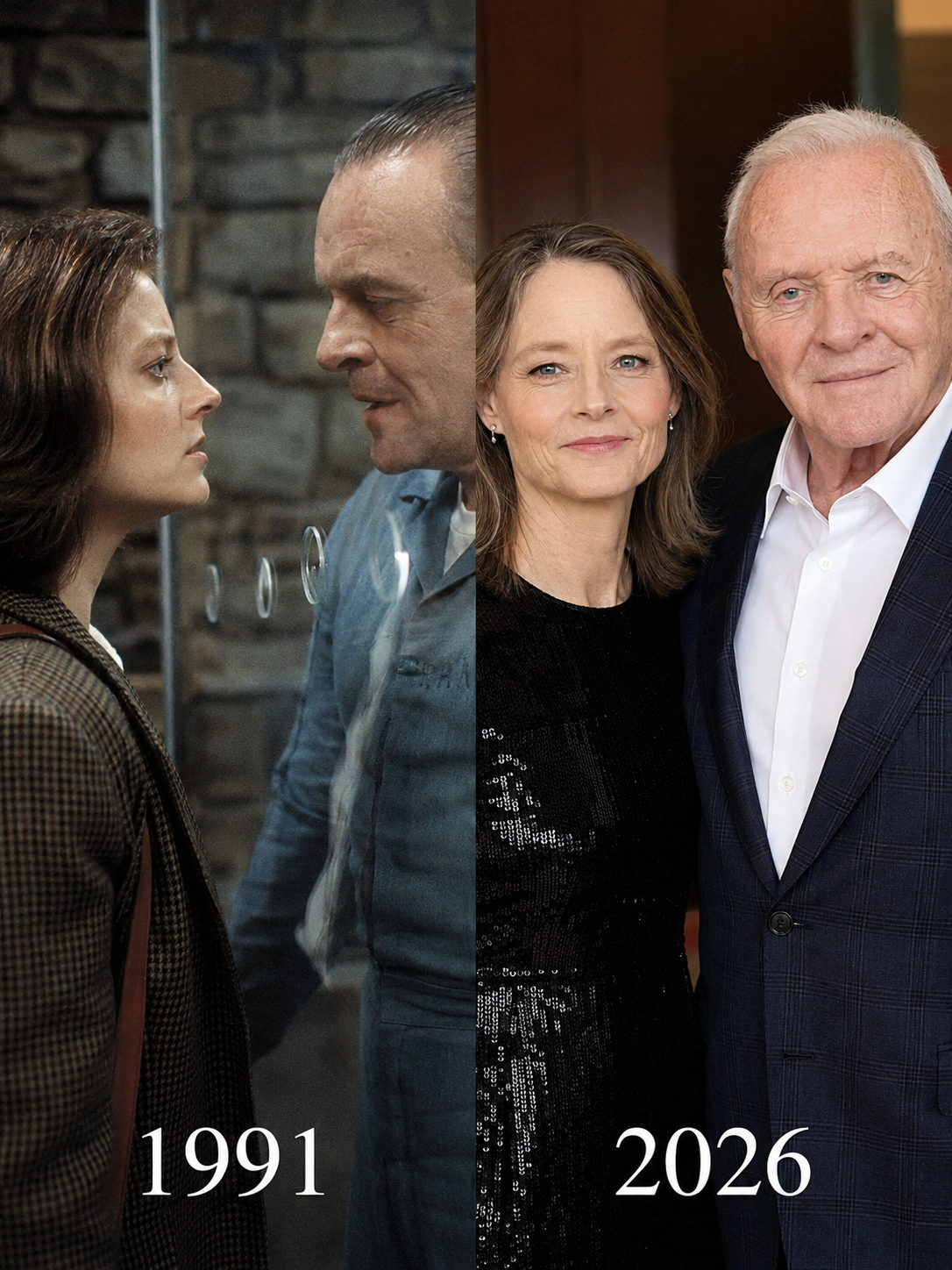
When Clarice Starling first walks down the corridor toward Hannibal Lecter in The Silence of the Lambs, there is nothing casual about the encounter.
Anthony Hopkins is already waiting.
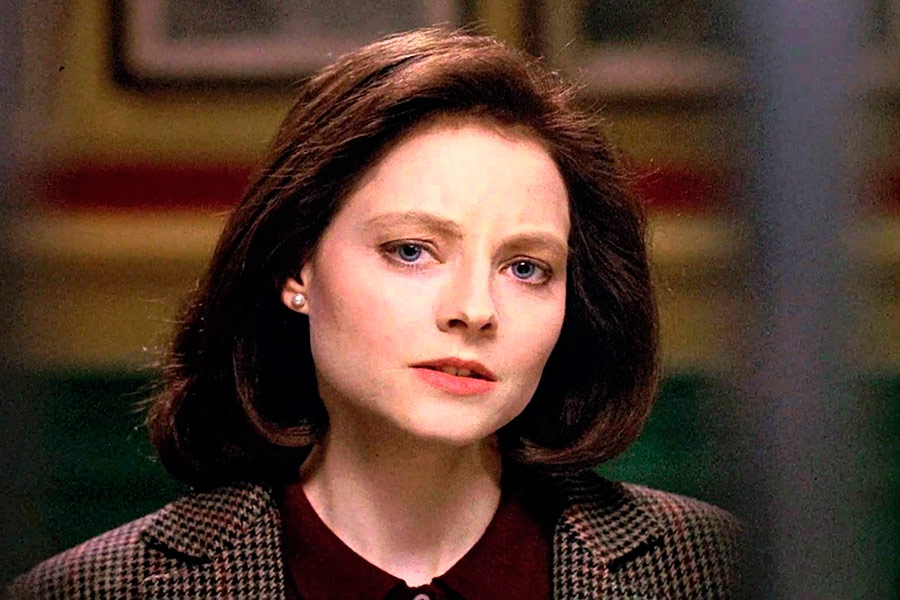
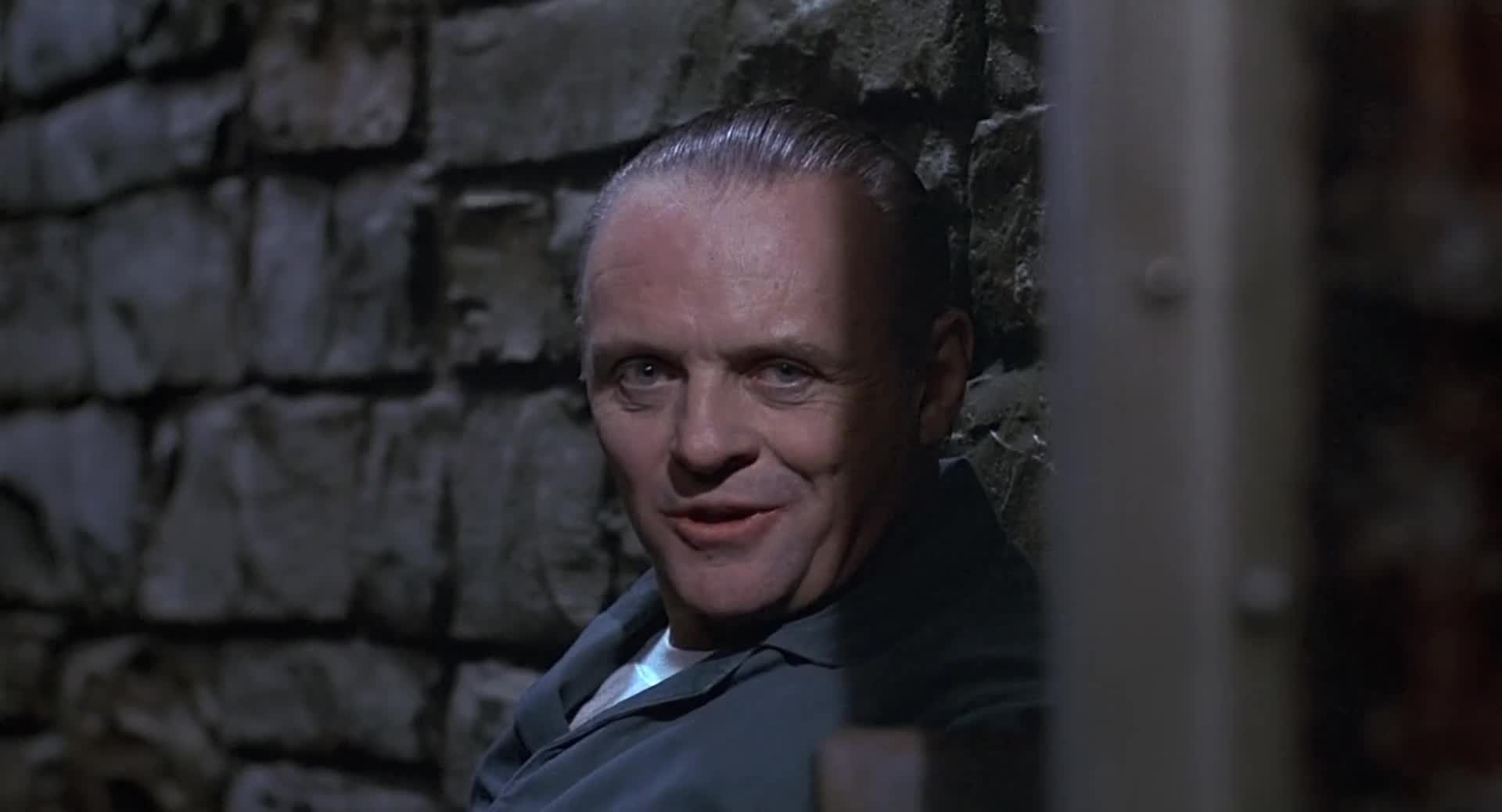
Standing perfectly still inside his cell, Lecter watches Jodie Foster’s young FBI trainee approach through the glass. Clarice is trying to remain professional. Lecter seems to be examining every detail about her before she has even settled into the conversation.
Released in 1991, Jonathan Demme’s thriller turned those encounters into some of the most famous psychological confrontations in movie history. Foster and Hopkins spend surprisingly little time physically close to each other, yet the tension between Clarice and Lecter dominates the film.
For decades, a fascinating behind-the-scenes story seemed to make those scenes even more unsettling.
Foster really was frightened by Hopkins.
She has said so herself.
But as the anecdote was repeated over the years, it gradually became something stronger: the idea that Foster barely spoke to Hopkins during filming because she found him terrifying.
In late 2025, Hopkins finally pushed back.
The fear, he acknowledged, was real in a certain sense.
The supposed off-screen freeze between them was not.
Their First Read-Through Changed the Atmosphere
Foster has repeatedly described the first cast read-through as the moment Hopkins became frightening to her.
Before that, she had not spent much time with him.
Then everyone sat down to read the screenplay.
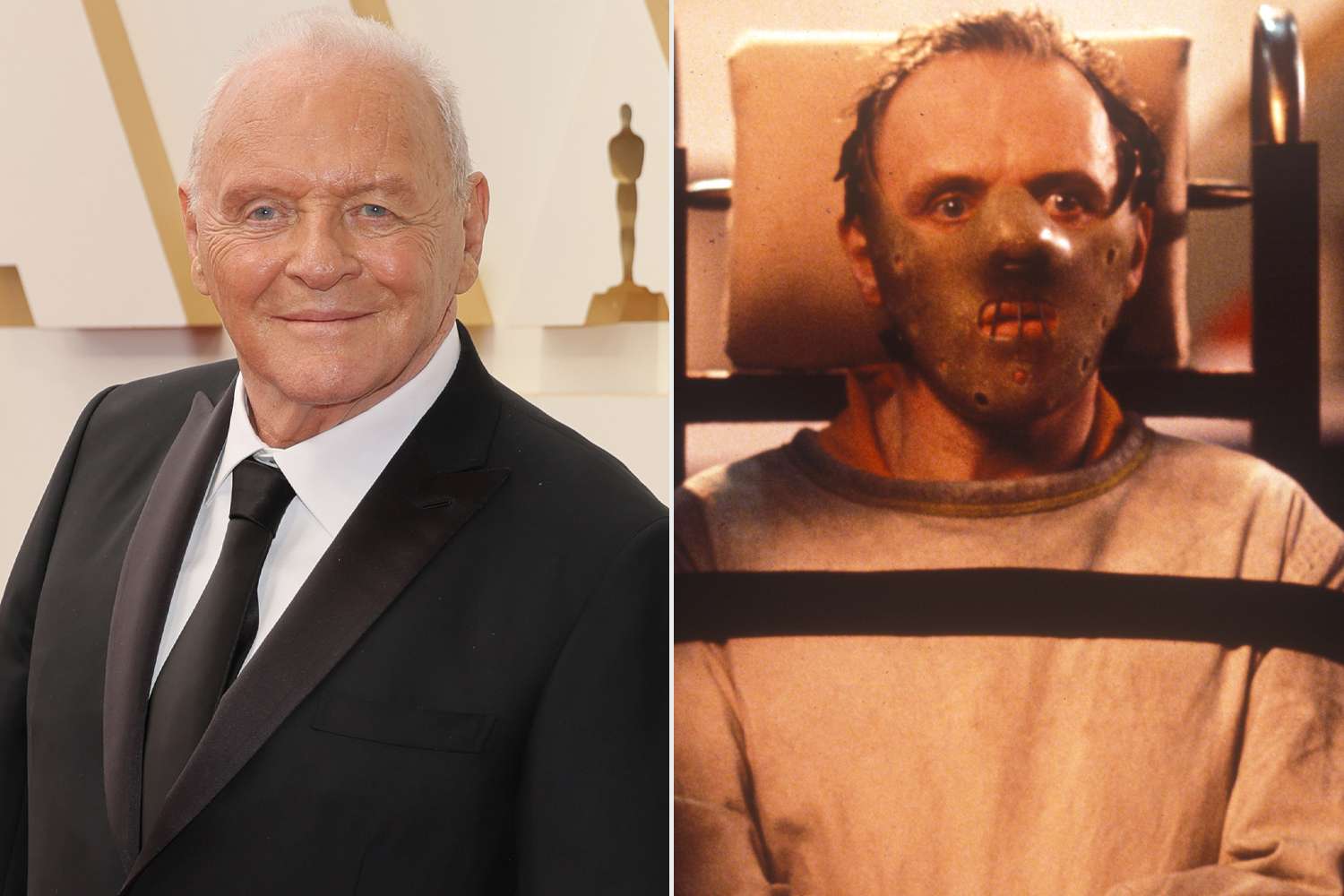
Hopkins began performing Hannibal Lecter.
Foster later remembered feeling the atmosphere in the room change almost immediately. His voice, stillness and interpretation of Lecter were so effective that she felt a chill.
Suddenly, the man sitting across from her was difficult to separate from the character she would soon confront on camera.
That reaction was especially useful for The Silence of the Lambs.
Clarice spends much of the movie trying not to reveal how much Lecter unsettles her. He studies her accent, her background, her ambitions and her insecurities while she tries to extract information from him about another case.
It is a conversation that repeatedly turns into a contest for control.
Apparently, some version of that tension existed before cameras rolled.
Foster later described the two actors as almost being too intimidated to talk comfortably after the reading.
Over time, that comment became the foundation of a much more dramatic Hollywood legend.
Foster Herself Helped Create the Famous Version
Years later, Foster told the story in much stronger terms.
She joked that she never spoke to Hopkins because he was so scary.
She described finishing the initial read-through and essentially wanting to stay away from him afterward.
There was also a practical reason they did not spend every working day chatting face-to-face.
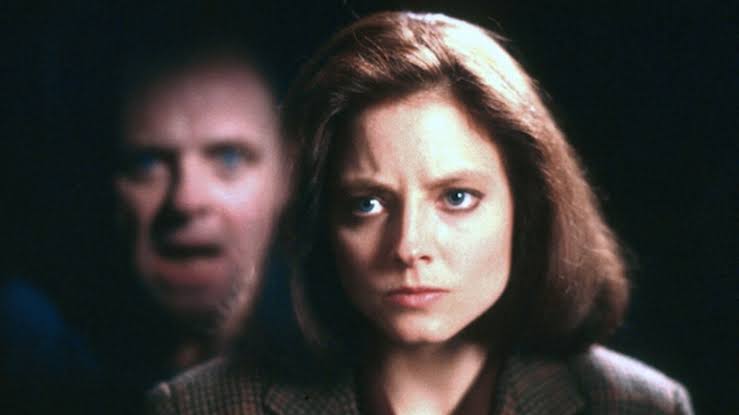
The structure of The Silence of the Lambs kept Clarice and Lecter physically separated for many of their most important scenes. Glass, prison bars and the mechanics of shooting long conversations meant Foster and Hopkins could sometimes perform on opposite sides of the set rather than constantly interact between takes.
By the end of production, Foster remembered finally admitting to Hopkins that she had been afraid of him.
Then came the punchline.
Hopkins told her that he had been afraid of her too.
It became a perfect piece of movie trivia.
The two actors responsible for one of cinema’s great psychological battles had apparently spent the production genuinely intimidated by each other.
But Hopkins eventually felt the story had traveled too far.
Hopkins Said the Idea That They Never Spoke Simply Wasn’t True
While promoting his memoir We Did OK, Kid in late 2025, Hopkins addressed the long-running story directly.
His correction was simple.
The claim that Foster never spoke to him was not accurate.
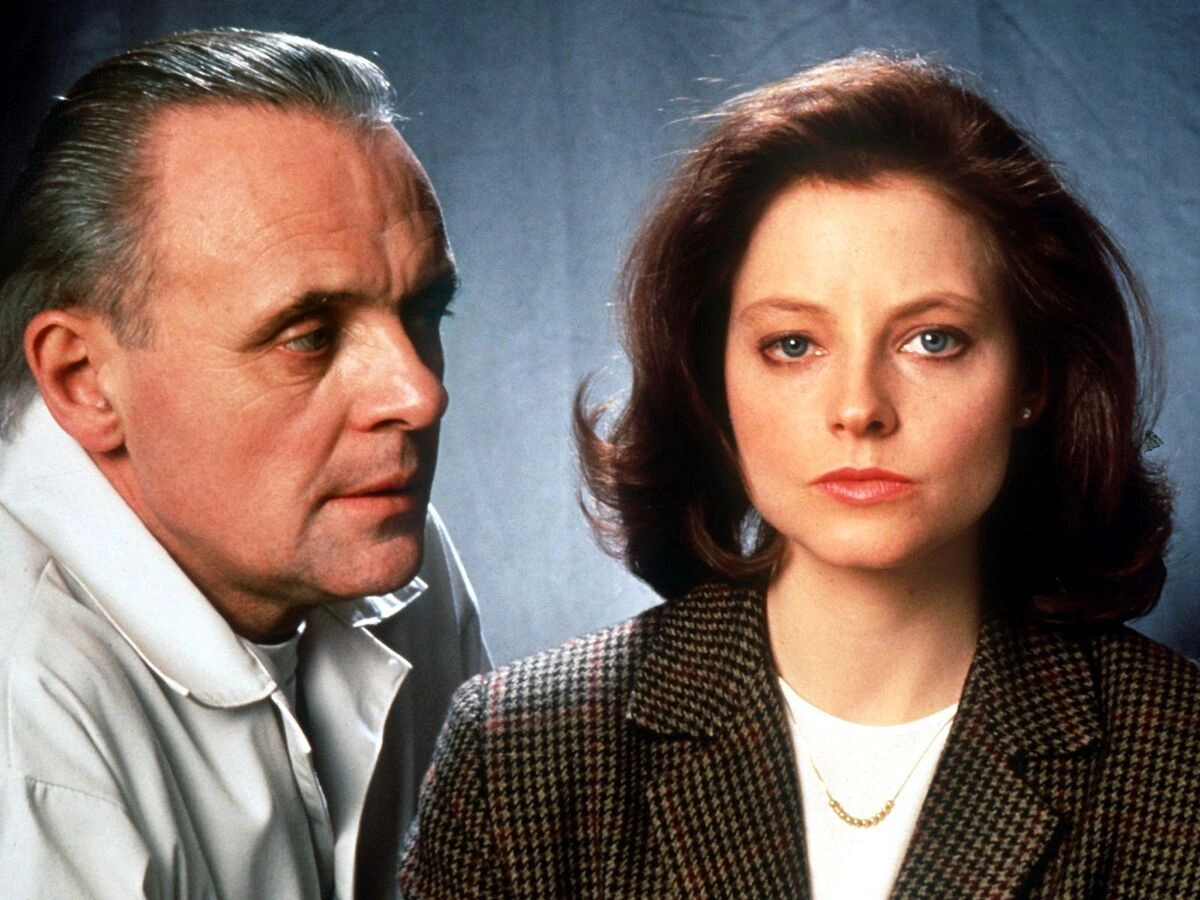
Hopkins remembered meeting Foster and finding her very nice. He said the two of them were actually quite friendly and dismissed the idea of some eerie off-camera relationship between them.
There was no feud.
There was no personal problem.
And he did not remember a production in which Foster spent months refusing to communicate with him because she believed he was somehow like Hannibal Lecter off-screen.
What Hopkins objected to was the way a good behind-the-scenes anecdote had hardened into something more dramatic than reality.
Foster could genuinely have been frightened by his performance.
They could genuinely have maintained an unusual distance while playing Clarice and Lecter.
Neither point requires the conclusion that they disliked each other or literally refused to speak.
That distinction is important.
And interestingly, Hopkins did not completely erase Foster’s version of events.
Hopkins Remembered a Strange Distance Too
In his memoir, Hopkins described something subtler.
He remembered a strange sense of distance existing between himself and Foster during the film.
But he connected that feeling primarily to the material they were performing.
Clarice and Lecter are engaged in what is essentially an extended cat-and-mouse game.
Lecter is imprisoned, yet psychologically he often appears to control the conversation. Clarice needs information from him, forcing her to keep returning to a man who can expose her vulnerabilities almost immediately.
The screenplay asks both performers to remain intensely focused on each other while rarely allowing their characters to relax.
Hopkins suggested that the power of that dynamic may have carried beyond individual takes.
In other words, there may have been distance.
It just was not the personal hostility that decades of retellings could make it sound like.
That explanation also fits something Hopkins had admitted directly to Foster years earlier.
He was intimidated by her too.
Hopkins Had His Own Reason to Be Nervous
By the time The Silence of the Lambs was being made, Foster was already an Oscar winner.
She had won Best Actress for The Accused and had been acting professionally since childhood.
Hopkins later told her that he had been scared to approach her because of her stature.
It is a wonderfully unexpected reversal.
On screen, Lecter appears almost impossible to intimidate. Clarice is the younger investigator trying to maintain her composure under his gaze.
Off screen, Hopkins was looking at Foster and thinking about the accomplished Academy Award-winning actress sitting opposite him.
Both performers, then, had reasons to keep a certain distance.
Foster had just heard Hopkins unleash the voice and personality of Hannibal Lecter.
Hopkins was facing an actress whose work he respected and whose reputation already carried enormous weight.
The tension was real.
It simply was not what the simplified version of the story eventually suggested.
The Distance May Have Helped Create Something Remarkable
Whatever existed between Foster and Hopkins, it certainly did not prevent the performances from connecting.
The Silence of the Lambs became one of the rare films to win all five major Academy Awards: Best Picture, Best Director, Best Adapted Screenplay, Best Actress for Foster and Best Actor for Hopkins.
Even more remarkable, Hopkins achieved that impact with relatively limited screen time.
What audiences remember is the intensity.
Clarice and Lecter seem to be studying each other through every conversation. The glass between them does not reduce the intimacy; it makes their inability to escape each other’s gaze even more uncomfortable.
Knowing the fuller behind-the-scenes story makes those scenes more interesting, not less.
Jodie Foster really did find Anthony Hopkins frightening when he became Hannibal Lecter.
Hopkins really did feel intimidated by Foster.
And both remembered an unusual distance surrounding their work.
But more than three decades later, Hopkins wanted one distinction preserved.
Whatever happened between Clarice Starling and Hannibal Lecter belonged to the strange power of The Silence of the Lambs.
It did not mean Jodie Foster and Anthony Hopkins had stopped being friendly colleagues when the cameras stopped rolling.