Dolly Parton Became a Millionaire — But She Never Wanted to Replace the Sears Wedding Ring She Bought on Credit
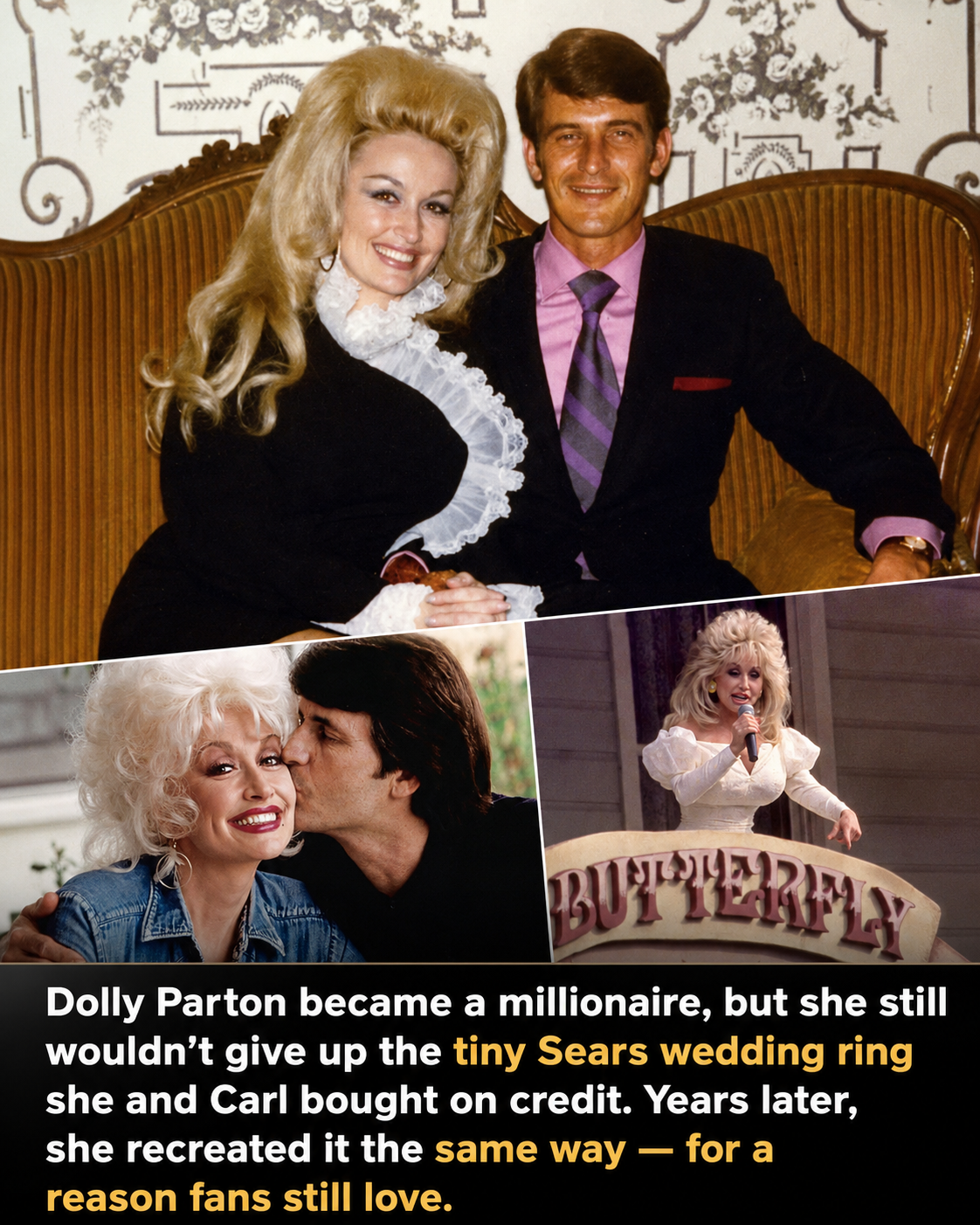
By the time Dolly Parton became one of the wealthiest and most successful women in country music, she could have worn almost any wedding ring she wanted.
Diamonds.
Custom jewelry.
Rare stones.
A one-of-a-kind piece made by a famous designer.
None of it mattered.
The ring Dolly cared about most came from Sears.
She and Carl Dean bought it in 1966, when they were young, newly married and did not have enough money to simply walk into a jewelry store and pay cash.
Carl’s mother had a Sears credit account.
So the couple used it.
They bought their wedding rings on credit and paid for them little by little each month.
Years later, Dolly would become rich enough to replace that humble ring a thousand times over.
Then one of its stones was lost.
It would have been the perfect excuse to upgrade.
Instead, Dolly tried to recreate the old ring.
She even returned to Sears and tried to preserve the spirit of the original purchase, because for her, the value of the ring had never come from what it cost.
It came from who she and Carl had been when they bought it.
They Married Before Dolly Became “Dolly Parton”
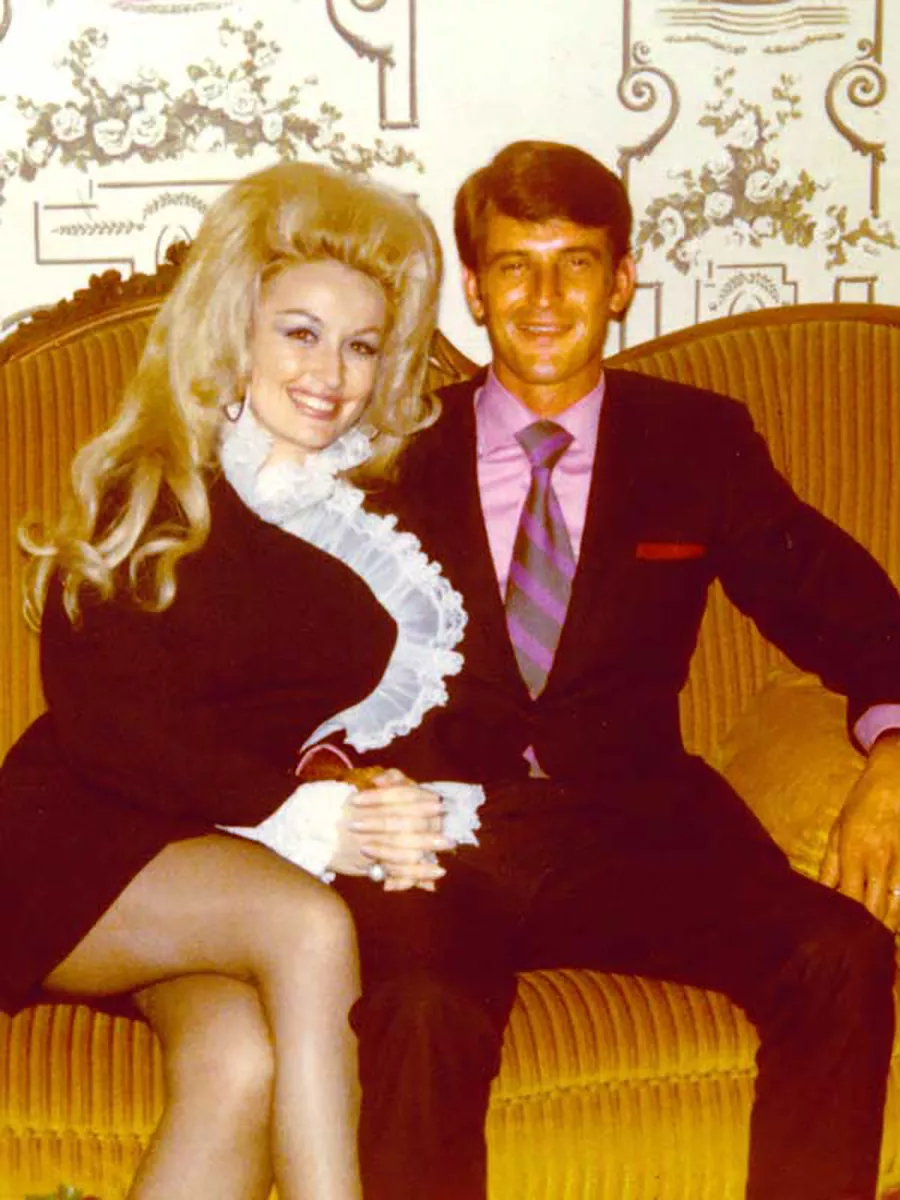
When Dolly Parton married Carl Dean on May 30, 1966, her life looked nothing like the one fans would later know.
There was no Dollywood.
No “Jolene.”
No 9 to 5.
No Grammy collection.
No movie career.
No enormous business empire.
Dolly was still a young singer trying to make her way in Nashville.
She had moved there after high school with ambition, songs and very little money.
Carl was similarly uninterested in glamour.
Their relationship began before Dolly became an international celebrity, and that timing mattered enormously to her.
Carl had met Dolly the person.
He had not married a global brand.
Their wedding reflected that simplicity.
They married quietly in Ringgold, Georgia, rather than turning the ceremony into a Nashville spectacle.
And when it came time to get rings, finances were extremely limited.
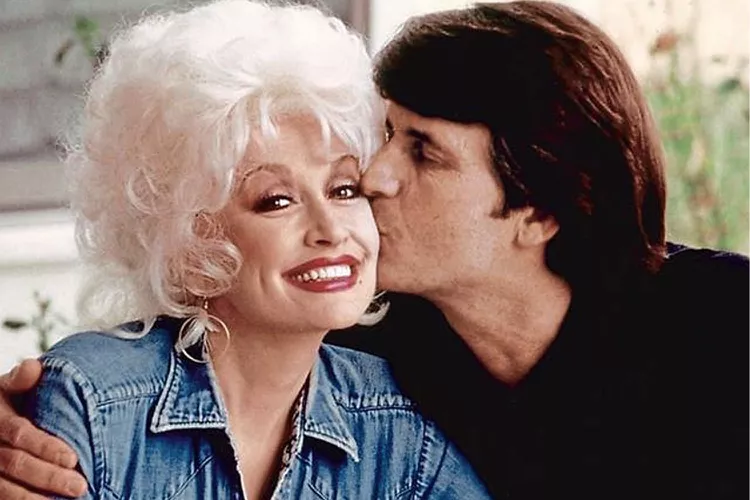
Sears Was What They Could Afford
Today, a celebrity wedding ring can become its own news story.
People analyze the diamond.
They estimate the price.
They identify the jeweler.
In Dolly and Carl’s case, the practical question was much simpler.
How could they pay for one?
They did not have the money available to buy expensive jewelry outright.
Carl’s mother had credit at Sears, one of the major department-store institutions in American life at the time.
So that became their solution.
The newlyweds bought the rings through her account.
Then they made payments.
Month after month.
The rings were not symbols of wealth.
They were symbols of a young couple building a marriage before either of them knew what the future would bring.
Dolly never forgot that.
Then Dolly Became Rich Enough to Buy Anything
The years that followed changed almost everything around the ring.
Dolly’s songwriting career took off.
She joined Porter Wagoner.
Her solo records became hits.
Songs like “Coat of Many Colors,” “Jolene” and “I Will Always Love You” made her one of country music’s defining artists.
Then she expanded beyond country.
She became a movie star.
She built businesses.
Dollywood grew into a major tourist attraction.
Her songs generated valuable publishing income.
Her image became one of the most recognizable in entertainment.
Money was no longer the problem it had been in 1966.
If Dolly had wanted a massive replacement wedding ring, she could have had one.
But upgrading it would have meant replacing part of the story.
And Dolly did not want to do that.
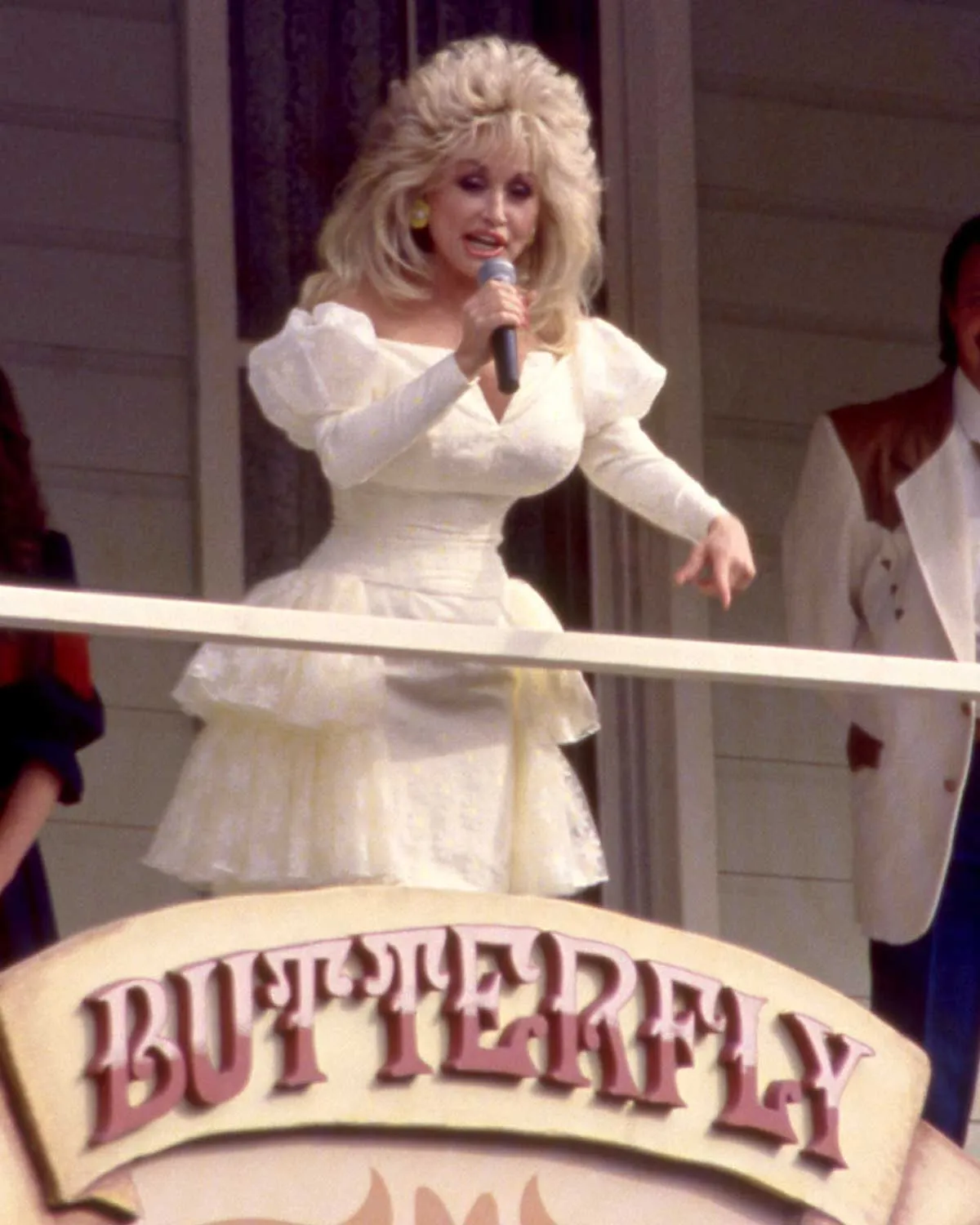
When a Stone Was Lost, She Tried to Recreate the Original
At some point, one of the stones in Dolly’s ring was lost.
For many people, that would have been the moment to say the old ring had served its purpose.
Buy a new one.
Get something more expensive.
Celebrate how far you have come.
Dolly took the opposite approach.
She wanted the ring to remain connected to the original.
Instead of choosing something dramatically more luxurious, she tried to have the old ring reproduced.
She even went back to Sears.
That detail says everything about how she viewed the jewelry.
She was not looking for a ring that matched her bank account.
She was looking for a ring that matched her memory.
The fact that she could afford more did not make “more” better.
Even the Way She Bought It Mattered
Dolly reportedly went so far as to try to recreate the feeling of the original purchase.
The first rings had been bought with credit and paid for gradually.
So when she needed the replacement, she wanted to preserve that same connection.
It sounds almost absurd.
A multimillionaire worrying about buying a Sears ring in a way that resembled how she had purchased one as a struggling young bride.
But emotionally, it makes perfect sense.
She was not trying to recreate a piece of jewelry.
She was trying to preserve a moment in time.
The young Dolly and Carl did not know that she would one day become one of the most famous singers in America.
They were simply married.
They had limited money.
They needed rings.
Sears helped them get them.
That memory could not be replaced by a more expensive diamond.
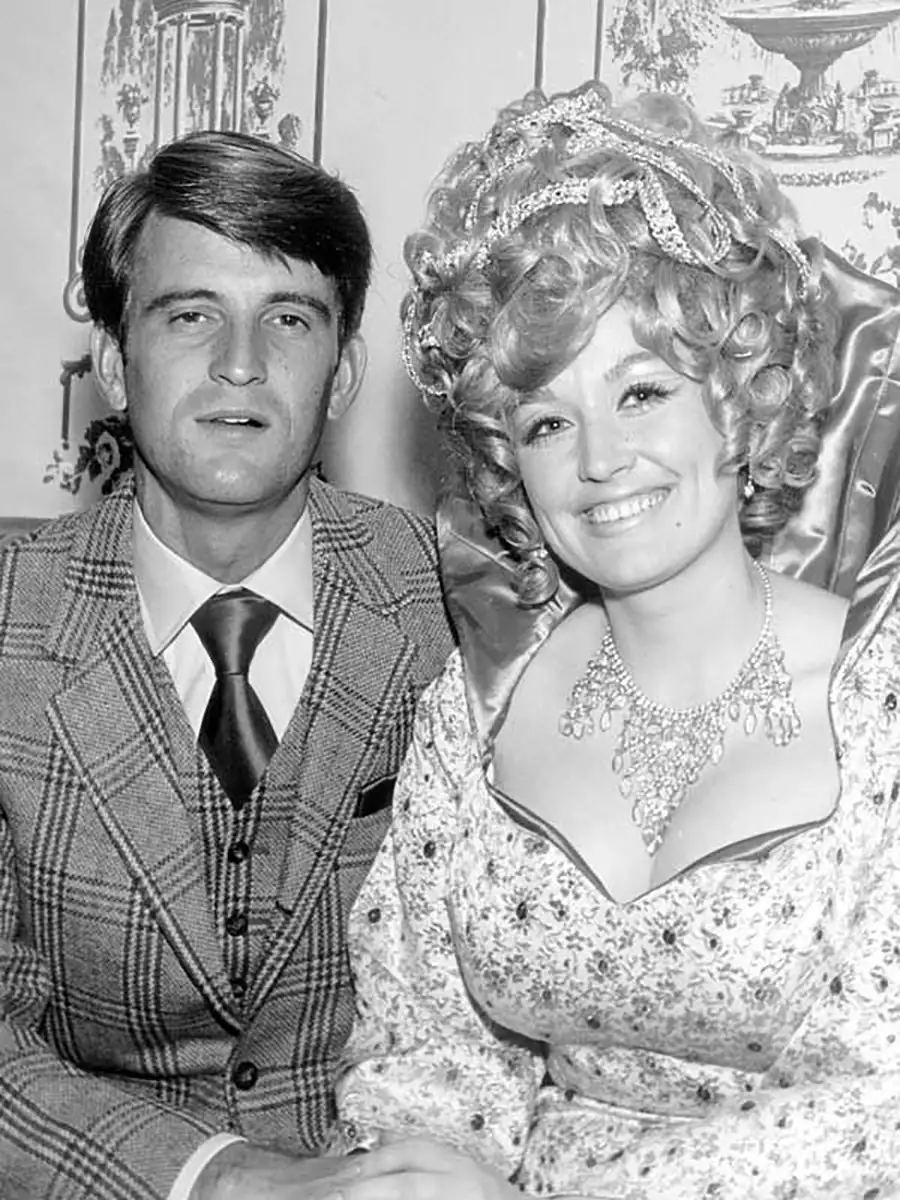
Carl Dean Never Needed the Celebrity Version of Dolly
The story also fits the unusual marriage Dolly and Carl maintained for nearly six decades.
Carl avoided the spotlight almost completely.
He did not build a public identity around being Dolly Parton’s husband.
He rarely appeared at industry events.
He was not interested in red carpets or becoming famous by association.
Dolly sometimes joked that people had barely seen him enough to believe he existed.
That privacy became one of the most distinctive parts of their relationship.
Dolly’s public life could be enormous.
Her private life with Carl remained something smaller and quieter.
The wedding ring belonged to that private world.
It came from before the awards.
Before the money.
Before millions of strangers had opinions about Dolly Parton.
She Never Confused Price With Meaning
That may be the most revealing part of the story.
Dolly loved glamour.
She loved rhinestones.
She loved exaggerated clothes, big hair and anything that sparkled.
But she was never confused about the difference between looking expensive and being valuable.
Her wedding ring did not need to impress anyone.
It only needed to mean something to her.
That distinction appeared throughout her life.
She could spend lavishly on a stage costume and still hold tightly to something inexpensive because of the story attached to it.
She could joke about looking “cheap” while making extremely sophisticated business decisions.
And she could become fabulously wealthy without deciding that every object from her poorer years needed to be replaced.
The Tiny Ring Held an Entire Marriage Inside It
By the time Dolly and Carl had been married for decades, the Sears ring represented far more than a wedding day.
It represented where they started.
Two young people without much money.
A mother-in-law with a department-store credit account.
Monthly payments.
A private marriage that survived as Dolly’s career grew into something neither could have imagined.
That is why the lost stone did not simply create a jewelry problem.
It threatened a piece of history.
Dolly could buy a better ring.
She could not buy the first years of her marriage again.
So she tried to keep the old story intact.
She Could Afford Almost Anything — Except a Replacement for the Memory
Celebrity culture often measures success through upgrades.
A bigger house.
A better car.
More expensive jewelry.
Dolly Parton certainly enjoyed many of the rewards that came with success.
But her wedding ring seems to have existed outside that logic.
It was not supposed to evolve with her fame.
Its importance came precisely from the fact that it did not.
When Dolly and Carl Dean married in 1966, they needed help from a Sears credit account to buy their rings.
They paid them off month by month.
Later, when Dolly had enough money to purchase nearly anything she wanted, that tiny piece of jewelry became even more valuable.
Not because its market price had increased.
Because the distance between the young woman who bought it and the superstar she became had grown enormous.
Dolly could replace the stone.
She could recreate the ring.
But she never wanted to replace what it represented.
The cheapest ring in her jewelry collection may have been the one she could least afford to lose.