Henry Thomas Thought He Had Blown His E.T. Audition — Then Steven Spielberg Changed the Test
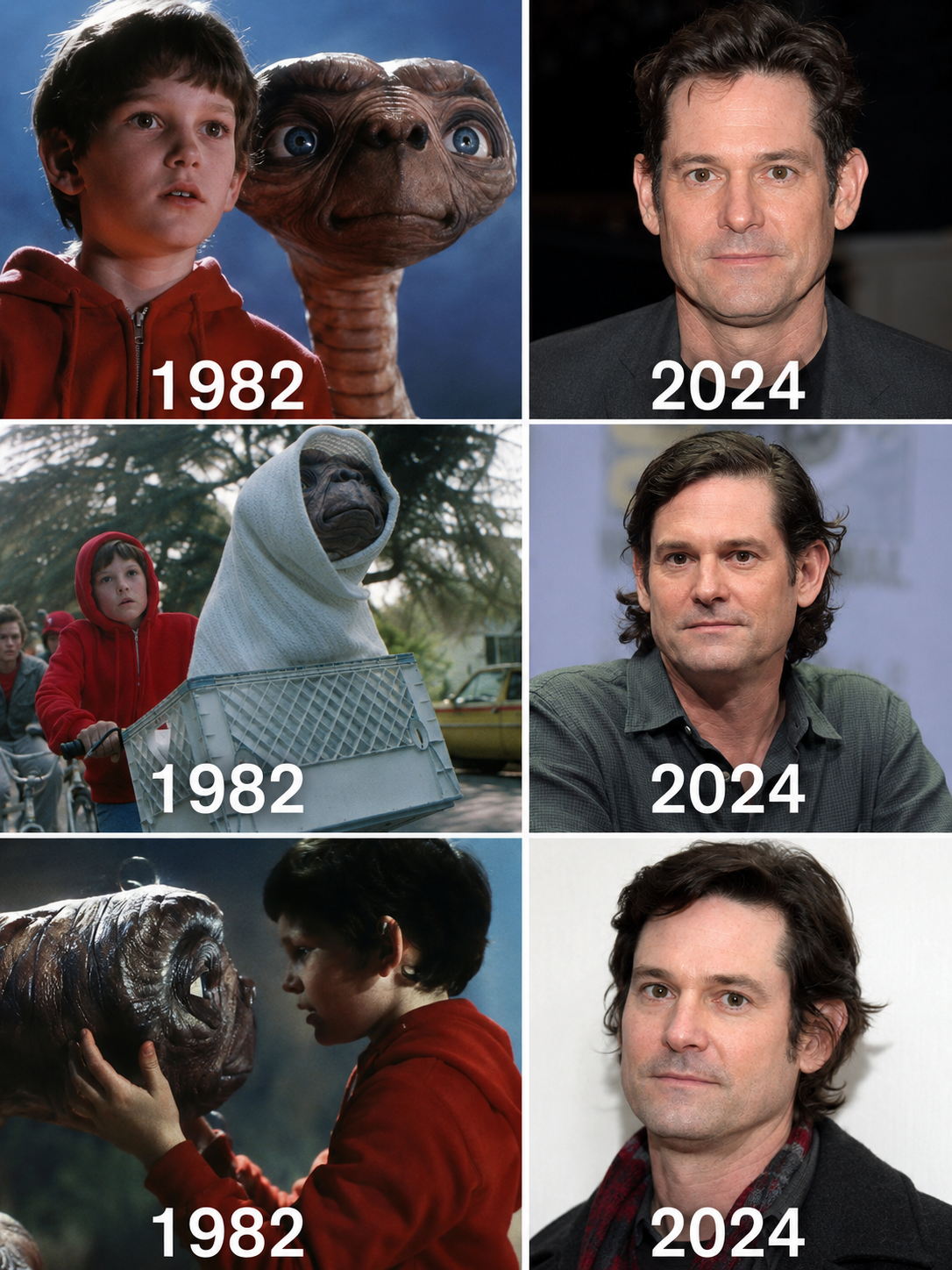
When Elliott kneels beside E.T. in Steven Spielberg’s E.T. the Extra-Terrestrial, Henry Thomas makes an extraordinary situation feel completely real.
He is not simply a child performing opposite a movie creature.
He looks like a boy terrified of losing his best friend.
That emotional connection became the heart of the 1982 film. The bicycle flying across the moon became the image everyone remembered, and E.T. himself became one of cinema’s most recognizable characters, but the story only works if audiences believe Elliott loves this strange visitor enough to risk almost anything for him.
Thomas was only 9 when he auditioned for the role.
Today, footage from that audition has become almost as legendary as the movie. Thomas cries as adults threaten to take his alien friend away, and Spielberg eventually tells the boy he has the job.
It looks like an audition that went perfectly.
Thomas later revealed that it did not begin that way at all.
In fact, before the famous improvisation started, he thought he had already blown his chance.
Thomas Arrived Knowing a Spielberg Audition Was a Very Big Deal
Thomas was still near the beginning of his acting career when the opportunity appeared.
Spielberg, meanwhile, had already made Jaws, Close Encounters of the Third Kind and Raiders of the Lost Ark. Getting called in to meet him was not an ordinary audition for a young actor.
And Elliott was crucial.
Spielberg needed a child who could carry much of the movie without seeming as though he were performing for adults.
Elliott had to be lonely, funny, angry, jealous and deeply compassionate. Most importantly, his relationship with E.T. needed to feel genuine enough that viewers would stop thinking about filmmaking mechanics and begin treating the creature as someone Elliott truly loved.
Thomas had the potential.
But the audition initially gave him little confidence.
He was asked to read scripted material.
And almost immediately, he felt it was going badly.
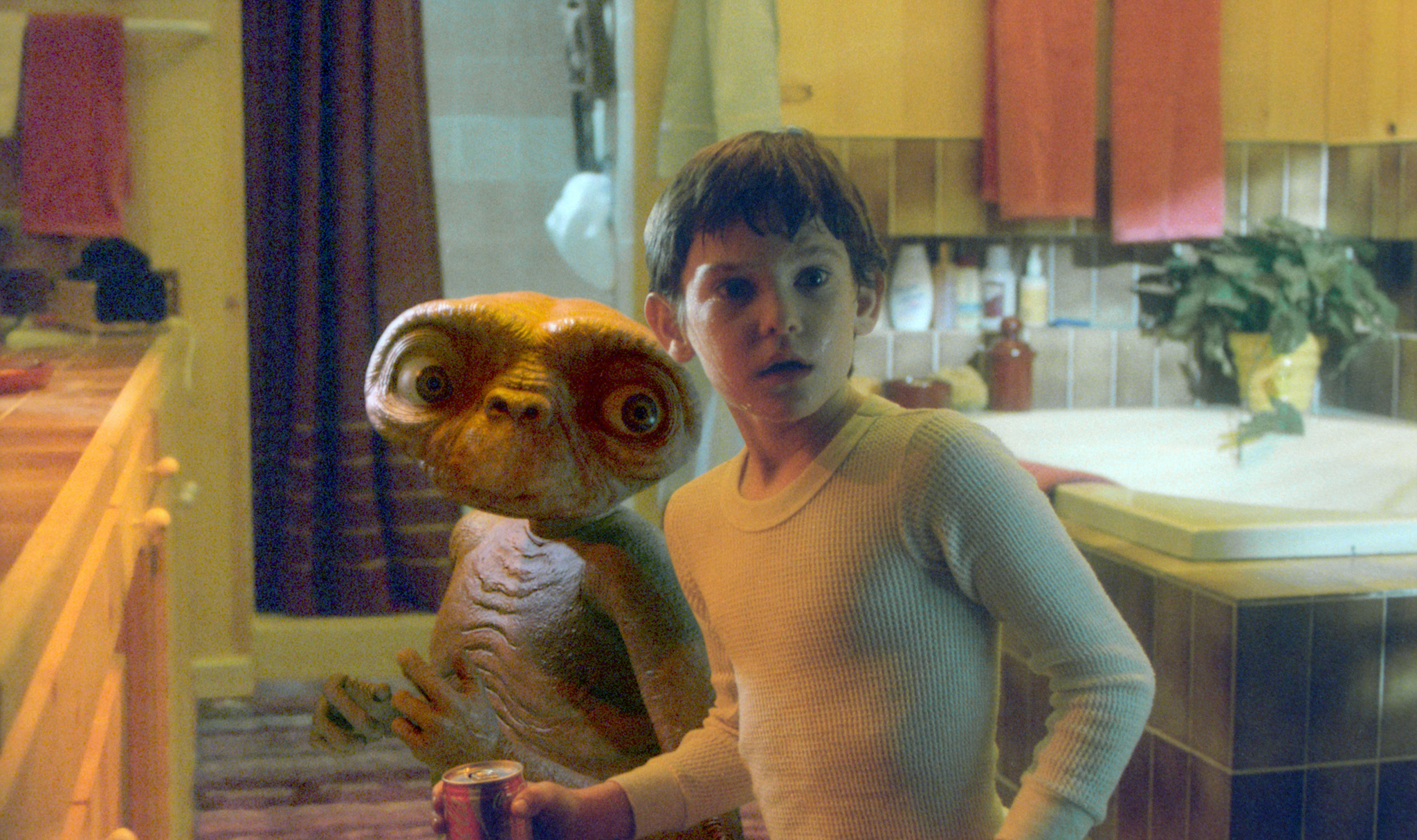
The Scripted Reading Wasn’t Working
Thomas has looked back on the beginning of the audition with none of the triumph associated with the famous clip.
He remembered struggling through the material.
Even as a child, he could sense that he was not doing particularly well.
Rather than leaving the room thinking he had impressed Spielberg, he believed he was losing the part.
That detail changes the way the surviving audition footage looks.
What seems today like the recording of a child actor confidently winning one of the biggest roles of the 1980s actually captures the second stage of a test that had already gone off course.
The people in the room could apparently feel it too.
So instead of continuing to make Thomas read pages that were not bringing out what they needed, Spielberg and the casting team changed the exercise.
They stopped relying on the script.
And gave the boy a situation instead.
Spielberg Switched the Audition to Improvisation
That was the decision that changed everything.
Instead of continuing the scripted reading, Spielberg asked Thomas to improvise a scene in which adults were trying to take away an alien creature who had become his friend.
Thomas did not have to worry about reproducing dialogue perfectly.
He had to imagine the situation.
Someone he loved was being taken from him.
Stop them.
Suddenly, the audition stopped feeling like a child trying to perform written lines and became something emotionally immediate.
Thomas connected the imaginary situation to something personal enough to unlock the feelings the scene required.
Then he began fighting for the creature.
The transformation was dramatic.
The boy who thought he was failing started crying.
And this time, the emotion did not look performed.
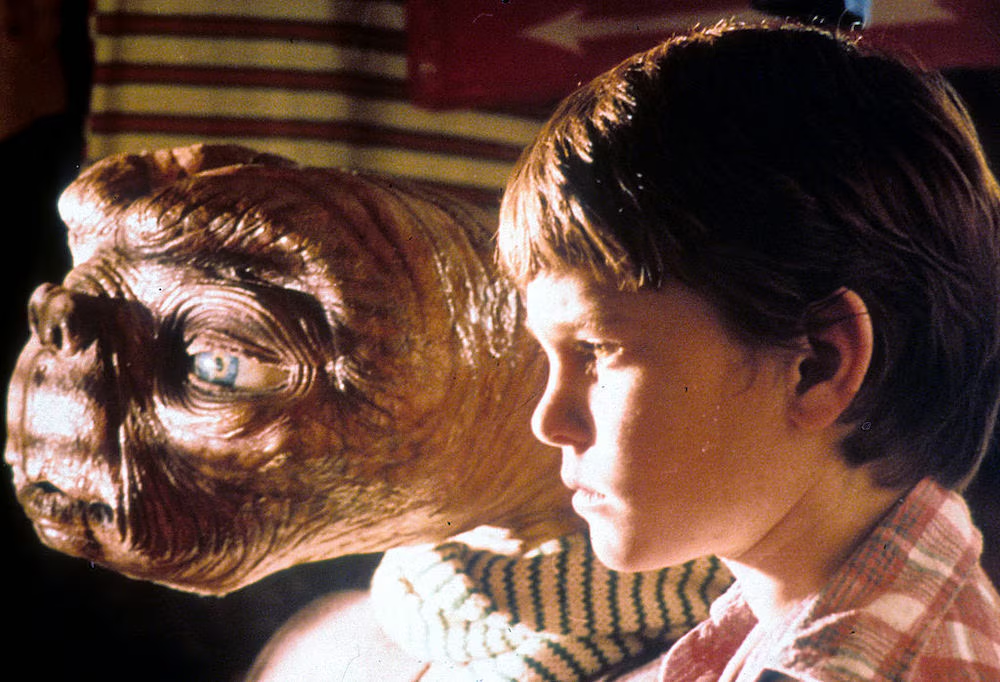
The Famous Tears Came From Something Personal
Thomas has explained that he needed something real to connect with the idea of losing a beloved companion.
Rather than approaching the improvisation as a technical exercise — now I need to cry — he reached for a painful childhood memory associated with loss.
That gave him a way into Elliott’s fear.
Once he found it, the emotional wall came down.
In the surviving footage, Thomas begs the adult opposite him not to take his friend away. His voice breaks. Tears run down his face. He becomes increasingly desperate as he tries to protect something nobody else seems to understand.
It is remarkably close to the emotional territory Elliott would later occupy in the finished movie.
Spielberg saw it immediately.
The room did too.
By the end of the improvisation, the people watching were emotional.
Thomas had gone from believing he had failed the audition to making the filmmakers cry.
Then Spielberg made the decision.
Spielberg Gave Him Elliott Right There
There was no need to send Thomas home and call him days later.
There was no long series of additional tests.
Once the improvisation ended, Spielberg told him he had the role.
Thomas had won Elliott on the spot.
That ending is audible in the famous audition footage, which is one reason the clip has remained so compelling decades later. Viewers can watch the exact moment when an audition stops being an audition and becomes a casting decision.
For Thomas, that was highly unusual.
He later joked that he kept waiting for something similar to happen again in his career.
It never really did.
This was the rare case where he entered a room uncertain, believed halfway through that he was failing, and left knowing definitively that he had landed the part.
The difference between those two outcomes was one improvisation.
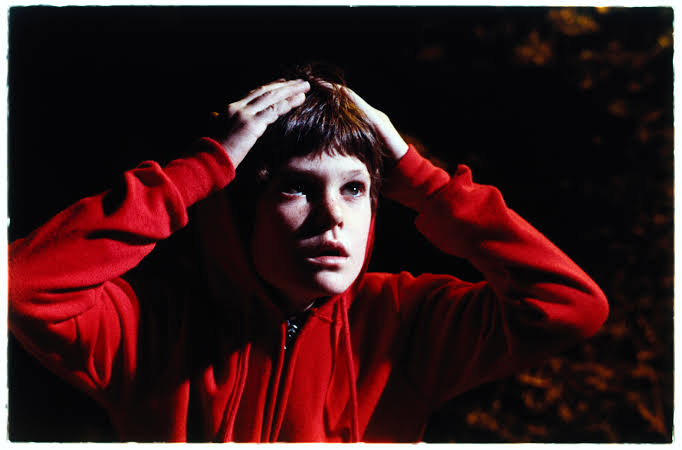
Spielberg Had Found the Quality Elliott Needed
The decision makes even more sense when viewed through the finished film.
Elliott does not work because Thomas behaves like a polished child star.
He works because his reactions often seem private.
When Elliott becomes frustrated with his family, he feels like a boy rather than a character designed to push a story forward. When E.T. becomes sick, Thomas allows the fear to build without turning every moment into a dramatic performance.
And when Elliott faces the possibility of losing E.T., the emotion has the same fundamental quality Spielberg discovered during that audition.
The bond feels personal.
That was exactly what the improvised test revealed.
Spielberg did not simply discover that Thomas could cry on command.
He discovered that the boy could take an imaginary circumstance, connect it to a real feeling and make everyone watching believe it.
For a movie asking audiences to care deeply about a rubbery extraterrestrial creature, that ability was invaluable.
The “Failed” Part of the Audition May Have Been Just as Important
There is also something revealing about the fact that Spielberg changed the test instead of simply rejecting Thomas.
If the scripted reading had been the only measure, Thomas might have walked out believing his own assessment was correct.
He had failed.
Instead, the filmmakers recognized that the format might not be showing them what the child could actually do.
They changed the conditions.
That gave Thomas room to stop worrying about the words and start responding to the situation.
The result was Elliott.
It is a reminder that one of the most famous child performances in movie history was not discovered because every part of the audition went perfectly.
It was discovered because one part did not.
One Change Turned a Bad Reading Into Movie History
More than four decades after E.T. reached theaters, the audition footage remains extraordinary because viewers already know what comes next.
They know that boy will ride a bicycle into the sky.
They know Elliott will touch fingers with E.T.
They know the goodbye waiting at the end of the movie.
But Henry Thomas did not know any of that when he entered the audition room.
Halfway through, he was convinced the opportunity was slipping away.
Then Steven Spielberg changed the test.
The script went aside. Thomas was asked to imagine that someone was taking his alien friend from him, and the 9-year-old reached somewhere personal to make that loss real.
Minutes later, Spielberg gave him the role.
The audition Thomas thought he had already blown had just found Elliott.