Graduate Student Says Sleeping Like a Medieval Person Made Her Feel More Alert
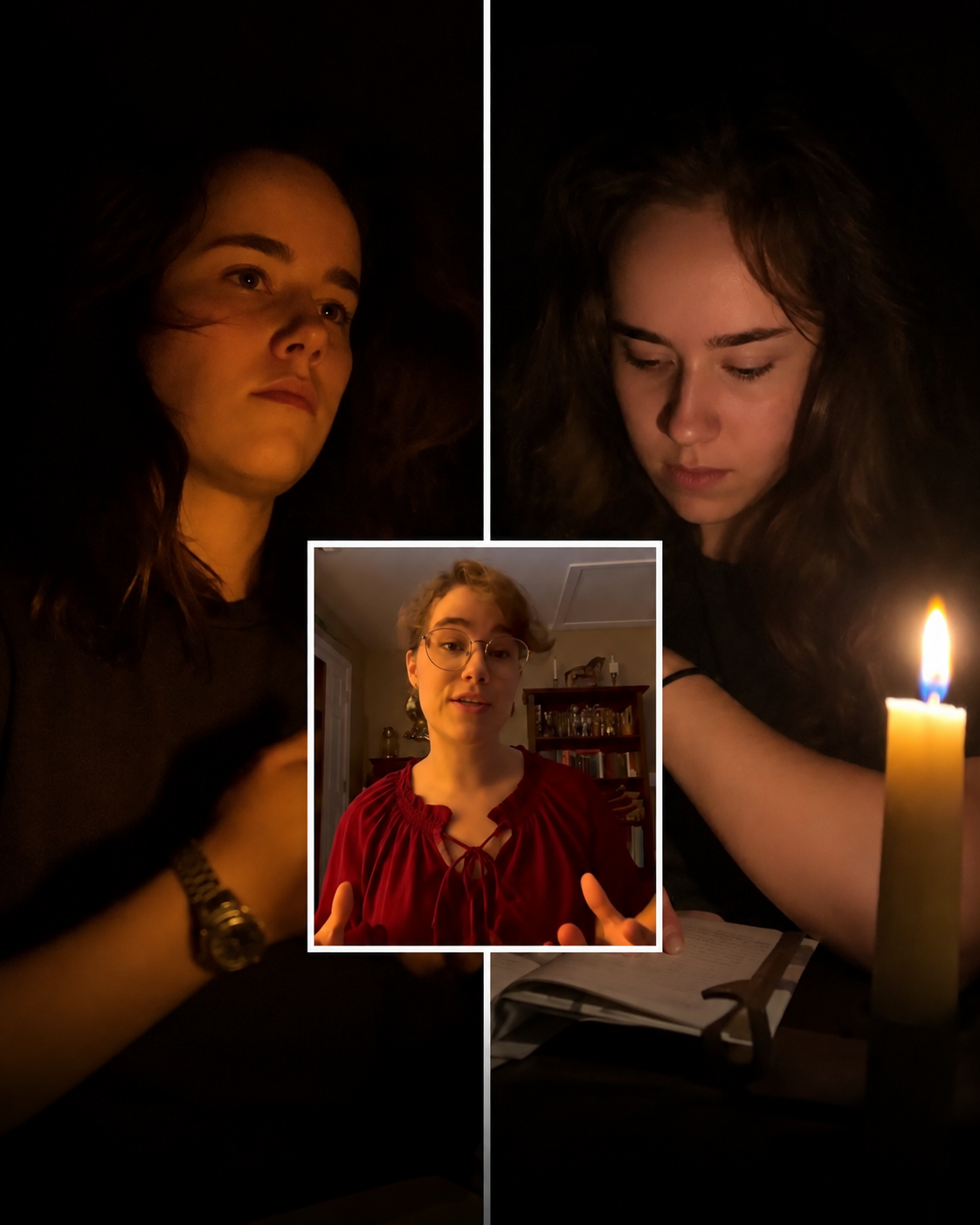
Graduate Student Says Sleeping Like a Medieval Person Made Her Feel More Alert
NORTH CAROLINA — A graduate student studying medieval literature decided to try an unusual experiment: changing her modern sleep schedule to mimic the way some people are believed to have slept centuries ago.
For four weeks, 26-year-old Anna Fox experimented with a pattern known as segmented sleep, in which the night is divided into two periods of sleep separated by several hours of wakefulness.
Rather than sleeping continuously through the night, Fox would go to bed early, wake up after roughly four and a half hours, spend some time awake, and then return to bed.
A Different Kind of Nighttime Routine
Fox initially followed a fairly strict schedule.
If she went to bed around 9:30 p.m., she would set an alarm for approximately 2 a.m. After waking, she would remain up for several hours before returning to sleep.
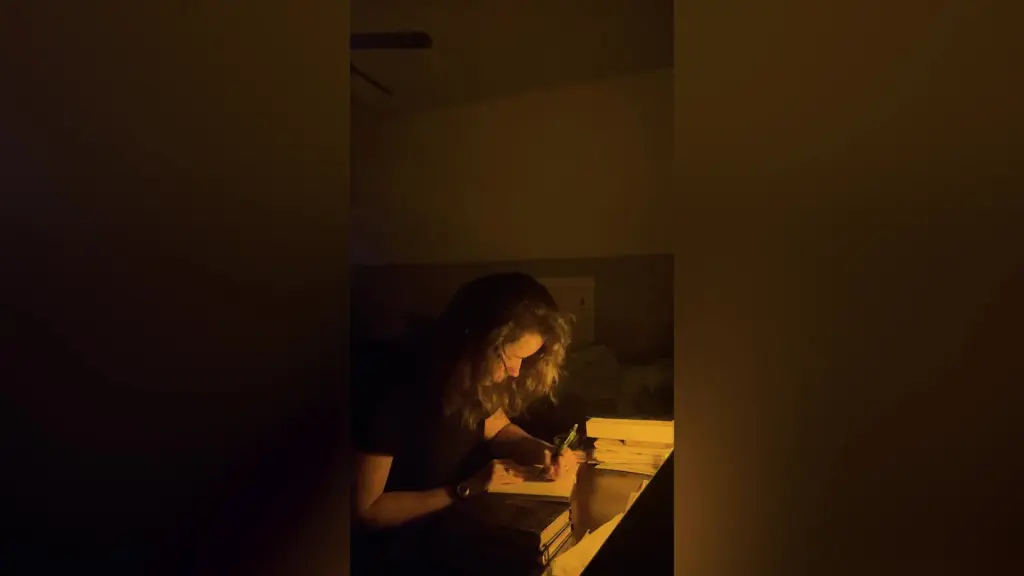
During those quiet nighttime hours, Fox avoided treating the time as simply a disruption to her sleep. Instead, she used it for activities such as reading, writing letters, journaling and working on creative projects.
She said the experience eventually gave her a surprising feeling of accomplishment before the day had even officially begun.

The Middle of the Night Became Productive
Fox said there were nights when she struggled to get out of bed, particularly when she was tired.
But once she was awake, she found the quiet hours unusually peaceful.
Reading poetry, writing and spending time away from the distractions of daily life gave her a sense of having personal time that she normally would not have.
She also said she eventually felt more alert despite sometimes getting less sleep than she normally would.

What the Experiment Taught Her
The unusual schedule also changed how Fox thought about her everyday habits.
She said the experiment made her realize how much time she previously spent on her phone and other forms of instant entertainment.
The nighttime period gave her an opportunity to focus without the usual distractions, which she found particularly helpful for creative work.
Fox also began exercising more during the experiment, saying she believed being physically active helped her feel more ready for sleep.
Why Medieval Sleep Was Different
Fox’s experiment was inspired by historical accounts suggesting that some people in preindustrial societies may have experienced a pattern of “first sleep” and “second sleep.”
Without modern electric lighting, people had considerably different relationships with nighttime and darkness.
However, Fox’s personal experience should not be taken as evidence that segmented sleep is healthier than a conventional sleep schedule.
Her experiment was a personal exploration rather than a medical study, and she acknowledged that the routine was not always easy to maintain.

She Doesn’t Plan to Do It Every Night
Fox said she does not intend to permanently replace her normal sleep schedule with the medieval-inspired routine.
Instead, she sees the experience as something she could occasionally use when she wants uninterrupted time for creativity or reflection.
The biggest lesson for her was not necessarily the unusual sleeping pattern itself, but what happened when she created several quiet hours without phones, notifications and other distractions.
She said she would consider trying the experiment again during a future university break.
For Fox, waking in the middle of the night ultimately became less about recreating medieval life and more about discovering how valuable a few hours of uninterrupted solitude can feel.