Sydney Mum Says She Punched a 4-Metre Great White Shark to Survive: “It Was Like Fighting a Dinosaur”
A Sydney mother has revealed the terrifying moment she was dragged underwater by a massive great white shark — and how she fought back with her fists because she was determined to survive for her young daughter.
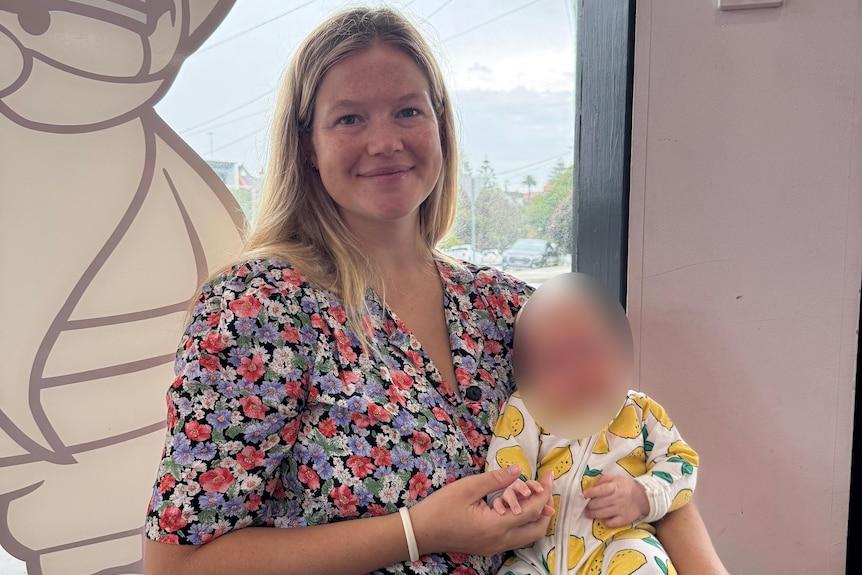
Leah Stewart, 35, was finishing her morning swim at Coogee Beach on June 13 when she encountered what was believed to be a roughly four-metre-long great white shark.
She was swimming between the flags and around 30 metres from shore when the shark attacked.
Months later, Stewart has finally spoken publicly about the ordeal, describing the encounter as something that felt almost impossible to survive.
“It was like fighting a dinosaur,” she said while recounting the attack.
“Which limb am I willing to lose?”
According to Stewart, the shark pulled her beneath the surface and came extremely close to her face.
In those frantic moments, she said she realized she had to fight back.
Because she is right-handed, Stewart said she made a split-second decision to use her left arm to punch the shark.
She repeatedly struck the animal until, she believes, one of the blows helped make it release her.
Her account of the attack was later described by Australian media as an extraordinary fight for survival.
But the physical consequences were devastating.
Stewart suffered extensive injuries and severe blood loss. She underwent multiple surgeries, including the amputation of her left lower arm, and spent more than a week in a medically induced coma.
Her daughter was on her mind
For Stewart, the fight was about more than simply escaping the shark.
She was thinking about her young daughter.
Her family later said Stewart was reunited with her daughter, August, after waking from the induced coma. The reunion came after 12 days in intensive care and weeks of uncertainty over whether she would survive.
That connection has remained central to Stewart’s recovery.
In August, she described the experience as an incredibly difficult period but said she was beginning to regain independence.
“I feel like I’ve been given a second chance at life,” she wrote in an update, adding that she did not intend to waste it.
A rescue unfolded just offshore
Stewart was eventually spotted by off-duty volunteer lifeguard Charlie Verco, who was training for a paddleboarding competition nearby.
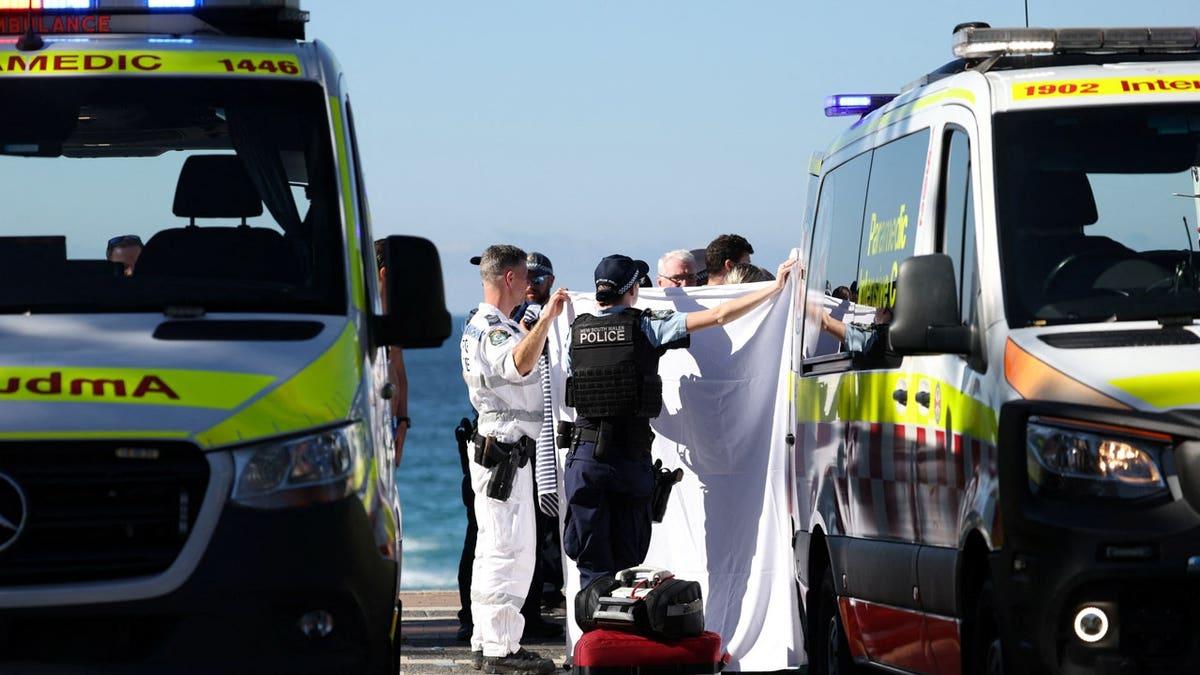
Verco saw the struggle in the water and moved toward her.
Despite her serious injuries, Stewart was able to cling to his paddleboard as he helped bring her toward shore.
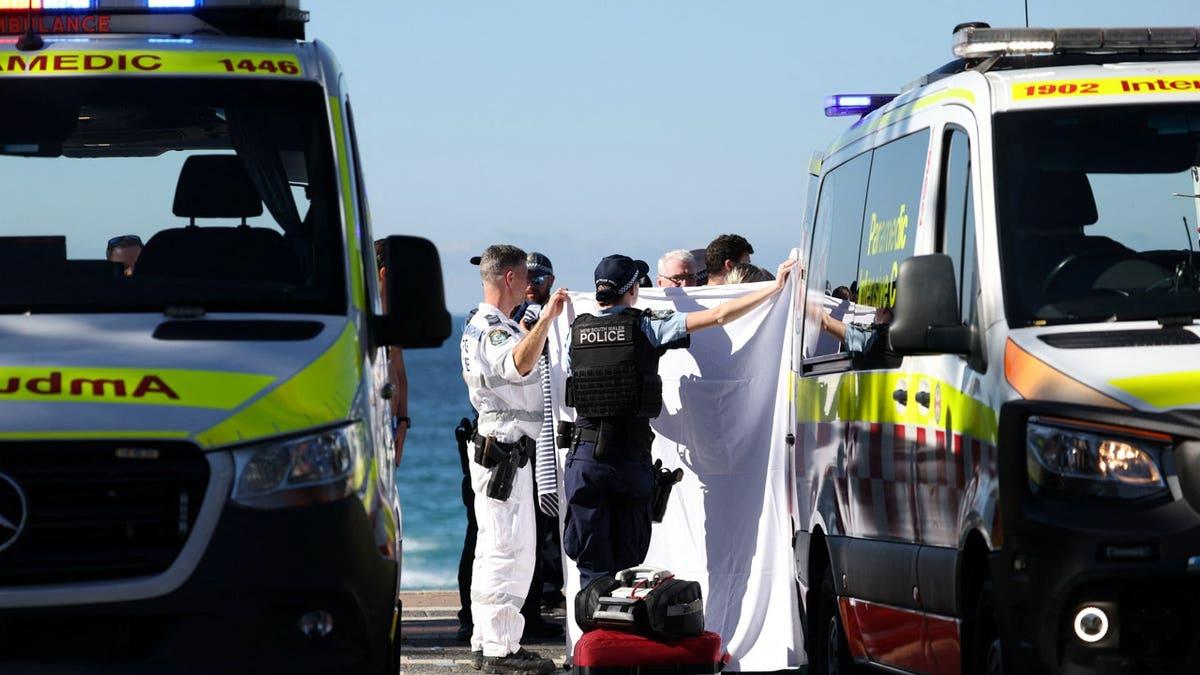
Once she reached the beach, lifeguards and an off-duty doctor worked to keep her alive while emergency crews were called.
The rescue response became a critical part of her survival.
From life support to rehabilitation
Stewart’s recovery has been long and difficult.
She spent weeks dealing with the consequences of the attack and undergoing treatment, but by late August she was able to speak about her progress publicly.
More than $500,000 was donated by supporters to help Stewart and her family during her recovery.
She has since focused on rebuilding her independence rather than allowing the attack to define the rest of her life.
And in early September, she reunited with several of the lifeguards and rescuers who helped save her.
The emotional reunion gave Stewart an opportunity to personally thank the people who had been there during the most frightening moments of her life.
The attack has also changed Sydney beaches
Stewart’s attack came amid renewed attention on shark safety along the New South Wales coastline.
Following a series of shark incidents, authorities have expanded the use of drones to monitor beaches. Coogee is among Sydney beaches now covered by year-round dawn-to-dusk drone surveillance.
The technology is being used to identify sharks and alert swimmers when potential dangers are spotted.
For Stewart, however, the story is no longer simply about the shark that nearly killed her.
It is about what happened afterward — the medical team that kept her alive, the rescuers who reached her in the water, the community that supported her family and, most importantly, the daughter she was determined to come home to.
Months after the attack, Stewart is still recovering.
But she survived an encounter with one of the ocean’s most powerful predators — and she is now determined to make the most of what she calls her second chance at life.
Course: NY Post