Dolly Parton’s Family Didn’t Hold a Big Funeral — Her Cousin Reveals the Reason She Wanted It That Way
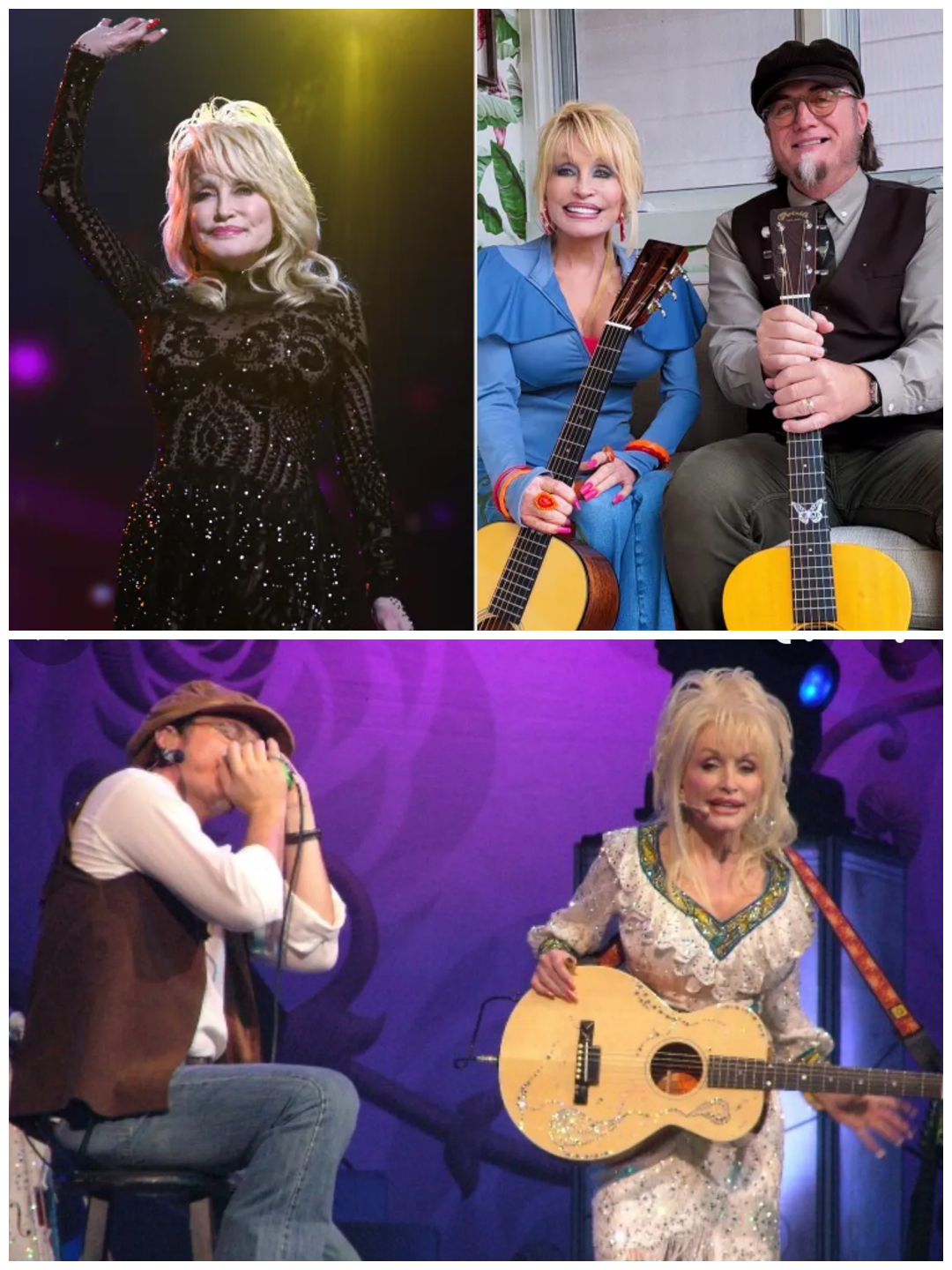
For a star as enormous as Dolly Parton, many people might have expected an equally enormous goodbye.
A public memorial.
A packed church.
Thousands of flowers.
Famous friends arriving from across the entertainment world.
Instead, after Dolly died at age 80 on Aug. 25, 2026, her family did almost the opposite.
Three days later, on Aug. 28, they gathered quietly for a small, private service. Only a few relatives were there as Dolly was laid to rest beside her longtime husband, Carl Dean.
Now her cousin and longtime musical collaborator Richie Owens has explained why.
According to Owens, there was no hidden family dispute and no troubling reason for avoiding a major funeral.
It was simply what Dolly wanted.
“She wanted to keep it very quiet,” Owens said while discussing her final wishes. He added that he would not even necessarily describe the gathering as a conventional funeral. To him, it was more about fulfilling Dolly’s wish to be buried beside Carl with only a small number of family members present.
And there was another reason Dolly apparently had little interest in an elaborate public farewell.
She would rather people spend money helping children than buying flowers for her.
Dolly Wanted the Goodbye to Be “Very, Very Private”
Owens appeared on Today on Sept. 3 and offered one of the clearest explanations yet of how Dolly’s family approached her burial.
He emphasized that the quiet nature of the gathering should not be interpreted negatively.
“It was very quiet and very quickly done,” he said, stressing that there were no “bad reasons whatsoever” behind the decision.
Dolly simply wanted privacy.
That distinction matters because the scale of Dolly’s fame made a huge public ceremony seem almost inevitable.
For decades, she had belonged not only to country music but to American popular culture.
Fans traveled to Dollywood.
Artists across genres recorded her songs.
Generations knew her through music, movies, television appearances and philanthropy.
A public memorial could easily have become a major national event.
But fame did not dictate Dolly’s final wishes.
She did.
She Wanted to Be Beside Carl Dean
The burial also carried an especially personal meaning.
Dolly wanted to be laid to rest beside Carl Dean, the extraordinarily private man she married in 1966 and remained with until his death.
Their relationship had always contained an unusual contrast.
Dolly lived much of her life in public.
Carl avoided it.
He rarely attended major entertainment events and generally stayed away from the celebrity world surrounding his wife.
Dolly repeatedly explained over the years that his privacy was genuine and that their different personalities helped their marriage work.
So there is something fitting about her final family gathering also being quiet.
Owens described the Aug. 28 event less as a show-business funeral than as a burial centered around placing Dolly beside her husband.
It was an intensely personal ending for someone whose public life had been anything but small.
Then There Was the Question of Flowers
Owens revealed another reason Dolly did not want a giant funeral.
She knew what happens when a beloved public figure dies.
People send flowers.
They send gifts.
They spend money trying to express affection.
Dolly had another idea.
Owens said his cousin had repeatedly made clear that she would prefer someone take the roughly $50 they might spend on flowers and instead donate it to her Imagination Library.
“She really cared about her charities,” he explained.
That detail makes the decision feel unmistakably Dolly.
Her Imagination Library began as an effort to provide free books to young children and eventually grew far beyond Tennessee.
Rather than surround her burial with expensive arrangements that would disappear within days, Dolly apparently preferred that the money continue doing something useful.
A bouquet could honor her briefly.
A book could end up in a child’s hands.
Richie Owens Knew More Than the Public Version of Dolly
Owens’ explanation carries additional weight because he was not simply a distant relative commenting on the family.
He had worked closely with Dolly musically.
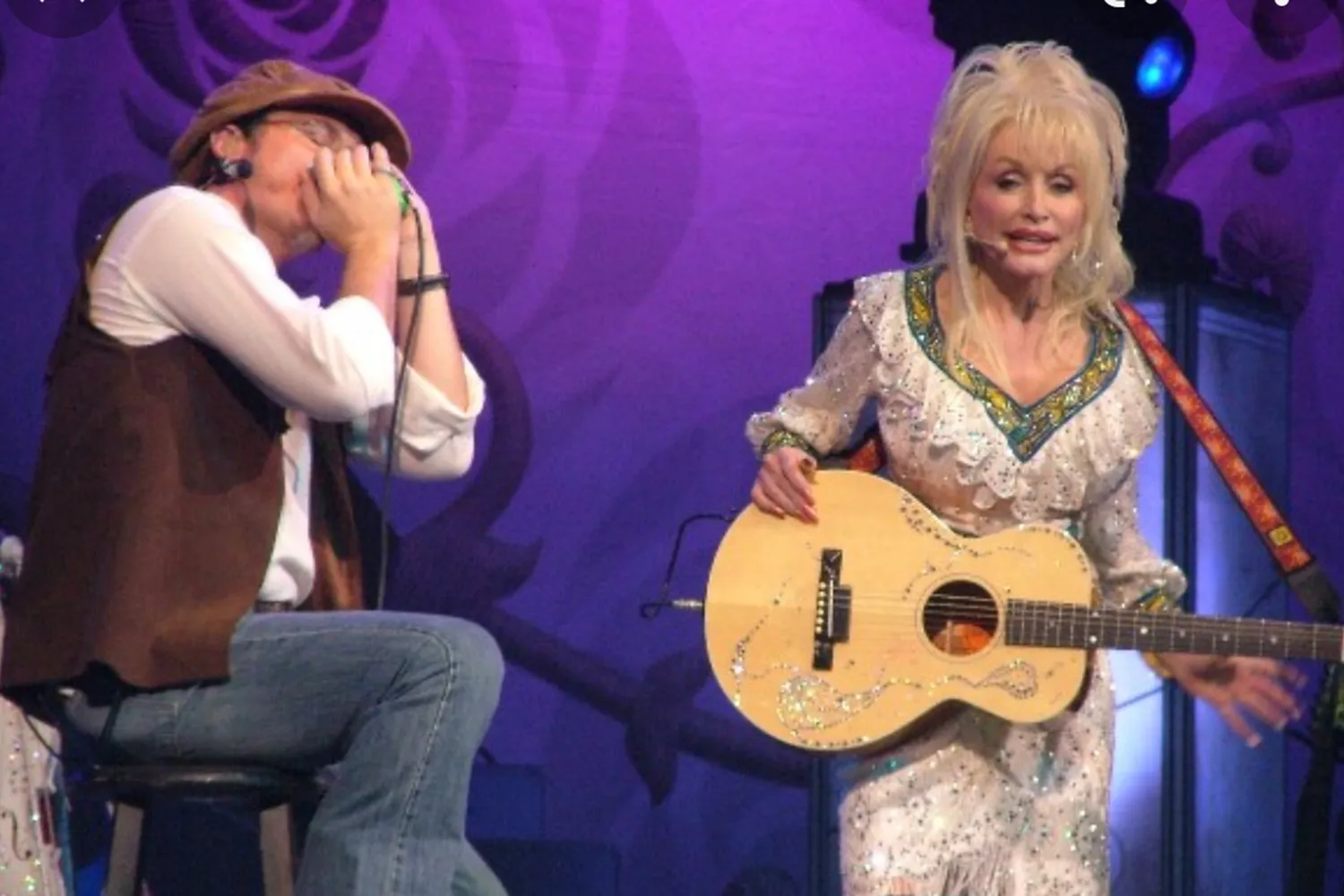
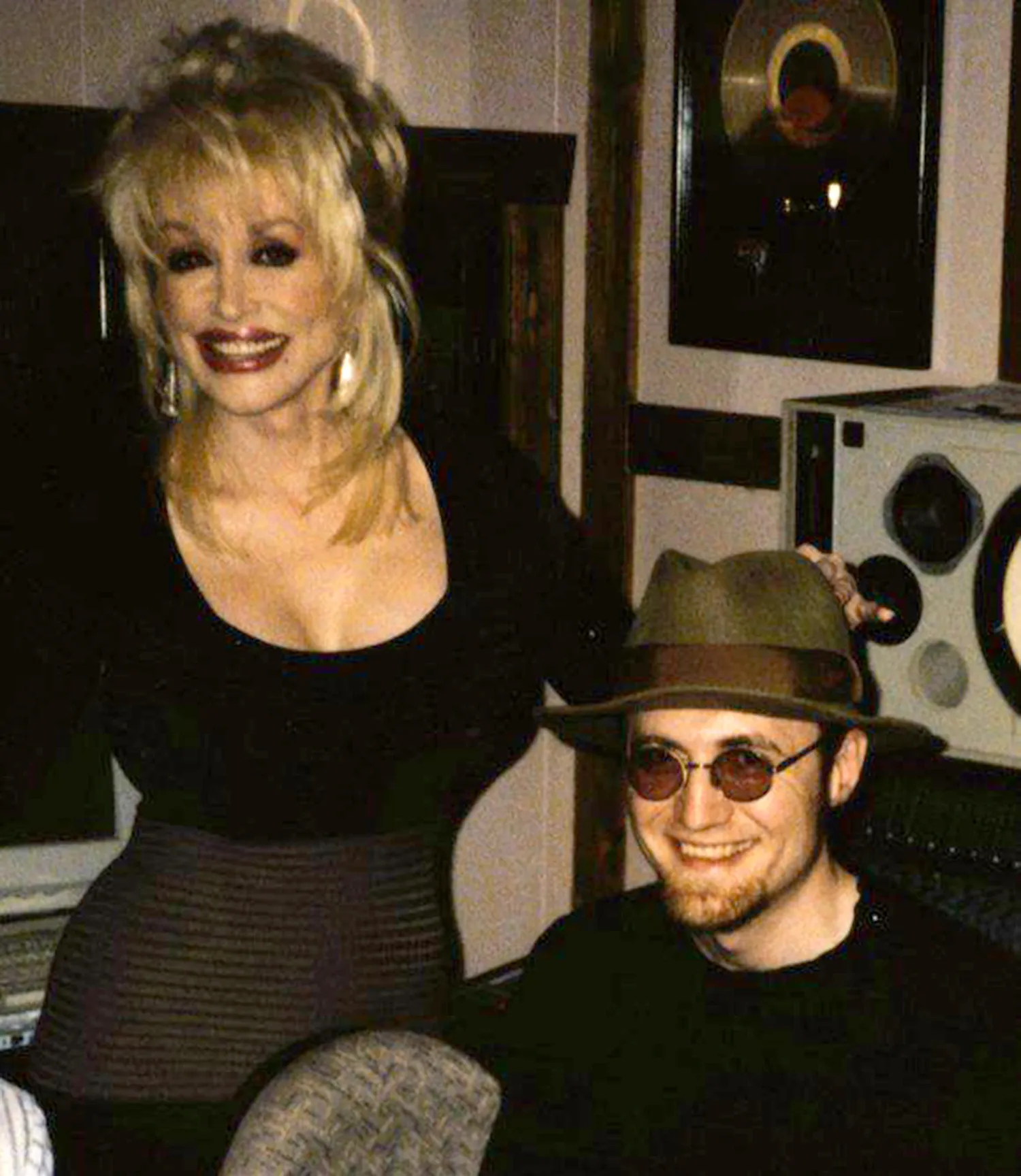
A singer-songwriter himself, Owens helped produce multiple Parton projects, including her 1998 album Hungry Again and 1999’s Precious Memories.
He knew the public Dolly.
He also knew the private version.
And according to Owens, the difference between the two was surprisingly small.
He remembered Dolly as personable, generous and almost magical in ordinary life, saying she did not switch her personality “on and off” depending on whether cameras were present.
“Dolly was always Dolly,” he said.
That observation helps explain why her funeral wishes were not necessarily about rejecting fans.
They were consistent with someone who could give enormous amounts to the public while still keeping certain parts of her private life carefully protected.
Their Last Meeting Was About a Guitar From Her Childhood
Owens also shared a remarkable memory of the final time he saw Dolly alive.
It involved something from long before fame.
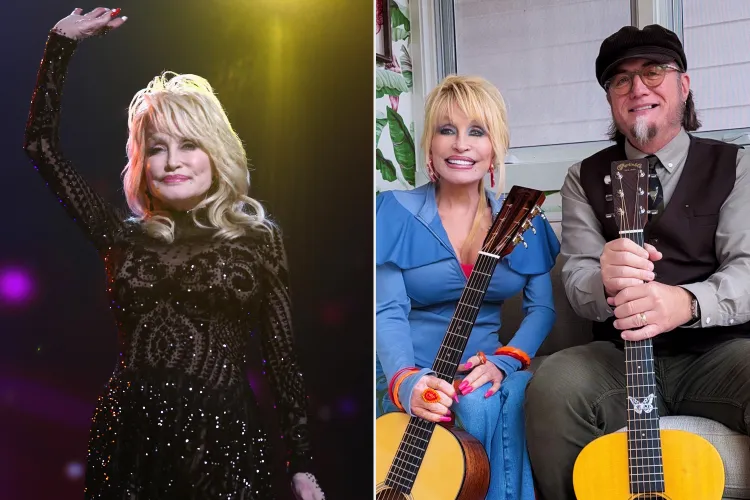
The pair had been trying to track down the kind of small Martin guitar Dolly had owned as a child. Owens said his father had given Dolly a little Martin guitar back in 1958.
Eventually, they located the same make and model.
The story did not stop there.
Owens said they documented the instrument’s history with the Martin Guitar company. Because of Dolly’s affection for the small guitars, Martin also created another instrument for her featuring one of her signature symbols: a butterfly.
Owens was able to present the guitars to Dolly personally.
That became the last time he saw his cousin face-to-face.
At the time, however, it did not feel like a goodbye.
“That Lady Was a Workaholic”
Owens said nothing about that final visit made him think he was seeing Dolly for the last time.
His reason was simple.
She was still Dolly.
“She was relentless,” he recalled, describing her as a workaholic.
That memory fits with the way Dolly continued talking about future projects late in life.
She was not behaving as though her story had already ended.
Even members of her own family did not necessarily understand the full extent of what she was dealing with medically.
Owens said Dolly had a long history of keeping health matters private, even from relatives.
She preferred people around her to remain positive rather than worry about her.
Her attitude, as Owens remembered it, was essentially: don’t worry — I’ll be fine.
Her family later confirmed that Dolly died following a brief battle with cancer.
Her Private Burial Wasn’t a Rejection of the Public
That may be the most important part of understanding why there was no giant funeral.
Dolly spent decades giving audiences access to enormous parts of herself.
Her childhood became songs.
Her marriage became stories.
Her humor filled interviews.
Her philanthropy reached millions of families.
But that did not mean every final moment needed to become a public event.
According to Owens, the small burial was exactly what she requested.
A few family members.
Very little ceremony.
A place beside Carl.
And instead of flowers, perhaps another donation to put a book into a child’s hands.
For a woman famous for rhinestones, towering hair and making everything onstage feel larger than life, Dolly Parton apparently wanted her final goodbye to be remarkably simple.
Not because the world cared too little.
Perhaps because she already knew how much it cared.
And if people still wanted to spend something in her name, she had one last preference:
Don’t buy her flowers.
Help somebody instead.