Denied Boarding, A Passenger Attempts to Slip Past Gate Agents Before Confronting Police and Federal Aviation Mandates
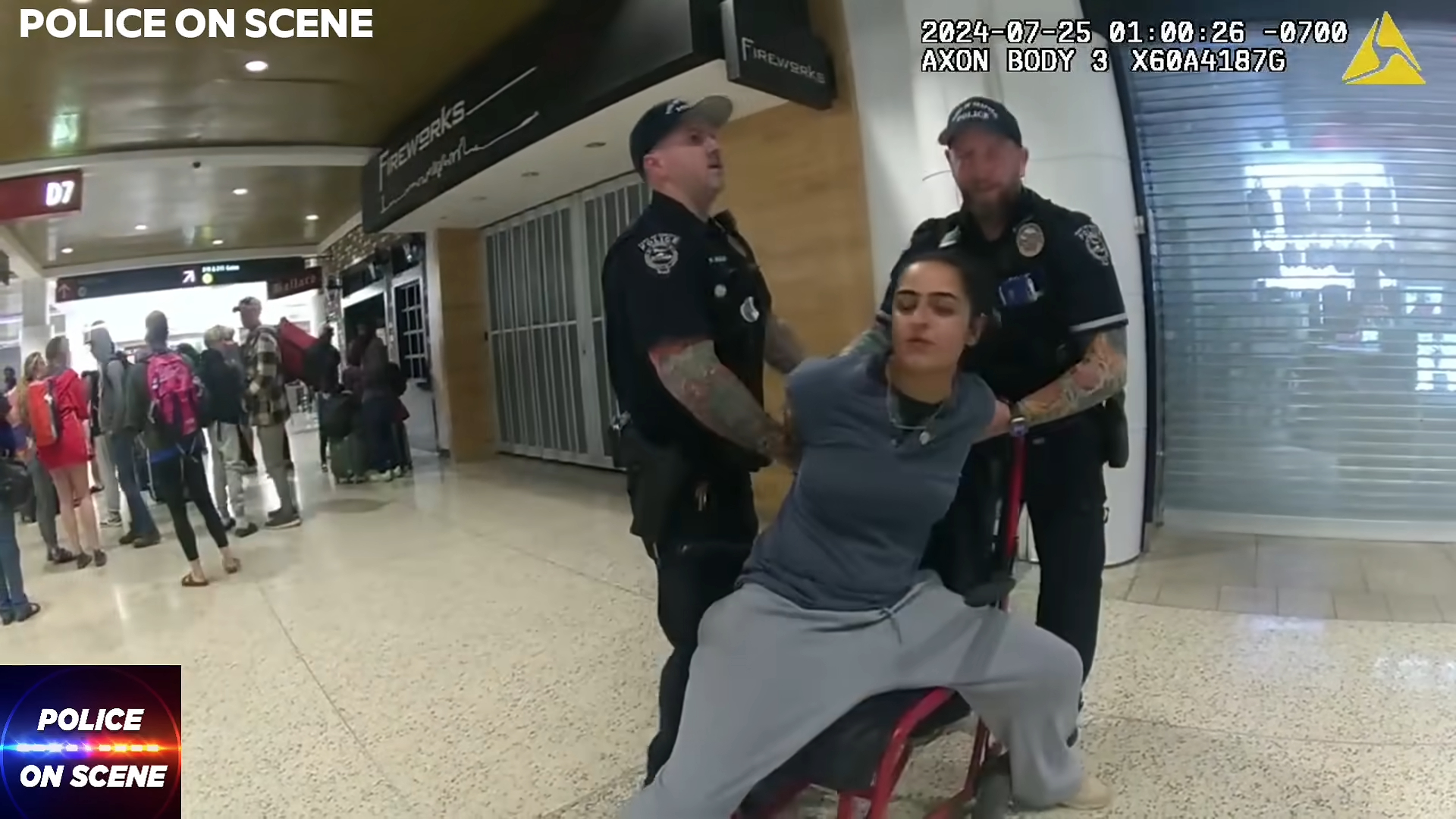
When an airline gate agent bars a passenger from entering an aircraft, the decision represents a definitive legal boundary rather than the beginning of a negotiation. At Seattle-Tacoma International Airport, an American Airlines passenger bound for Dallas/Fort Worth discovered the hard reality of commercial aviation protocol when her refusal to accept a boarding denial triggered a volatile standoff with law enforcement, concluding in formal criminal charges.
The disturbance began near the boarding jet bridge after customer service staff for American Airlines determined that the traveler exhibited clear signs of physical impairment and behavioral instability. Gate agents informed her that she would not be permitted to board the aircraft in her current condition, intending to rebook her travel once she was fit to fly. Rather than stepping aside or seeking assistance at a customer service desk, the traveler quietly circled back around the concourse stanchions and slipped directly back into the boarding queue in an apparent attempt to bypass gate staff unnoticed.
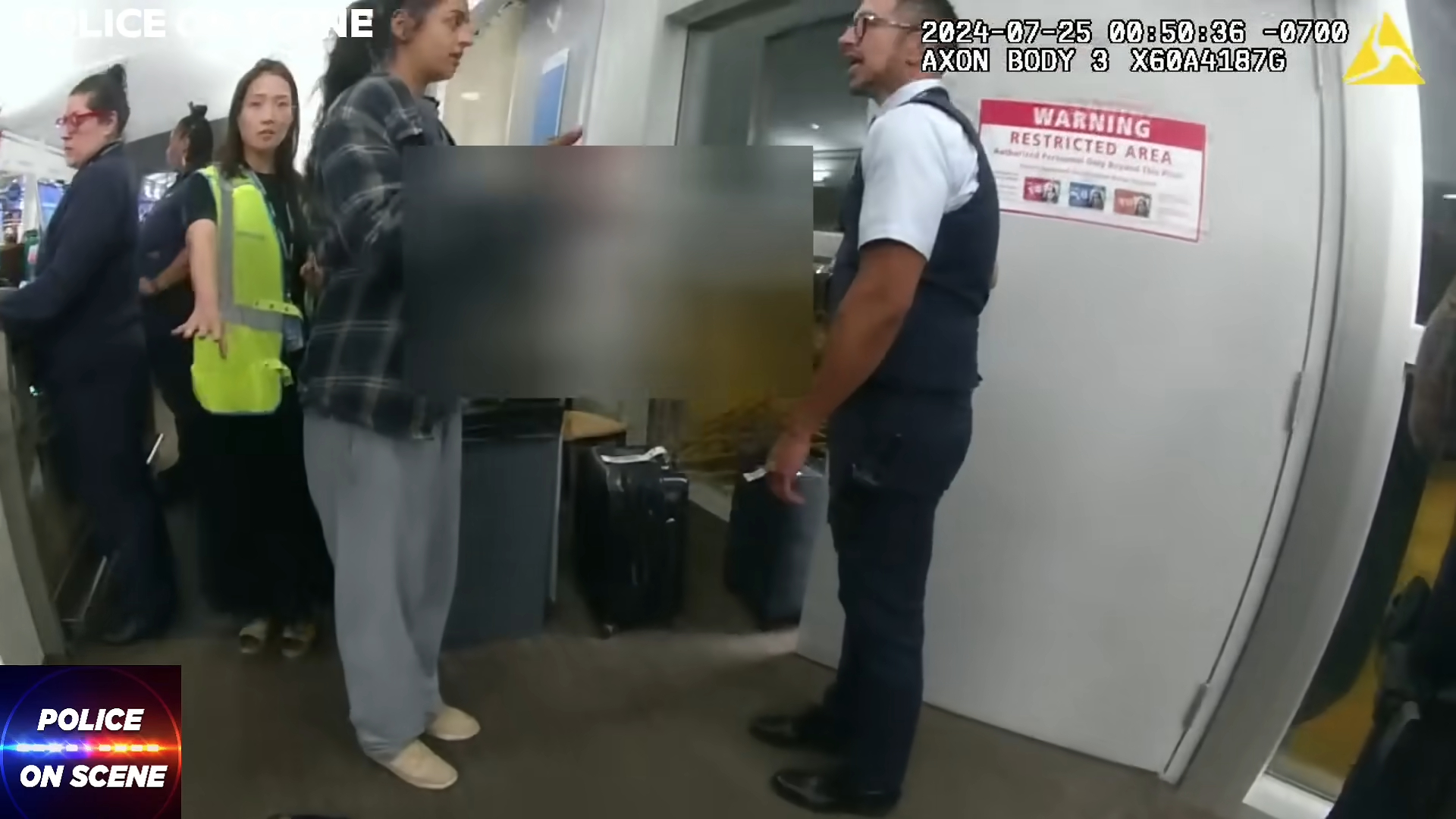
Port of Seattle police officers were promptly dispatched to the gate to intervene. Body-worn camera footage documents an officer stepping toward the line and asking the woman to step out of the queue to speak privately. When the officer explained that American Airlines had officially revoked her boarding privileges for the scheduled departure, the passenger adopted an intensely defensive posture.
Instead of cooperating with the de-escalation effort, she launched into an erratic, fragmented monologue. She claimed that she was suffering from a lingering concussion sustained during a prior physical assault by an ex-boyfriend, asserting that involuntary eye movements and disorientation were neurological symptoms rather than intoxication. Her explanations grew increasingly disjointed as she invoked deeply personal grief, declaring aloud that her deceased parents were waiting for her on the other end of the route. Officers repeatedly offered medical attention, which she declined, insisting instead that she was completely fit to walk an impromptu sobriety line on the airport floor if it meant securing her seat on the jet.
Law enforcement personnel quickly recognized the volatility of the standoff and intervened to prevent the situation from escalating into an active breach of aviation security. The lead officer delivered an unambiguous warning regarding the legal gravity of her actions. Officers made it unequivocally clear that while a commercial ticketing dispute remains a civil customer service matter, attempting to bypass personnel or force entry onto a federally regulated commercial aircraft constitutes an immediate criminal offense under federal and state statutes.
Despite the explicit legal warning, the passenger continued to press forward toward the boarding portal. She vehemently maintained that she had threatened no one and demanded to know why gate staff would not accept her boarding pass. Officers patiently explained that gate attendants possess full statutory authority to refuse carriage to any passenger deemed unsafe, disruptive, or impaired, and that officers present were there to enforce lawful exclusions, not to overrule airline personnel.
As the traveler pressed her case, offering to submit to on-the-spot sobriety tests and arguing that her condition was purely trauma-related, officers reiterated the legal hierarchy governing commercial flight operations. Responding officers explained that Federal Aviation Administration (FAA) regulations grant air carriers sweeping, unilateral discretion regarding flight safety. Under federal mandates, crew members and airline agents are strictly prohibited from allowing visibly impaired or emotionally volatile passengers to board an aircraft, regardless of whether that behavior stems from alcohol, controlled substances, or underlying medical distress.
The officer emphasized that these federal safety directives supersede individual grievances, personal justifications, and commercial convenience. In the eyes of aviation law, the potential safety hazard posed to dozens of passengers and flight crew in a pressurized cabin thousands of feet in the air outweighs any customer’s personal travel emergency. Although the officer reiterated an initial willingness to assist her in securing a rebooked flight for a later date once she regained full composure, he made it abundantly clear that her journey on that specific day was over.
With the flight’s boarding process drawing to a close and other travelers looking on, the passenger’s continuous obstruction led officers to issue a definitive ultimatum. Because American Airlines had officially canceled her itinerary and revoked her authorization to travel, her legal status within the secure terminal concourse instantly changed. Port of Seattle Airport regulations mandate that individuals past security checkpoints must possess a valid, active boarding pass.
The officer delivered a final, legally binding directive: she had exhausted her opportunities to step away voluntarily and was now officially required to gather her belongings and exit the airport property. The officer warned that continued refusal to vacate the boarding gate would result in an immediate custodial arrest for criminal trespass. Rather than gathering her personal property and complying, the woman continued to shout objections, demanding to know why she was being expelled and accusing the officers of unfair treatment.
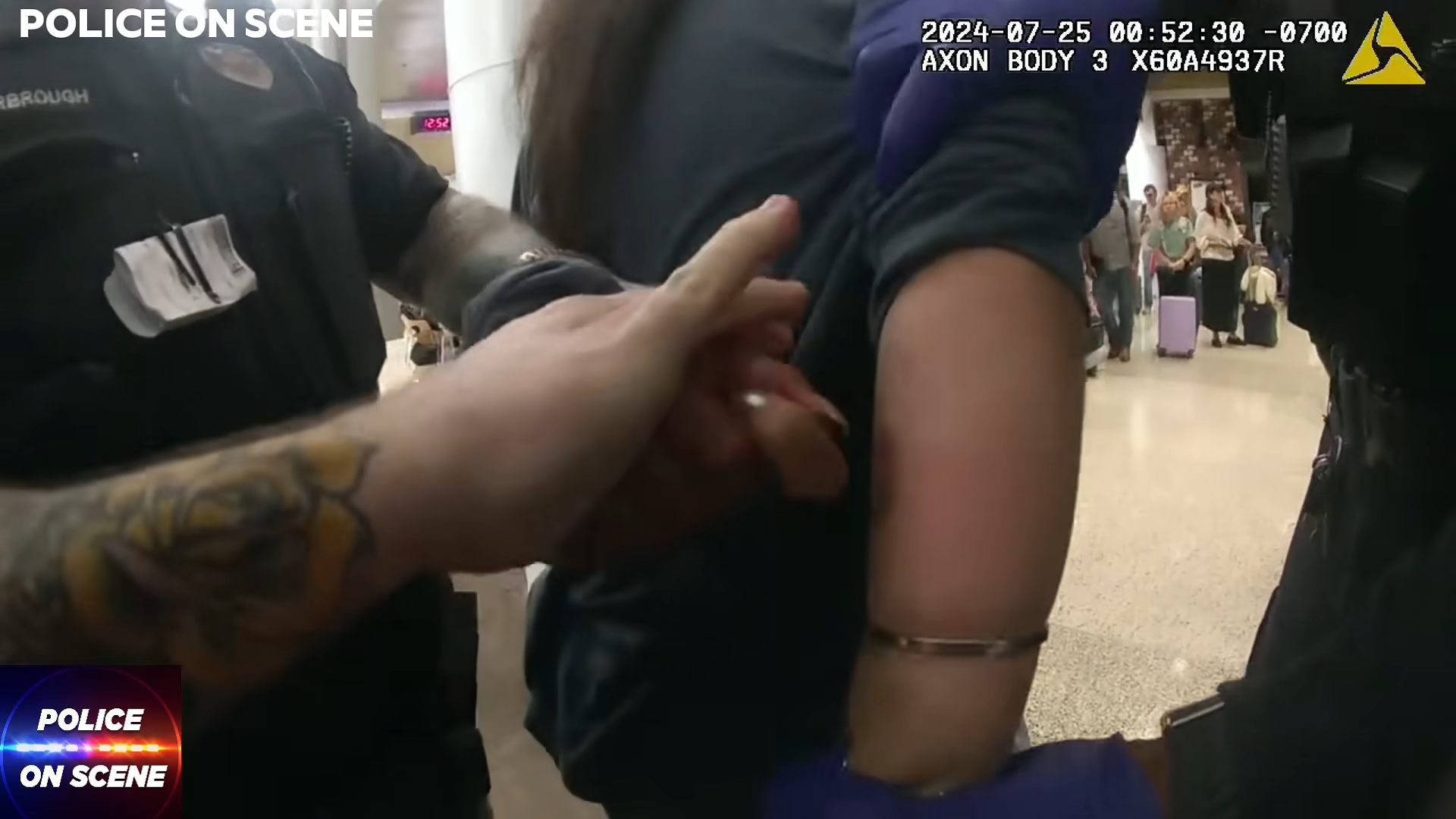
Having exhausted all de-escalation avenues, officers moved in, placed the woman under arrest, and secured her in handcuffs. Even as she was guided away from the gate and transported to a waiting patrol vehicle, she continued to resist and argue her case, alleging harassment and denying that she had broken any rules.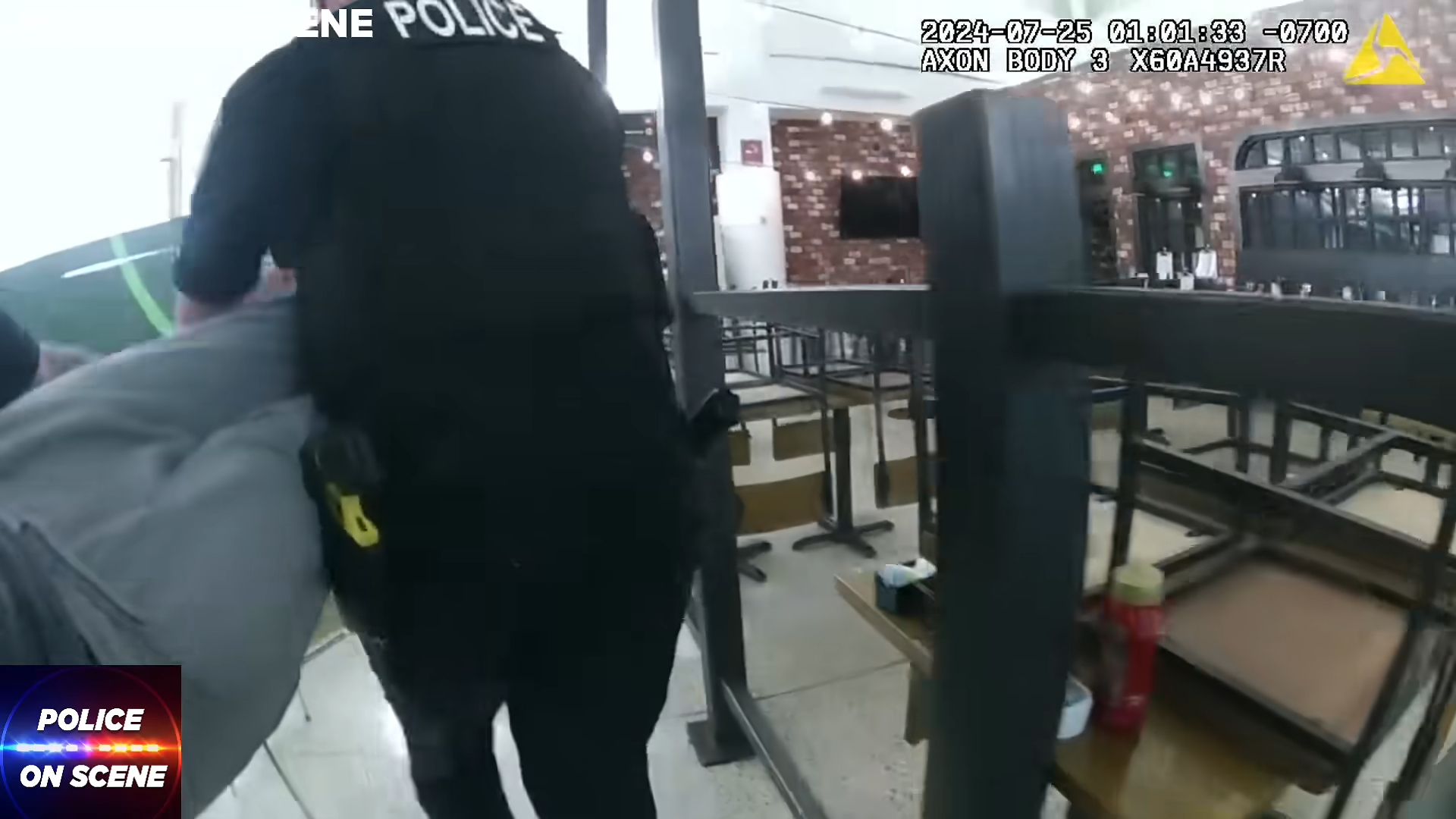
The recorded encounter serves as an instructive case study in the non-negotiable nature of modern airport operations. When gate staff identify potential safety liabilities, their statutory obligations leave no room for debate at the boarding door. As the incident at Sea-Tac demonstrated, attempting to circumvent gate personnel and defying lawful police orders does not lead to an open jet bridge, but rather to an immediate exit in police custody and a public record of criminal trespass charges.