From Boarding Gate Outburst to Patrol Car Takedown: How a Disruptive Passenger Landed in Jail at Sea-Tac
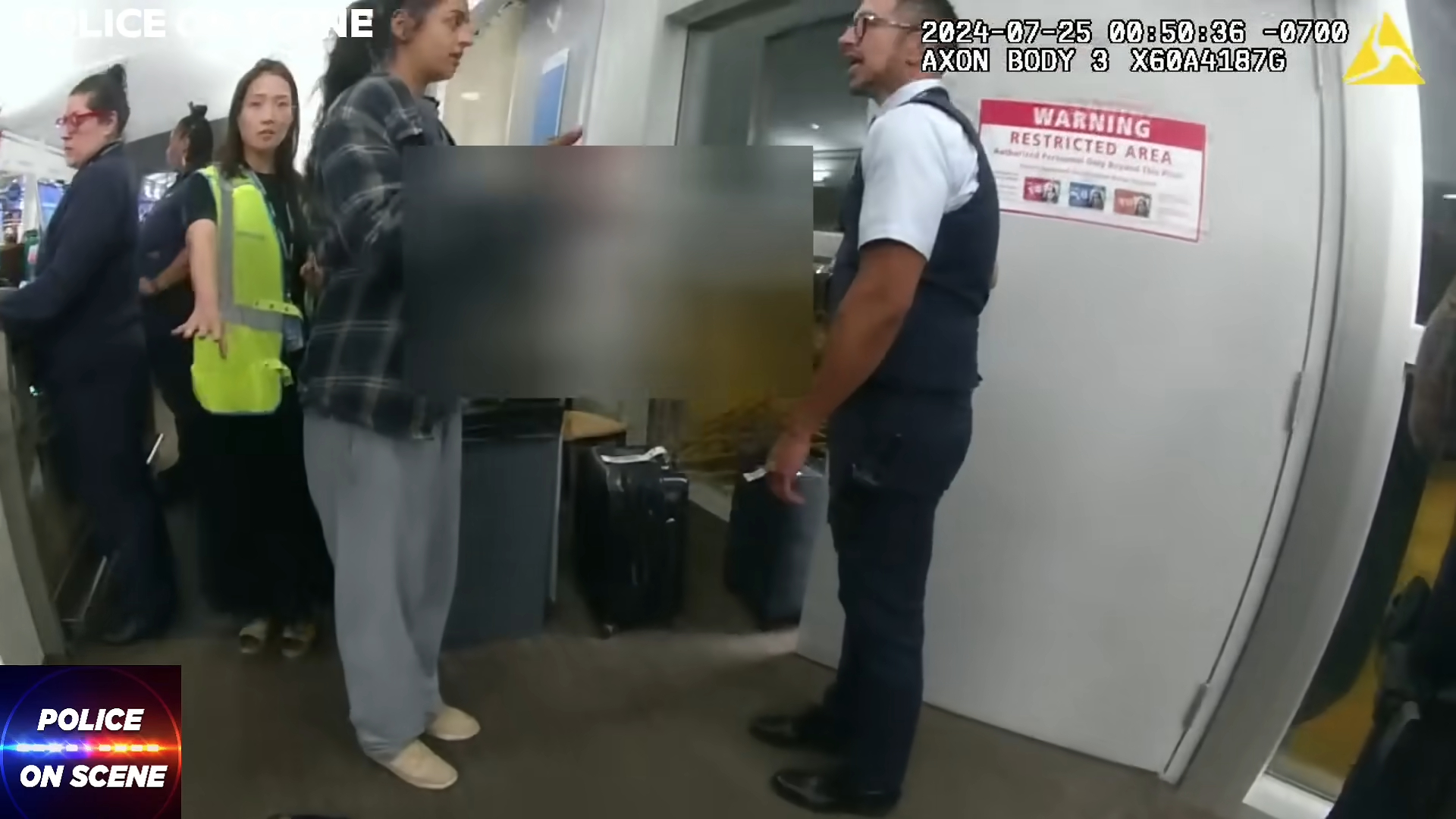
What began as an ordinary boarding procedure at Seattle-Tacoma International Airport collapsed into an aggressive public disruption, an inadvertent confession under formal legal caution, and a physical altercation with law enforcement. Port of Seattle police officers were ultimately compelled to physically force a defiant traveler into the rear of a patrol vehicle after she repeatedly obstructed officers, disrupted fellow passengers, and refused to comply with lawful expulsion orders following her removal from an American Airlines departure.
The escalating confrontation reached a boiling point at the gate concourse the moment officers initiated custodial restraint. As metal handcuffs fastened around her wrists, the traveler launched into a frantic, high-volume appeal directed at dozens of bystanders awaiting their flights. Shouting across the crowded waiting area, she repeatedly demanded to know whether any onlookers had witnessed her committing a criminal act, crying out aloud, “Does anybody see me trespassing?”
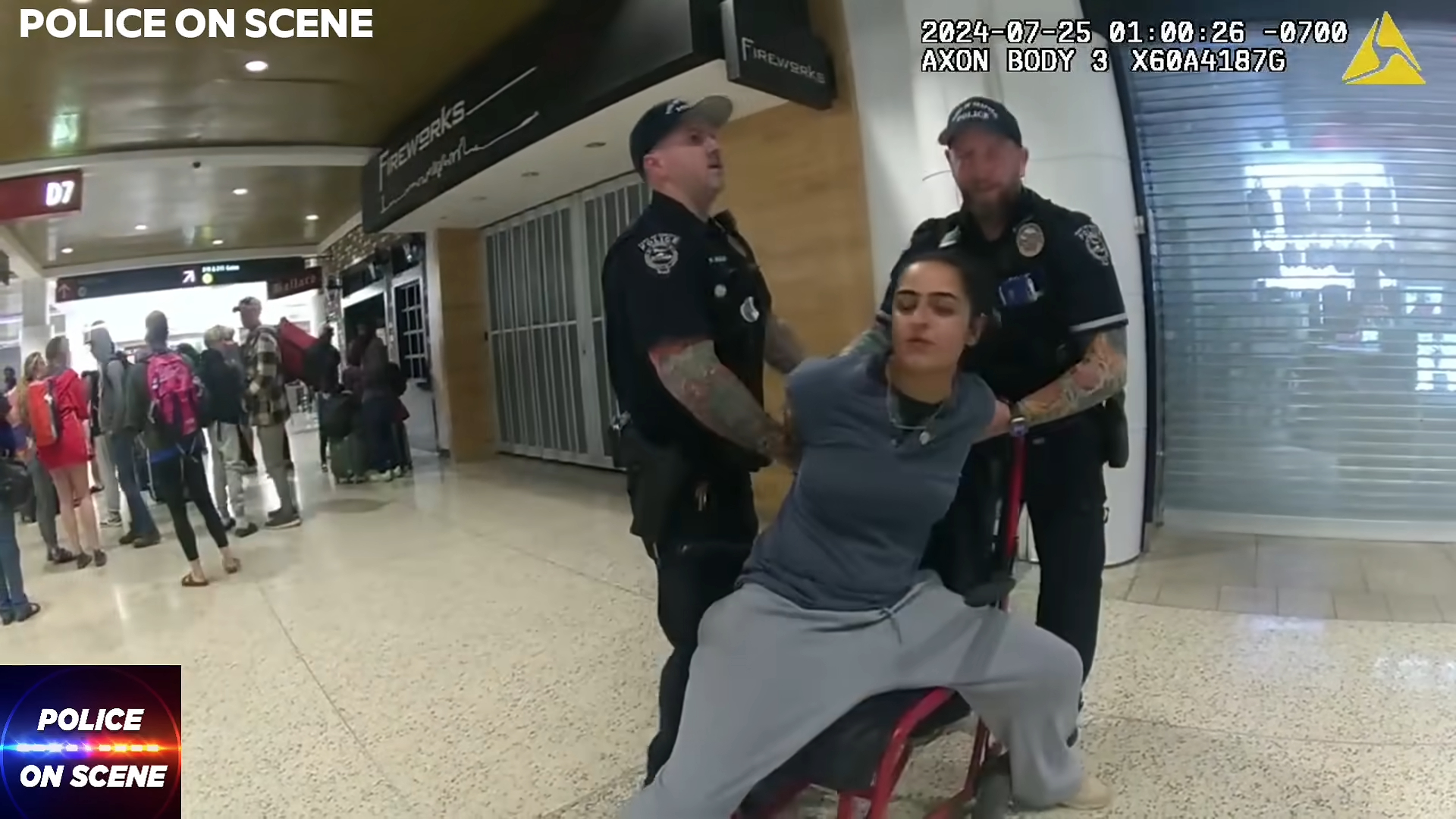
Refusing to let the suspect manipulate the gathering crowd into an unruly confrontation, the arresting officer addressed the entire concourse directly with measured professionalism. The officer calmly explained the governing statutory framework of the Port of Seattle: under municipal airport regulations and federal aviation mandates, an individual’s lawful privilege to remain within the secure, post-checkpoint zone is strictly contingent upon possessing a valid, ticketed boarding pass. Because airline personnel had officially revoked her travel privileges and rebooked her itinerary, her refusal to vacate the boarding concourse converted her presence into a clear, actionable criminal trespass. Despite the clear explanation, the woman continued to vocalize objections, accusing law enforcement of unprovoked mistreatment while being escorted away from the gate.
The legal gravity deepened as officers guided the handcuffed suspect down to a holding area to carry out standard administrative procedures and formal advisements. An officer methodically read the suspect her Miranda warnings, explicitly notifying her of her constitutional right to remain silent, the reality that any statements made could and would be used against her in criminal proceedings, and her right to legal representation prior to questioning.
Yet, in a sequence marked by extreme impulsivity, the suspect disregarded the warning almost immediately. While attempting to communicate on the phone with her father and vehemently insisting that officers were targeting an innocent, unimpaired traveler, she attempted to explain away the visible signs of intoxication that had prompted the airline’s denial in the first place. Defending herself against accusations of drunkenness, she insisted that her unsteady gaze and agitation were solely the result of a previous head injury, only to inadvertently contradict her own defense in the same breath. In full earshot of the recording body cameras, she openly blurted out that any odor of alcohol was merely because she had consumed a shot of liquor immediately before attempting to board the aircraft. The spontaneous admission undercut her prior denials, handing prosecutors objective evidence of pre-flight alcohol consumption while being advised under formal Miranda protections.
As officers gathered her belongings and attempted to transport her toward the ground transport level, the suspect’s non-compliance escalated from vocal petulance into outright physical obstruction. Planting her feet firmly on the concourse floor, she began writhing against the officers’ hold, stubbornly refusing to take forward steps. In a frantic bid to assert authority over an already settled custodial process, she shouted repeatedly that her civil rights were being violated, boldly yelling, “These are my rights! I’m catching that flight!”
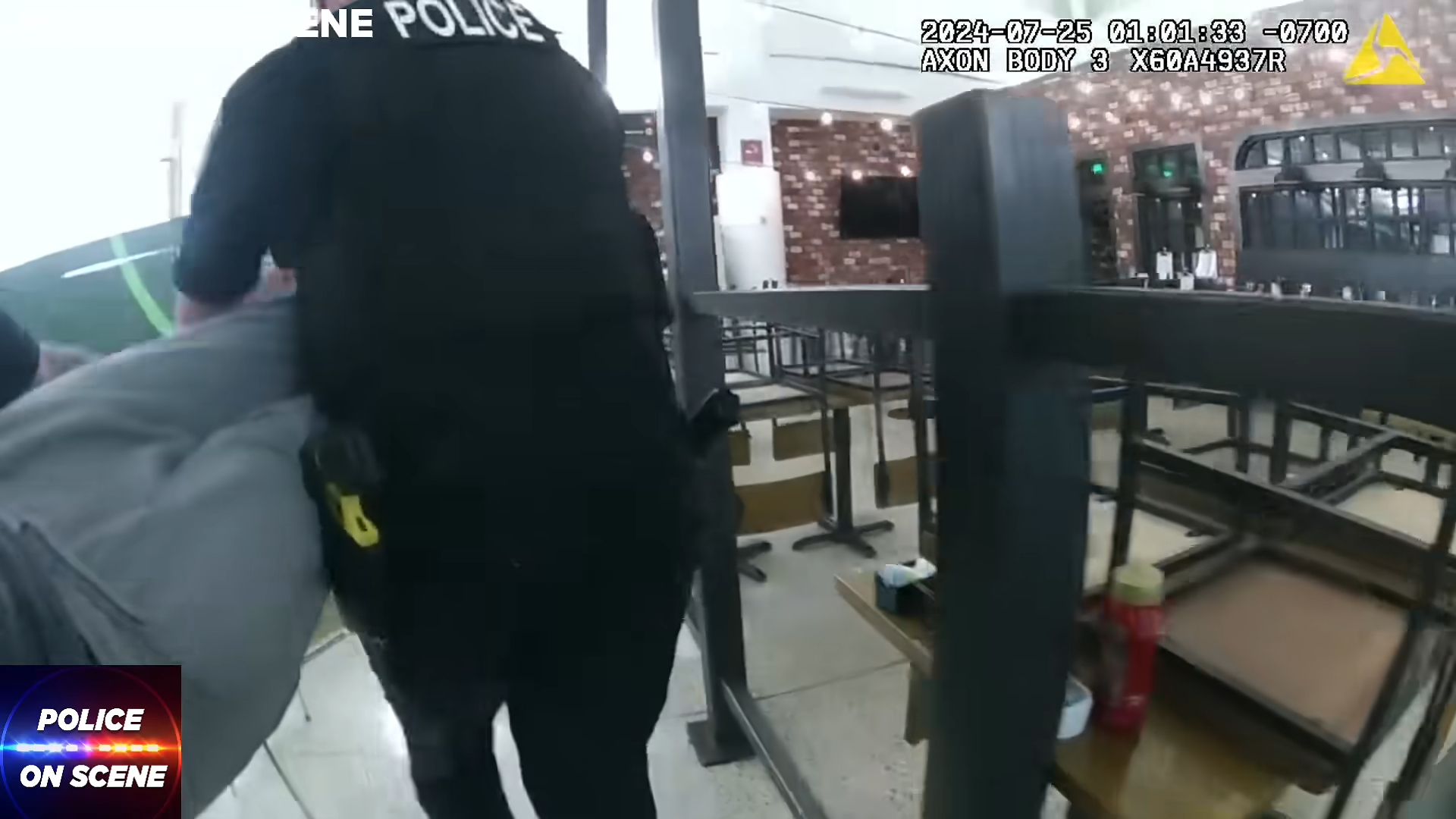
Officers issued explicit, immediate warnings regarding the severe statutory consequences of her escalating defiance. They instructed her that physically stalling, dragging her weight, and refusing to walk would not alter the outcome of the arrest, but would instead trigger supplementary criminal counts. Law enforcement cautioned her that converting a standard misdemeanor trespass charge into active resistance carried statutory enhancements that would guarantee extended detention and higher bail thresholds. Nevertheless, the traveler continued to fight the physical momentum of the escort, demanding to see airport supervisors and challenging the legitimacy of every step.
The confrontation culminated in a tense standoff at the airport’s designated patrol vehicle bay. Upon reaching the open rear door of the patrol cruiser, the suspect mounted a final, aggressive resistance. Backing away from the passenger compartment, she braced herself against the doorframe, refusing repeated verbal commands to enter the vehicle and demanding a private conversation on her own terms.
Recognizing that all reasonable avenues of verbal de-escalation had been thoroughly exhausted and that the suspect’s physical resistance posed a continued safety hazard to both herself and the surrounding personnel, officers took physical control of the situation. Applying controlled custodial tactics, officers leveraged upper-body pressure to overcome her leverage, guiding her shoulders first through the doorframe and securing her onto the rear transport bench. As the patrol cruiser doors clicked shut, officers confirmed that her aggressive physical defiance had added formal charges of resisting arrest and obstruction to her underlying count of criminal trespass.
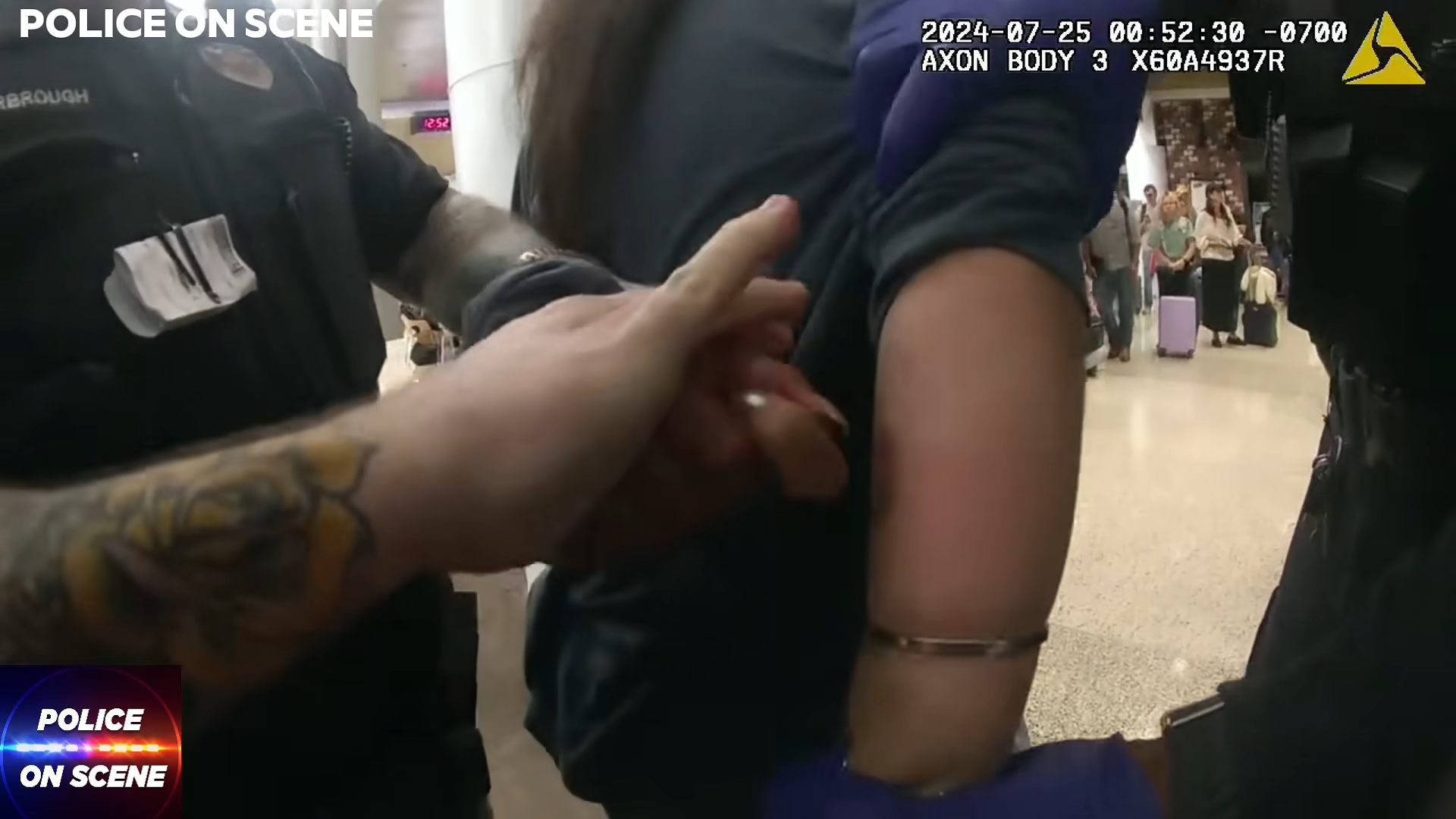
The body-worn camera footage captures an unvarnished lesson in the uncompromising nature of modern aviation security and criminal justice enforcement. From an initial attempt to sneak past gate attendants to shouting slogans about constitutional rights, the traveler’s refusal to accept commercial airline boundaries transformed a minor scheduling setback into a cascade of criminal charges. Instead of reaching her scheduled destination in Texas, her day ended in a county booking facility, underscored by the sobering realization that attempting to force one’s will against federal regulations and lawful police orders leads nowhere except behind bars.