The Studio Didn’t Want “Arnold From Happy Days” as Mr. Miyagi — Then Ralph Macchio Read With Pat Morita
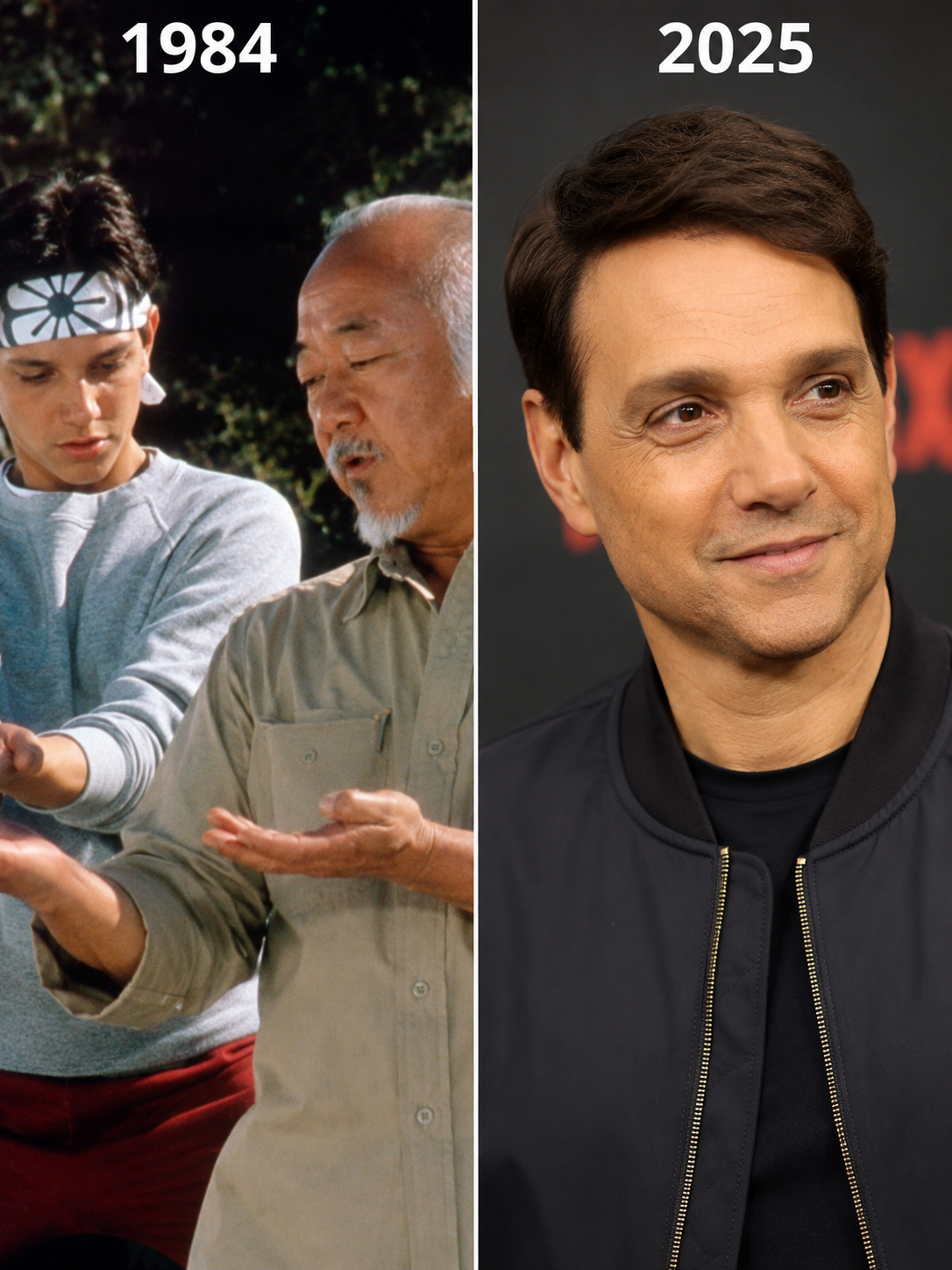
When Daniel LaRusso first meets Mr. Miyagi in The Karate Kid, neither of them looks like the beginning of one of the most beloved mentor-student relationships in movie history.
Daniel, played by Ralph Macchio, is a frustrated teenager struggling to fit into a new California life. Miyagi is the quiet maintenance man at his apartment complex, an older figure who seems more interested in bonsai trees and fixing things than becoming anyone’s martial-arts teacher.
Then Daniel discovers what Miyagi can do.
From there came “wax on, wax off,” the crane kick, the bonsai trees and a relationship that became the emotional center of the 1984 movie — and eventually of an entire franchise.
Today, Pat Morita feels inseparable from Mr. Miyagi.
But before he got the role, the people backing The Karate Kid were not convinced at all.
Morita was strongly associated with comedy, especially Arnold on Happy Days. Even Macchio’s first reaction was essentially the same question the studio was asking:
Arnold from Happy Days?
Director John G. Avildsen saw something the others had not yet seen.
So he put Morita and Macchio in a room together with the script.
What happened next began changing everyone’s mind.
Pat Morita Had the Wrong Image for the Part — At Least on Paper
By the time casting for Mr. Miyagi began, Macchio had already secured the role of Daniel LaRusso.
Finding Miyagi was another matter entirely.
The character could not simply be a martial-arts expert who teaches Daniel how to fight. Miyagi had to carry humor, sadness, authority and warmth. He needed to be believable as Daniel’s teacher while gradually becoming something much closer to family.
Morita, however, came with baggage that had nothing to do with his ability.
Audiences knew him as a comedian.
His recurring work on Happy Days had created a recognizable image, and that image was difficult for decision-makers to separate from the serious character they were trying to cast.
Macchio has remembered that the studio did not want Morita.
The producer was not interested either.
And Macchio himself initially understood the hesitation. When Morita’s name appeared, his reaction was basically disbelief that the funny man from Happy Days might become the wise, emotionally complicated Mr. Miyagi.
Avildsen was the person willing to look past that reaction.
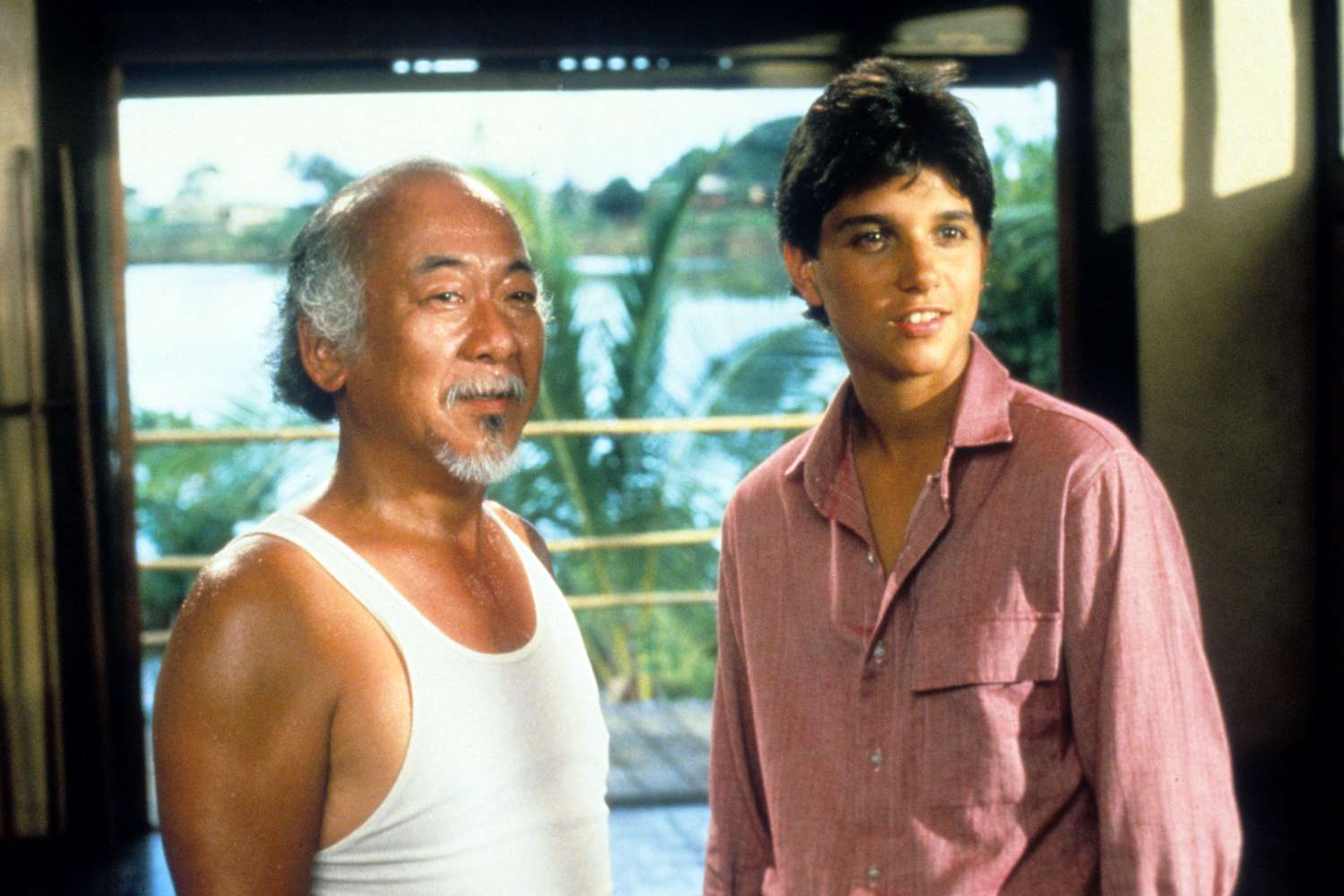
John G. Avildsen Had Already Seen Something Different
Avildsen had experience finding drama inside characters who could easily have been underestimated.
He had directed Rocky, another movie built around an unlikely central figure whose emotional life mattered as much as the physical competition surrounding him.
With Morita, Avildsen did not simply judge the actor by the television persona audiences already knew.
He read with him.
That was enough to make the director want to test the most important question of all.
Could this man become Miyagi when placed opposite Daniel?
Avildsen told Macchio that he had read Morita and wanted the two actors together.
There was no guarantee that the pairing would work.
Daniel and Miyagi needed an unusually delicate chemistry. If it felt artificial, much of The Karate Kid would collapse. The karate tournament might still deliver excitement, but the story underneath it would lose its heart.
So Macchio and Morita were put into a room.
They picked up the pages.
And then something happened that Macchio still remembered decades later.
The Moment They Started Reading, It Felt Effortless
The answer to the central question is remarkably simple:
Ralph Macchio and Pat Morita started reading the script together, and their chemistry appeared almost immediately.
Macchio later described the experience as effortless.
There was no long process of forcing a mentor-student rhythm into existence. No elaborate exercise was required to convince Macchio that the sitcom performer in front of him could become Miyagi.
Once Morita began reading the character, the comedy image started disappearing.
Macchio felt that Morita already had Miyagi inside him — in the way he thought about the character, carried himself and delivered the material.
And something equally important happened on Macchio’s side.
Daniel fit against that performance naturally.
One character was impatient, youthful and emotional. The other was controlled, measured and deceptively funny.
The contrast created balance.
Macchio would later describe what happened between them that day as the same kind of magic audiences eventually saw on screen.
Before the cars were waxed, before the fence was painted and before Daniel stood on one leg preparing the crane kick, Daniel and Miyagi already existed in that room.
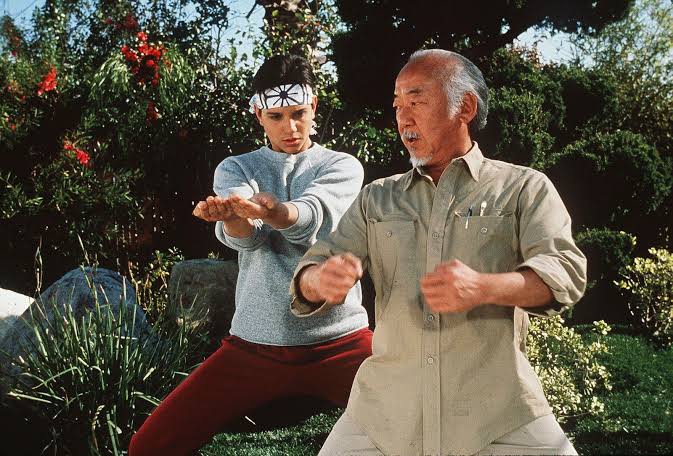
Morita Was Suddenly More Than “Arnold From Happy Days”
That reading began dismantling the biggest argument against Morita.
The problem had never been that he could not play Miyagi.
The problem was that people thought they already knew what kind of performer he was.
Once Macchio read opposite him, the distinction became impossible to ignore.
Morita could be funny without turning Miyagi into a sitcom character.
That quality ultimately became crucial to the movie. Miyagi’s humor rarely feels like someone stopping the story to deliver a joke. It comes from his personality, his patience and the way he allows Daniel to misunderstand what is happening until the lesson becomes clear.
He could also switch registers completely.
Behind Miyagi’s calm exterior was a much heavier personal history, giving Morita opportunities to reveal loneliness and pain without abandoning the character audiences had come to trust.
That range was precisely what a television label like “Arnold from Happy Days” failed to capture.
The reading with Macchio made it visible.
The Chemistry Became the Heart of The Karate Kid
Once Morita had the role, the connection discovered during that early reading had to survive an entire production.
It did.
Some of The Karate Kid’s most enduring scenes are not fights at all.
They are Daniel and Miyagi together.
Daniel complains about waxing cars and sanding floors, not realizing Miyagi is teaching him defensive movements. Miyagi demonstrates patience while Daniel races ahead emotionally. Their lessons gradually stop feeling like karate instruction and start feeling like a relationship being built.
The balance Macchio sensed during that first reading became the movie’s central emotional language.
Daniel brings movement.
Miyagi brings stillness.
Daniel wants immediate answers.
Miyagi makes him work before explaining the question.
And because Macchio and Morita could make that relationship believable, the climactic tournament mattered for reasons beyond who won.
The audience was invested in what Daniel had learned from Miyagi.
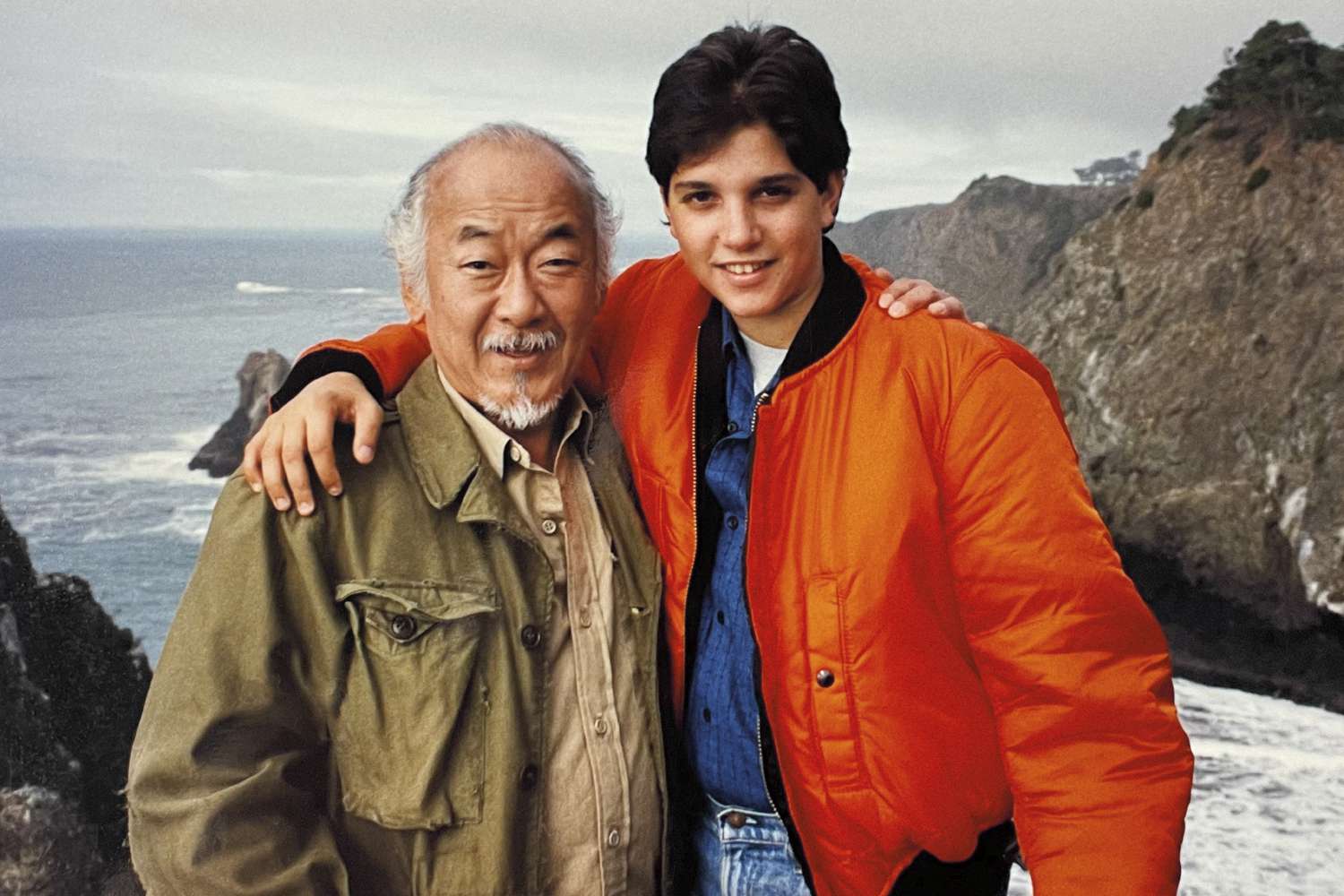
Decades Later, Macchio Still Saw That First Reading as the Beginning
The relationship between Daniel and Miyagi eventually outgrew the original 1984 movie.
They returned together in sequels, and decades later, Mr. Miyagi’s influence remained deeply embedded in Daniel’s story even after Morita was gone.
Macchio has continued to describe his work with Morita in almost spiritual terms — a kind of on-screen chemistry that neither actor could manufacture mechanically.
That is what makes the original casting fight so striking.
The studio saw the comedian from Happy Days.
Macchio initially saw him too.
John G. Avildsen asked them to stop looking at the résumé and read the pages.
Once they did, Macchio said it was effortless.
The Daniel-and-Miyagi magic audiences would still be talking about more than 40 years later was already there on the first day Ralph Macchio and Pat Morita sat down together with a script.