Fatal Florida Pedestrian Crash Leaves Police Sorting Through Conflicting Witness Accounts
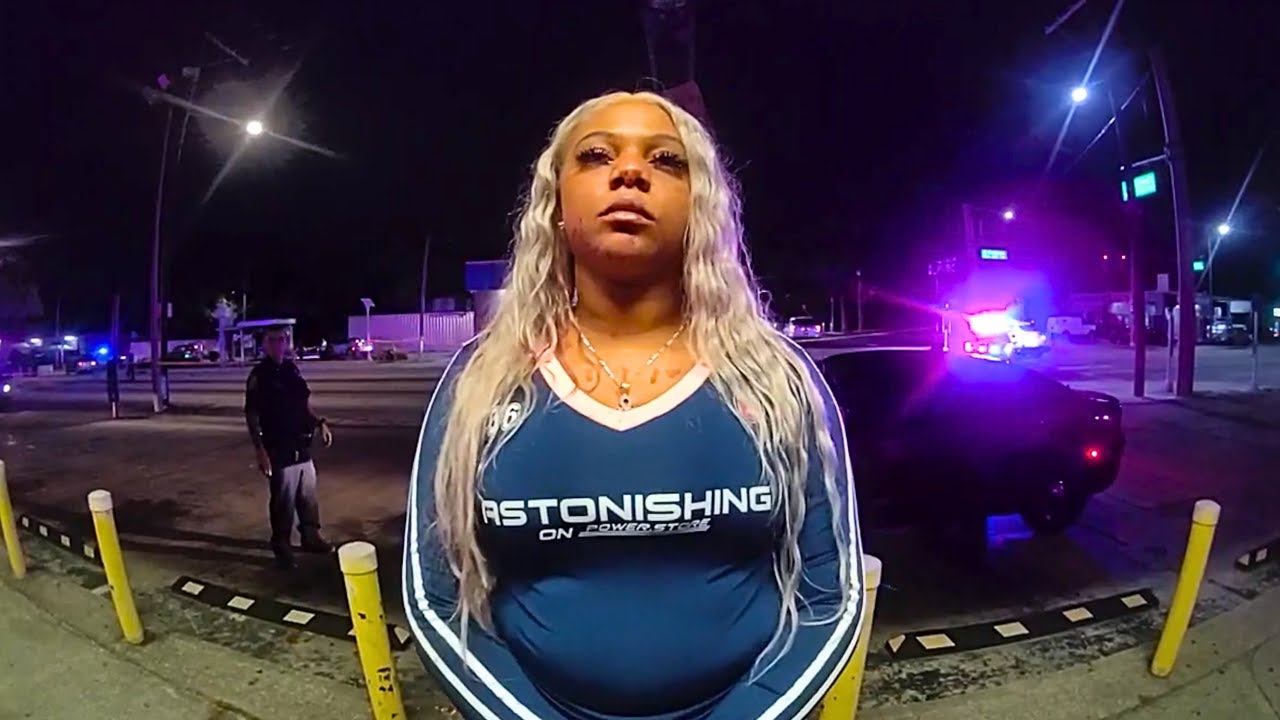
A nighttime drive turned deadly after a car struck and killed a pedestrian, leaving police to reconstruct a chaotic scene marked by conflicting witness accounts, questions about the driver’s condition and uncertainty over exactly how the man entered the roadway.
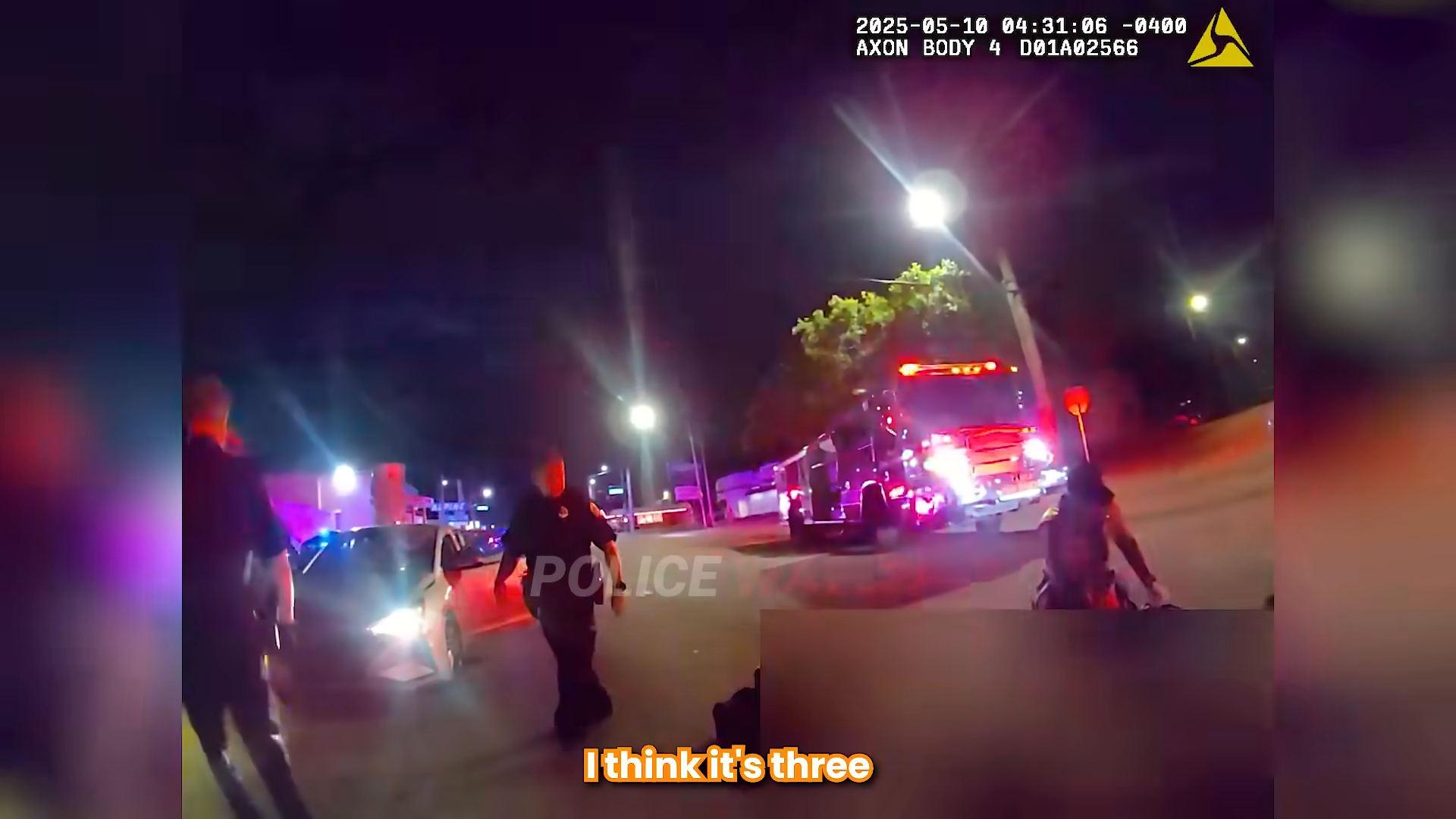
Body-camera footage from the investigation shows officers arriving to find several young women who had been inside the car, bystanders who had seen portions of the collision and a critically injured man lying in the road.
What initially sounded like a straightforward pedestrian crash quickly became more complicated.
Some witnesses said the man suddenly ran into traffic. Others described him crossing the street. One woman initially appeared to suggest that the victim had recently experienced personal problems, but later distanced herself from those comments. Meanwhile, the driver told officers she did not see the pedestrian until he was directly in front of her vehicle.
By the end of the investigation, authorities had charged the driver with DUI, driving without a license and vehicular manslaughter.
A Violent Impact and Confusion at the Scene
When officers arrived, the women who had been inside the vehicle were visibly shaken.
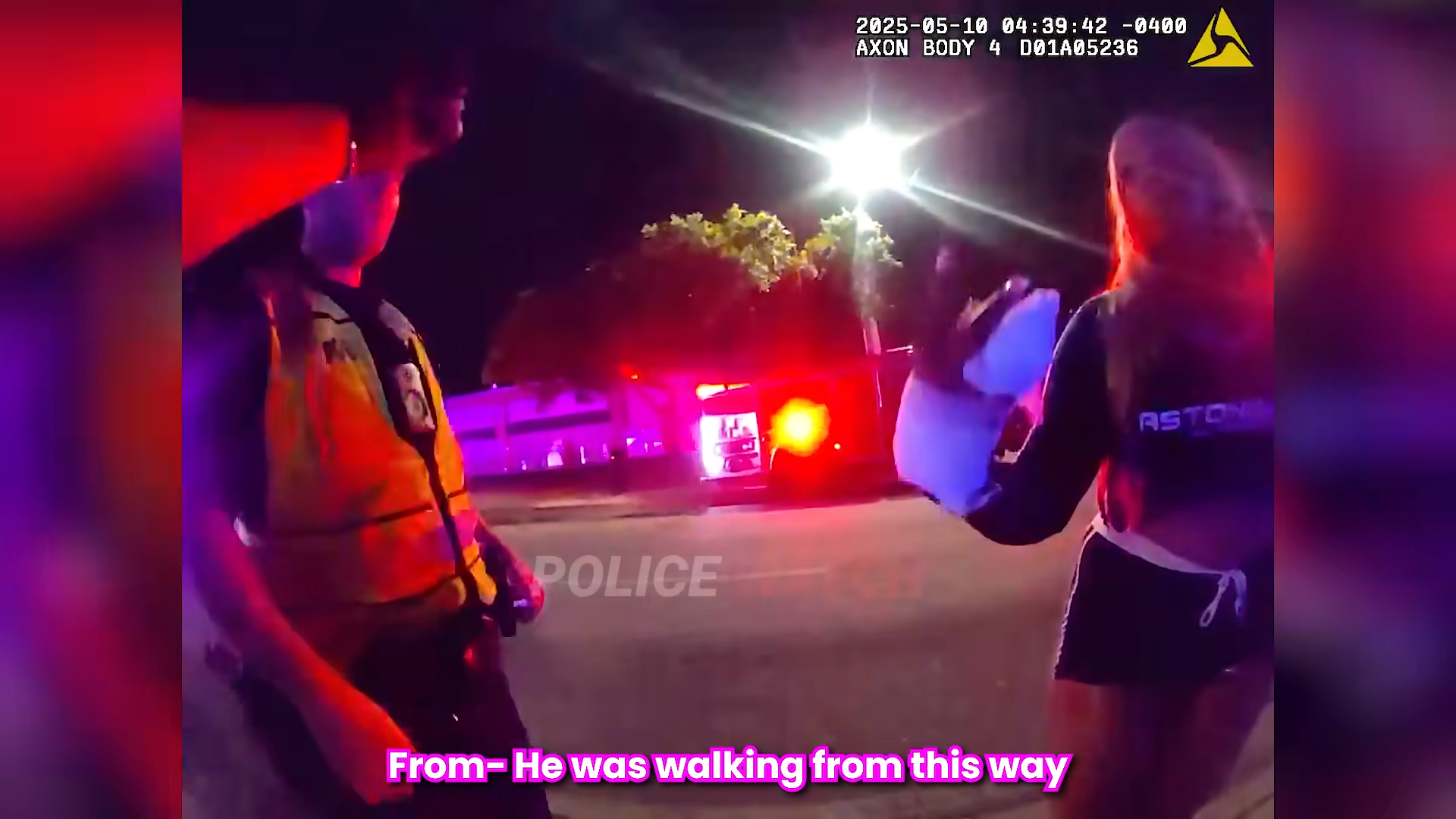
One passenger told police that the man “ran out in the middle of the street out of nowhere” before the car struck him. She said she did not know whether he had been drinking or what had caused him to enter the roadway. Other occupants complained of cuts caused by broken glass, including an injured hand and irritation around the face and lips.
A separate witness said she did not actually see the moment of impact but saw the pedestrian being thrown through the air after hearing the collision.
Another officer asked whether the car had been traveling fast, but the witness could not provide a clear estimate.
The accounts immediately presented investigators with a difficult problem: several people had seen different portions of the same event, but no single witness initially offered a complete picture.
Witnesses Describe the Pedestrian Differently
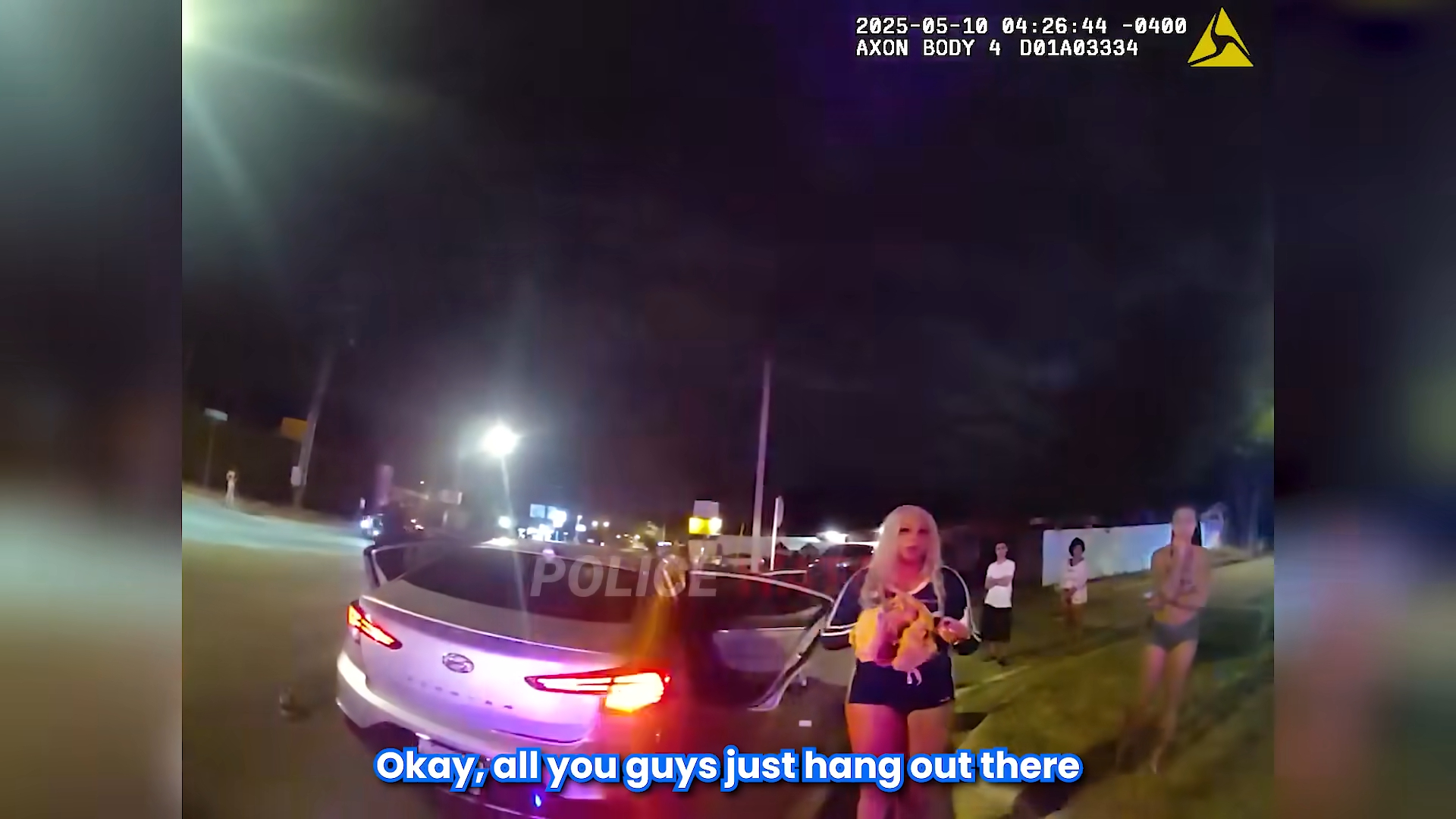
One woman at the scene told officers she had met the victim only a few weeks earlier.
She said she did not know him well and described him as someone she had seen drinking before. She denied being with him that night and repeatedly told police that they were not close.
But passengers from the crashed vehicle told officers that the same woman had made more specific statements immediately after the collision.
According to them, she had said the pedestrian was an alcoholic and had recently lost his animals. One passenger also said she was told he had made statements suggesting self-harm.
When police confronted the woman about those comments, she pushed back, saying she did not know what the others were talking about and emphasizing only that the man had been struck by a car.
That inconsistency caught officers’ attention.
One investigator later summarized the problem: the woman appeared to be “recanting” what the passengers said she had told them.
For police, the conflicting statements mattered because they could affect how investigators interpreted the pedestrian’s movement into the road — whether it was accidental, sudden, deliberate or simply misunderstood by people reacting to a traumatic scene.
Passengers Say the Car Was Not Speeding
The women inside the vehicle generally described the car as traveling at a moderate speed.
One passenger estimated approximately 25 to 30 mph. Another suggested it may have been closer to 30 or 40 mph.
They said the pedestrian appeared with almost no warning.
One passenger described the moment as so sudden that it seemed as though he had been waiting near the roadway before stepping into the car’s path.
The driver gave a similar account.
She told police that she had been traveling around 28 to 30 mph in an area where her GPS indicated a 35 mph speed limit.
When asked when she first saw the pedestrian, she said she did not notice him until he was directly in front of the car.
“Honestly, truthfully, I did not see him until he was directly in front of my car,” she told the detective.
She could not say whether he had been running or walking.
Driver Says Visibility Was Limited
The driver also raised concerns about the condition of the vehicle itself.
She told investigators the headlights were dim and said she could only see clearly what was immediately ahead of her.
According to her statement, the first recognizable details she saw were the man’s shirt and shorts moments before impact.
She said she immediately hit the brakes.
But she also acknowledged that the brakes were not functioning perfectly, describing them as “fuzzy” and saying they could skip when pressed too quickly.
After the collision, she said she went into shock.
Her younger sister exited the vehicle first. The driver then got out and approached the pedestrian, checking whether he was responsive and noticing that he was still breathing.
The passengers described panic and confusion as they tried to understand what had happened.
Police Begin Examining the Driver for Impairment
As the crash investigation continued, officers began focusing more closely on the driver.
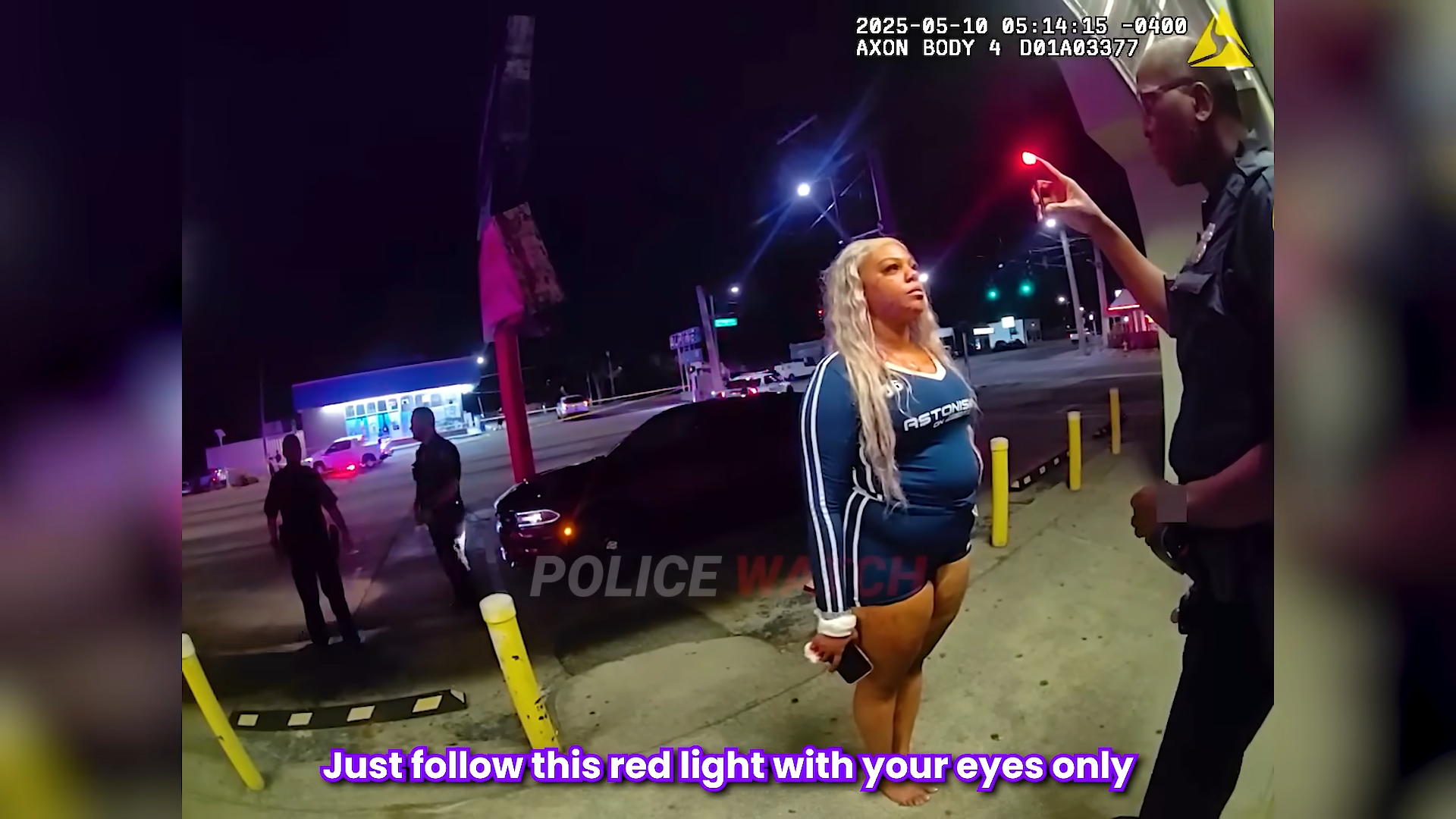
One officer told her that although she denied drinking alcohol or taking medication, he observed indicators that led him to conduct field sobriety exercises.
The driver warned officers that she had a longstanding ankle problem from a childhood skateboarding injury that could affect her balance.
She nevertheless participated in the exercises, including a walk-and-turn test and a one-leg stand.
Afterward, police told her she was being detained while detectives continued investigating the fatal collision.
The driver was later advised of her rights and formally interviewed about the crash.
Police Confirm the Pedestrian Died
As officers worked the scene, family members of the driver arrived.
An officer explained that investigators were reconstructing the crash because the pedestrian had died.
“The person’s dead,” the officer told them.
He emphasized that police were trying to determine exactly what the driver had seen, how the pedestrian entered the roadway and why the witness descriptions differed.
At that stage, the victim had not yet been identified, according to officers at the scene.
The area remained secured while investigators documented the roadway, interviewed witnesses and compared statements.
Driver Faces Serious Charges
The body-camera footage ends with the legal consequences of the investigation.
According to the case summary, the driver was charged with DUI, driving without a license and vehicular manslaughter.
The footage does not provide the final disposition of those charges, so it does not establish whether she was ultimately convicted.
What it does show is how quickly a fatal crash investigation can become complicated when eyewitnesses remember the same event differently.
Some said the pedestrian ran suddenly into the road.
Others described him crossing.
The driver said she never saw him until impact was unavoidable.
And a witness who was said to have offered a possible explanation for the man’s actions later backed away from parts of that account.
For investigators, the challenge was not simply determining that a car had struck a pedestrian.
It was determining why — and whether the evidence supported criminal responsibility for a night that ended with one man dead and a driver facing some of the most serious charges possible after a traffic collision.