Wesley Snipes Became a Marvel Legend With Blade — 5 Facts That Make His Action Career Even More Impressive
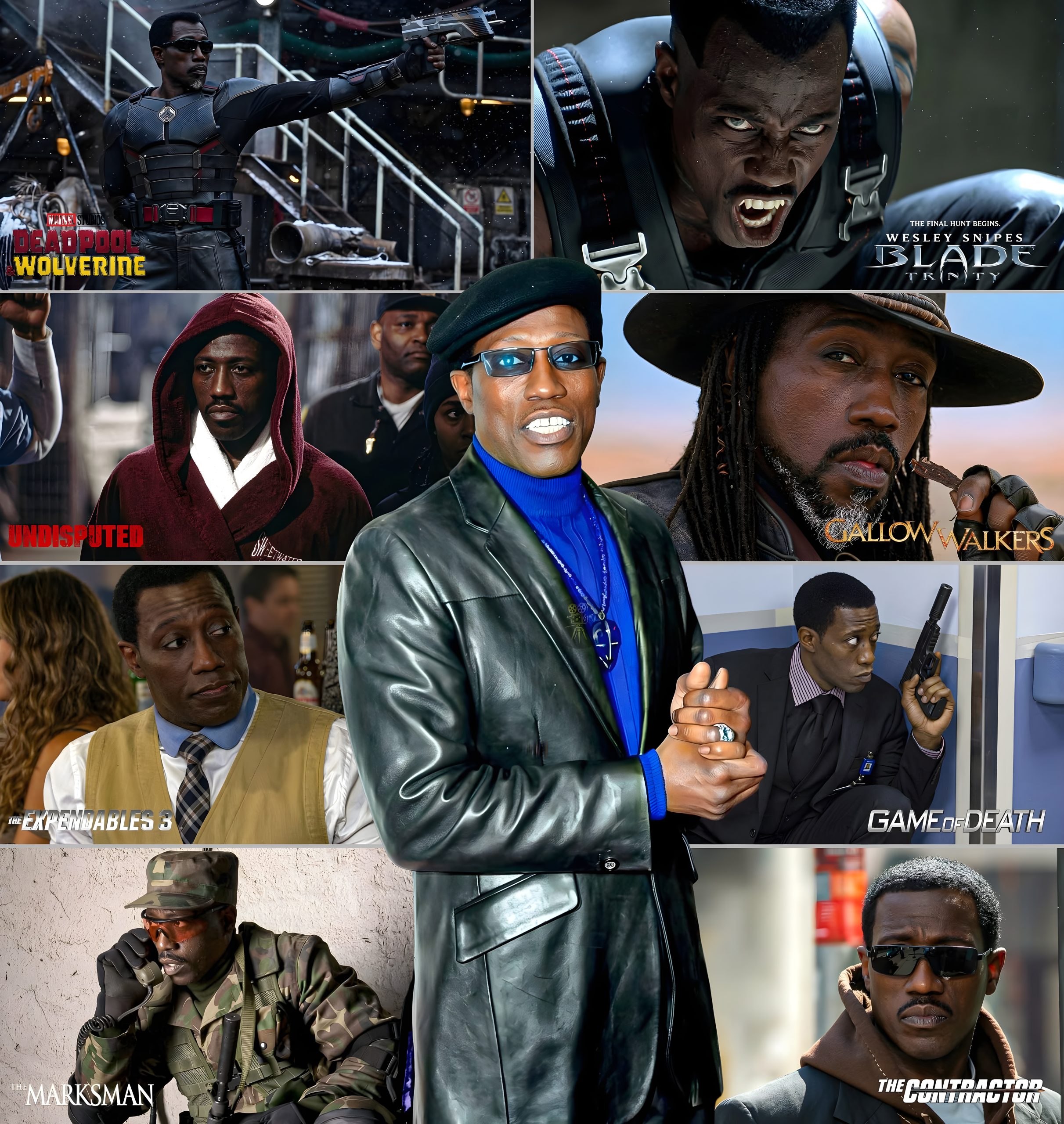
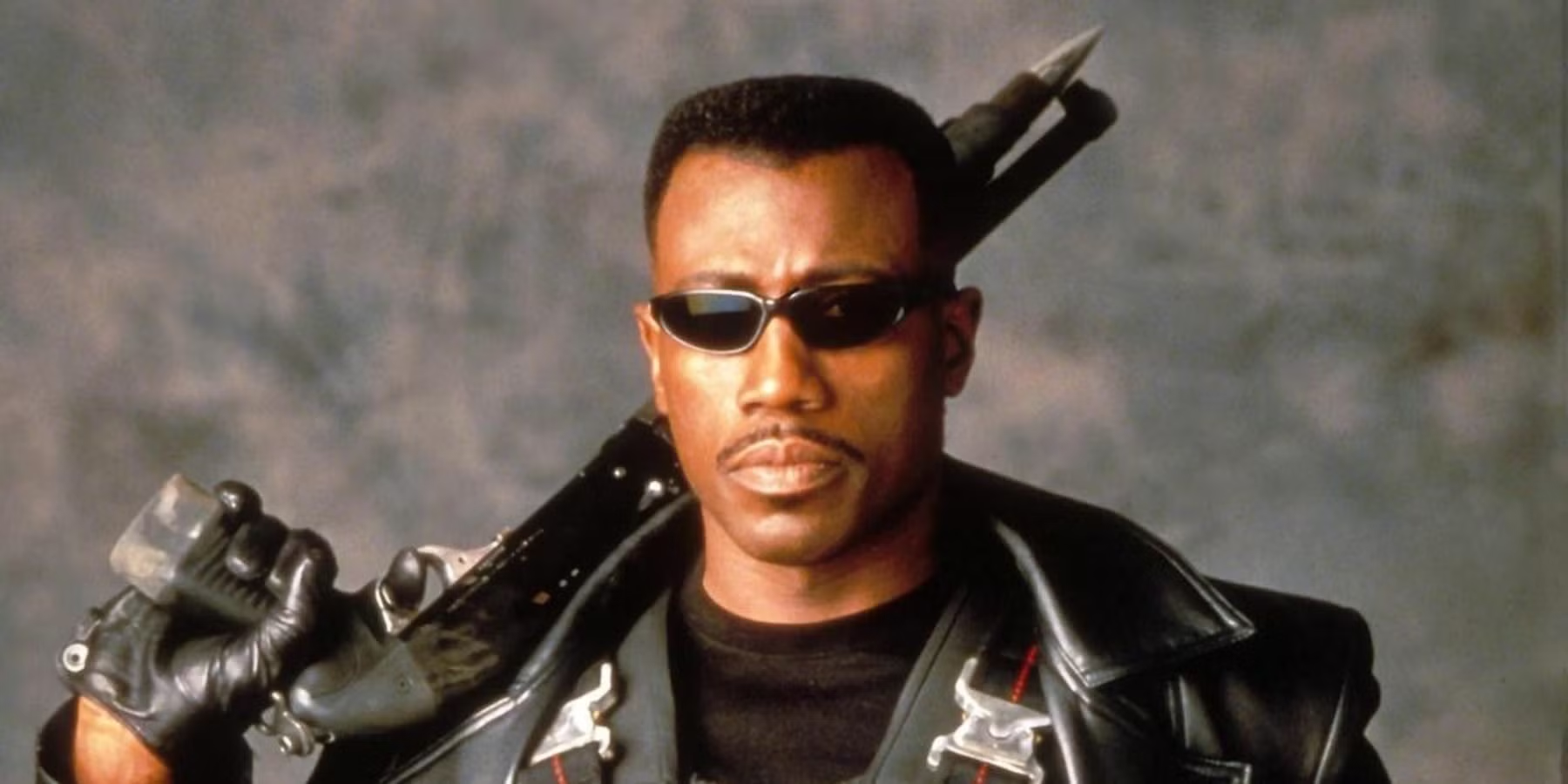
Long before superhero movies became Hollywood’s most dependable blockbusters, Wesley Snipes walked onto the screen dressed in black, carrying a sword and playing a Marvel hero unlike almost anything audiences had seen before.
As Blade, the half-human, half-vampire hunter often called the Daywalker, Snipes helped turn a relatively unfamiliar comic-book character into an action-movie icon.
Decades later, his association with the character remains so enduring that it has now entered the record books.
But Blade is only part of what makes Snipes’ career unusual.
Behind the sunglasses and carefully choreographed fight scenes was an actor with genuine martial arts training, years of physical preparation and an action résumé that extended far beyond Marvel.
Here are five facts that help explain why Wesley Snipes became one of the most distinctive action stars of his generation.
1. His Blade Career Earned Him Two Guinness World Records
Few actors get to return to a superhero character after such a long absence.
Snipes did — and the comeback resulted in two remarkable records.
His long history playing Blade earned him Guinness World Records for both the longest career as a live-action Marvel character and the longest gap between appearances as a live-action Marvel character.
It is an extraordinary bit of longevity for a role that began years before the Marvel Cinematic Universe turned interconnected superhero movies into a worldwide phenomenon.
For longtime fans, the records also confirm something they already knew: Blade and Wesley Snipes have remained unusually difficult to separate.
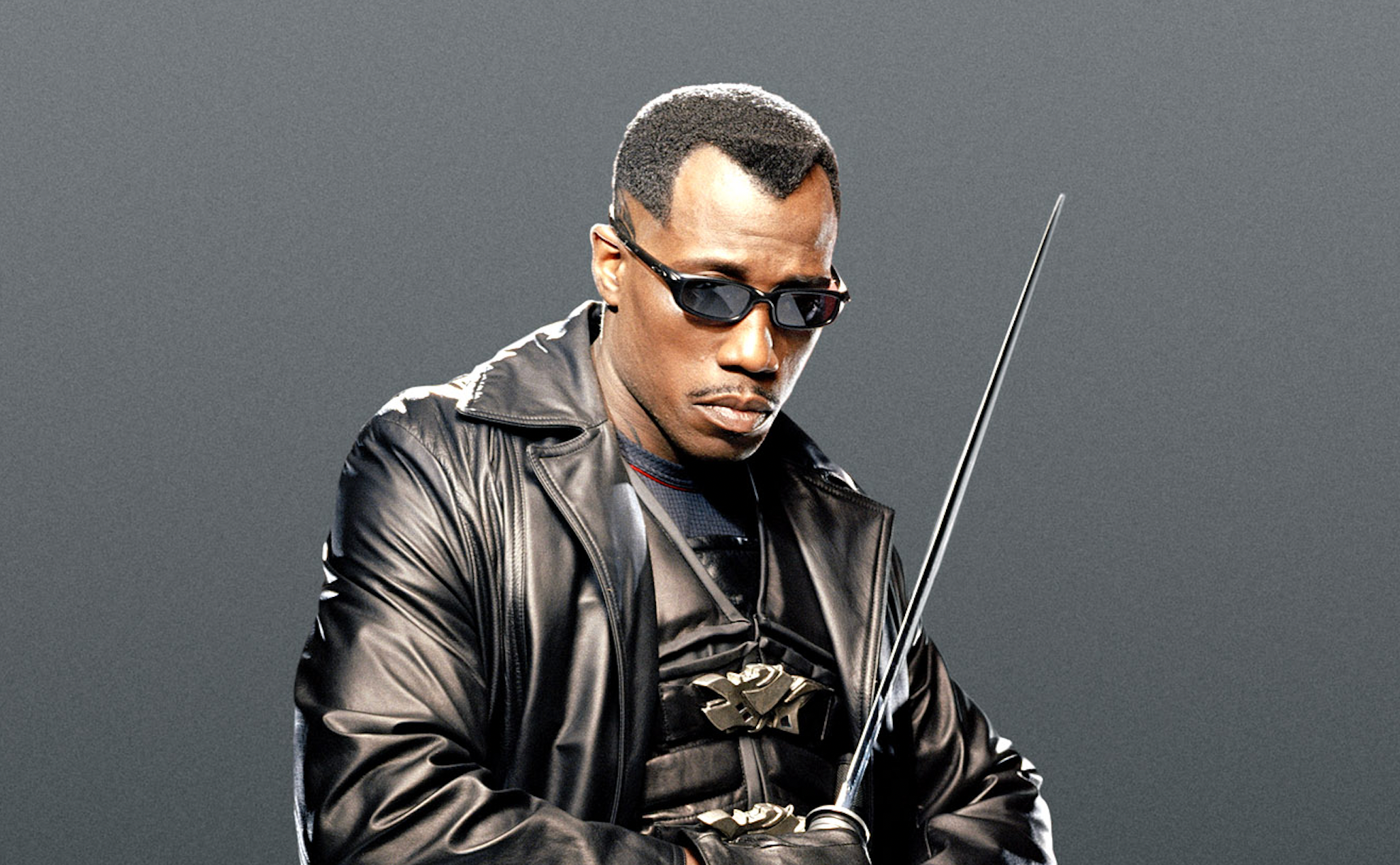
The leather coat, sunglasses, sword fighting and controlled intensity became part of the character’s cinematic identity.
Decades later, audiences still immediately associate Blade with the man who helped establish him on the big screen.
2. Wesley Snipes Is a Real Martial Artist
The fighting ability audiences saw in Snipes’ movies was not created entirely through camera angles, stunt doubles and editing.
Snipes has extensive martial arts training in real life.
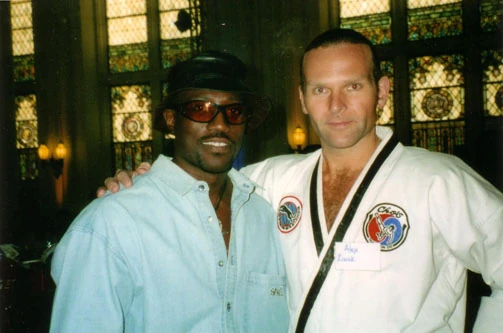
He holds a fifth-degree black belt in Shotokan Karate, an achievement representing years of serious training and discipline.
That alone would set him apart from many Hollywood action performers.
But Karate is not his only martial art.
His background gave Snipes something that directors cannot easily manufacture: genuine understanding of movement, timing, balance and fighting technique.
That authenticity became especially valuable when he began taking on characters whose physical ability was central to their identity.
Blade was perhaps the perfect example.
The character needed to look dangerous before he even attacked. Snipes’ real training helped sell that idea.
3. He Also Holds a Second-Degree Black Belt in Hapkido
Snipes’ martial arts résumé goes beyond Shotokan Karate.
He also holds a second-degree black belt in Hapkido, adding another discipline to the physical foundation behind his action career.
Hapkido incorporates a variety of techniques and movements, and Snipes’ experience with multiple martial arts helped give him a much broader physical vocabulary as a performer.
That matters when looking back at his movies.
Rather than appearing like an actor who had memorized a fight sequence immediately before filming, Snipes often moved with the comfort of someone who had spent years learning how his body should respond.
For audiences, the technical details may not always have been obvious.
The result was.
When Snipes fought onscreen, the action frequently looked fast, controlled and convincing — exactly what characters such as Blade required.
4. Blade Became an Important Movie in Marvel’s History
It is easy to look at Marvel today and forget how different the landscape of comic-book movies once was.
When Snipes became Blade, superhero cinema had not yet reached the era of enormous interconnected franchises that audiences would later know.
The success of Blade therefore carried significance beyond one actor or one character.
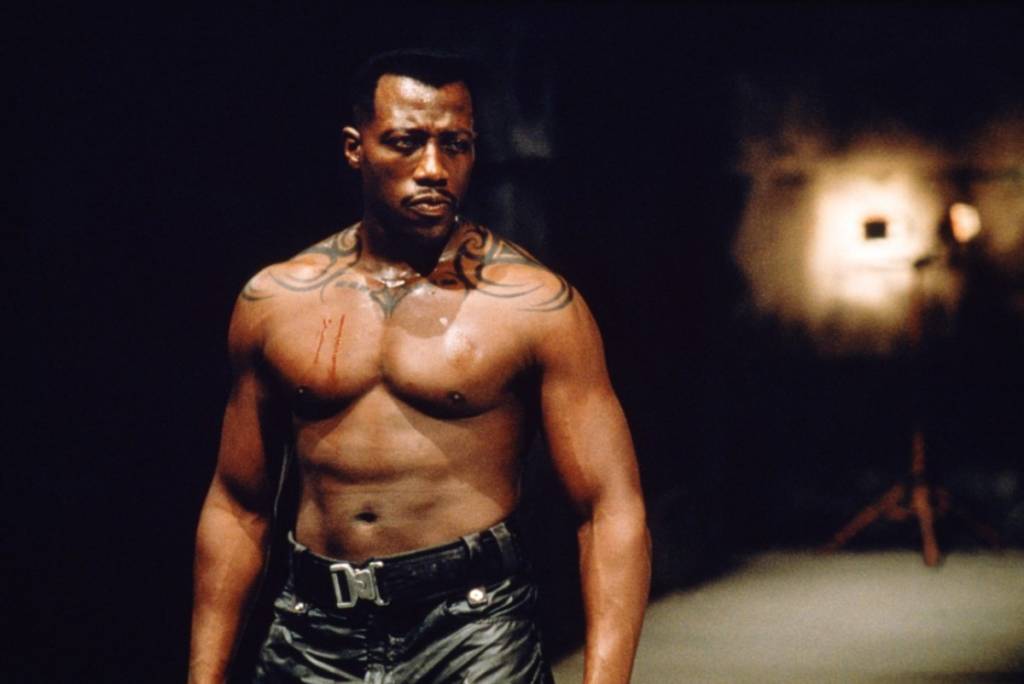
The film is widely credited with helping prove that a Marvel character could support a successful major movie, while its violent action and darker tone demonstrated that superhero material did not have to follow one particular formula.
For Snipes, it created the defining role of his career.
For Marvel, Blade became part of the early evidence that its comic-book characters could have a powerful life on the big screen.
That makes Snipes’ place in Marvel history especially interesting.
He was fighting vampires on movie screens years before many of the heroes who would eventually dominate modern superhero culture had launched their own successful film franchises.
And unlike the family-friendly direction associated with many later superhero movies, Blade embraced an R-rated identity.
Its success showed that comic-book adaptations could reach audiences through darker, more adult-oriented action as well.
5. Snipes Was Heavily Involved in His Own Action Scenes
Knowing Snipes’ martial arts background makes another part of his career considerably less surprising.
According to accounts of his action work, Snipes performed nearly all of his own stunts and fight choreography in movies including Blade, Undisputed and The Contractor.
That physical involvement became part of what separated him from performers who relied more heavily on doubles for complicated fight sequences.
In Blade, especially, the difference mattered.
The character’s fighting style was not simply an occasional addition to the story. Combat was central to who Blade was.
Audiences needed to believe that this man had spent his life hunting supernatural enemies considerably stronger than ordinary humans.
Snipes’ martial arts experience helped make that believable.
The same physical confidence followed him into other action roles.
In Undisputed, his character entered the brutal world of prison fighting. In later action projects, Snipes continued to bring the physical presence audiences had come to expect from him.
That consistency helped build a career in which viewers did not merely associate Snipes with action movies.
They associated him with actually knowing how to fight.
More Than the Man Behind the Sunglasses
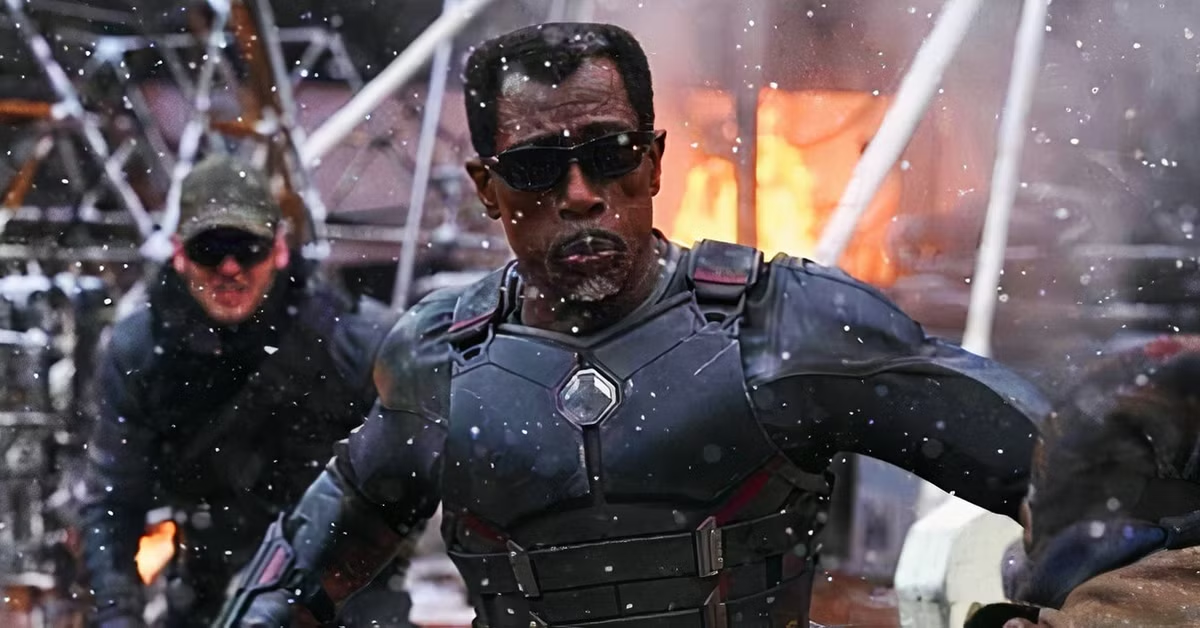
For many movie fans, Wesley Snipes will always be Blade first.
That is understandable.
The Daywalker became one of those rare movie characters whose appearance, movement and personality became closely connected to a single performer.
But the story behind the character makes Snipes’ performance even more interesting.
He wasn’t simply wearing the costume of a martial arts expert.
He had spent years becoming one.
He wasn’t merely standing aside while others created every fight.
His own physical abilities helped shape the action audiences saw.
And he wasn’t simply starring in another superhero movie.
Blade arrived at a time when Marvel’s future on the big screen looked very different from what it would eventually become.
Now, decades after Snipes first stepped into the role, two Guinness World Records have added another chapter to that history.
The records recognize his longevity.
His martial arts background explains the authenticity.
And the enduring popularity of Blade explains why, after all these years, many fans still hear the name “Daywalker” and immediately think of Wesley Snipes.