Illinois Man Confesses to Killing Wife, Drives With Her Body for Hours Before Friend Calls Police
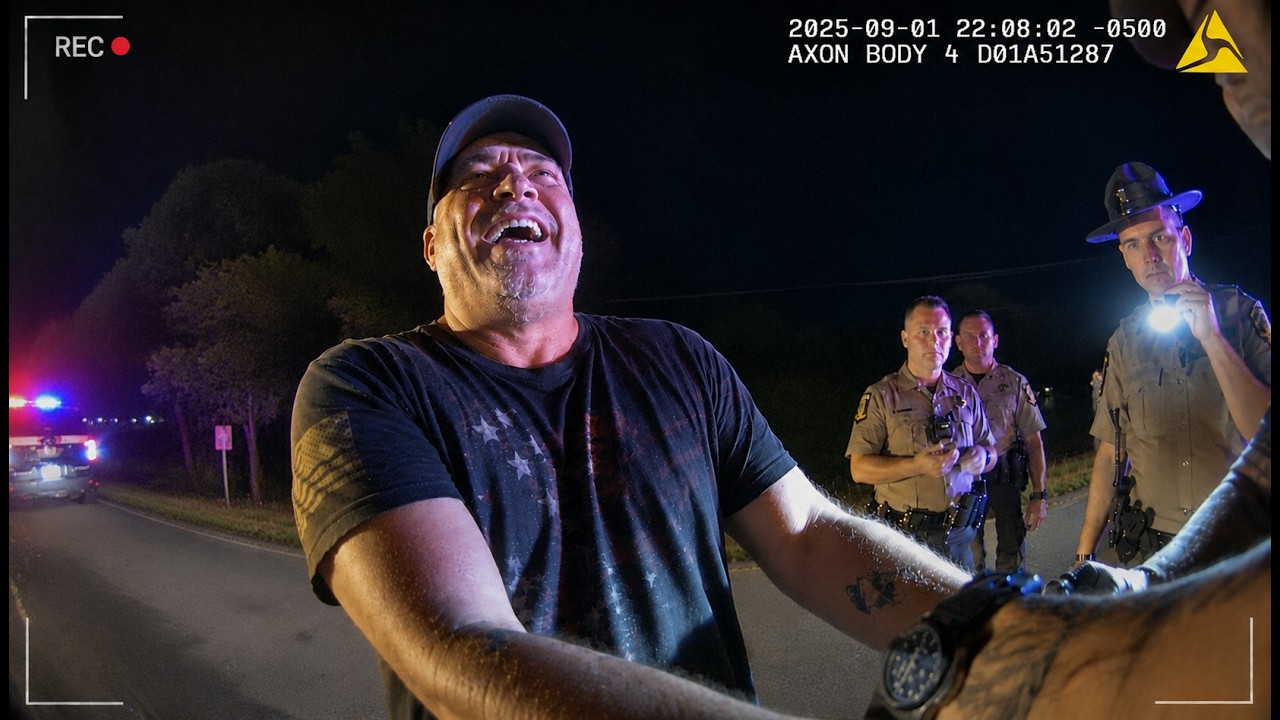
A disturbing murder investigation in Southern Illinois began not with a 911 call from the crime scene, but with a frightened friend who said a longtime acquaintance arrived at his home and confessed to killing his wife.
According to body-camera footage and the case summary, the man told his friend that he had shot his wife the previous night, placed her body in the back of his vehicle and spent hours driving around without knowing what to do.
The friend, unsure whether the suspect was still armed, tried to remain calm.
Then he contacted law enforcement.
That decision set off a multi-agency investigation that ended with deputies stopping the suspect on a dark rural road, recovering the victim’s body from his vehicle and obtaining detailed confessions.
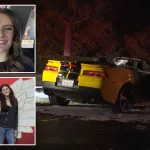
The victim was later identified as 42-year-old Amy Jo Finney.
Her husband was ultimately convicted of first-degree murder and sentenced to 75 years in prison.
A Friend Hears a Confession He Never Expected
The case began when a man told deputies that his longtime friend had unexpectedly arrived at his home.
The visitor appeared heavily intoxicated and asked to come inside.
Once inside, he made a statement that stunned his friend.
“I shot my wife last night,” he said, according to the witness.
He then allegedly described shooting her through the heart and said she had died in the kitchen.
At first, the friend did not believe him.
Then the man took him outside and showed him a body in the back of his vehicle.
The witness recognized the woman as Amy Finney.
He told deputies the body was covered with a dark blanket and positioned in the rear hatch area. Only her head was uncovered, but he said he knew immediately who she was.
The suspect then reportedly asked his friend not to turn him in.
“What do I do?” he repeatedly asked.
The friend said he pretended not to know how to respond because he was afraid the man might still have a gun.
Once he was safe, he contacted police.
Police Begin Searching for the Vehicle
Officers quickly began looking for a vehicle matching the description provided by the witness.
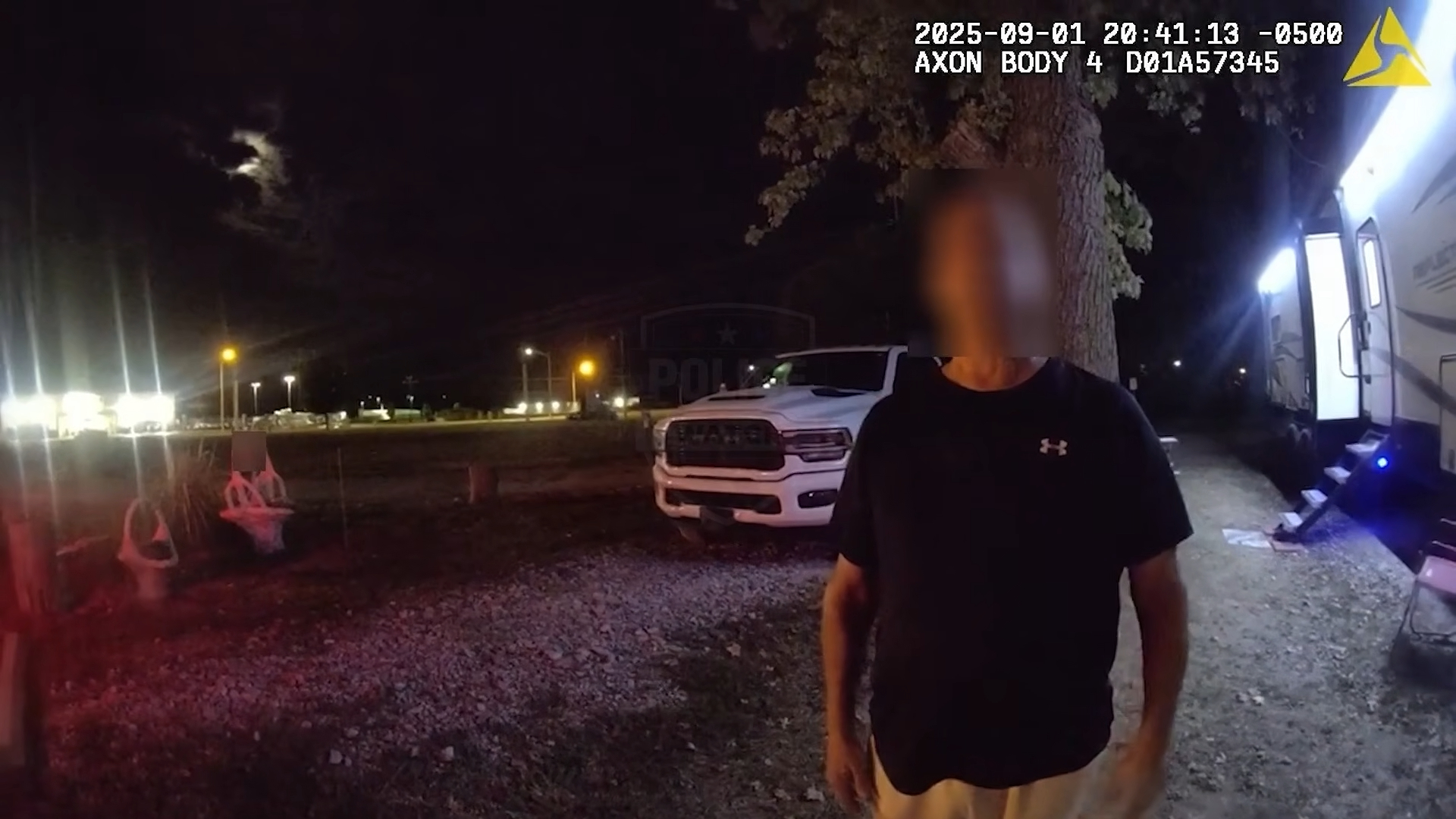
At one point, police stopped a similar vehicle near an RV park, but quickly determined the driver was not the person they were looking for and allowed him to leave.
Meanwhile, investigators continued gathering details from the friend.
He told officers he had known the couple for years and had known the husband since they were about 19 or 20 years old.
According to the friend, the suspect said he had been considering what to do with the body and mentioned Rend Lake, a large recreation area in Southern Illinois.
That comment raised concerns that he might attempt to dispose of Amy’s body before police could find him.
Deputies eventually obtained a location ping associated with the vehicle and moved to intercept it.
Evidence at the Home Supports the Friend’s Story
While one team searched for the suspect, another began examining the couple’s residence.
The friend had said the shooting occurred in the kitchen after a day of arguing.
According to information relayed among officers, the suspect allegedly said he had used a 9mm Smith & Wesson, shot his wife and later moved her body from the house into his vehicle.
Investigators secured the residence.
Initially, officers reported seeing nothing obvious inside.
Then they discovered what appeared to be blood on the front porch.
The pieces were beginning to align with the account given by the friend.
Police now had a reported confession, a possible crime scene and a suspect driving somewhere in the region with what they believed was the victim’s body.
Deputies Stop the Suspect on a Rural Road
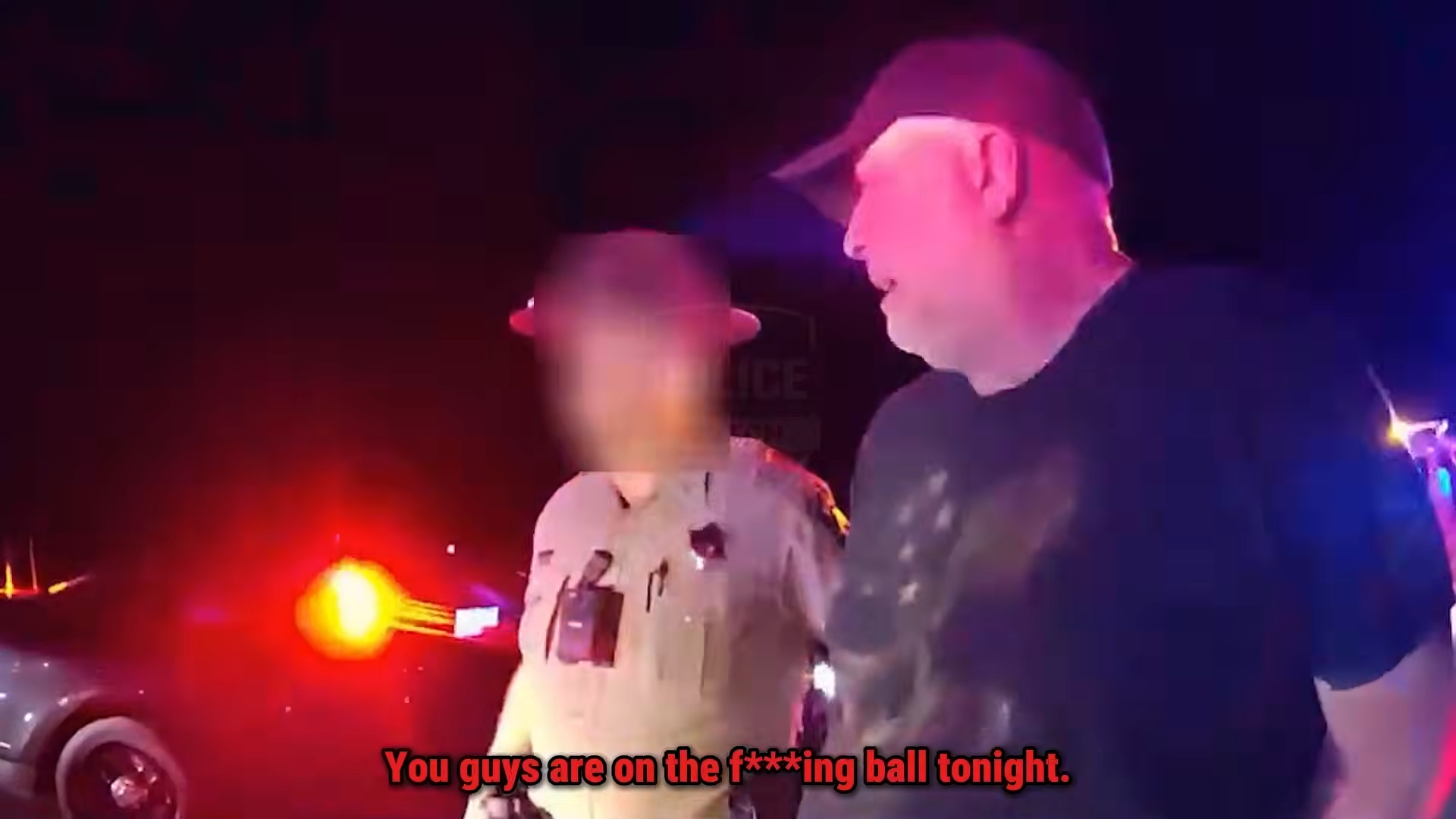
Law enforcement eventually located the vehicle and conducted a stop outside DuQuoin.
The suspect was taken into custody without the kind of violent confrontation officers might have feared.
What stood out in the footage was his demeanor.
He appeared calm.
He spoke casually with deputies and investigators.
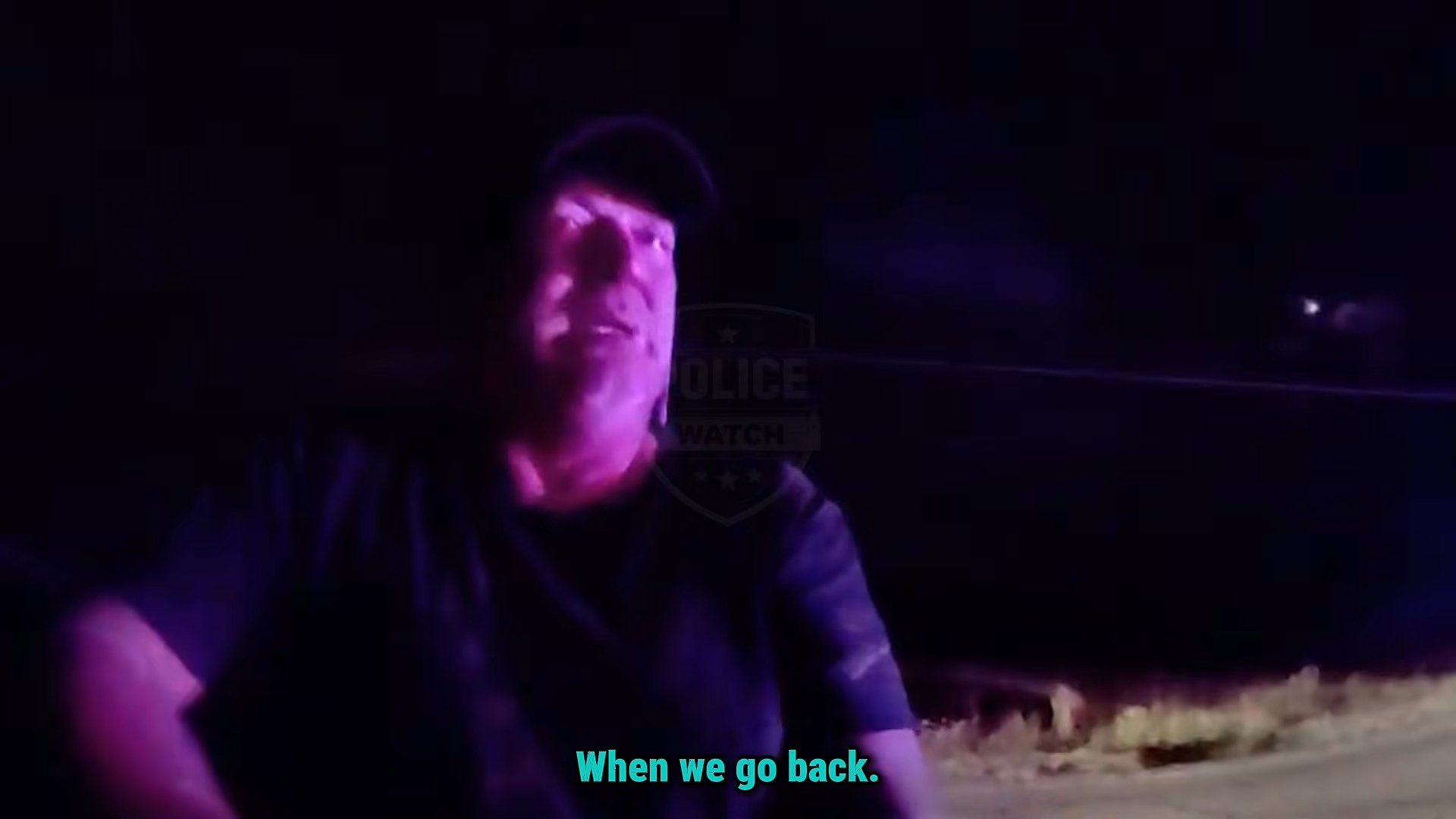
After being advised of his rights, he began giving a detailed account of what had happened.
He told detectives that he and Amy had been arguing throughout the day.
Both had been drinking, he said.
According to his statement, Amy made a remark during a phone conversation that angered him.
He said that comment “set me off.”
Then he admitted retrieving his 9mm handgun and shooting her.
The suspect told detectives that the shooting happened Sunday night at their home.
He described the relationship as difficult and said there had been previous domestic conflicts.
But his explanation did not end with the shooting.
“Shot Her, Then I Went to Sleep”
One of the most chilling parts of the confession came when detectives asked what he did afterward.
“Shot her, then I went to sleep,” he said.
He told investigators that he remained in the house for hours.
At approximately 4 a.m., he said, he moved Amy’s body into his vehicle.
He then drove around.
When asked where he was going, he said he had no particular destination.
“I was just cruising around,” he told detectives.
“I didn’t know what to do.”
According to the closing case summary, phone data later supported that timeline, showing him moving through rural roads for hours with Amy’s body in the vehicle.
Detectives Recover the Weapon
During questioning, detectives asked where the gun was.
The suspect said it was still at his home.
When asked whether police could retrieve it, he initially reacted by noting that the firearm was one of his favorites and worth about $500.
He ultimately indicated that officers could take the weapons from the residence.
Investigators nevertheless planned to obtain formal search warrants for both the house and the vehicle to protect the integrity of the case and avoid later disputes about the admissibility of evidence.
The 9mm handgun was later recovered.

Jury Convicts Him of First-Degree Murder
The prosecution eventually took the case to trial.
According to the footage’s final summary, Amy Jo Finney was 42 when she was killed at the couple’s home on Illinois Highway 148 south of Mount Vernon.
Her husband was charged with first-degree murder.
He pleaded not guilty and went to trial.
The trial lasted four days.
His defense called no witnesses, and he did not testify.
The jury deliberated for approximately three and a half hours before convicting him and finding that a firearm had been used.
The judge sentenced him to 75 years in prison, to be served in full.
The case might have ended differently if the suspect had managed to dispose of the body before police located him.
Investigators themselves acknowledged the importance of the deputies who stopped the vehicle before that could happen.
But the crucial first step came from someone who was not wearing a badge.
It came from a longtime friend who listened to a confession, pretended to remain supportive long enough to stay safe — and then made the call that brought police into the case.
That phone call turned one man’s horrifying story into a murder investigation, preserved critical evidence and ultimately helped lead to a 75-year prison sentence.