Four Children Allegedly Lived Inside a Semi-Truck for More Than Six Years — How Did Nobody Stop It?
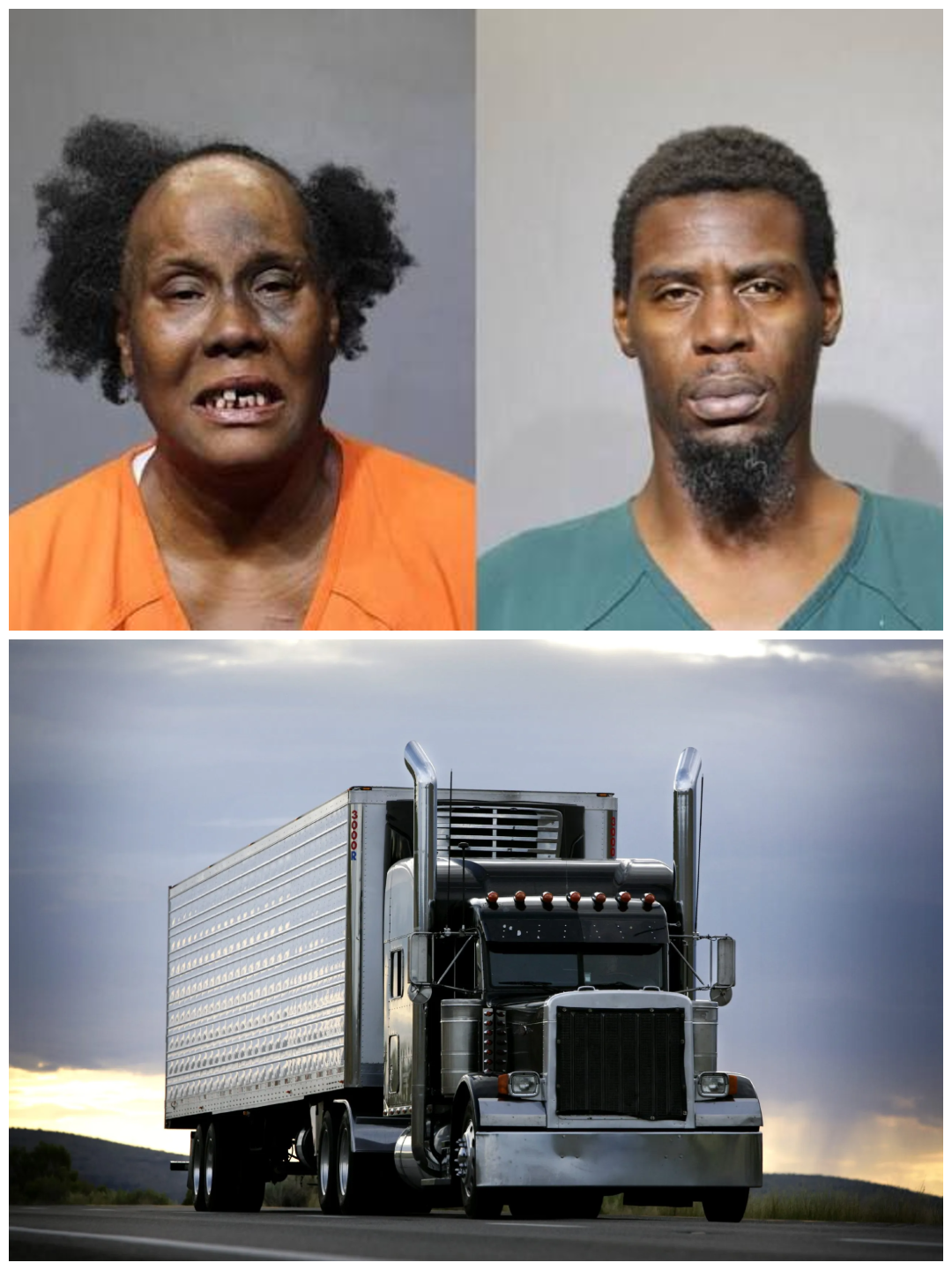
The truck was not hidden in an isolated compound.
It allegedly traveled repeatedly between Atlanta and Miami, stopping throughout Florida, including Orlando.
Yet prosecutors say four children spent more than six years living inside its sleeper cab — rarely experiencing anything resembling a normal childhood.
They allegedly did not regularly attend school.
They were denied adequate medical and dental care.
They shared a single bunk, lacked proper hygiene and suffered injuries that went untreated.
And authorities say two of the children were sexually abused for years inside the same moving truck.
Now Florida officials are promising the harshest punishment available as investigators confront one of the most troubling questions surrounding the case:
How could something this severe allegedly continue for more than six years while the truck traveled through multiple communities and across state lines?
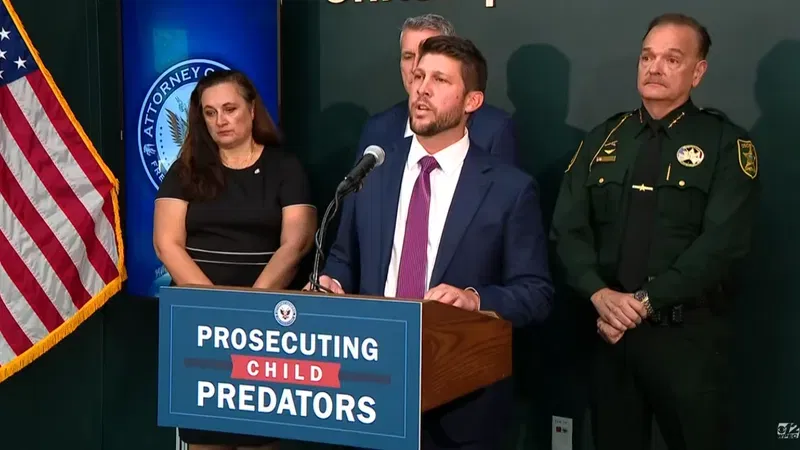
Florida Attorney General James Uthmeier has charged Keysha Monique Epps, 51, and Tamra Marshon Stewart, 37, in connection with what he called a “rolling prison.” His office says the investigation remains active and additional charges could still be filed.
Authorities Say the Children Lived in the Truck From 2020 to 2026
According to the Florida Attorney General’s Office, Epps worked as a commercial truck driver while she and Stewart served as primary caregivers for four children.
Investigators say that from January 2020 through April 2026, the children lived with them in the sleeper portion of Epps’ semi-truck.
Her routes frequently ran from Atlanta to Miami, with stops elsewhere in Florida.
Inside the cab, prosecutors say all four children were required to share one bunk.
They allegedly lacked sufficient food, hygiene, education and medical care. Two children suffered burns that authorities say were left untreated and eventually caused significant scarring.
But those conditions represent only one part of the accusations.
The two girls later reported years of sexual abuse by Stewart, according to investigators.
The two boys allegedly witnessed some of that abuse and told authorities they were beaten after confronting Stewart and reporting what they had seen to Epps.
Prosecutors allege Epps knew about the abuse but neither stopped it nor reported it.
One child was diagnosed with a sexually transmitted infection after leaving the pair’s custody. Authorities also say Stewart admitted during a post-Miranda interview to three sexual batteries involving one of the girls, including an alleged offense in Orlando.
Both defendants are accused, not convicted, and the allegations will have to be proven in court.

The Children Were Allegedly Removed From Ordinary Life
Perhaps the most important clue to understanding how the situation could remain hidden is not where the truck traveled.
It is what the children allegedly did not do.
Investigative records cited in reporting indicate the children had gone years without attending conventional school.
They allegedly went without routine medical or dental care as well.
Those absences matter because schools, doctors, nurses, dentists and other professionals often become some of the most consistent outside adults in a child’s life.
A child who is not regularly appearing in those environments can become far harder for outsiders to observe.
Authorities have not announced that any single school system, medical provider or government agency had enough information to discover the alleged abuse earlier.
There is also no public evidence establishing that one specific institution knowingly overlooked the situation.
That distinction is important.
The fact that the case lasted for years naturally raises questions about missed opportunities, but investigators have not yet released a complete timeline explaining every point at which the children might have come into contact with outsiders.
The Truck’s Mobility May Have Made the Picture Even More Complicated
The alleged living arrangement was highly unusual.
There was no traditional home where neighbors might consistently see the children.
Instead, prosecutors describe a family unit living inside a commercial vehicle that repeatedly moved between Georgia and Florida.
Epps allegedly drove a regular commercial route from the Atlanta area toward Miami, stopping in different parts of Florida along the way.
The truck therefore may have been highly visible as a vehicle while the lives of the children inside it remained largely invisible.
That is one of the contradictions making the case so difficult to comprehend.
A tractor-trailer can pass through truck stops, fuel stations, warehouses, highways and major metropolitan areas every week.
But brief encounters with a vehicle are very different from knowing what is happening inside its sleeper compartment.
Officials have not said how many people saw the children over those six years or whether anyone previously reported concerns.
Those questions remain open.
A Tip Finally Helped Break the Case Open
What authorities have revealed is that outside information eventually mattered.
Uthmeier said tips helped investigators uncover the case.
Officials placed the beginning of the intensive investigation only several weeks before the charges were publicly announced in early September.
But prosecutors have not publicly identified the person who provided the decisive information.
They have also not fully explained exactly what was reported, how authorities located the children or the precise circumstances under which they left Epps and Stewart’s custody.
That missing part of the timeline is crucial to the question of how the case remained hidden.
For now, the public knows far more about what investigators say happened during those six years than about the single event that finally brought those years to an end.
The Charges Are Extensive — and May Not Be Finished
The Attorney General’s Office initially announced a total of 22 charges between the defendants.
Stewart faces allegations including sexual battery by a person in familial or custodial authority, lewd or lascivious molestation of a child under 12, battery and multiple child-neglect offenses.
Epps faces sexual-battery and molestation allegations as well as neglect charges and multiple counts of failing to report child abuse.
Florida officials have stressed that the investigation is continuing and that more charges could follow.
Uthmeier has described the investigation as among the most horrific his office has handled.
When announcing the case Sept. 1, he promised prosecutors would pursue the “maximum punishment under the law.”
Subsequent reporting said the state intends to pursue the death penalty.
Florida law currently authorizes prosecutors to seek death for certain capital sexual-battery offenses against children under 12, although that law was intentionally written to challenge the U.S. Supreme Court’s 2008 decision in Kennedy v. Louisiana, which barred capital punishment for child rape where the victim did not die. That means any attempt to obtain and ultimately enforce such a sentence would raise major constitutional questions.
The Biggest Question Is Still Outside the Courtroom
The criminal case will determine whether Epps and Stewart are legally responsible for the allegations against them.
But there is another question that an indictment alone cannot answer.
For more than six years, according to prosecutors, four children were traveling through one of the busiest corridors in the Southeast while living almost completely outside the systems that normally put children in contact with teachers, doctors and other adults.
The truck kept moving.
The children allegedly remained inside.
And whatever was happening behind the doors of its sleeper cab did not trigger an intervention that ended it for years.
Authorities may eventually reconstruct that timeline in far greater detail.
They may discover earlier warning signs.
They may identify people who saw something but did not understand what they were seeing.
Or they may conclude that the children had been isolated so effectively that outsiders had little opportunity to recognize what was happening.
For now, investigators have not provided enough evidence to choose among those explanations.
What they have alleged is extraordinary enough on its own:
Four children.
More than six years.
Thousands of miles traveled.
And a childhood prosecutors say was largely confined to the back of a semi-truck.
The investigation has finally exposed what authorities believe happened inside.
The harder question now is why it took so long for anyone outside to see it.