They Never Needed a Voice to Make the World Listen
Hollywood has spent decades teaching audiences to listen for a voice.
But some of the most unforgettable performances came from people who showed the world that communication does not always need sound.
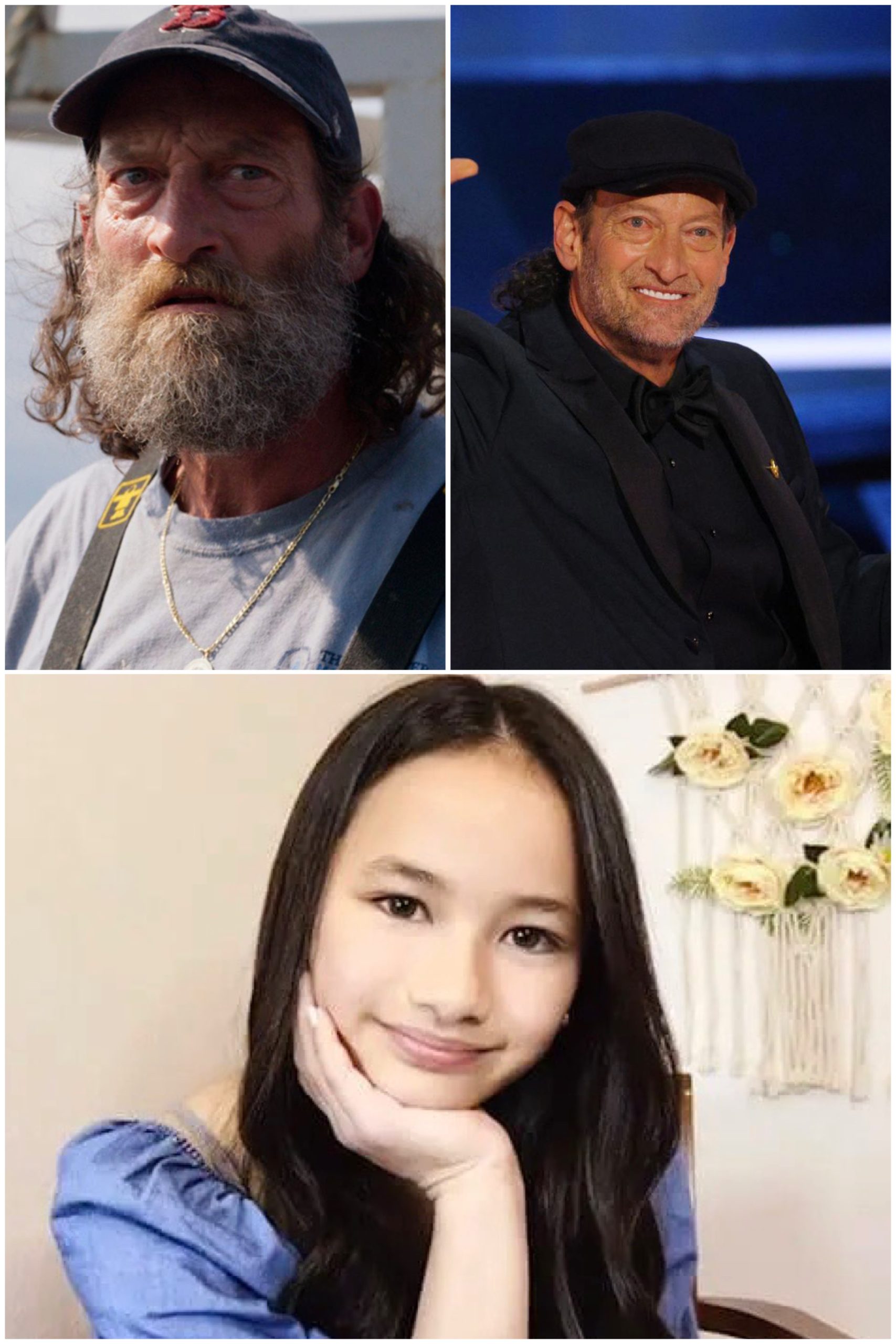
Troy Kotsur and Kaylee Hottle belonged to different generations and entered Hollywood through completely different doors.
One would stand on the world’s biggest awards stage.
The other would stand beside Kong in one of the biggest monster franchises ever made.
Yet their stories shared something powerful:
Neither needed to change who they were to make millions of people pay attention.
A Performance That Made History
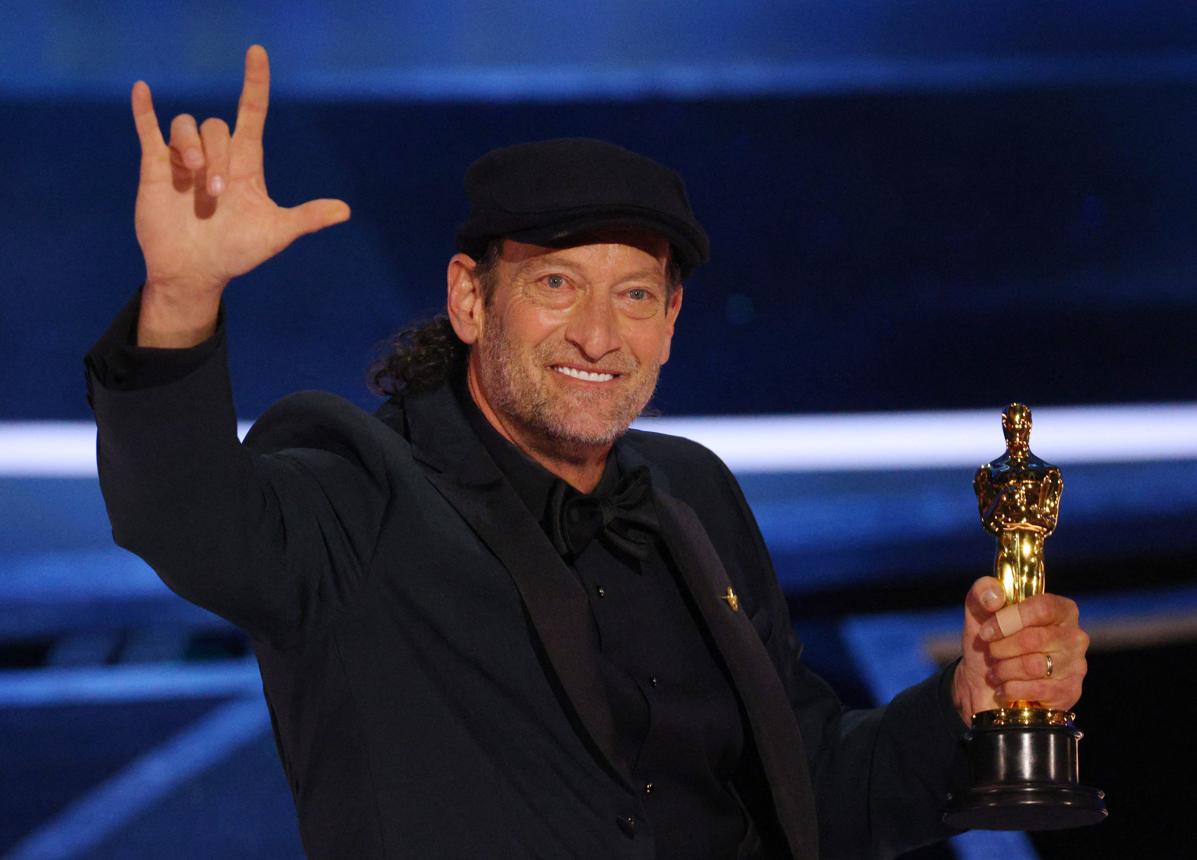
When Troy Kotsur won the Academy Award for Best Supporting Actor for CODA in 2022, he became the first Deaf male actor to win an Oscar for acting.
It was a historic moment.
But the power of his performance wasn’t simply that he was a Deaf actor receiving an award.
It was the character he brought to life.
As Frank Rossi, Kotsur portrayed a father who was funny, stubborn, loving and deeply human.
Frank wasn’t defined by his Deafness.
He was defined by his relationship with his family.
His hopes.
His fears.
His frustrations.
His love for his daughter.
That made the performance feel authentic because audiences weren’t being asked to look at a disability.
They were being asked to look at a person.
And when Kotsur walked onto the Oscar stage, he carried that message with him.
A Deaf actor could stand there.
A Deaf actor could win.
A Deaf actor could become one of the most celebrated performers in the world.
For countless people watching, that moment represented something much bigger than a trophy.
It represented possibility.
A Different Kind of Hollywood Hero
Years earlier, another young Deaf performer was beginning to make audiences listen differently.
Kaylee Hottle entered the MonsterVerse as Jia in Godzilla vs. Kong.
Her world couldn’t have been more different from Troy’s.
There were no quiet family dinners at the center of the story.
There were giant monsters.
Explosions.
Battles.
Cities falling apart.
And yet, some of the most emotional moments belonged to a young girl who communicated largely through her hands.
Jia’s connection with Kong became one of the most memorable human relationships in the franchise.
She didn’t overpower him.
She didn’t fight him.
She understood him.
Kaylee used American Sign Language, facial expressions and emotion to create a bond between two characters who were separated by almost everything imaginable.
Except understanding.
That was what made her performance so special.
The silence wasn’t empty.
It was the language of the relationship.
Two Performers, Two Generations
Troy Kotsur and Kaylee Hottle came from different generations.
Their careers were at completely different stages.
Troy had decades of experience behind him.
Kaylee was only beginning to discover what Hollywood might have in store for her.
But both challenged the same old assumption:
That a performer needs a conventional voice to command an audience.
They proved otherwise.
Troy could make an audience laugh without relying on spoken dialogue.
Kaylee could make millions feel the loneliness of Kong through a look.
Their hands became part of the performance.
Their expressions became part of the dialogue.
Their silence became part of the story.
And audiences learned to pay attention.
Not because they were being told to.
But because the performances were impossible to ignore.
Representation That Feels Real
There is an important difference between simply putting a disabled character into a movie and allowing disabled performers to tell stories authentically.
Troy brought his own Deaf experience to Frank.
Kaylee brought her own experience with American Sign Language to Jia.
Neither had to pretend to understand a world they had never experienced.
They knew it.
They lived it.
And that authenticity could be felt on screen.
For a Deaf child watching them, the significance could be enormous.
They weren’t seeing someone being portrayed as helpless.
They were seeing people who could be funny, brave, emotional, complicated and powerful.
They were seeing themselves in places where people like them had not always been visible.
A family drama.
A Hollywood awards stage.
A world filled with giant monsters.
Different stories.
The same message:
You belong here.
The Door Keeps Getting Wider
Troy and Kaylee are also part of a much larger story.
Before them came performers such as Marlee Matlin, who became the first Deaf performer to win an acting Oscar.
Later came actors such as Millicent Simmonds and Lauren Ridloff, who continued expanding Deaf representation in major Hollywood productions.
Each generation made the next one a little easier to imagine.
And that is how change happens.
One person breaks through.
Someone else sees it.
They try.
They succeed.
And suddenly, what once seemed impossible begins to look normal.
A Deaf actress can become the emotional center of a blockbuster.
A Deaf actor can win an Oscar.
A Deaf superhero can appear in the Marvel Cinematic Universe.
The boundaries keep moving.
And Then There Are the People Who Never Got to See How Far They Could Go
For Troy, there was time to continue building his career.
For Kaylee, there wasn’t.
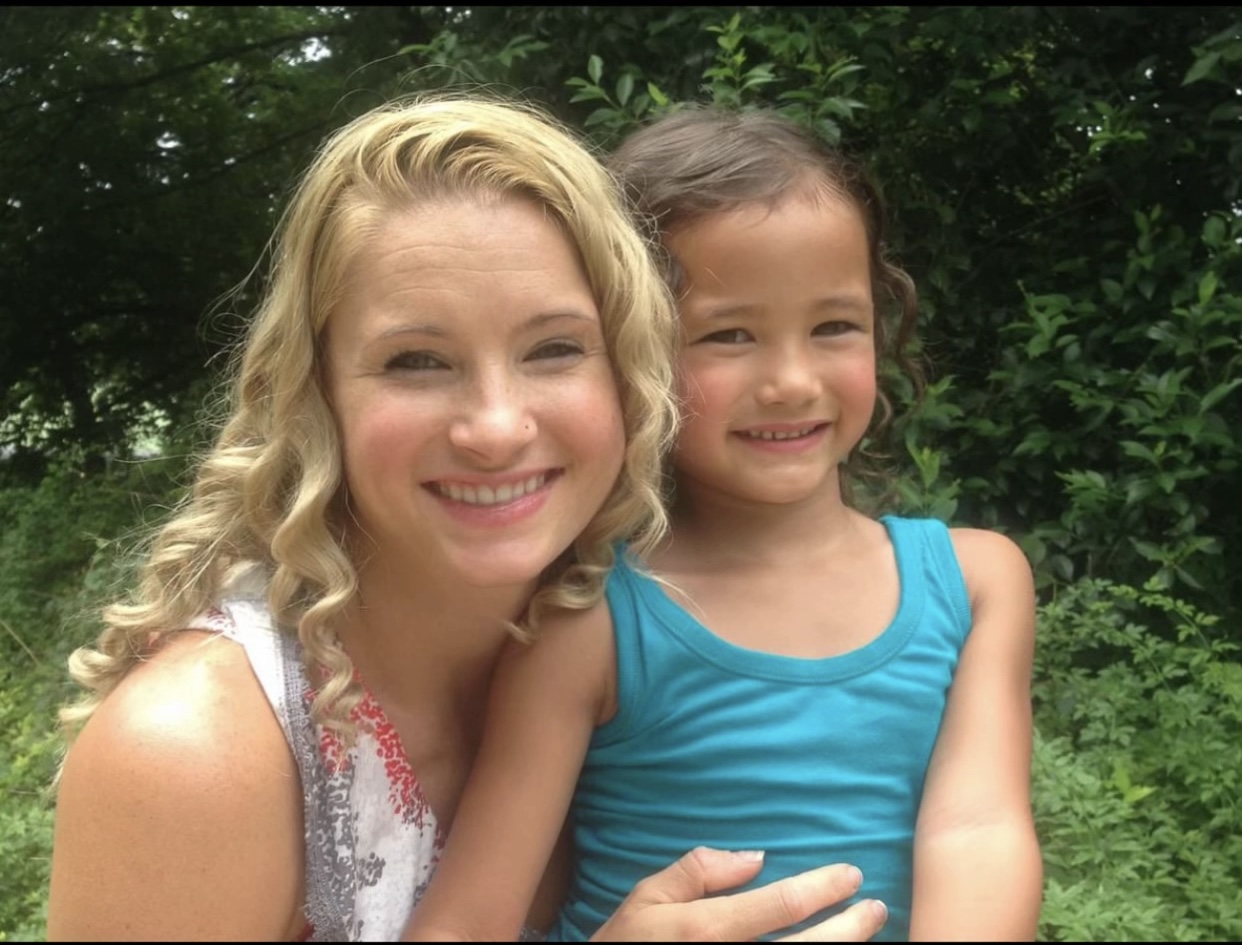
Her life ended when she was only 18.
She had already achieved something remarkable, but she was still at the beginning of what could have been a much longer journey.
There could have been more characters.
More movies.
More opportunities.
More young people inspired by seeing her on screen.
That makes her existing work feel even more precious.
Because when she appeared as Jia, she wasn’t showing audiences the finished version of her career.
She was showing them the beginning.
A glimpse of what might have come next.
And perhaps that is why her story belongs beside people like Troy.
Not because their lives were the same.
They weren’t.
But because both demonstrated what happens when someone is given the opportunity to tell a story without being forced to hide the part of themselves that makes them different.
The World Learned to Listen
Troy Kotsur didn’t need a traditional voice to make history.
Kaylee Hottle didn’t need one to make millions care about Jia.
They communicated differently.
They performed differently.
They lived in different generations.
But they left behind the same quiet lesson:
Being heard has never depended on making a sound.
Sometimes it happens through a pair of hands.
Sometimes through a look.
Sometimes through a character who stays in someone’s heart long after the movie ends.
And sometimes, the quietest performances become the ones the world remembers the longest.
Because they never needed a voice to make us listen.