Man Arrested After Tasia Fortune Was Found Hanging From a Tree — Police Say More Arrests May Be Coming
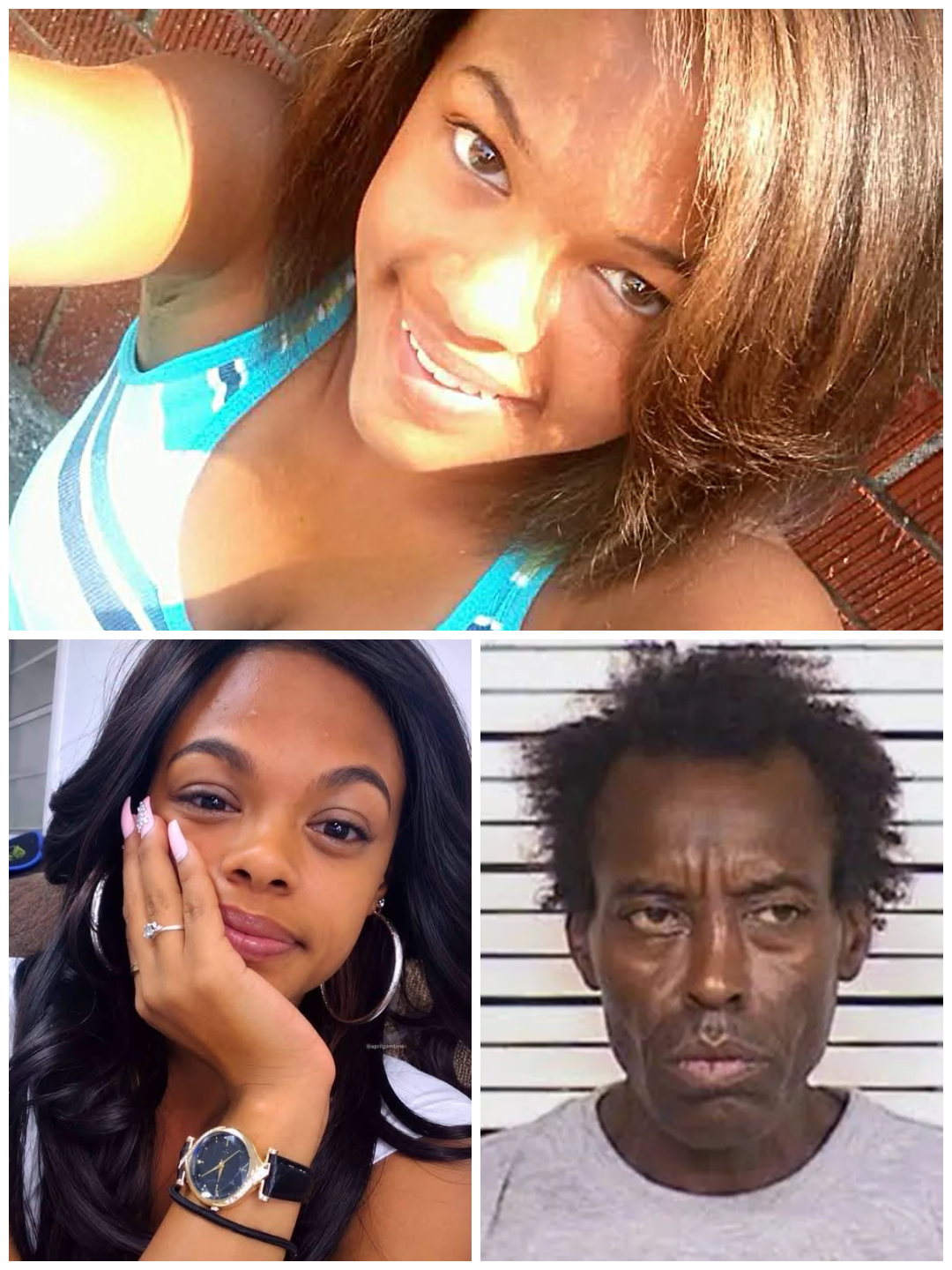
For more than a month, the death of 29-year-old Tasia Fortune remained surrounded by unanswered questions.
Her body had been found hanging from a tree behind a vacant home in Jackson, Mississippi.
Her family insisted she was not suicidal.
The discovery immediately drew intense public attention, in part because Fortune was a Black woman and because of Mississippi’s long and painful history of racial violence.
But investigators stopped short of publicly declaring exactly what had happened while they waited for the state medical examiner.
That changed on Sept. 11.
The medical examiner officially classified Fortune’s death as a homicide, Jackson Police Chief RaShall Brackney said.
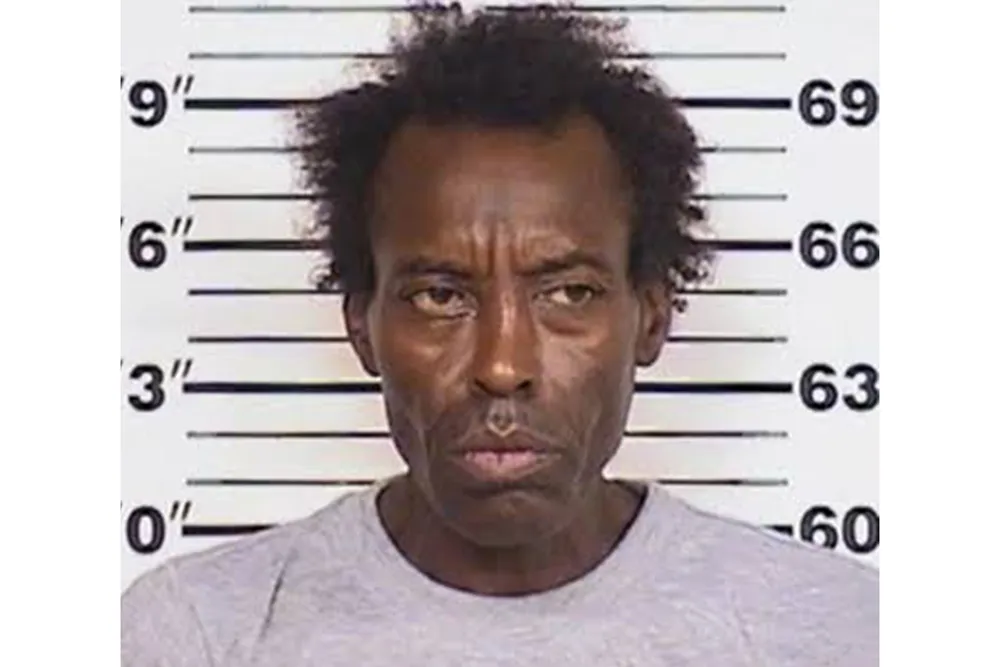
Within hours, police executed search warrants and arrested 51-year-old Jarques Ratliff in connection with her death.
And authorities say the investigation is not finished.
“This is not closure,” Brackney told reporters, describing the arrest as an important step rather than the end of the case. Police say additional arrests are expected as investigators continue following the evidence.
Fortune Was Found Behind a Vacant Home
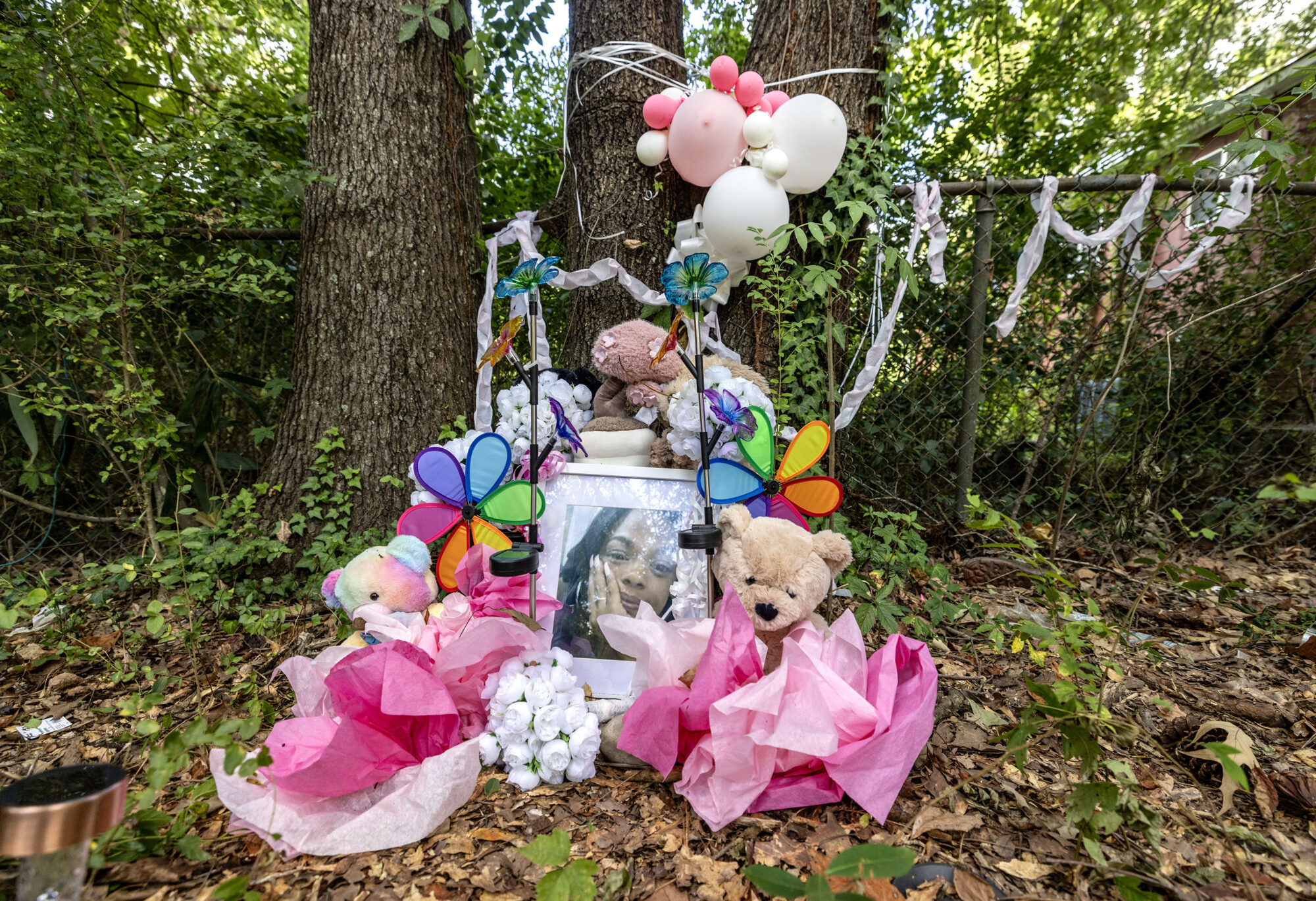
Fortune’s body was discovered on Aug. 3 behind an abandoned residence in Jackson.
Authorities said she was found in a hanging position from a tree in the backyard.
From the beginning, the circumstances prompted alarm.
Fortune’s mother, Christy Spivey, said she did not believe her daughter had taken her own life.
She described Fortune as being in a better emotional place before her death and said her daughter had plans for the future, including efforts to rebuild her life and start a cleaning business. Fortune was also the mother of four children.
Police treated the death seriously from the start but initially waited for the state medical examiner to make an official determination about the manner of death.
That forensic ruling became the turning point in the investigation.
Police Say They Had Warrants Ready Before the Homicide Ruling
One of the most revealing details from Brackney’s Sept. 11 press conference is how quickly police moved once the medical examiner issued the homicide finding.
According to the chief, investigators had already spent hundreds of hours on the case.
They had interviewed nearly 15 people, gathered forensic evidence and pursued multiple leads.
Police had also prepared search and arrest warrants.
But Brackney said those warrants could not be executed until authorities received the medical examiner’s final determination.
Once the death was officially classified as a homicide, investigators moved immediately.
They obtained authorization for two search warrants and an arrest warrant connected to Ratliff.
When police initially went to execute the warrants, Ratliff was not at the location they expected to find him.
Then officers encountered him walking along Capitol Street as members of the investigative team were returning to police headquarters.
He was taken into custody without incident.

Police Say Ratliff Knew Fortune — but They Are Not Saying How
Authorities have confirmed that Ratliff had what Brackney described as an “association” with Fortune.
Beyond that, police have released very little.
They have not publicly described the nature of their relationship.
They have not identified a motive.
They have not said whether investigators believe Fortune knew Ratliff well, had recently interacted with him or had some other connection.
And they have not publicly explained exactly what evidence led detectives from their broader investigation to Ratliff.
That lack of detail is significant because it leaves some of the biggest questions in the case unanswered.
Fortune’s mother said after learning of the arrest that she did not recognize Ratliff and was asking her daughter’s friends whether they knew him.
She expressed gratitude that someone had been arrested, but also said the family remained in shock and still had very few answers.
The Family Had Insisted From the Beginning That This Was Not Suicide
Long before the medical examiner officially ruled the death a homicide, Fortune’s family questioned any suggestion that she had killed herself.
Spivey repeatedly said her daughter was not suicidal.
She recalled Fortune appearing peaceful and hopeful during their final interactions.
Those statements did not prove homicide on their own, but they became an important part of the family’s public push for a full investigation.
At the same time, Spivey has also said she does not believe her daughter was killed because of her race.
That distinction matters because the image of a Black woman found hanging from a tree understandably generated immediate discussion about the possibility of a hate crime or lynching.
Police have not announced evidence establishing a racial motive.
The family itself has publicly cautioned against assuming one.
So far, investigators have described the case as a homicide investigation — not as a confirmed hate crime.
Another Man Had Already Been Arrested on a Separate Charge
Before Ratliff’s arrest, another man had surfaced in reporting surrounding the case.
Terence Anderson, 65, was arrested on a firearm charge unrelated to a homicide count.
Anderson acknowledged that he had argued with Fortune before her death but denied responsibility for killing her.
Authorities had not publicly identified him as the person responsible for the homicide.
That earlier development added to speculation surrounding the investigation, but police are now making clear that Ratliff is the man arrested in direct connection with Fortune’s killing.
Even so, Brackney’s statement that more arrests are expected suggests police believe others may have relevant criminal exposure.
Authorities have not explained how many people they are looking at or what roles they may have played.
The Homicide Ruling Changed Everything
For weeks, the central unresolved question was whether Fortune’s death would officially be classified as suicide, accident or homicide.
That uncertainty is now gone.
The medical examiner has ruled the manner of death a homicide.
That does not automatically prove who killed Fortune or establish exactly how the crime unfolded.
But it formally confirms something her family had suspected all along: investigators now believe another person caused her death.
The homicide ruling also explains why police were able to move so quickly on Sept. 11.
According to Brackney, investigators had already built enough of a case to prepare warrants.
They were waiting for the forensic classification.
Once it arrived, Ratliff was in custody the same day.
Police Say the Arrest Is Only One Step
It would be easy to treat Ratliff’s arrest as the conclusion of a mystery that began when Fortune was found behind the vacant house.
Police are explicitly warning against that.
The investigation remains active.
Detectives are still processing evidence.
Additional arrests are expected.
And major facts — including motive, the nature of Ratliff’s connection to Fortune and whether other people participated in or helped conceal the crime — have not been made public.
Ratliff also remains accused, not convicted. The prosecution will eventually have to prove its case in court.
For Fortune’s family, however, the homicide ruling and arrest mark the first major movement toward the answers they have been demanding since August.
For weeks, they knew only that Tasia had been found hanging from a tree and that the circumstances did not make sense to them.
Now police say her death was not self-inflicted.
A man has been arrested.
And investigators believe the case may involve more than one person.
The discovery behind that vacant Jackson home began with one horrifying question:
What happened to Tasia Fortune?
More than a month later, authorities finally appear to have part of the answer.
But if police are right that more arrests are coming, the full story may still be much larger than the public knows.