Johnny Depp Said His Children Were Told “75 Times a Day” That They Were Loved
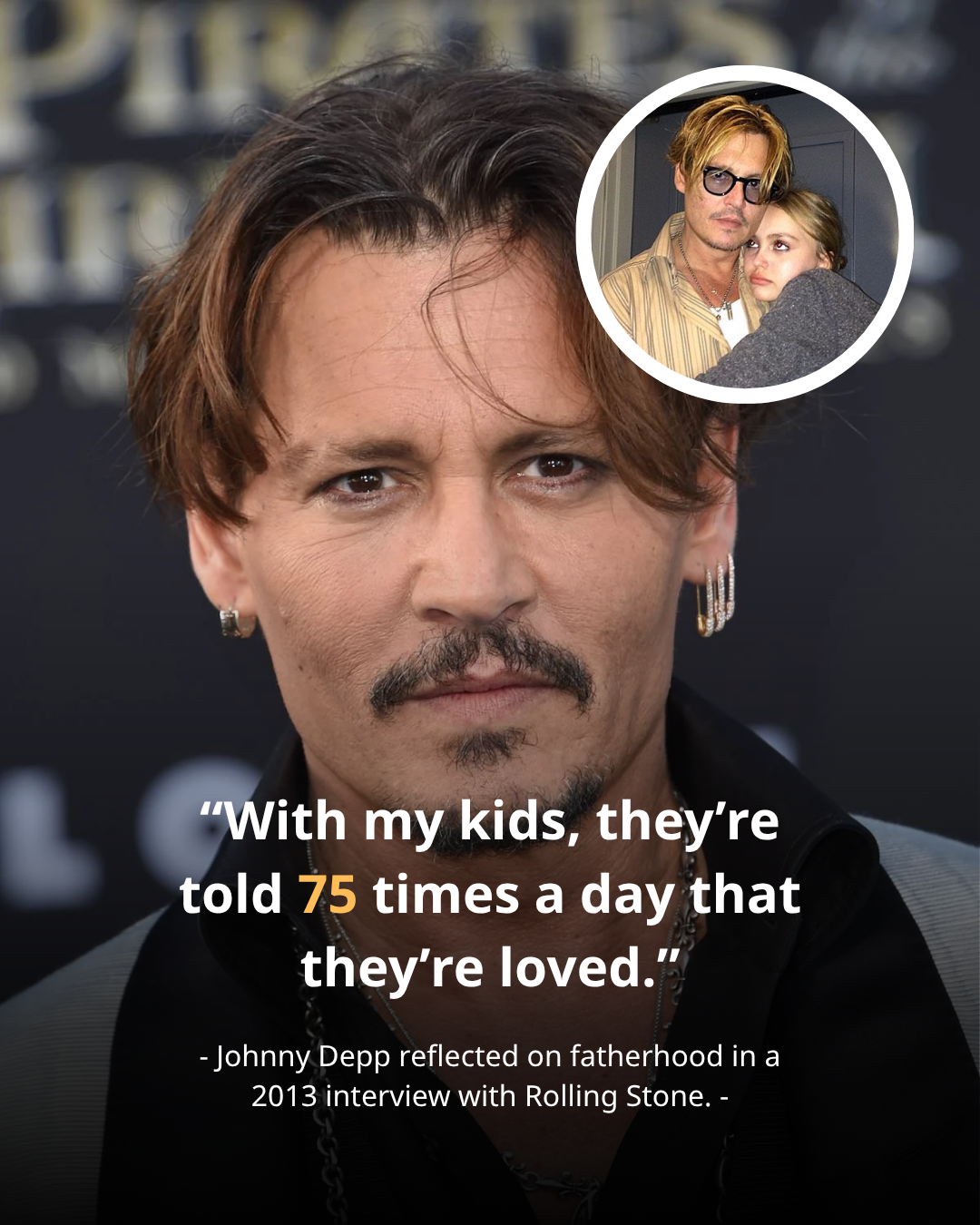
Seventy-five times a day.
That was the number Johnny Depp once used when describing something he wanted his children, Lily-Rose and Jack, to hear constantly while they were growing up.
They were loved.
Not occasionally.
Not only when they behaved well.
Not only after a difficult day.
According to Depp, love was something he wanted them to hear again and again.
“With my kids, they’re told 75 times a day that they’re loved,” Depp told Rolling Stone in 2013, according to Us Weekly. “One thing I know is they feel loved and secure and happy and needed and necessary and a part of something.”
It is an unusually specific number.
And perhaps that is what makes the statement so memorable.
For Depp, fatherhood was not simply about providing a home, protecting his children from the public eye, or making sure they had opportunities.
It was also about making love impossible to doubt.
That idea becomes even more striking when placed beside the childhood Depp has described publicly.
Years later, during his 2022 defamation trial against Amber Heard, Depp testified about growing up in a deeply unstable household. He described his mother as physically and emotionally abusive and recalled an environment in which fear, volatility and punishment were part of family life.
He told the court about experiences that stayed with him long after childhood ended.
Against that background, the image of Depp telling his own children they were loved “75 times a day” carries a different emotional weight.
It sounds less like a casual parenting habit and more like a deliberate attempt to build a home that felt different from the one he remembered.
Lily-Rose Depp was born in May 1999.
Her younger brother, Jack, followed in 2002. Depp shared both children with French singer and actress Vanessa Paradis, with whom he had a 14-year relationship before their separation in 2012.
Throughout the years, Depp often spoke about how dramatically becoming a father changed his priorities.
The actor who had once lived an intensely public and unconventional life suddenly had something more important than fame to protect.
His children.

And protection, in Depp’s description, was not only physical.
It was emotional.
He wanted Lily-Rose and Jack to know they were secure.
He wanted them to know they were needed.
He wanted them to feel that they belonged.
Those words — “loved,” “secure,” “happy,” “needed,” “necessary” — reveal something important.
Children do not only need to know that their parents love them.
They need to feel that their presence matters.
They need to feel that they are not a burden.
They need to know that home is somewhere they belong.
For someone who has spoken openly about growing up amid instability, that distinction may have mattered enormously.
Parents often promise themselves that they will raise their children differently from the way they were raised.
Sometimes the differences are obvious.
A parent who grew up around shouting may refuse to scream at their own children.
Someone who experienced neglect may become intensely attentive.
A person who rarely heard affection expressed may say “I love you” constantly.
In Depp’s case, the number 75 almost sounds symbolic.
No child is likely to count every declaration of love in a day.
That was probably never the point.
The point was abundance.
There would be no shortage of reassurance.
There would be no question about whether the children were wanted.
There would be no emotional guessing game.
They would know.
Depp’s relationship with Paradis also appears to have reflected that focus on the children, even after their romantic relationship ended.
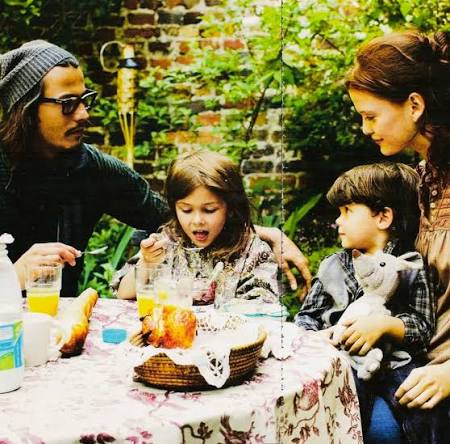
Speaking about their 2012 separation in a 2013 interview with Rolling Stone, Depp said that breakups could be difficult, especially when children were involved.
He explained that despite the pain of the split, his primary concern was making sure the children were “gonna be cool.”
He also spoke about the reality of remaining connected to Paradis because she was the mother of his children.
“So for whatever reason that ceases, it doesn’t stop the fact that you care for that person, and they’re the mother of your kids,” he said, adding that parents remain in each other’s lives because of their children.
That perspective fits with the same emotional priority behind the “75 times a day” comment.
Whatever happened between the adults, the children were not supposed to lose their sense of security.
That instinct appeared in other parts of Depp’s life as well.
In 2004, Depp and Paradis bought Little Hall’s Pond Cay, a private island in the Bahamas. Depp later said the island gave him a place where no one was watching him or pointing cameras at him.
He described his children spending time there without conventional toys, building little houses from shells instead.
The image is almost the opposite of a Hollywood childhood.
No red carpets.
No flashing cameras.
No elaborate entertainment.
Just children playing on an island, surrounded by family and privacy.
For someone as famous as Depp, creating normality was never going to be simple.
Lily-Rose would eventually become an actress and model in her own right, while Jack largely remained away from the public spotlight.
But when they were young, Depp often seemed focused on giving them something that fame itself could not provide.
A sense of emotional safety.
That goal became especially visible when Lily-Rose faced a serious health crisis.
At age seven, she was hospitalized after an E. coli infection led to kidney failure. Us Weekly reported that Depp later recalled spending weeks at the hospital with his daughter and Paradis, unsure whether Lily-Rose would survive.
For any parent, that kind of experience can reduce the world to one thing.
Nothing matters except the child.
Career success becomes irrelevant.
Money becomes irrelevant.
Celebrity becomes irrelevant.
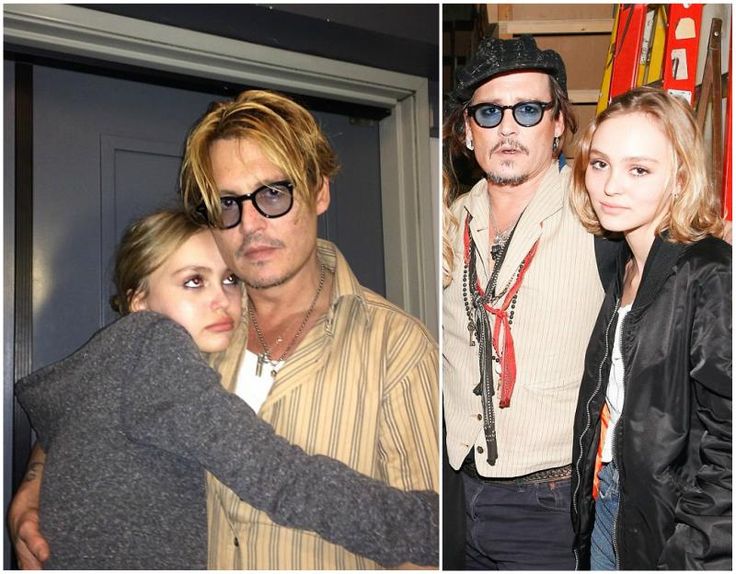
The only thing that matters is whether your son or daughter will be okay.
Lily-Rose recovered.
But experiences like that can make a parent’s attachment even more visible.
Perhaps this is why Depp’s “75 times a day” quote remains so striking years later.
It is not a complicated statement.
There is no grand philosophy.
There is simply a father saying that his children were reminded, over and over again, that they were loved.
When childhood has taught someone what insecurity feels like, security can become a conscious gift.
When someone remembers fear, they may become determined to create reassurance.
When affection once felt uncertain, saying “I love you” can become more than a phrase.
It can become a ritual.
A promise.
A way of changing the emotional inheritance passed from one generation to the next.
Johnny Depp could not rewrite his own childhood.
No parent can.
But according to his own words, he could decide what Lily-Rose and Jack heard in theirs.
And he chose something simple enough for any child to understand:
You are loved.
You are wanted.
You are necessary.
You belong.
Not once.
Not occasionally.
Seventy-five times a day.