5 Chadwick Boseman Stories Most Fans Never Knew — One Decision Cost Him His Job Before Black Panther
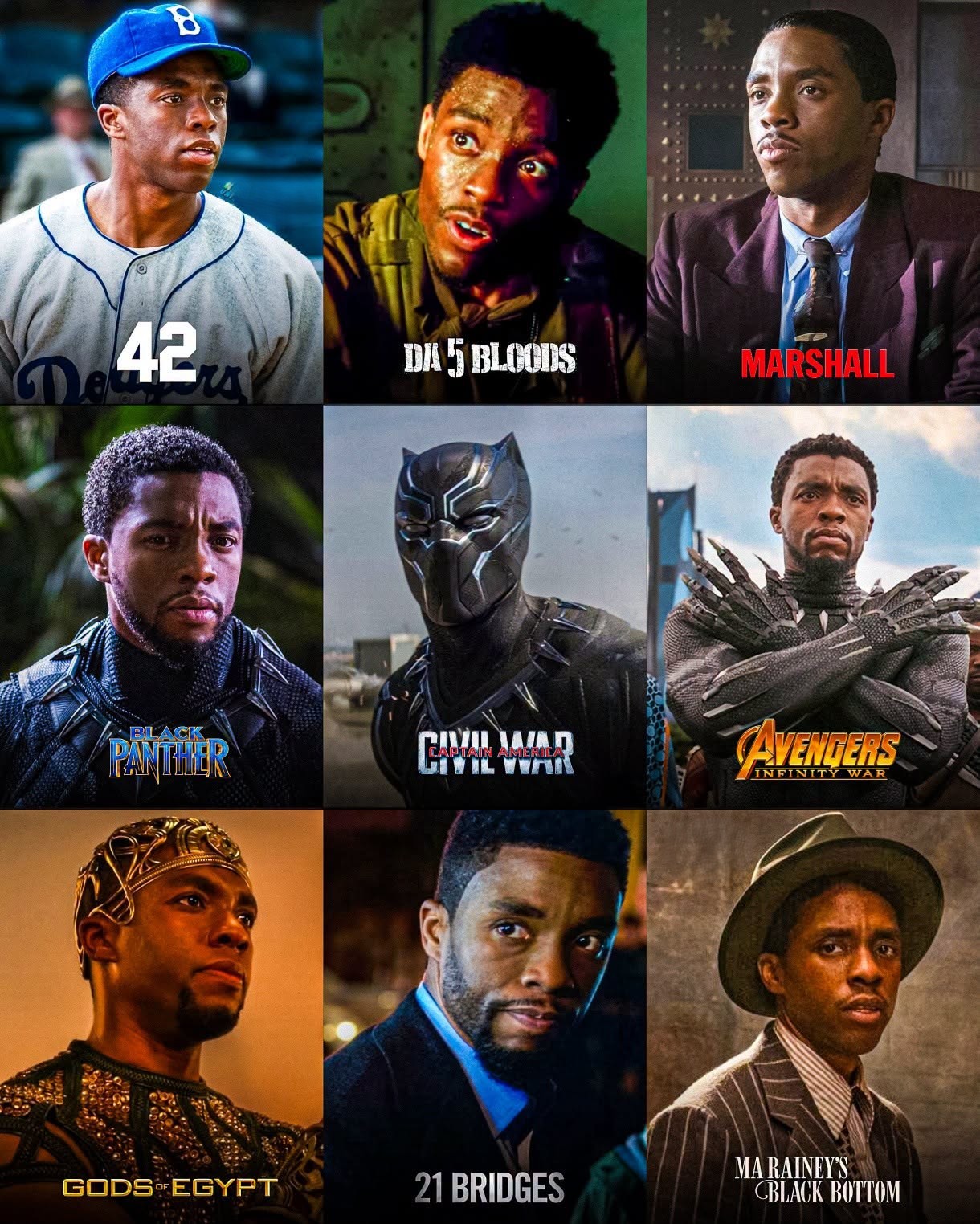
To millions of moviegoers, Chadwick Boseman will always be T’Challa.
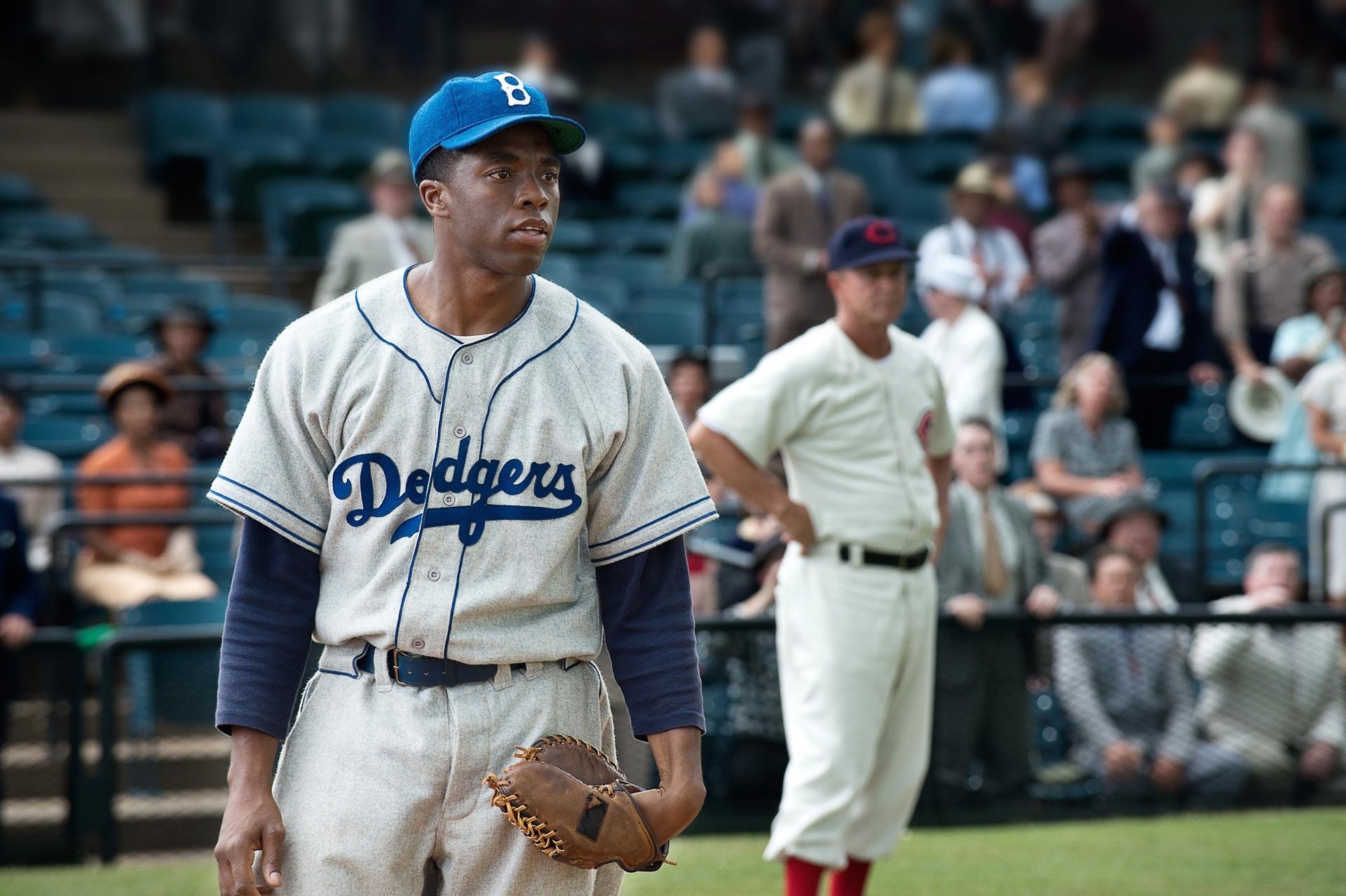
His calm authority in Black Panther made “Wakanda Forever” a cultural phenomenon, while performances as Jackie Robinson, James Brown and Thurgood Marshall established him as an actor unusually drawn to men carrying enormous historical weight.
But some of the most revealing stories about Boseman happened far away from the Marvel spotlight.
Long before Hollywood considered him a superhero, he lost a television job because he challenged the way a Black character was written. A famous actor quietly helped pay for part of his education. Boseman shaped one of T’Challa’s most recognizable characteristics himself. And for years, even people working beside him did not know what he was enduring privately.
Here are five lesser-known stories that reveal how deliberately Chadwick Boseman built both his career and his legacy.
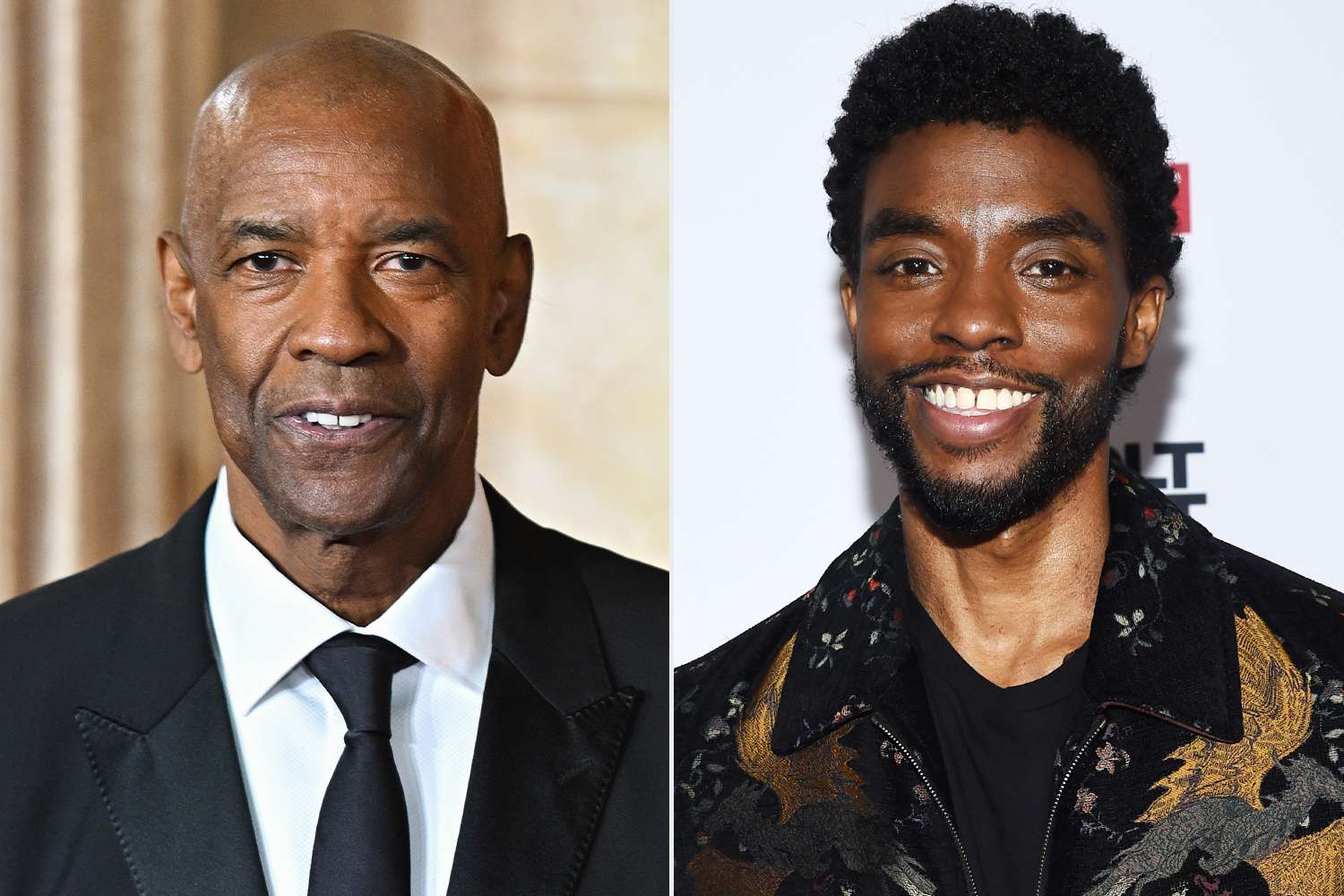
1. Denzel Washington Helped Pay for His Training — Before Chadwick Was Famous
Years before Boseman became a movie star, he was studying at Howard University.
Actress and teacher Phylicia Rashad recognized his talent and became an important mentor. When Boseman was accepted into a summer program connected with the British American Drama Academy at Oxford, however, there was a problem.
He could not afford to go.
Rashad stepped in.
Howard University says she reached out to celebrity friends to help fund several students, including Boseman. One of the people who contributed was Denzel Washington.
Boseman eventually learned who had helped make the trip possible.
The connection became especially moving because Washington later became one of the most celebrated Black actors in Hollywood — exactly the kind of career Boseman was beginning to pursue.
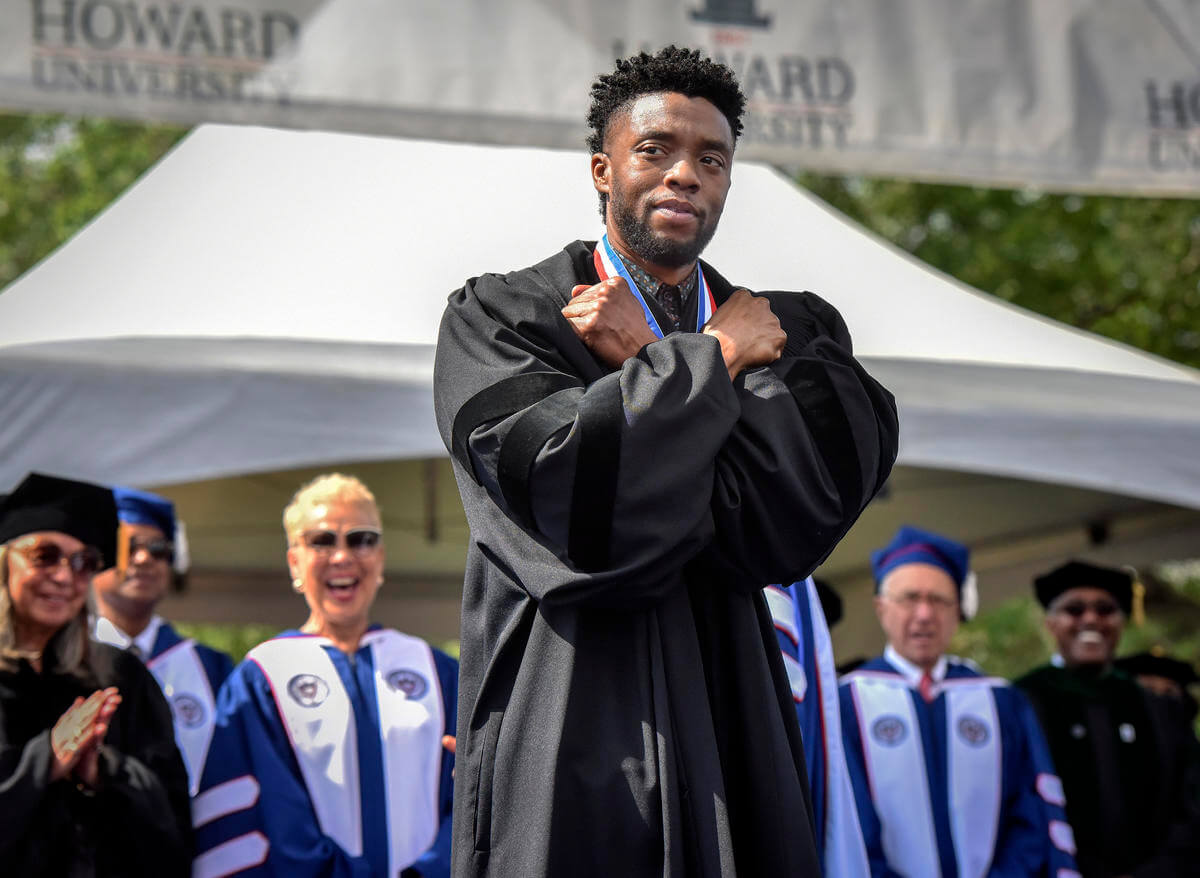
By the time Boseman returned to Howard as commencement speaker in 2018, he was no longer an unknown student who needed help getting overseas. He was the star of one of the biggest films in the world.
And the school that had helped launch him would later rename its College of Fine Arts in his honor.
2. He Was Fired From a Soap Opera for Challenging a Stereotype — Then Michael B. Jordan Replaced Him
One of Boseman’s earliest television jobs came on All My Children in 2003.
He was cast as Reggie Montgomery, a troubled young Black character.
But Boseman quickly became uncomfortable with what he was being asked to portray.
He felt the role relied too heavily on familiar stereotypes, so instead of quietly collecting a paycheck, he questioned the producers about the character’s background and behavior.
The decision cost him the job.
Boseman later recalled that producers essentially considered him “too much trouble.” He lasted only about a week.
Then another young actor took over the part.
Michael B. Jordan.
Years later, while promoting Black Panther together, the two discovered something remarkable: although Boseman had been fired, some of the concerns he raised had apparently influenced how the character was subsequently written.
Jordan said he had never realized Boseman’s objections had made his experience easier.
It is an extraordinary piece of Hollywood history in retrospect.
Long before they faced each other as T’Challa and Killmonger, Boseman had unknowingly helped reshape a role Jordan would inherit.
And the incident established a pattern Boseman would follow throughout his career: he was willing to lose an opportunity rather than accept a portrayal he believed was damaging.
He later described that moment at Howard as part of the path that ultimately led him toward his “purpose.”
3. He Wasn’t Originally Training to Become Only an Actor
Boseman’s career is remembered primarily through his performances, but acting represented only one part of his artistic ambitions.
At Howard, he studied directing.
He was also a playwright and writer long before most movie audiences knew his name.
Howard notes that Boseman wrote his first play while still young, later became president of the Howard Players and continued working as a writer and director after graduation.
In New York, he continued developing theater while auditioning for television roles.
He co-wrote scripts with longtime friend Logan Coles, and the two spent years developing projects together. Even as acting began taking over his public career, Boseman never completely abandoned the idea of creating stories behind the camera.
That background helps explain why he often seemed to approach roles as more than a performer waiting for instructions.
On 21 Bridges, for example, Boseman also served as a producer and discussed being deeply involved in shaping the character and story.
T’Challa was not simply a costume he put on.
Boseman thought about what the character represented culturally, historically and politically.
Which leads to one of his most important decisions at Marvel.
4. T’Challa’s African Accent Wasn’t Just a Performance Choice — Boseman Saw It as Part of Wakanda’s History
When Boseman began developing T’Challa, he faced an unusual problem.
Wakanda is fictional.
There was no real Wakandan accent to imitate.
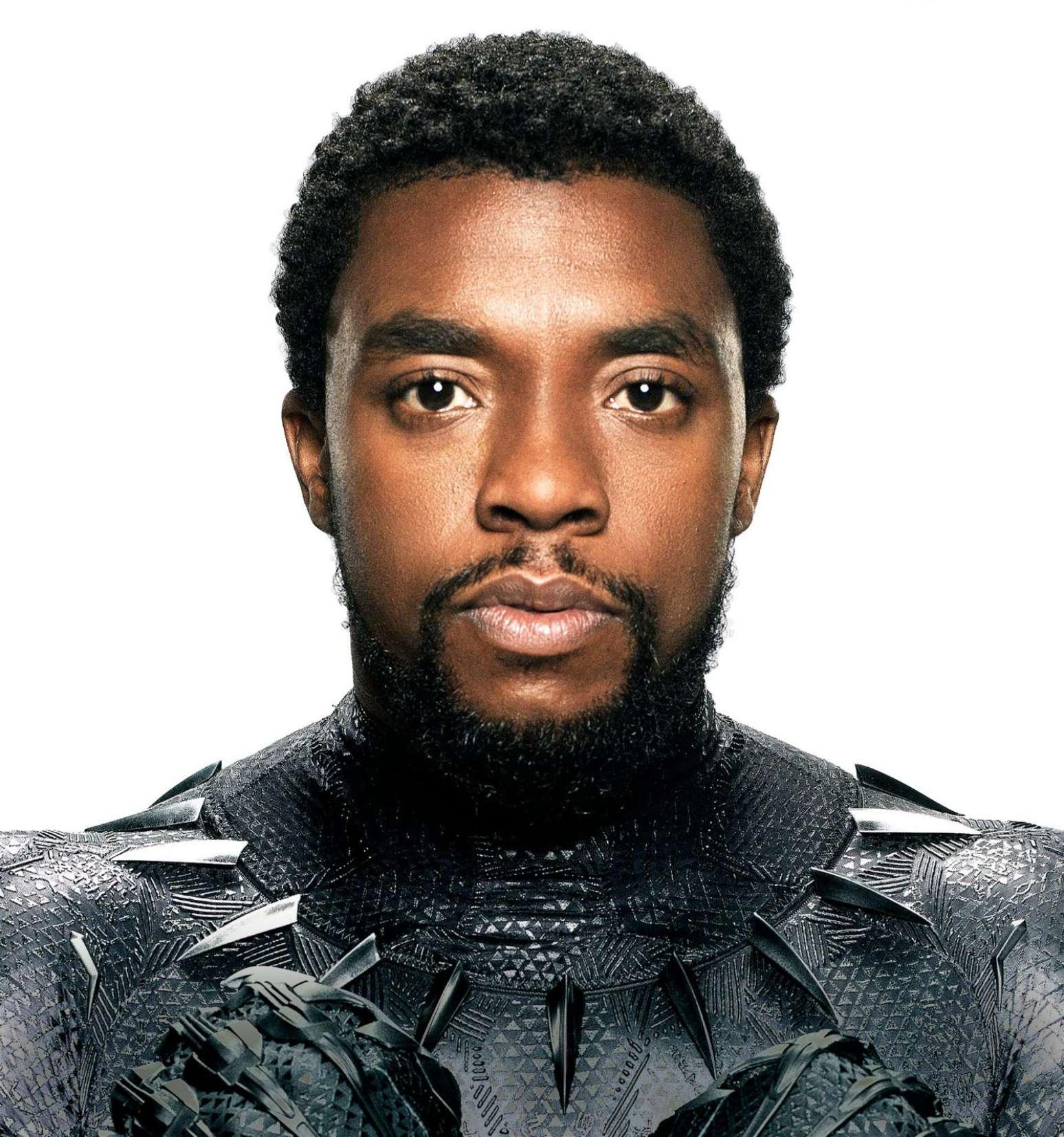
So Boseman researched African leaders and speech patterns, drawing inspiration from figures including Nelson Mandela and Jomo Kenyatta while working with Marvel’s dialect team.
But the deeper question was whether T’Challa should have an African accent at all.
Boseman decided that he had to.
His reasoning went directly to the central idea behind Wakanda: this was an African nation that had never been conquered or colonized.
If its king sounded British, French or otherwise European, Boseman believed the voice would imply a colonial history that Wakanda was specifically created not to have.
So the African identity of T’Challa’s voice became part of the character’s political history, not merely an acting flourish.
Boseman’s commitment went even further.
Director Ryan Coogler later recalled that during production of Black Panther, Boseman sometimes remained in T’Challa’s accent even off camera — including when Disney executives visited the set.
Fans heard a king.
Behind the performance was an actor thinking carefully about what that king’s voice said about an entire fictional country.
5. He Made Some of His Biggest Movies While Almost Nobody Knew He Was Seriously Ill
The most closely guarded part of Boseman’s life became public only after his death on Aug. 28, 2020.
His family revealed that he had been diagnosed with stage III colon cancer in 2016 and that the disease later progressed to stage IV.
He had never publicly announced the diagnosis.
During those years, Boseman worked on Black Panther, Avengers: Infinity War, Avengers: Endgame, Marshall, 21 Bridges, Da 5 Bloods and Ma Rainey’s Black Bottom while undergoing surgeries and chemotherapy, according to his family.
Even many collaborators did not know the full extent of what he was facing.
Coogler said after Boseman’s death that he had not been privy to the details of his illness.
That fact changed the way audiences looked back at Boseman’s final years.
There were red carpets.
Physical action sequences.
Long promotional tours.
A historic Howard commencement speech.
And an emotionally devastating final performance in Ma Rainey’s Black Bottom, which earned him a posthumous Academy Award nomination.
Behind all of it was a private struggle known to relatively few people.
The Pattern Running Through All Five Stories
Taken separately, these stories can sound like unusual Hollywood trivia.
Together, they reveal something much more consistent about Chadwick Boseman.
He challenged a role when speaking up could cost him employment.
He treated his education as preparation for writing and directing, not just fame.
He thought about T’Challa’s accent as a question of history and identity.
And when his own circumstances became extraordinarily difficult, he kept much of that struggle private while continuing to work.
Boseman once told Howard graduates not simply to search for a job or even a career, but to search for a purpose. Howard now preserves those words as part of his legacy.
That may be the detail connecting all the others.
Long before the world called him Black Panther, Chadwick Boseman seemed to have already decided what kind of artist he wanted to be.
The fame came later.