A Deadly Crash Killed Three People. Six Years Later, a New Report Says Oneil Cruz’s Family Used a Fixer to Make the Case Disappear
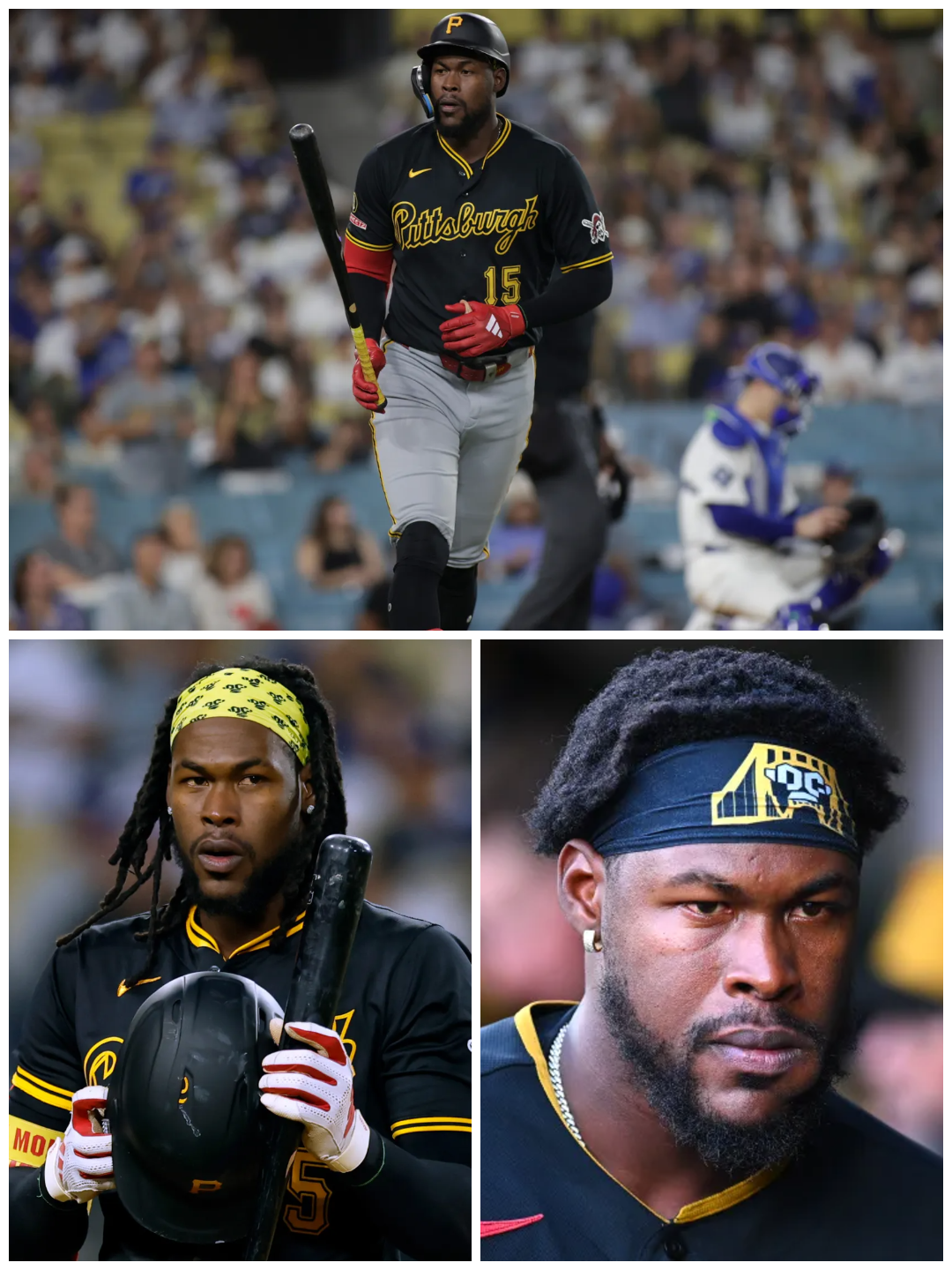
Six years ago, Oneil Cruz was not yet a Major League Baseball star.
He was a 21-year-old prospect whose extraordinary combination of size, power and speed had made him one of the most intriguing young players in the Pittsburgh Pirates organization.
Then, on a dark highway in the Dominican Republic, his future nearly changed forever.
In the early hours of Sept. 21, 2020, the SUV Cruz was driving struck a motorcycle carrying three young people. All three died.
Cruz was initially accused of reckless driving resulting in death. Dominican authorities also said at the time that investigators had determined he had consumed alcohol before the crash.
But the criminal case eventually disappeared.
Now, a major ProPublica investigation published nearly six years later alleges that Cruz’s family brought in a politically connected businessman who helped arrange payments totaling roughly $66,000 to the victims’ families while persuading them to withdraw their criminal and civil claims.
That businessman, Santo Caraballo, is described in the report as a “fixer” whose involvement helped protect Cruz’s baseball future.
Cruz has not been convicted of a crime in connection with the crash, and his attorney says the matter was resolved lawfully by the Dominican court system.
But the new reporting has reopened painful questions about what happened after three young people died — and how a future MLB player walked away without a criminal conviction.
The victims were Yohan Saba Mercado, Deby Beato Charles and Daniela Perez Garcia, all between 19 and 23 years old.
According to ProPublica, they were riding together on a motorcycle along a highway near Cruz’s hometown in the Dominican Republic when Cruz’s Jeep Grand Cherokee struck them from behind.
The crash occurred during a COVID-19 curfew.
Authorities initially treated the case seriously.
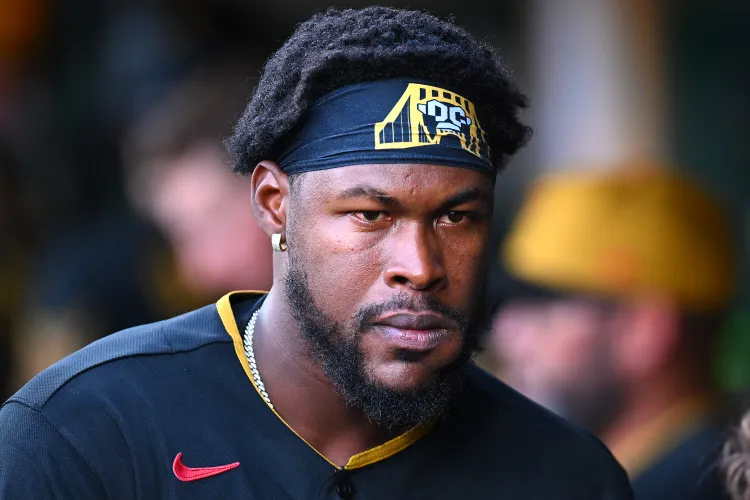
A press release from Dominican prosecutors stated that Cruz had consumed alcoholic beverages before the accident, and prosecutors sought preventive detention while the case was investigated.
But almost immediately, another process was beginning behind the scenes.
According to ProPublica, people connected to Cruz began approaching the victims’ relatives about financial settlements.
One family member recalled that after mourners had left the home following Yohan’s funeral, a driver arrived holding a phone. Cruz’s mother was allegedly on the other end, offering condolences — and seeking to negotiate.
Cruz’s family then turned to Santo Caraballo.
At the time, Caraballo was a businessman with political connections and interests that included legal services, despite not being a lawyer. He later became an influential figure in the Dominican baseball world.
According to ProPublica’s reporting, his task was straightforward: resolve the problem before it destroyed Cruz’s career.
The mechanism was largely based on the unusual role victims and their relatives can play in the Dominican legal system.
Families were asked to sign documents withdrawing their “penal, civil or judicial” claims against Cruz.
At the same time, separate agreements reviewed by ProPublica show that money was paid to relatives of the people who died.
Across the three families, the total was approximately $66,000.
One of the most striking details involves the family of Daniela Perez Garcia.
A court-filed document reportedly stated that her family had withdrawn its claims without receiving a financial benefit and accepted that the crash resulted from circumstances of life rather than intentional wrongdoing by Cruz.
Yet a separate settlement document, which ProPublica says was not filed in court, recorded a payment of 900,000 Dominican pesos — approximately $15,000 at the time — for funeral expenses and damages connected to Daniela’s death.
Other families received larger payments.
Deby Beato Charles’ relatives reportedly agreed to a settlement of approximately 2 million pesos.
Yohan Saba Mercado’s parents received roughly 800,000 pesos after legal fees.
Some relatives now say they did not fully understand how withdrawing their claims would affect the criminal prosecution.
Others described accepting money because they believed Cruz would be released regardless of what they did.
Their accounts add an uncomfortable layer to the story.
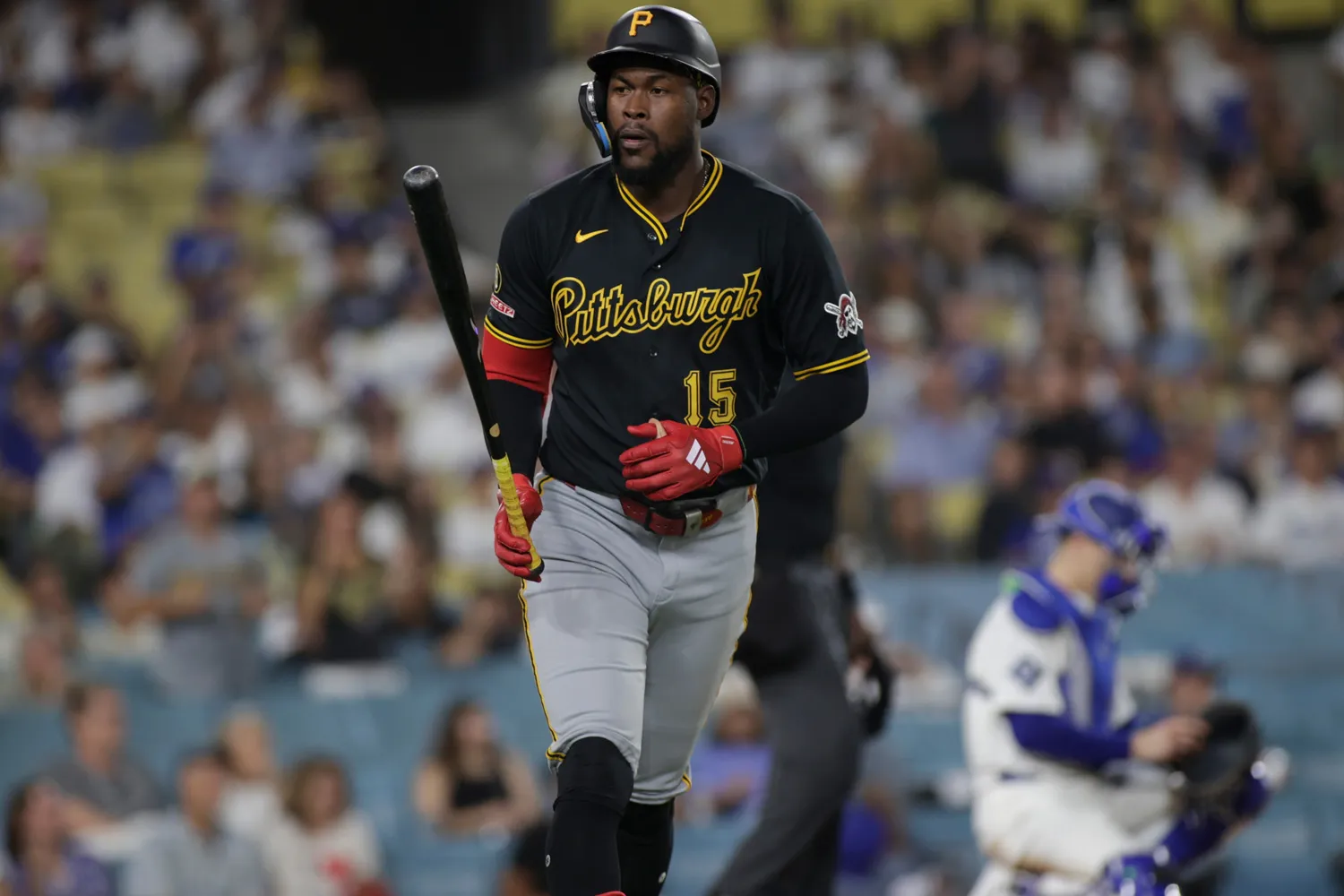
These were grieving families dealing with the sudden deaths of young relatives while being offered sums that represented years of income for many ordinary Dominican households.
For some, the money helped pay immediate expenses.
But six years later, relatives interviewed by ProPublica said the emotional consequences had lasted much longer than the financial benefit.
One member of Deby’s family said the money remained largely untouched because of the painful feelings attached to it.
Yohan’s mother said she had wanted justice but felt that no one wanted to destroy the future of the young baseball player.
“Everyone who kills has to go to jail,” she told ProPublica while discussing her frustration with the outcome.
The criminal case against Cruz was eventually dismissed.
His lawyer, Amauris Vásquez Disla, told ProPublica that the accident had been “a profound tragedy for all parties involved, especially the victims’ families,” but emphasized that a court formally dismissed the matter and that the decision was legally binding.
The attorney’s position is clear: whatever negotiations took place, the final outcome was a lawful resolution under Dominican law.
The Pittsburgh Pirates have taken a similarly cautious position.
A team spokesperson said Cruz and the organization addressed the matter more than six years ago based on the information available at the time and the outcome of the legal proceedings.
Cruz declined ProPublica’s request for an interview.
His career proceeded almost immediately after the case ended.
Just 33 days after the court dismissed the charges, Cruz made his Major League debut.
He would eventually become one of the Pirates’ most recognizable players, known for extraordinary exit velocities, towering home runs and rare athleticism for a player standing 6 feet 7 inches tall.
By 2025, he had led the National League in stolen bases, and by 2026 he was playing on a one-year, $3.3 million contract.
That success is one reason the renewed scrutiny is so striking.
The fatal crash never became a defining part of Cruz’s public baseball identity.
For many fans, it was an old incident that had already been legally resolved.
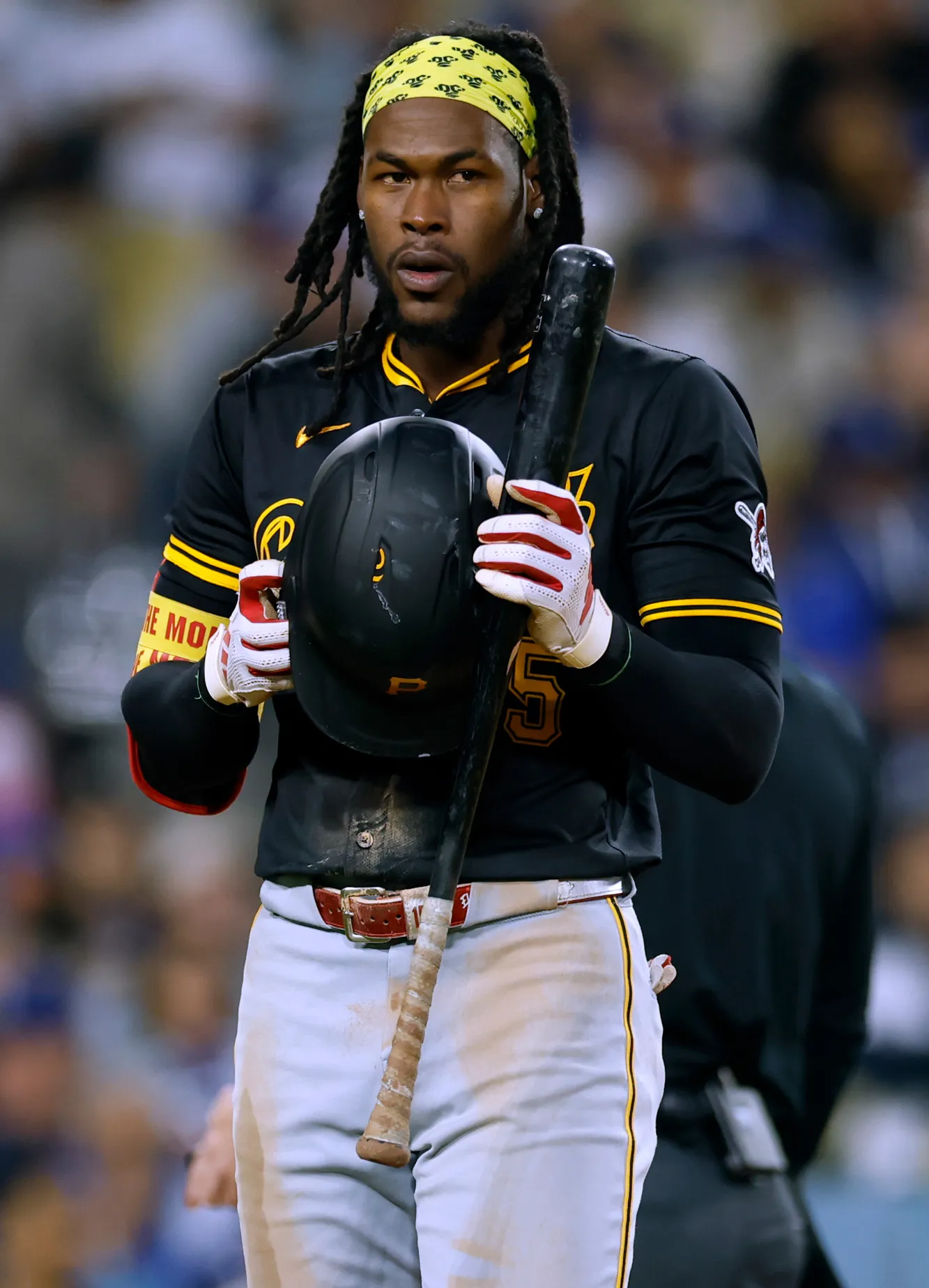
ProPublica’s investigation changes the picture by focusing not only on the crash, but on what allegedly happened afterward.
The reporting was based on interviews with more than 30 people, along with court documents, bank receipts and voice messages.
It alleges that Caraballo’s handling of the Cruz case helped establish his reputation as a powerful operator capable of solving difficult problems inside Dominican baseball.
None of that automatically means the original court dismissal was illegal.
Nor does it establish that Cruz personally directed every negotiation described in the report.
ProPublica’s account says Cruz’s parents brought Caraballo into the situation, and some of the strongest allegations concern the conduct of people acting around Cruz rather than Cruz personally.
Those distinctions matter.
But so does the human cost.
Three young people died.
Their families were approached while grieving.
Money changed hands.
Documents withdrawing legal claims were signed.
And a prosecution that initially appeared capable of threatening one of baseball’s most promising careers ultimately ended without a conviction.
Six years later, Cruz remains a major league player.
The court case remains dismissed.
But the story surrounding that dismissal no longer looks as simple as it once did.
The central question raised by the new reporting is not merely whether money was legally paid to grieving families.
It is whether wealth, connections and the enormous value of a young athlete’s future shaped a justice process that might have unfolded very differently for someone without those advantages.
For the families of Yohan Saba Mercado, Deby Beato Charles and Daniela Perez Garcia, that question is not theoretical.
The baseball career survived.
Their relatives did not.