Hundreds Searched for 5-Year-Old Saylor Hayes. Days Later, Her Parents Were Arrested
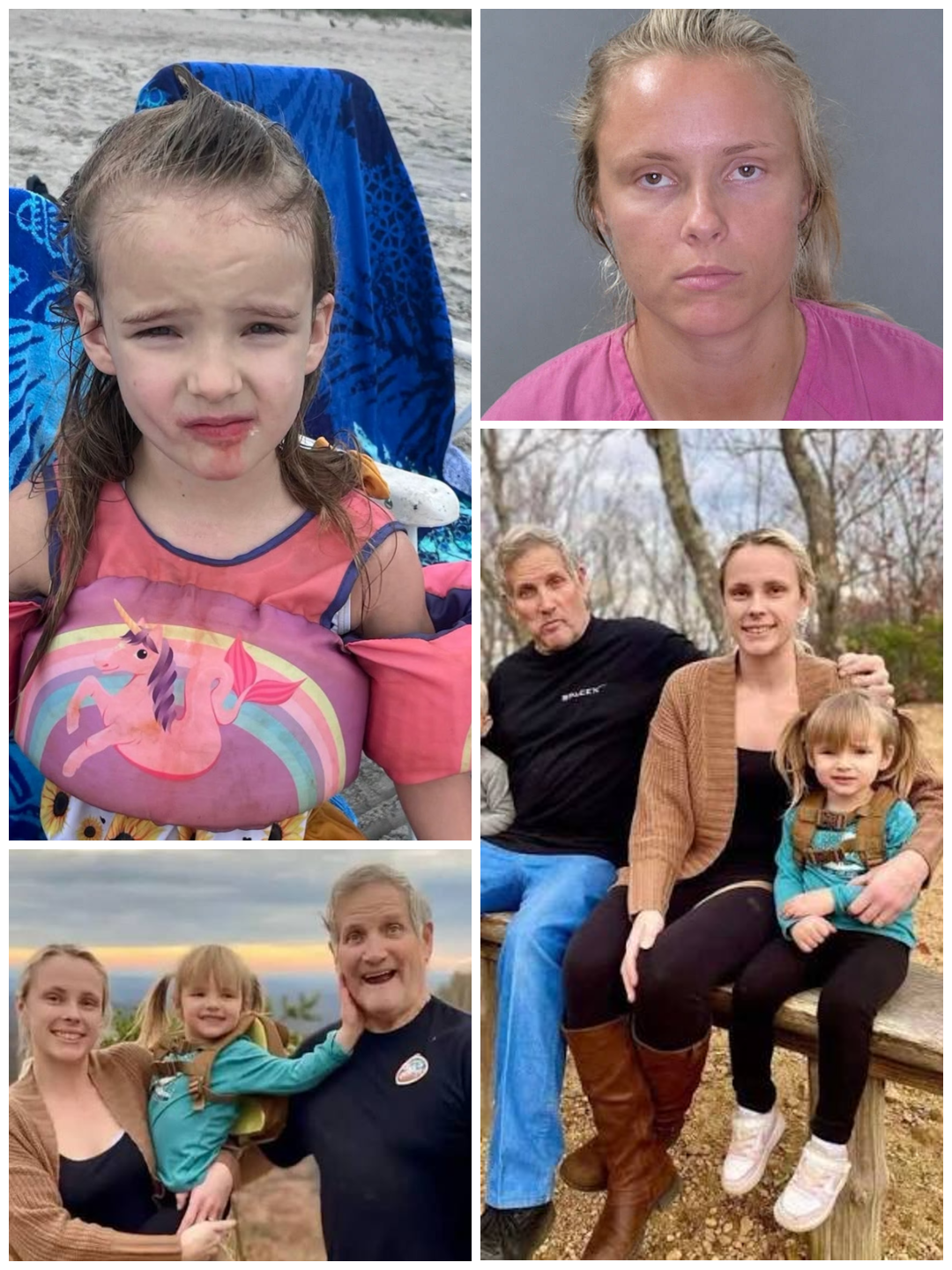
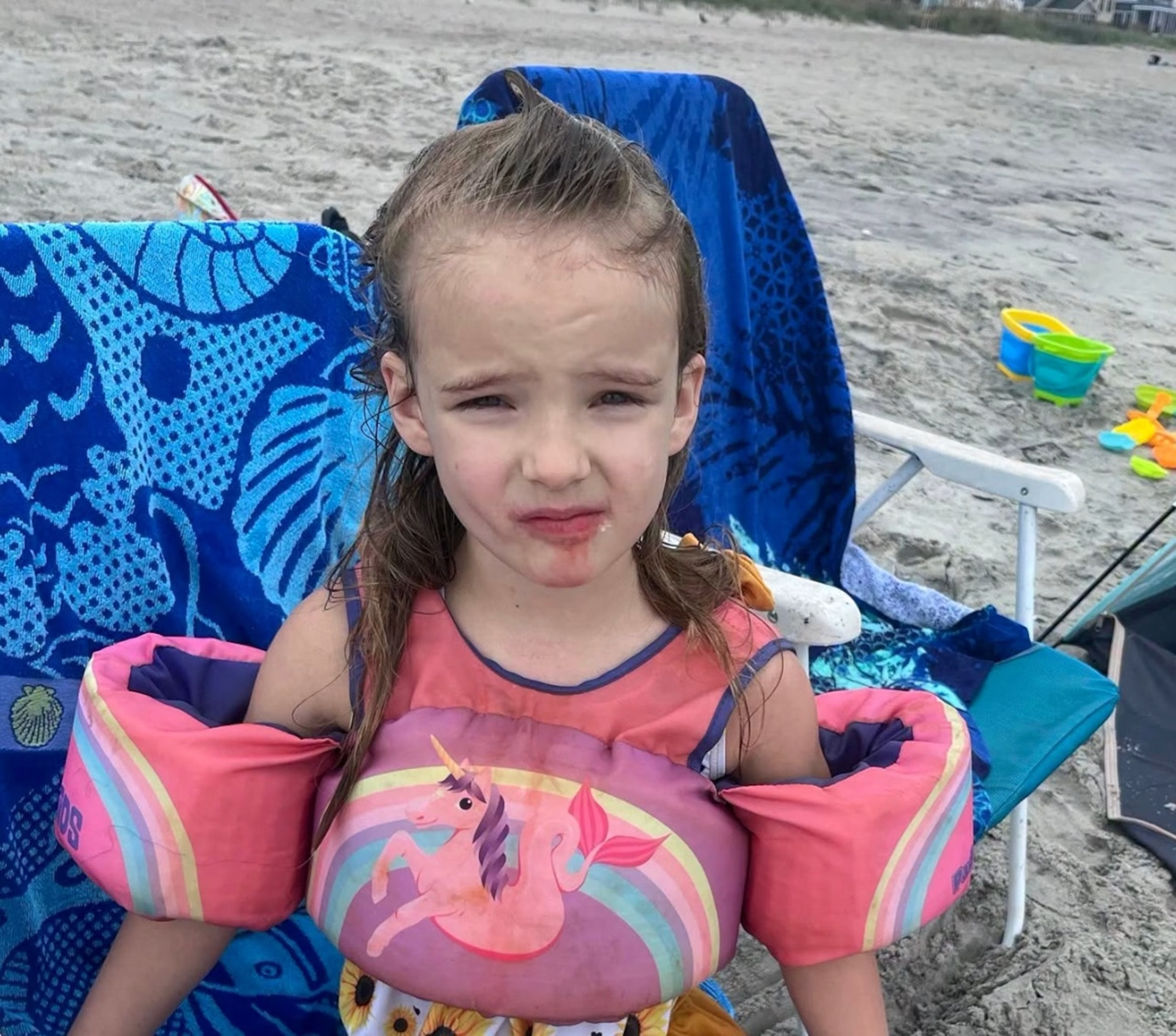
For hours, the mission was simple: find 5-year-old Saylor Hayes and bring her home alive.
Deputies, firefighters, divers, K-9 teams, helicopters and hundreds of residents spread across the Pawleys Island area of South Carolina after the nonverbal child was reported missing from a rental home on Aug. 30.
Neighbors checked properties. Boats searched the shoreline. Drones flew overhead. Search teams worked into the night.
But by the following morning, hope had turned into tragedy.
Saylor’s body was recovered around 9:45 a.m. on Aug. 31 from water near the area where she had last been seen.
Then, barely a day later, the case changed again.
Saylor’s parents, John Herb Hayes III and Geordyn Nichole Hayes, were arrested in Tennessee. Authorities charged each of them with unlawfully placing a child at risk or willfully abandoning a child.
The warrants behind those arrests contained allegations that dramatically changed the story investigators had been working with during the search.
According to authorities, Saylor’s parents knew she had a history of wandering, knew she had a particular attraction to water and knew the tracking transmitter normally used to help locate her was not on her.
Investigators allege they nevertheless encouraged searchers to try to locate Saylor using that tracker — while also directing parts of the search away from the water where she would ultimately be found.
The accusations have left one central question hanging over the case:
What did investigators believe Saylor’s parents failed to tell the people desperately trying to find their daughter?
A Search That Mobilized an Entire Community
Saylor was from the Bristol, Virginia, area and was staying with her family at a rental home along Old Waccamaw Drive in the Hagley community near Pawleys Island when she disappeared.
She had severe nonverbal autism and a documented history of elopement — a term commonly used when a vulnerable person wanders away from a safe location or caregiver.
Her disappearance triggered an unusually large response.
Multiple law-enforcement and emergency agencies joined the operation. Searchers used drones, K-9 teams, boats, divers, helicopters and an underwater drone. The U.S. Coast Guard also provided assistance.
Hundreds of residents searched their properties and surrounding areas, while others watched nearby docks and waterways.
One of the tools authorities hoped could provide a breakthrough was Project Lifesaver.
Saylor had been enrolled in the program in Virginia since June 2024. Participants considered at risk of wandering wear a small transmitter that broadcasts an individualized radio frequency, allowing trained search teams to locate them.
During the South Carolina search, a helicopter equipped with Project Lifesaver technology was deployed.
But searchers could not detect Saylor’s signal.
There was a reason.

The Tracker Was Hundreds of Miles Away
Authorities in Virginia later searched Saylor’s home and discovered her Project Lifesaver transmitter inside a vehicle on the property.
It had never traveled to South Carolina with her.
Officials said the specialized band holding the device cannot simply be unclasped by the wearer; it must be physically cut to remove it. They also said caregivers are responsible for ensuring it remains secured.
That discovery became one of the most consequential details in the investigation.
According to the arrest warrants, the monitoring device had been removed before the family left Virginia.
Investigators allege that after Saylor disappeared, her parents still “encouraged search efforts to be directed toward the use of tracking technology” despite knowing she was not wearing the device.
For teams searching by air and on the ground, the missing signal initially represented another mystery.
Investigators now allege Saylor’s parents already knew why there was no signal to find.
Authorities Say Searchers Were Also Directed Away From Water
The tracking device was not the only issue outlined in the warrants.
Investigators allege Saylor was left without safeguards and supervision appropriate for a severely nonverbal autistic 5-year-old with both a history of wandering and what authorities described as a known affinity for water.
The warrants further accuse her parents of directing search activity away from a nearby body of water after Saylor disappeared.
That allegation became particularly significant after the search ended.
At approximately 9:45 the next morning, Department of Natural Resources agents found Saylor’s body in the water near the area where she had last been seen.
An initial examination reportedly found no obvious external signs of trauma. A subsequent autopsy found fluid in her lungs, but additional testing remained underway, and authorities had not yet announced a final cause and manner of death when the latest information was released.
The distinction matters.
The charges against Saylor’s parents are accusations. Prosecutors will have to establish what occurred and whether the evidence meets the requirements of South Carolina law.
But the warrants explain why investigators shifted from a search for a missing child to examining the actions of the adults responsible for her safety.

From Grieving Parents to Defendants
John and Geordyn Hayes were arrested in Carter County, Tennessee, on Sept. 1.
Two days later, both appeared before a Tennessee judge and agreed to be returned to South Carolina rather than contest extradition.
As John Hayes left the courtroom, he was heard asking whether he would get an opportunity to tell his side of the story.
The couple was transferred to Georgetown County, where they appeared for a bond hearing on Sept. 5.
John Hayes’ attorneys asked that he be released, arguing in part that the parents wanted to be with family and attend their daughter’s funeral. Geordyn Hayes was seen crying during the proceeding.
The judge denied bond for both parents.
Their next scheduled preliminary hearing is Nov. 19.
Neither parent has been convicted, and the allegations against them remain subject to the court process.
The Detail That Changes How the Search Is Viewed
For those who participated, the emotional core of the case remains the same: hundreds of people spent an August night hoping a vulnerable little girl was somewhere nearby waiting to be found.
Searchers walked through neighborhoods, watched docks and scanned dark stretches of water and shoreline.
Many of them had never met Saylor.
For those hours, that did not matter.
“She became our family that day,” one woman who participated in the search later said during a vigil held for the child.
That sense of community makes the allegations in the arrest warrants especially difficult.
Investigators are not merely alleging inadequate supervision before Saylor disappeared. They are alleging that information provided during the emergency itself may have affected how rescuers searched for her.
The unanswered question is how much.
Would the search have unfolded differently if teams had immediately known the Project Lifesaver transmitter was hundreds of miles away in Virginia?
What would have happened if authorities had known from the beginning about Saylor’s attraction to water and focused even more heavily on the area where she was ultimately discovered?
Those questions cannot establish criminal responsibility by themselves, and authorities have not said that any single change would necessarily have saved Saylor.
But they are now at the heart of the investigation.
A case that began with hundreds of people searching for a missing 5-year-old has become an inquiry into what her parents allegedly knew, what they told authorities and whether crucial information was withheld at the moment it mattered most.
Nothing investigators uncover can change how the search ended.
What the court process may eventually determine is whether the people searching for Saylor were working with the full truth while they were still hoping to bring her home.