Mom Thought Baby Smelled Like Pancakes Due to Spilled Maple Syrup. It Was Actually a Sign of Something Deadly

When Megan Popps brought her newborn son home from the hospital, she noticed something strange.
Leo smelled sweet.
Not simply like a baby shampoo or freshly washed blanket. His scent reminded her and her husband, Devaughn Debelak, of pancakes and maple syrup.
At first, there seemed to be a perfectly reasonable explanation.
Popps remembered that pancakes had been served for breakfast at the maternity ward. Maybe some syrup had spilled onto Leo’s blanket.
The smell was not constant or overwhelming, so the new parents tried not to worry about it.
But days later, a phone call from the hospital changed everything.
Leo’s newborn screening had come back abnormal.
Soon, doctors discovered that the sweet smell was not food at all.
It was a symptom of Maple Syrup Urine Disease, or MSUD, a rare inherited metabolic disorder that can become life-threatening if it is not treated quickly.
The Sweet Smell Had Started at the Hospital
Popps, 30, welcomed Leo in February.
Like many newborns, he underwent a heel-prick screening before leaving the hospital. The test is designed to look for a number of rare genetic, hormonal and metabolic disorders that may not be obvious immediately after birth.
Afterward, mother and baby were discharged home.
But Popps could not completely forget the unusual smell.
She described Leo as smelling “sickeningly sweet” and unusually sugary.
She and Debelak had actually noticed it while they were still at the hospital.
Because pancakes were being served nearby, Popps initially assumed the scent had transferred onto something around the baby.
Even after they returned home, the smell appeared only occasionally.
That made it easier to dismiss.
Then doctors called.
Something in Leo’s screening results was not right, and the family was told the test needed to be repeated.

One Detail Led Her to a Rare Disorder
Popps and Debelak returned to the hospital the following day for another test.
As she tried to understand what doctors were investigating, Popps learned that the concern involved Leo’s amino acid profile.
She began researching online.
That search led her to something she had never expected to find: Maple Syrup Urine Disease.
The name immediately stood out.
MSUD is associated with a distinctive sweet odor that has often been compared to maple syrup.
Suddenly, the smell she had noticed on Leo no longer seemed like a harmless coincidence.
According to the Cleveland Clinic information cited by PEOPLE, MSUD occurs when the body cannot properly break down three branched-chain amino acids: leucine, isoleucine and valine.
These amino acids come from protein.
When the body cannot process them normally, dangerous substances can build up in the blood and tissues.
For Popps and her husband, the possibility was difficult to comprehend.
The condition is extremely rare.
Yet the strange smell they had been trying to explain suddenly fit.
Leo’s Levels Were Already Critical
Further testing confirmed that Leo’s amino acid levels had reached a dangerous point.
Doctors needed to act quickly.
Leo was placed on hemodialysis, a treatment used to remove harmful substances from the blood.
The newborn ultimately spent three weeks in the neonatal intensive care unit before he was stable enough to return home.
For his parents, the experience transformed the meaning of something as ordinary as a sweet smell.
What they initially associated with breakfast had actually been one of the few visible — or in this case, detectable — clues that something serious was happening inside their son’s body.
Popps said doctors told the family that without treatment, the situation could have become catastrophic very quickly.
“It can be fatal if left untreated,” she told PEOPLE, adding that Leo could have slipped into a coma within days or lost his life.
What Is Maple Syrup Urine Disease?
Despite its unusual name, MSUD is a serious inherited metabolic disorder.
PEOPLE, citing the Cleveland Clinic, reported that it occurs in approximately one out of every 185,000 babies.
Because people with MSUD cannot properly process certain amino acids, levels can build up to toxic concentrations.
Without appropriate treatment, those imbalances can affect the brain and nervous system.
Complications may include neurological problems, movement disorders and metabolic crises.
Illness, infection, physical stress or improper dietary control can cause dangerous changes in amino acid levels, potentially leading to coma or death.
That makes early detection especially important.
Newborn screening programs can identify babies who appear healthy but have metabolic conditions requiring immediate treatment.
In Leo’s case, the screening results and the unusual scent together helped point doctors and his parents toward the correct diagnosis.
His Diet Will Be Carefully Controlled
Leo eventually went home after three weeks in the NICU, but the diagnosis will continue to shape his life.
Popps said her son will need to carefully control his protein intake.
She described the diet as extremely strict and said he will need to avoid meat and dairy.
His parents will also have to monitor the amount of protein he consumes throughout his life.
Because certain amino acids are found in protein-rich foods, dietary management is one of the ways people with MSUD can reduce the risk of toxic buildup.
Popps said Leo will remain at risk of another metabolic crisis.
A liver transplant may also become an option in the future, though his family would have decisions to make about whether to pursue that route.
For now, his parents are learning how to manage a condition they had never expected to become part of their family’s life.
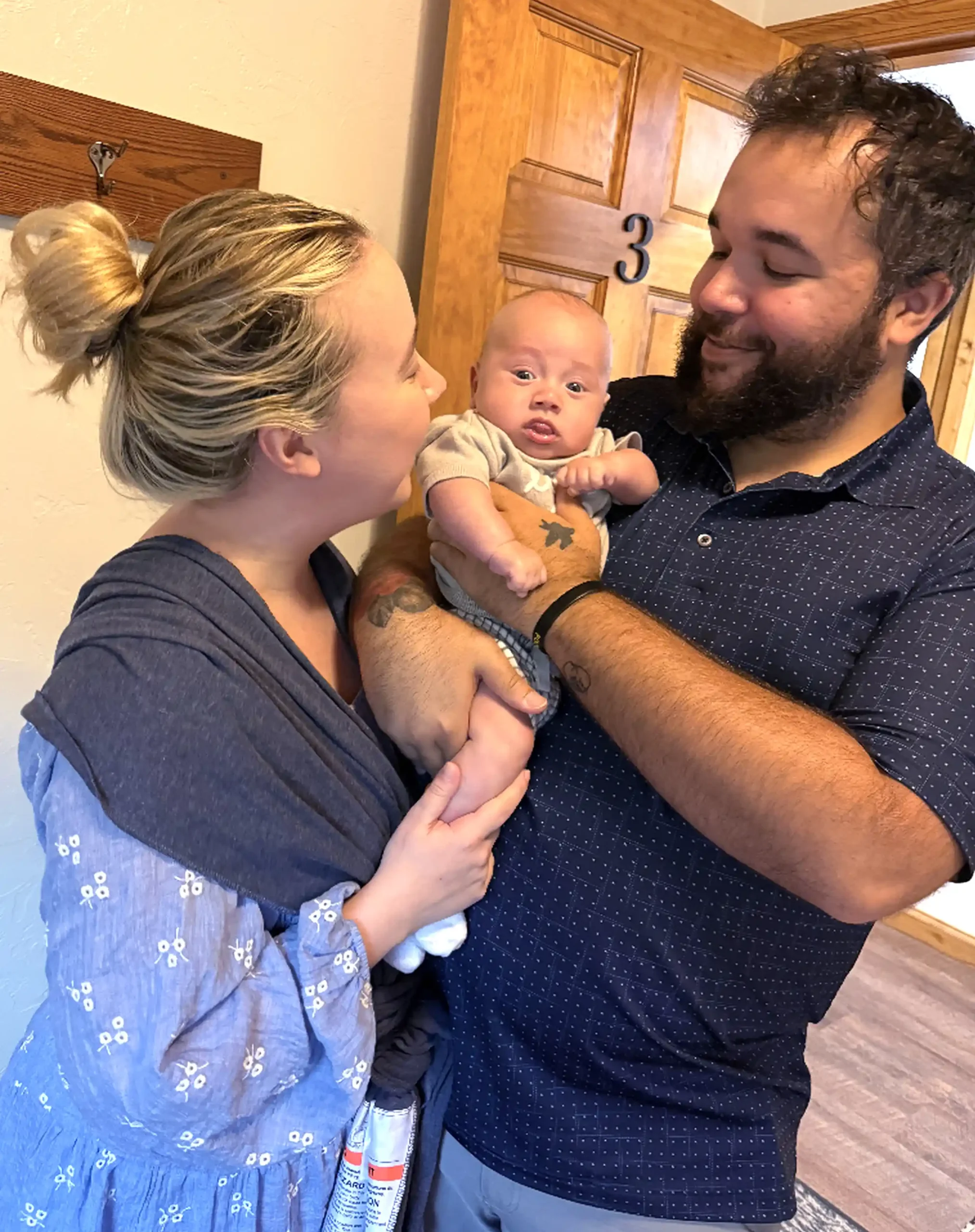
Popps Believes the Smell Helped Save Him
Looking back, Popps believes the strange pancake-like scent played an important role in getting Leo help.
The smell gave her something concrete to hold onto.
Without it, she believes she might have dismissed her concerns as the normal anxiety of a first-time mother.
New parents are constantly confronted with unfamiliar sounds, movements, feeding patterns and changes.
It can be difficult to know which details matter.
Popps said the maple-syrup smell helped prevent her from simply convincing herself that everything was fine.
“I think that pancake and maple syrup smell absolutely helped save his life,” she told PEOPLE.
The detail that once seemed amusing or easily explained became, in retrospect, a warning sign.
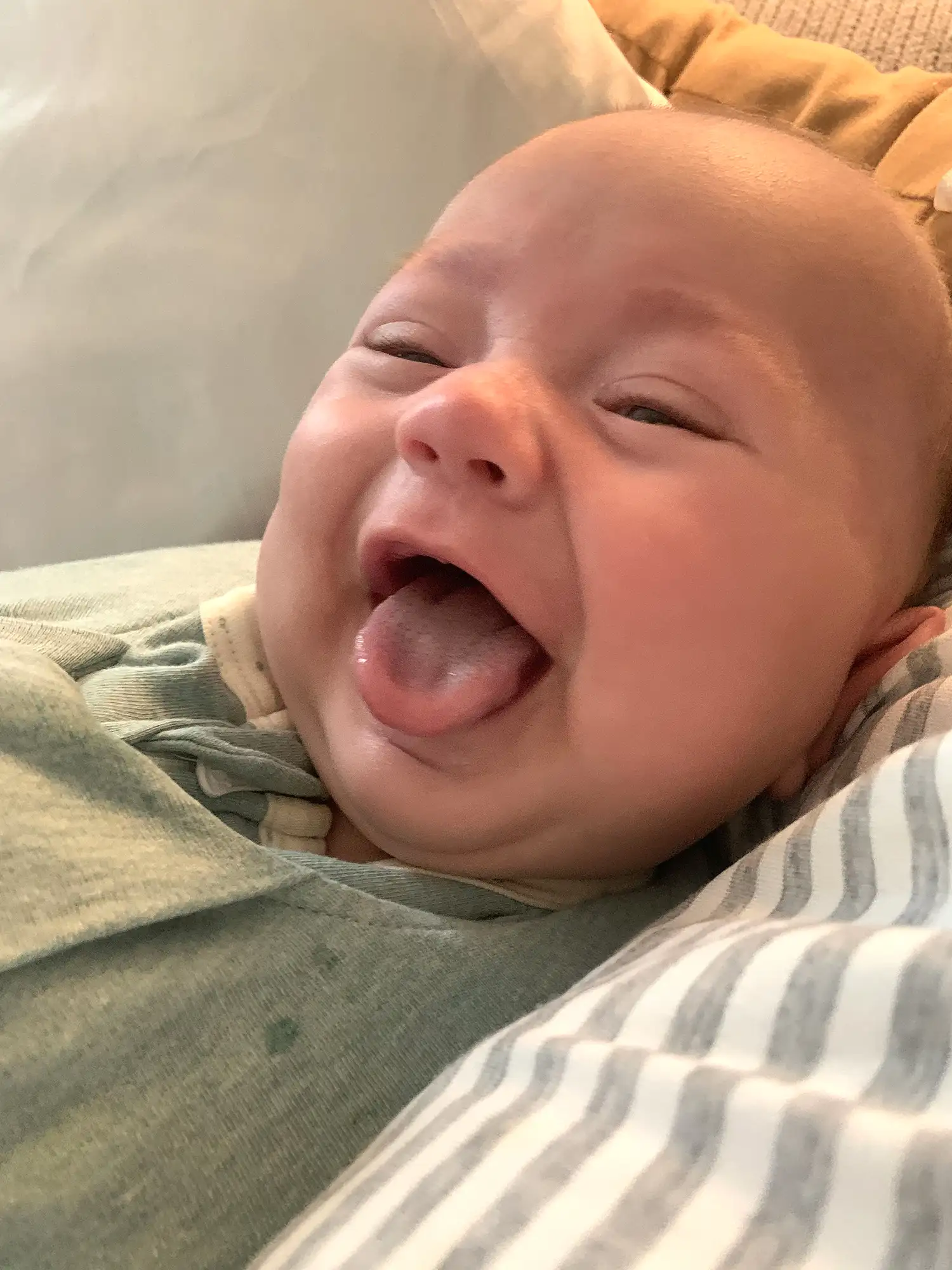
The Family Can No Longer Look at Maple Syrup the Same Way
The experience has even changed breakfast in the Popps-Debelak household.
Popps said the family got rid of syrup, French toast and waffles because the smell now carries such disturbing memories.
They have not had a sweet breakfast since.
It is an understandable reaction.
For most people, the smell of maple syrup is comforting.
For this family, it became associated with hospital calls, emergency treatment and the realization that their newborn son was dangerously ill.
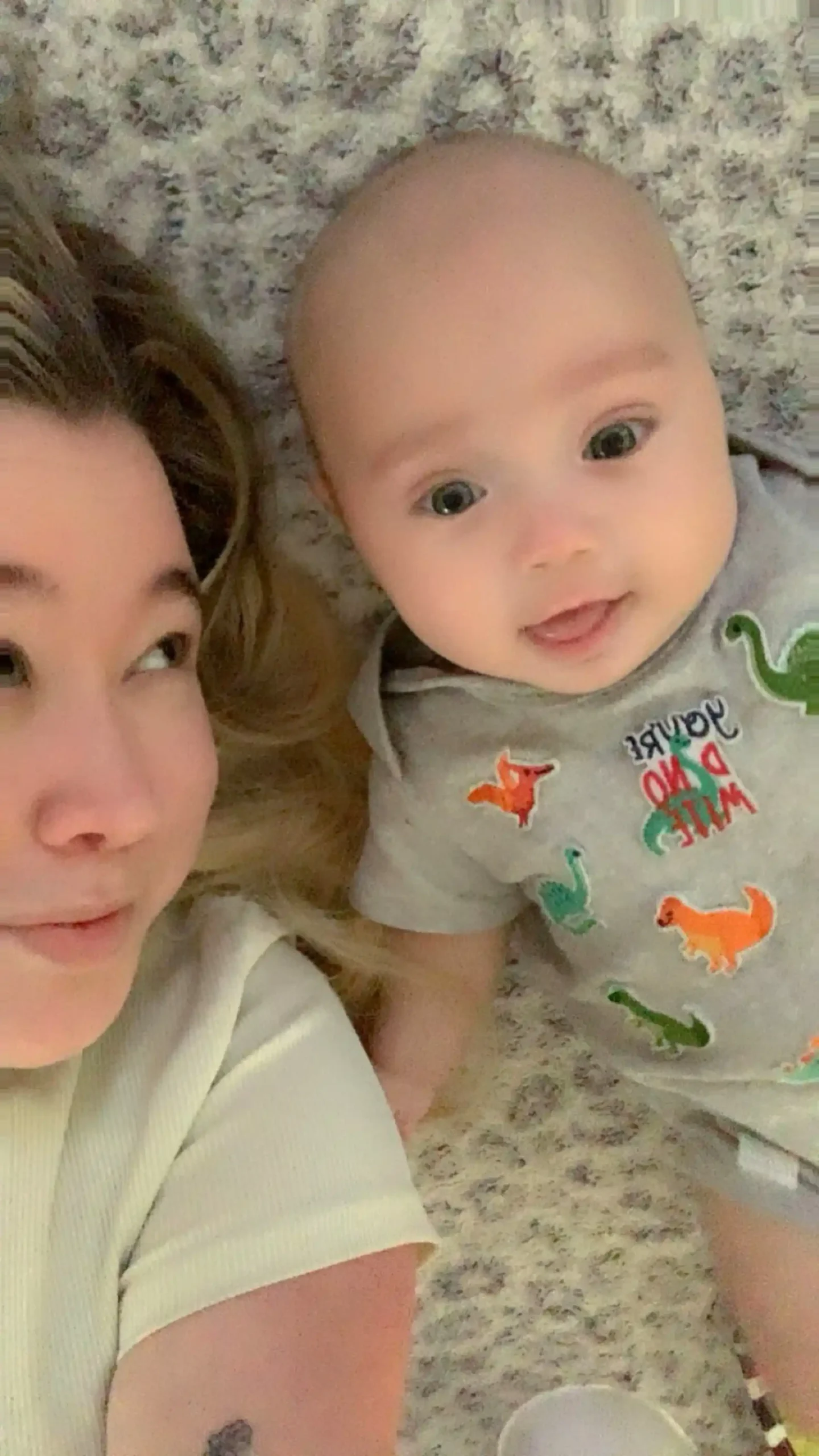
An Ordinary Detail Became the Most Important Clue
Leo’s story is a reminder that rare medical conditions can first appear through details that seem insignificant.
His parents did not initially see a visibly sick baby.
They noticed a smell.
And because there was such an ordinary explanation available — pancakes in the hospital — it would have been easy to forget about it completely.
Fortunately, Leo’s newborn screening raised another warning.
The two clues eventually converged.
A strange scent.
An abnormal amino acid result.
And then a diagnosis his parents had never heard of before.
The condition will require lifelong attention, dietary management and awareness of future metabolic crises.
But Leo is home.
And for his mother, the detail she once dismissed as spilled breakfast has taken on an entirely different meaning.
She thought her baby smelled like pancakes.
It turned out his body was sending a warning.
And recognizing that warning may have helped save his life.