A Bird ‘Talked Back’ to Him at Age 4. Now This 12-Year-Old Can Mimic More Than 100 Calls
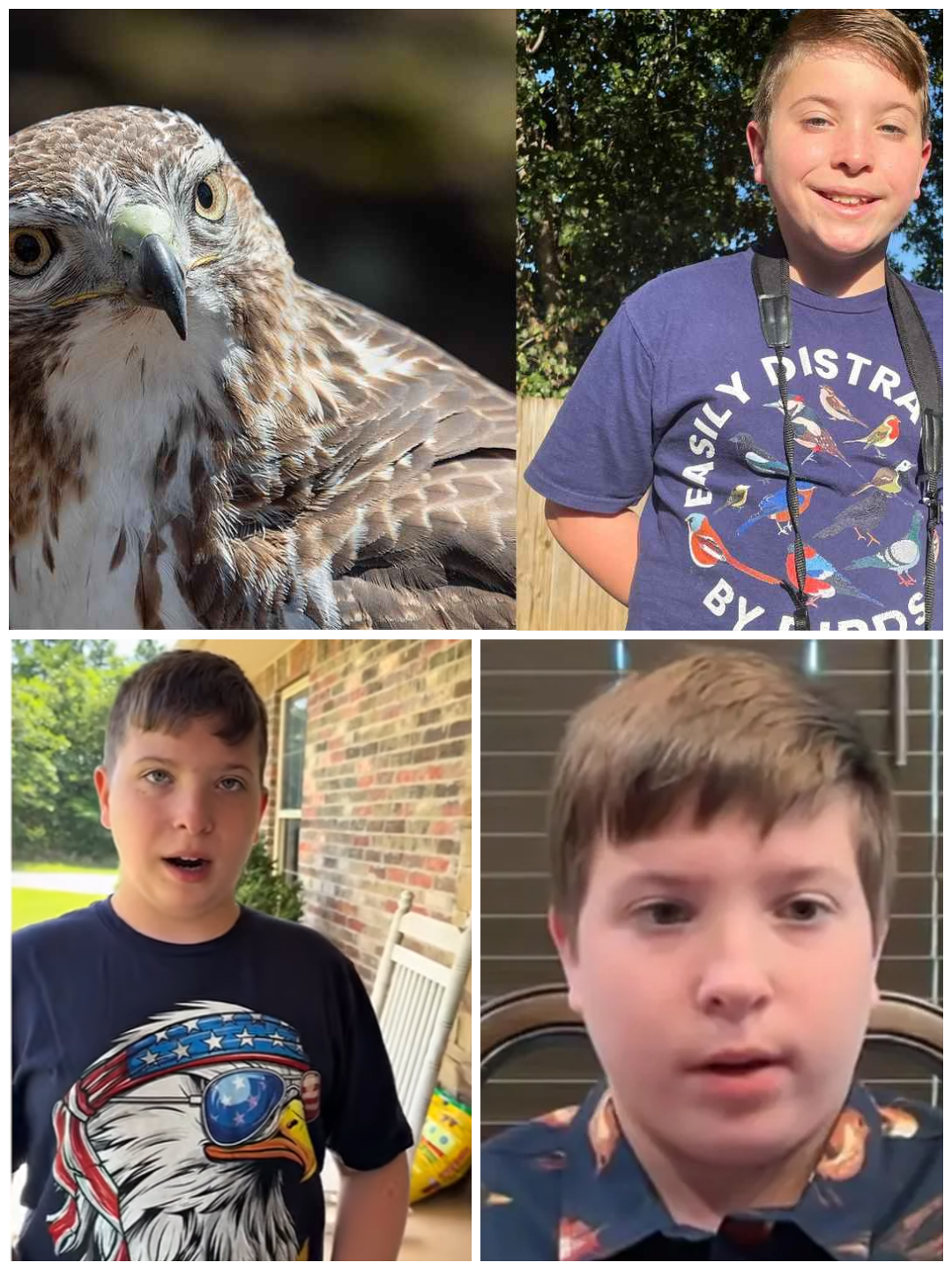
Most 12-year-olds can imitate a few funny sounds.
Samuel Henderson can imitate an entire forest.
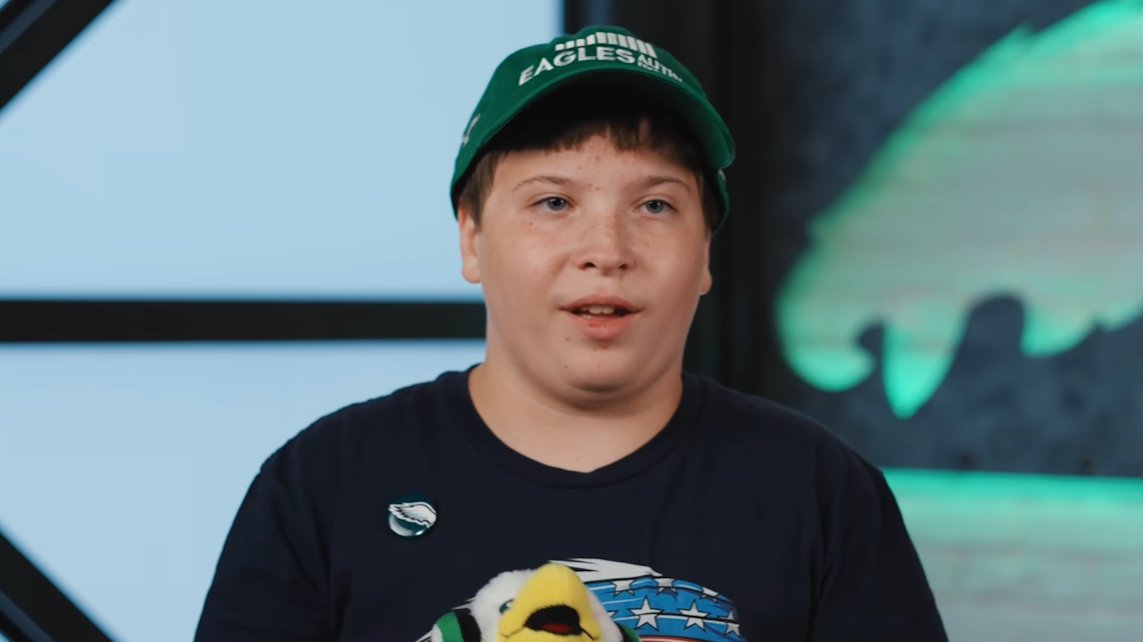
The Oklahoma boy, known online as “Sam the Birdcaller,” has gone viral for an unusual talent that sounds almost impossible until you hear it: he can mimic more than 100 different bird calls with remarkable accuracy.
Owls.
Cardinals.
Blue jays.
Gulls.
Magpies.
Even birds many adults have never heard of, let alone tried to imitate.
But Samuel says his fascination with bird sounds began years before social media discovered him — with one small moment at a zoo when he was only 4 years old.
He tried copying a great-tailed grackle.
And the bird answered him.
“When I was in the zoo … when I was 4, I was mimicking this great-tailed grackle and it talked back,” Samuel recalled during a recent interview with ABC News.
For a little boy already fascinated by animals, the exchange was enough to spark something much bigger.
Samuel began paying attention.
Not just to birds themselves, but to the differences in their voices.
Some chirped.
Some whistled.
Some produced sharp alarms.
Others made strange noises that barely sounded like birds at all.
Over time, he started trying to recreate them.
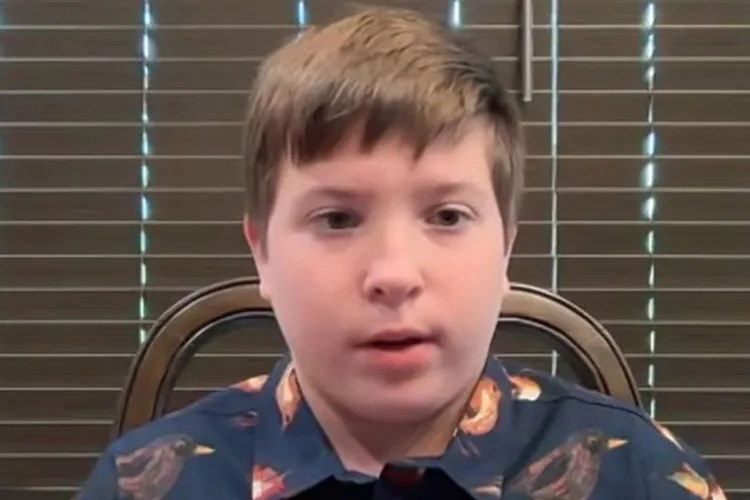
There was no formal bird-calling coach guiding him through lessons.
Samuel largely taught himself.
He told ABC News that he learned by listening to birds outside and watching videos on his phone. He would hear a call, study it, then experiment until he could reproduce it with his own voice.
Eventually, one call became dozens.
Dozens became more than 100.
And what had started as a private childhood interest became something capable of stopping a room full of people in their tracks.
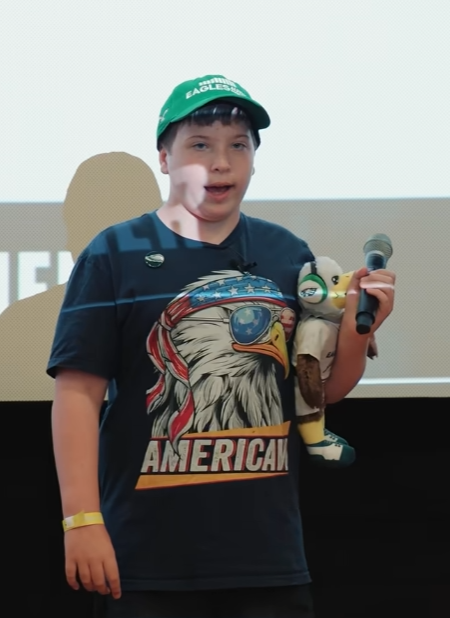
One of the moments that helped bring Samuel widespread attention came at his school talent show.
He stood in front of classmates and demonstrated a series of bird calls.
At first, the performance could have seemed like a charming novelty.
Then Samuel kept going.
His impressions became more difficult and more convincing, and the reactions around him changed.
A video of the performance spread online, where millions of viewers watched the 12-year-old move effortlessly from one species to another. One viral report noted that Samuel had mastered 114 calls and that footage from the talent show drew tens of millions of views.
His classmates apparently reacted much the same way as the internet.
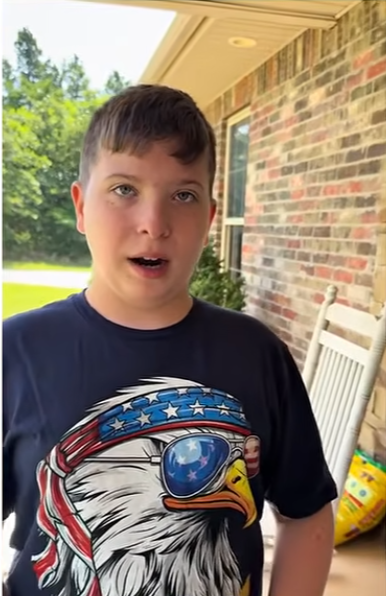
Samuel said his friends now think his ability is “pretty cool” and frequently ask him to perform specific calls.
That is a very different response from what a child with an unusual niche interest might sometimes expect.
Instead of hiding his fascination with birds, Samuel has turned it into something that makes people curious.
And social media has amplified that curiosity dramatically.
By September 2026, his parent-run Instagram account had accumulated more than 628,000 followers, according to PEOPLE.
His videos are simple.
Often, Samuel holds up a picture or stuffed version of a bird and then produces the sound.
In one July 4 post, he demonstrated the calls of several American species, including an owl and an American herring gull.
The appeal is easy to understand.
There is no elaborate trick.
No major production.
People watch because they are trying to figure out how a human child can make a sound that seems as though it should be coming from a tree several yards away.
Samuel’s talent is especially impressive because bird vocalizations can be extremely difficult to reproduce.
Some calls depend on pitches outside a comfortable human vocal range.
Others contain rapid changes, unusual textures or complex sequences.
Samuel is the first to admit that he cannot imitate everything.
“There’s been a lot of birds that were very challenging to mimic,” he said. “Some that I can’t mimic at all cause they’re too complex and high-pitched.”
That humility makes his repertoire of more than 100 calls even more striking.
When asked during his ABC interview to demonstrate one on the spot, Samuel chose a blue jay.
The sound immediately impressed the reporter interviewing him.
His favorites, however, stretch well beyond common backyard birds.
Samuel has said his favorite bird is the resplendent quetzal, the brilliantly colored species native to Central America.
He also particularly enjoys imitating the Australian magpie.
Those choices reveal something important about his interest.
This is not just about making funny noises.
Samuel appears genuinely fascinated by birds as animals.
The calls are part of a much wider curiosity about species, behavior and the natural world.
That may explain why his story has connected with so many people.
At a time when children are often described as spending too much time disconnected from nature, Samuel’s viral fame began with exactly the opposite impulse.
He listened.
He noticed a bird.
He tried speaking its language.
And when it seemed to answer him, he kept listening.
Years later, that childhood interaction has grown into a skill that most adults would struggle to replicate even with extensive practice.
There is also something refreshing about the way his talent developed.
Samuel did not begin learning bird calls because he thought they would bring him followers.
He began because he liked birds.
The audience came later.
That distinction is easy to lose when a child suddenly becomes internet-famous.
More than half a million people may now follow his performances, but Samuel’s original audience consisted of actual birds.
One of the funniest parts of his story is that those birds sometimes still respond.
Videos posted by his family have captured moments when Samuel makes a call outdoors and a real bird apparently answers.
For someone whose fascination began with a grackle “talking back” at the zoo, it feels almost like the story repeating itself.
Only now, Samuel has a much larger vocabulary.
His rise has also introduced thousands of viewers to birds they might otherwise never have noticed.
Someone who watches for the impressive imitation may leave wondering what a resplendent quetzal looks like.
Someone amused by an owl call may become curious about the species behind it.
That is part of what can make a highly specific childhood obsession surprisingly valuable.
Passion is contagious.
The more excited Samuel becomes about birds, the more interested the people watching him become too.
His story is a reminder that remarkable abilities do not always begin in classrooms, competitions or carefully designed training programs.
Sometimes they begin with a child paying unusually close attention to something everyone else walks past.
At 4 years old, Samuel heard a bird at the zoo and answered it.
The bird appeared to answer back.
Eight years later, he can reproduce more than 100 different calls, entertain a school auditorium and leave hundreds of thousands of strangers staring at their screens in disbelief.
There will always be more species he cannot imitate.
There will always be calls too high, too fast or too complicated for a human voice.
Samuel already knows that.
But perhaps that is part of what keeps the fascination alive.
There is always another bird to hear.
Another sound to study.
Another challenge to try.
And somewhere outside, there may still be a bird listening — ready to answer him back.