Brie Bird’s Mom Opens Up About ‘Guilt for Breathing’ One Month After 9-Year-Old’s Death
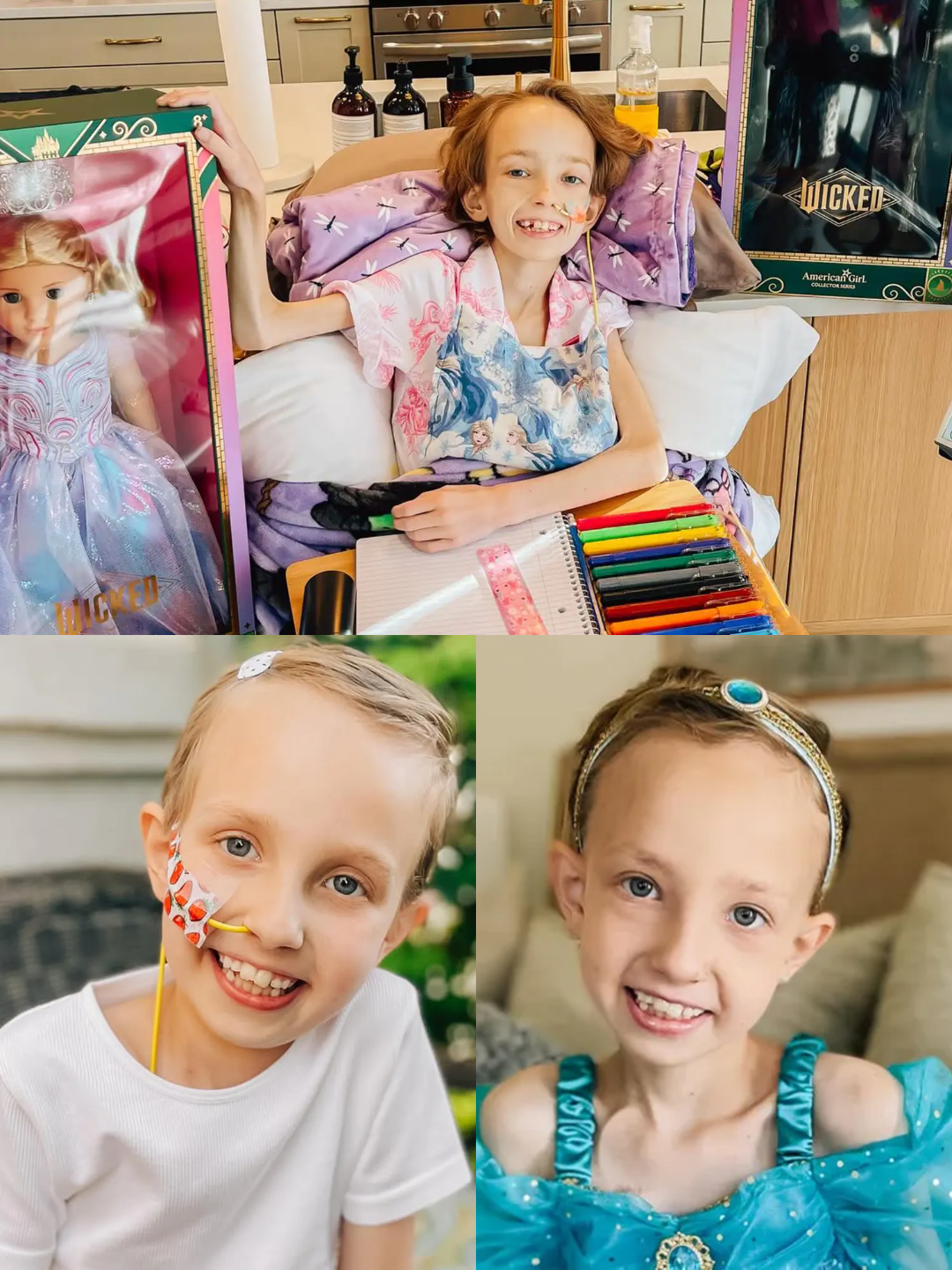
One month after 9-year-old Brie Bird died following a five-year battle with stage 4 neuroblastoma, her mother is opening up about a form of grief she says can turn even the simplest family ritual into an unbearable reminder of what has been lost.
Kendra Bird recently shared an emotional reflection as her family began taking down the Christmas decorations that had filled their Utah home during Brie’s final months.
For many families, packing away a tree marks the quiet end of the holiday season.
For Kendra, it felt like something entirely different.
She described a mixture of panic, disbelief, anger and guilt — including guilt over continuing to breathe while her daughter no longer could.
The decorations had become more than ornaments, lights and boxes.
They were physical reminders of a time when Brie was still there.
“This tree saw her alive,” Kendra wrote while reflecting on the family’s final Christmas with their daughter.
The Tree Had Become a Record of Brie’s Final Months
Brie died on Dec. 11, 2025, after living with recurring neuroblastoma for approximately five years.
Her story had become familiar to more than one million followers online, many of whom watched as her family documented treatment, hospital stays, hopeful milestones and increasingly difficult updates.
By the time Christmas approached last year, Brie’s health had deteriorated significantly.
Her family made the decision to celebrate the holiday two months early after her condition changed rapidly. The house was decorated, presents were placed around the fireplace and the family created a Christmas experience while Brie was still well enough to participate.
Those decorations therefore came to represent far more than a holiday.
They belonged to a moment when Brie was still talking, laughing and making memories inside the family home.
That is why, weeks after her death, Kendra said taking the tree down felt almost like betrayal.
She wrote that leaving it up allowed part of her to imagine that the finality of Brie’s death had not fully arrived.
Packing it away meant confronting silence.
Brie Had Been Fighting Cancer Since 2020
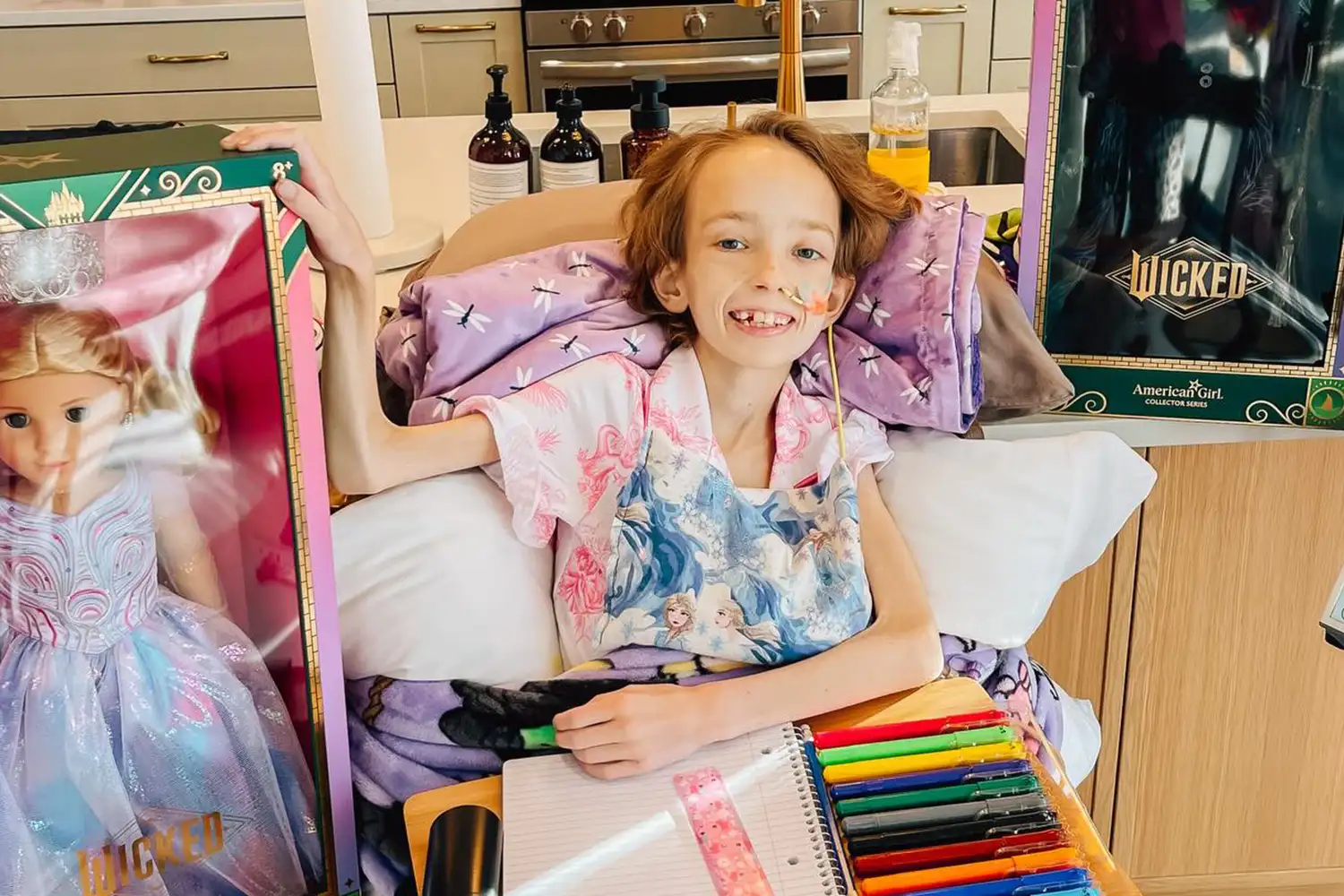
Brie’s medical journey began in 2020.
Doctors discovered an approximately 8-centimeter tumor in her abdomen, along with cancer that had spread into other areas of her back.
She was diagnosed with neuroblastoma, a cancer that most often develops in immature nerve cells and primarily affects children.
The years that followed brought intensive treatment and long periods of uncertainty.
At one stage, the family received the news they had desperately hoped for: Brie was cancer-free.
That period lasted roughly two years.
Then, in January 2024, the cancer returned.
The recurrence began another exhausting chapter of treatment.
By July 2025, Brie had entered hospice care.
Her mother later spoke openly about the conflict of wanting a miracle while simultaneously being forced to recognize that medicine might no longer be able to change the outcome.
In October, Kendra described the emotional weight of watching her daughter’s condition worsen, saying every day felt heavy as the family tried to balance hope with the reality of a terminal illness.
Brie Chose to Spend Her Final Time at Home
As treatment options became increasingly limited, Brie decided she wanted to spend the remainder of her life at home with her family.
That choice changed the rhythm of the household.
The family’s goal became less about hospital schedules and more about filling the time they had with experiences Brie wanted.
Christmas was one of them.
Rather than waiting until December, they brought the holiday forward.
The decision carried urgency, but it also created memories Kendra now says have become sacred.
Several weeks later, Brie was still alive when another important milestone arrived.
She had been given a private screening of Wicked: For Good months before the movie’s general release after people involved with the film learned about her story.
When the official release date arrived on Nov. 21, her family celebrated at home.
Kendra noted that reaching that date had once seemed almost impossible given the uncertainty surrounding Brie’s health.
Her Final Day Came Faster Than the Family Expected
Brie died on Dec. 11.
In the days afterward, Kendra shared details from her daughter’s final hours.
Just one week before writing about them, she said the family had been having ordinary conversations.
Brie was discussing additions to her Christmas list, asking questions about a movie they had watched and talking about sleeping in her room on Christmas Eve.
Then she fell asleep.
Her family never heard her voice again.
That abrupt transition from ordinary conversation to irreversible loss has remained one of the most painful parts of Kendra’s grief.
The family had known Brie was seriously ill.
They had entered hospice.
They understood that time was limited.
But knowing death is approaching does not necessarily make the moment itself feel real.
‘Guilt for Breathing’
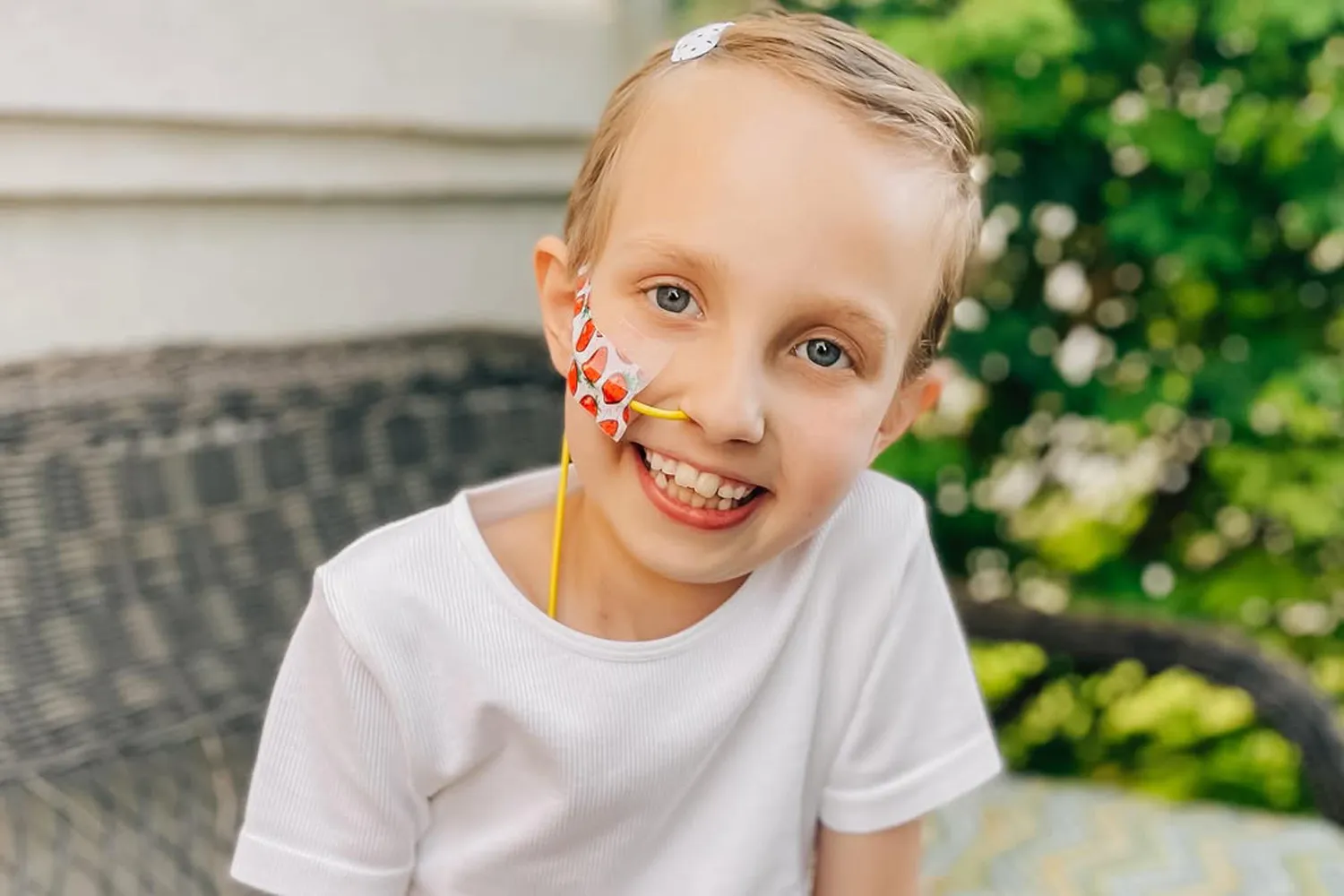
In her January reflection, Kendra described grief as something physical and contradictory.
She said removing the decorations brought “panic, disbelief, guilt for breathing, anger at the calendar” and a tenderness so intense that even touching memories could hurt.
Her words captured a reality often described by grieving parents: life continues even when they do not feel ready for it to move forward.
The calendar advances.
Holiday decorations come down.
Other people return to routines.
But inside the family, time can remain divided between a “before” and an “after.”
Kendra said the Christmas tree had become evidence that there had once been a before — proof that Brie had been there.
She ultimately acknowledged that the tree had completed its purpose.
It had held Brie’s joy during one final Christmas.
That, she wrote, made it sacred.
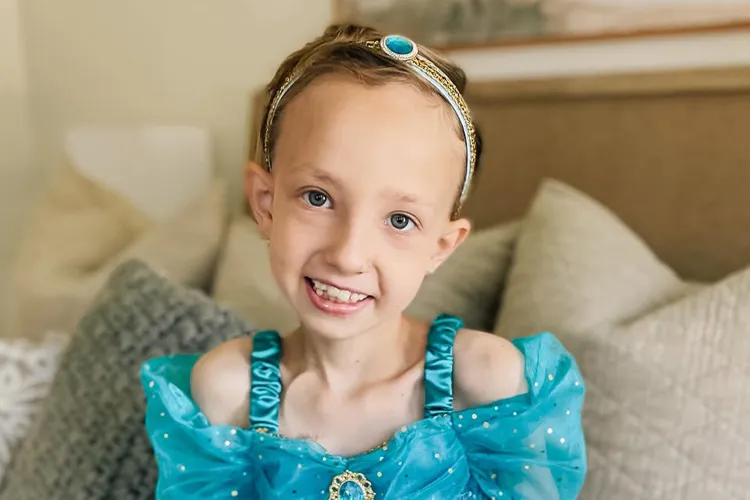
Brie’s Online Community Continues to Remember Her
Brie’s story reached far beyond her family home.
More than one million people followed her health journey on social media.
Her videos and updates attracted support from strangers around the world, including people who sent messages, gifts and prayers.
Her story also reached members of the Wicked cast, who arranged a care package and private screening during her final months.
After her death, the family continued using the same online community to share memories.
Rather than ending Brie’s story with the announcement of her death, Kendra has continued documenting what grief looks like afterward.
That has included speaking openly about the moments that are hardest to explain from the outside.
A Christmas tree.
An empty room.
A date on the calendar.
Ordinary objects that now carry the weight of a child who is no longer physically there.
The Family Has Continued Building Memorials in Her Honor
In the months after Brie’s death, her family created additional ways to keep her memory present.
One of the most personal was a dragonfly-shaped garden.
The symbol had special meaning because Brie had once told her mother that if anything ever happened to her, she would come back to visit as a dragonfly.
Nearly six months after her death, Kendra again reflected publicly on the family’s life without Brie, sharing photographs from her funeral and memories of the months since they lost her.
The garden, like the Christmas tree, became another physical place where grief and memory could coexist.
Remembering More Than the Illness
Brie’s cancer diagnosis shaped much of her childhood, but her family has repeatedly made clear that the disease was not the whole of who she was.
She loved movies.
She celebrated holidays.
She made plans.
She built connections with people who had never met her in person.
And she remained deeply embedded in the everyday life of her family until her final days.
For Kendra, the challenge now is living in a world where all of those memories remain but Brie does not.
Taking down the Christmas tree forced that reality into focus.
It meant touching ornaments that Brie had seen.
Folding away decorations that had surrounded her.
And confronting the fact that the last Christmas they shared could not be repeated.
Yet Kendra’s message also contained another idea.
The tree did not become meaningless because Brie died.
It became more meaningful.
It carried one final season of her daughter’s joy.
And for a mother learning how to live with unimaginable absence, that memory is now something she can keep — even after the decorations are gone.