A Black Mother Was Found Hanging From a Tree in Mississippi. Now Police Say It Was Homicide — and More Arrests May Be Coming

When 29-year-old Tasia Fortune was found hanging from a tree behind an abandoned house in Jackson, Mississippi, the circumstances immediately unsettled people far beyond the city.
She was a Black woman.
She was a mother of four.
And she had been found hanging from a tree in a state whose history is inseparable from some of America’s most notorious acts of racial terror and lynching.
For weeks, however, authorities stopped short of saying exactly what had happened.
They had not publicly classified Fortune’s death as suicide.
They had not called it murder.
Her family insisted she would never have taken her own life, while investigators asked the public not to jump to conclusions before the medical examiner finished reviewing the evidence.
Then, in September, the case changed dramatically.
The Mississippi State Medical Examiner’s Office officially determined that Fortune’s death was a homicide.
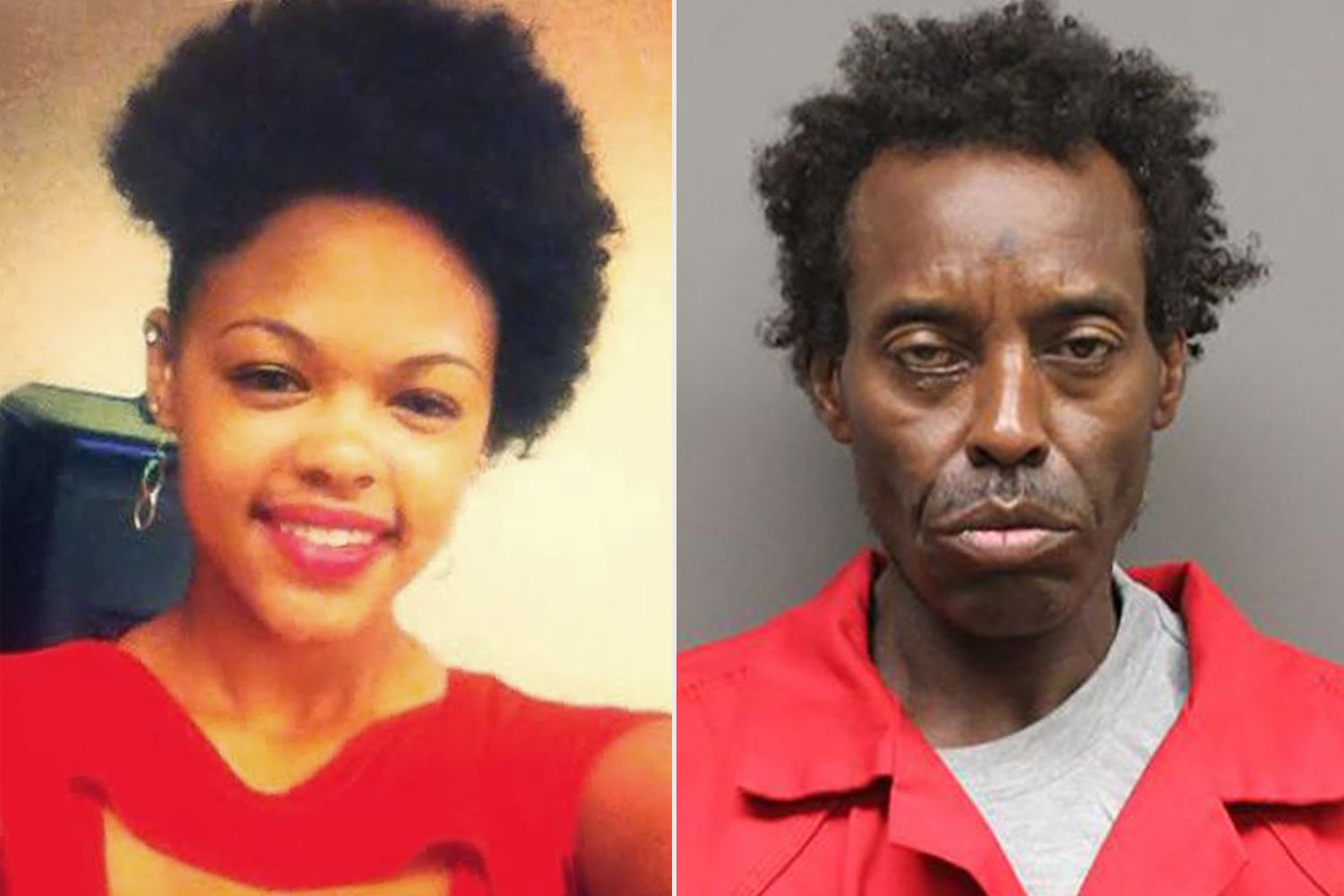
Within hours, Jackson police arrested 51-year-old Jarques Ratliff and charged him with murder.
And Police Chief RaShall Brackney made clear that the arrest may only be the beginning.
“This case remains active, and additional arrests will be pending,” Brackney said.
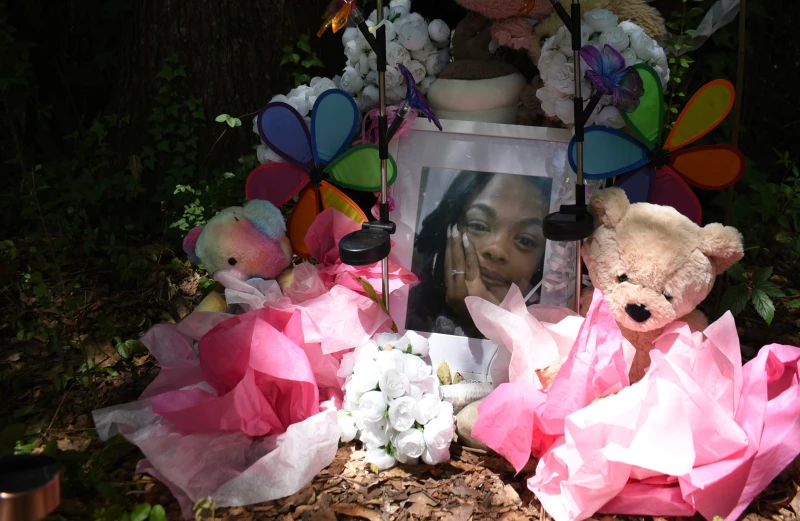
Fortune’s body was discovered on Aug. 3 in the backyard of a vacant home in Jackson.
Very little about the scene was initially made public.
But the image of a Black woman hanging from a tree triggered immediate fear, anger and speculation, particularly because of Mississippi’s long history of lynching and racial violence.
Authorities repeatedly cautioned that they had not established a racial motive.
That remains true.

Police and prosecutors have not announced that Fortune was targeted because of her race, nor have they described the killing as a hate crime.
Ratliff, who is also Black, had some kind of “association” with Fortune, according to Brackney, but investigators have declined to describe the nature of that relationship publicly.
That unanswered question has become one of the central mysteries surrounding the case.
How did Ratliff know Fortune?
What motive do police believe was involved?
And if investigators expect additional arrests, who else do they believe participated in the events leading to her death?
For now, police are saying very little.
The first major breakthrough came on the evening of Sept. 10, when the medical examiner formally classified Fortune’s death as homicide.
Brackney later said investigators had already obtained search and arrest warrants and were waiting for that determination before acting.
The next day, officers encountered Ratliff walking on a Jackson street and arrested him on a murder charge.
Police said they had interviewed nearly 15 people, collected forensic evidence and pursued multiple leads before making the arrest.
Brackney called the development significant but emphasized that investigators had not reached the end of the case.
That distinction matters.
An arrest can create the impression that a mystery has been solved.
In Fortune’s case, police are explicitly saying otherwise.
At Ratliff’s first court appearance on Monday, Sept. 14, he pleaded not guilty to the murder charge.
A judge denied him bond.
Prosecutors revealed few new details, though they said Fortune had been hanged using what they described as a “black cable cord.” They also alleged that Ratliff tried to conceal himself from officers inside a vehicle on the day he was arrested.
Ratliff has not been convicted of killing Fortune.
His not-guilty plea means the prosecution will have to prove its case in court, and he is entitled to the presumption of innocence unless that happens.
Still, for Fortune’s mother, Christy Spivey, the arrest marked the first moment in weeks when the investigation seemed to move toward the conclusion she had believed from the beginning.
Spivey had consistently rejected the possibility that her daughter died by suicide.
After police informed her that someone had been arrested, she said she began crying and repeatedly thanked investigators.
But relief did not mean the family suddenly had answers.
“We still don’t have a lot of answers,” she said.
Spivey said police had not told her what motive they suspected or whether DNA evidence played a role in Ratliff’s arrest.
She also said she did not know him.
That left her contacting her daughter’s friends and asking whether they recognized the name.
Behind the homicide investigation is the life of a woman whose family does not want her remembered only for the disturbing way she was found.
Fortune was originally from Kentucky and had lived in Jackson for about a decade.
Her life had not been easy.
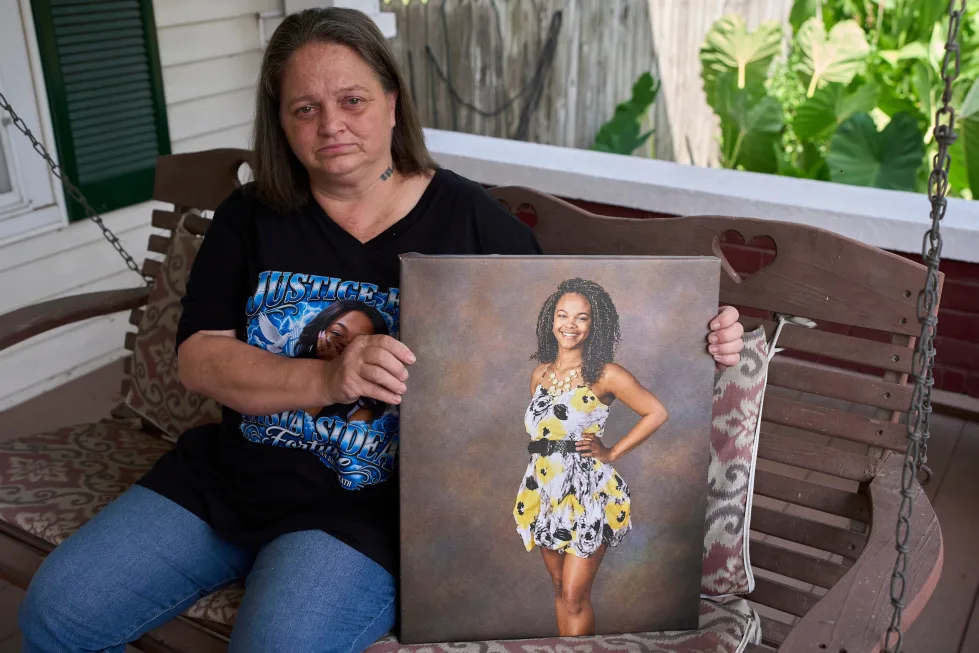
According to her family and obituary, she spent time in foster care as a child and moved through group homes during her teenage years.
She eventually made her way to Mississippi.
She was also an athlete.
Her obituary described her as a talented cross-country runner who skipped her junior year of high school.
And despite significant hardships later in life, relatives described her as deeply religious and resilient.
She was the mother of four children.
In recent years, Spivey said, her daughter had struggled with homelessness.
But shortly before her death, Fortune had been talking about getting her life back on track.
She wanted to start a cleaning business.
Her mother saw her for what would become the final time in late July, shortly before Fortune returned to Mississippi.
Spivey later recalled feeling an unusual need to be close to her daughter during that visit.
Looking back, she wondered whether that feeling had been a kind of warning that it would be their last time together.
Those personal details have become increasingly important as national attention focuses on the way Fortune died.
Her mother has urged people to remember her name, not simply the image associated with her death.
That request carries particular weight because the circumstances initially invited comparisons to a much older and darker history.
Mississippi has a well-documented legacy of racial terror lynchings, and the discovery of Fortune’s body naturally awakened those memories.
But investigators have so far offered no evidence that her killing was racially motivated.
The family itself has also been cautious about making that claim.
Spivey has said she believes her daughter was murdered, but she has not publicly accused anyone of a racial motive.
That is why the medical examiner’s homicide ruling is both enormously significant and still incomplete.
It answers one major question.
Authorities now say Fortune did not simply die under unexplained circumstances.
Her death was caused by another person or persons.
But the ruling does not explain why she was killed.
It does not explain how many people may have been involved.
And it does not explain what police believe happened in the hours before her body was found behind the abandoned home.
The expected additional arrests make those unanswered questions even more urgent.
If police believe more than one person participated, investigators may be looking at conduct extending beyond the actions alleged against Ratliff.
But until additional charges are filed or authorities release more evidence, anything beyond that would be speculation.
For now, the case has moved from uncertainty into a new stage.
A death that initially generated debate over whether it was suicide or homicide has been officially classified as a killing.
One man is in custody.
He has pleaded not guilty.
He has been denied bond.
And investigators say more arrests are expected.
For Fortune’s family, however, even those developments are not yet closure.
They still want to know who killed her.
They want to know why.
And they want the world to understand that before Tasia Fortune became the woman found hanging from a tree in Mississippi, she was a daughter, a mother, an athlete and a woman trying to rebuild her life.
Her mother’s message has remained simple:
Remember her name.
And keep asking what happened.