Georgia Mother Charged After 1-Year-Old Dies in Hospital Parking Lot During Her Nine-Hour Shift
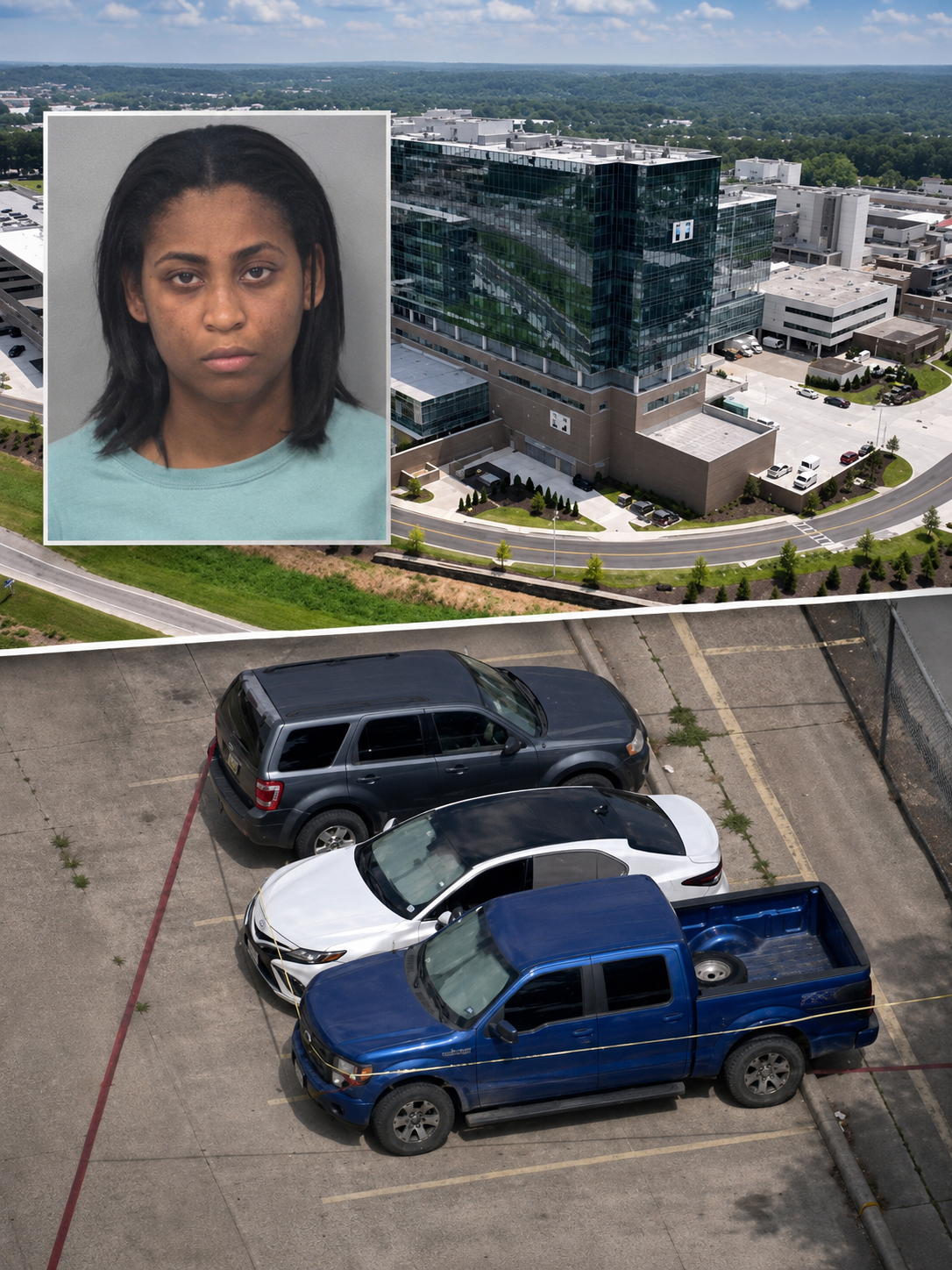
The workday had nearly ended when an employee walking through a Georgia hospital parking lot noticed an unresponsive child inside a locked vehicle.
Emergency crews rushed to the car at Northside Gwinnett Hospital in Lawrenceville and began trying to save the 1-year-old boy. Their efforts were unsuccessful.
The child had been inside the vehicle for nearly nine hours.
His mother, 29-year-old Deja Coleman, had arrived at the hospital for work shortly before 7 a.m. and remained inside throughout the day, according to police. By the time her youngest son was discovered at approximately 3:50 p.m., authorities said he was already dead.
Coleman was arrested the following day and charged with second-degree murder and second-degree cruelty to children.
The tragedy unfolded on Wednesday, July 29, in the employee parking area of the hospital, located northeast of Atlanta.
According to investigators, Coleman began her shift at 6:55 a.m. Before going to work, she had taken her two other children to daycare. She later told police that she forgot to bring her youngest child inside.
The boy remained in the locked car as the morning passed and temperatures rose.
No one apparently realized he was there until a hospital employee came across the vehicle late in the afternoon and reported seeing an unresponsive child inside.
Lawrenceville police officers arrived and immediately attempted lifesaving measures. But after spending most of the day trapped in the vehicle, the toddler could not be revived.
The discovery transformed an ordinary hospital workday into a devastating crime scene.
Investigators began reconstructing the family’s morning, the mother’s arrival time and the length of time the child had been left alone. Based on Coleman’s account, police determined that her son had remained in the vehicle for almost nine hours.

The temperature inside the car illustrated the danger he had faced.
Lawrenceville Police Capt. Dena Pauly said the vehicle’s interior measured 117 degrees approximately one hour after the child had been removed.
That reading came after officers had opened the car and after the hottest conditions inside may already have begun to ease. Outside temperatures had been significantly lower, but the enclosed vehicle had trapped heat throughout the day.
Coleman was still working inside the hospital while her son remained in the parking lot.
When she learned that he had died, police described her as devastated.
The emotional reaction, however, did not prevent authorities from filing serious criminal charges. Police arrested Coleman on one count of second-degree murder and one count of second-degree cruelty to children.
She was booked into the Gwinnett County Detention Center.
Second-degree murder charges can apply when a death occurs during the commission of another felony, even when prosecutors do not allege that the person deliberately intended to kill the victim. In Coleman’s case, the murder count was filed alongside the child-cruelty charge.
The case now places the circumstances of the boy’s death before the criminal justice system, where investigators and prosecutors will examine the decisions and failures that allowed him to remain unnoticed for an entire work shift.
The hospital setting made the tragedy especially difficult to absorb.
Coleman spent the day working near medical professionals and emergency resources, while her child was only a short distance away in the employee parking area. Yet no one knew he needed help until it was too late.
The person who eventually found him was another hospital employee walking through the lot.
That chance discovery came nearly nine hours after Coleman said she had arrived for work. By then, the vehicle had been exposed to hours of heat, creating conditions that a small child could not survive.
Authorities did not publicly identify the boy.

The Lawrenceville Police Department announced Coleman’s arrest on Thursday, July 30, one day after the child was found. During a news conference, Pauly addressed the broader circumstances that can contribute to children being forgotten inside vehicles.
Her message focused on exhaustion, stress and the need for caregivers to slow down.
She urged people who feel overwhelmed to seek assistance, get enough rest and protect their own well-being so they can safely care for their children.
The warning came as the United States continued recording pediatric deaths involving hot vehicles.
Seventeen children had died in hot cars nationwide during 2026 by the time of the Georgia incident. The previous year, 34 children died under similar circumstances, including two in Georgia.
Each case can begin during an apparently familiar routine.
A parent may be traveling to work, dropping off other children or following a schedule repeated many times before. A change in that routine, fatigue or distraction can leave a young passenger forgotten in the back seat.
Inside a closed vehicle, however, the consequences can become fatal long before anyone realizes a mistake has occurred.
Children are especially vulnerable because their bodies can overheat more rapidly than those of adults. A vehicle does not need to be parked during record-breaking outdoor heat to become dangerous.
In Lawrenceville, the temperature inside Coleman’s car reached 117 degrees even after the child had been removed for an hour.
That figure became one of the starkest details in the case—a measure of the environment surrounding the toddler during his final hours.
The tragedy has left two realities existing side by side.
Police said Coleman was overcome when she learned of her son’s death and told them she had forgotten he was still in the vehicle. At the same time, authorities concluded that the circumstances were serious enough to support murder and child-cruelty charges.
Her case will now move through the courts, where the charges will have to be proven and the precise sequence of events will receive closer examination.
Questions will likely center on the family’s routine that morning, where the child was seated, whether Coleman had any reminders that he was with her and how an entire shift passed before anyone noticed him.

For the hospital community, the incident has also left a painful image: a child locked inside a car in a parking lot filled with people trained to save lives, but hidden from their view until the afternoon.
There was no emergency call during the morning.
No one brought the toddler into the hospital seeking treatment.
There was only the eventual report from an employee who saw him inside the vehicle and realized something was terribly wrong.
By then, nearly nine hours had passed.
Coleman’s arrest may establish legal responsibility, but it cannot change the outcome for her son. The child who was supposed to leave the parking lot with his mother at the end of her shift never made it home.
His death now stands as both a family tragedy and a severe warning about how one forgotten moment can stretch across an entire day—and become irreversible.